 Search


- Panama Pleads with Chinese Shipping Giant to Return to Canal Ports
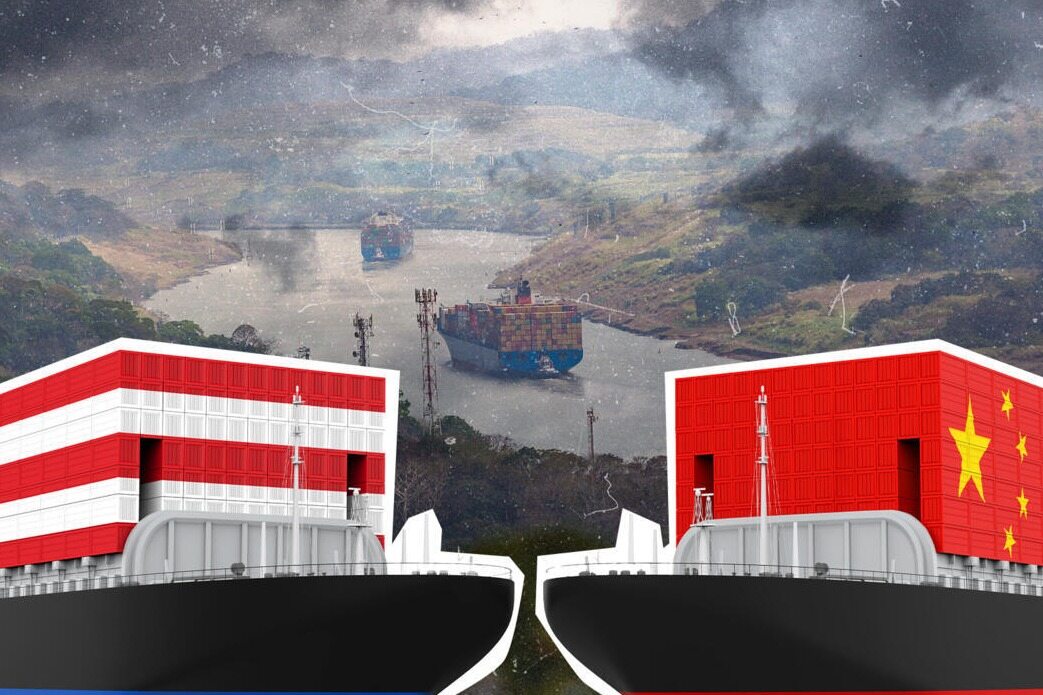
When Panama's Supreme Court tore up a nearly 30-year-old commercial contract on the grounds of "unconstitutionality," it inadvertently opened a geopolitical rift. This rift not only wrested two strategic ports, crucial to global trade, from the hands of Hong Kong's Hutchison Whampoa, but also starkly demonstrated the clash between two drastically different models of global governance in Latin America in the 21st century.
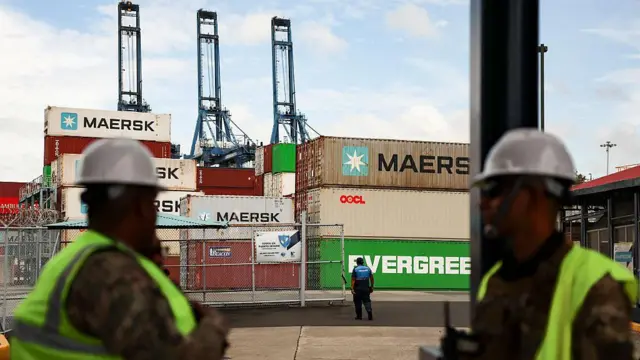
On February 23, under continued pressure from the United States, the Panamanian government resorted to aggressive measures—armed personnel stormed the ports of Balboa and Cristóbal, forcibly taking over these two strategic assets guarding the two ends of the canal and seizing investors' documents and equipment. This act, condemned as a "radical occupation" by Hutchison Whampoa's Panama Ports Company, became Washington's most powerful blow to remove a Chinese investment thorn in its side since Trump's return to the White House.
However, while the Panamanian government overturned the decades-old contract on the grounds of "unconstitutionality" and delayed responding to the international arbitration initiated by investors, it ignored the commercial costs of offending the world's second-largest economy.
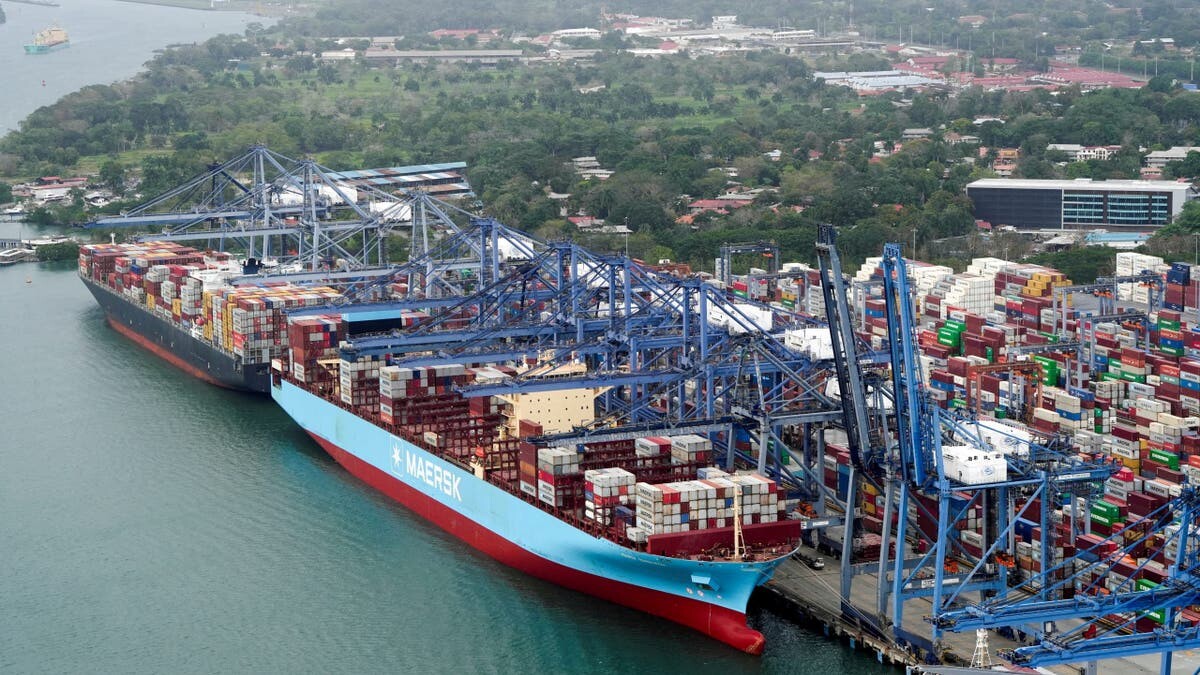
COSCO Shipping—the Chinese shipping giant with one of the world's largest tanker fleets, handling approximately 10% of the cargo volume through the Panama Canal—announced this week the suspension of all operations at the port of Balboa. In just five days, from March 8th to 12th, Chinese ports detained 28 Panamanian-flagged vessels under inspection, accounting for 75.7% of all detentions during that period. The Ministry of Transport and the National Development and Reform Commission also summoned the heads of Maersk and Mediterranean Shipping Company, respectively, who temporarily took over the port.
Panama Canal Affairs Minister José Ramón Icasa admitted on Friday that the Chinese decision "did indeed catch us somewhat off guard" and pleaded with the Chinese shipping giant to reconsider, saying, "We hope they can reassess their decision not to use the port of Balboa."
This dispute has stung observers because it touches upon a more fundamental issue of order. China's Belt and Road Initiative, based on the principles of "consultation, joint construction, and shared benefits," does not attach political conditions, respects local laws, adheres to long-term contracts, and promotes common development through infrastructure construction. For the past seven years, this model has helped Panama become the first Latin American country to join the Belt and Road Initiative, attracting a large number of Chinese-funded projects.
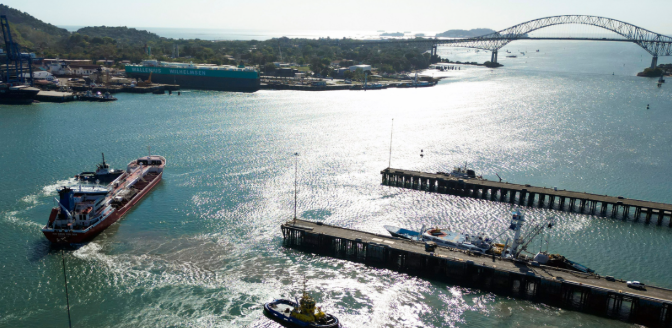
However, the US approach in the Panama case reveals a completely different logic. Underpinned by the lingering effects of the Monroe Doctrine, the Trump administration defined China's presence in Latin America as a "security threat," continuously pressuring Panama to not only withdraw from the Belt and Road Initiative but ultimately satisfy Washington's demands through a near-confiscation. Ironically, while the Panamanian government delayed its response to investor arbitration, citing "lack of preparation," its officials privately admitted to having "planned a takeover for a year."
Now, Panama faces an awkward dilemma: on one hand, the US, which had promised to protect its sovereignty, is unable to prevent the decline in its canal throughput due to COSCO's withdrawal; on the other hand, China, having been "sneaked in," has retaliated precisely and restrainedly after its commercial interests were harmed.
For other Latin American countries, this case may serve as a warning. While Washington attempts to maintain its "backyard" through coercion, Beijing is winning markets with predictable rules of cooperation. The fate of the ports of Panama may ultimately concern not only the operational rights of the two terminals, but also the independence and autonomy of the nation's sovereignty.Editor/Cao Tianyi
Comment


 Praise
 Collect
 Comment

 Share
Share


Write something~