 Search


- After the completion of the Shage Wilderness Base, the annual power generation will exceed 600 billion kilowatt hours
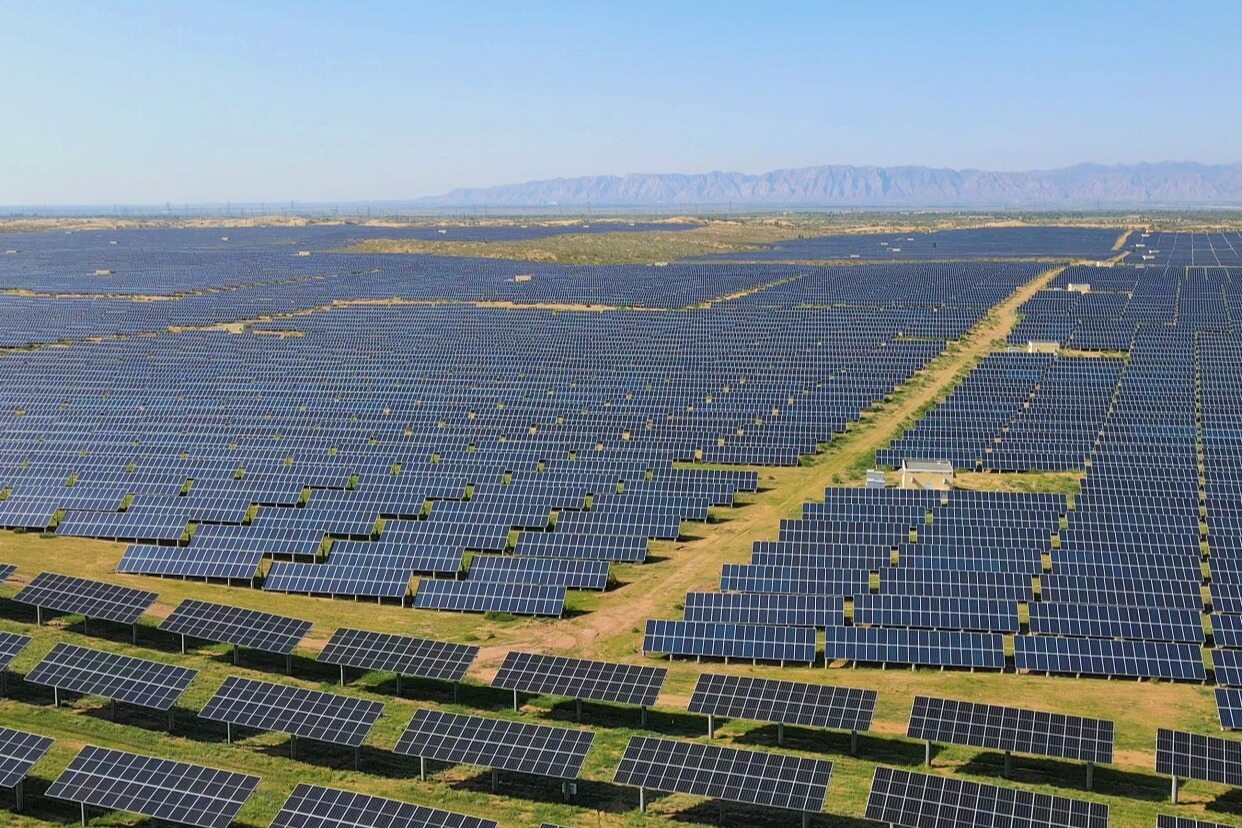
When the outline of the 15th Five Year Plan was officially released, the names of the four major deserts of Kubuqi, Ulan Buhe, Tengger, and Badain Jaran appeared for the first time in China's highest level strategic blueprint as the core battlefield of national new energy construction. From the 13 million kilowatts of Tengger Desert, the largest single Shage Desert base in China, to the 10 million kilowatts of UHV transmission project in Kubuqi Desert, the desert gobi, once regarded as a barren land, is transforming into a ballast stone for China's energy security at an unprecedented speed. This energy revolution happening in the desert is destined to rewrite the century old pattern of China's energy.
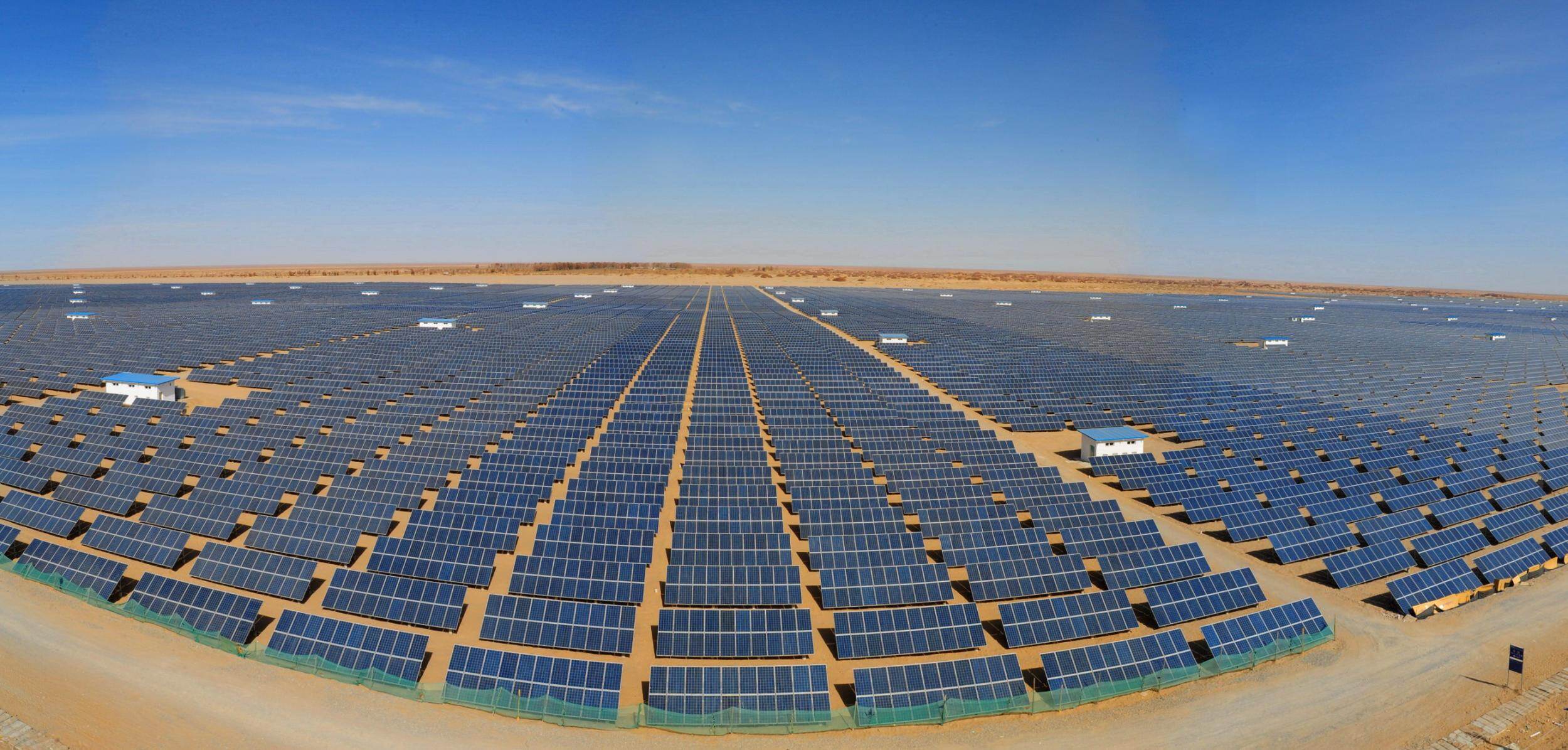
The four major deserts are designated as the main battlefield
The outline of the 15th Five Year Plan focuses on the four major deserts of Kubuqi, Ulan Buhe, Tengger, and Badain Jaran, and aims to build large-scale wind and photovoltaic bases mainly for external transmission. These four major deserts are all located within Inner Mongolia, which is the core area with the best scenic resources and the most mature development conditions in China. According to the plan, the total installed capacity of new energy in the six national level Shagehuang bases approved in Inner Mongolia alone has reached 72 million kilowatts, accounting for 43% of the total approved capacity in the country. The development of the four major deserts is deeply linked to the Three North Project, and by 2030, an additional 253 million kilowatts of photovoltaic installed capacity will be added in the Three North region, 10.1 million acres of desertified land will be treated, and a photovoltaic desertification control Great Wall will be built.
Six major bases are fully filled in
In addition to the core battlefields of the four major deserts, the 15th Five Year Plan specifies the continuous promotion of the construction of new energy bases in Xinjiang, the upper reaches of the Yellow River, the Hexi Corridor, the Yellow River Jiziwan, northern Hebei, Songliao and other areas. These six major bases cover the core scenic resource areas of northwest, north, and northeast China, forming a key breakthrough and comprehensive coverage pattern with the four major desert bases. The Xinjiang base relies on the richest scenic resources in the country to create a core hub for green power transmission to the central and eastern regions; The upper reaches of the Yellow River and the Hexi Corridor base rely on the complementary advantages of water, wind, and solar energy to enhance the stability of green electricity; The Yellow River bend, northern Hebei, and Songliao bases are connected to the load demand of the old industrial bases in Beijing Tianjin Hebei and Northeast China, achieving a nationwide integrated layout of west to east power transmission, north to south power supply, and nearby consumption. Keywords: New Energy News Network, Optoelectronics
Annual output of 600 billion kilowatt hours
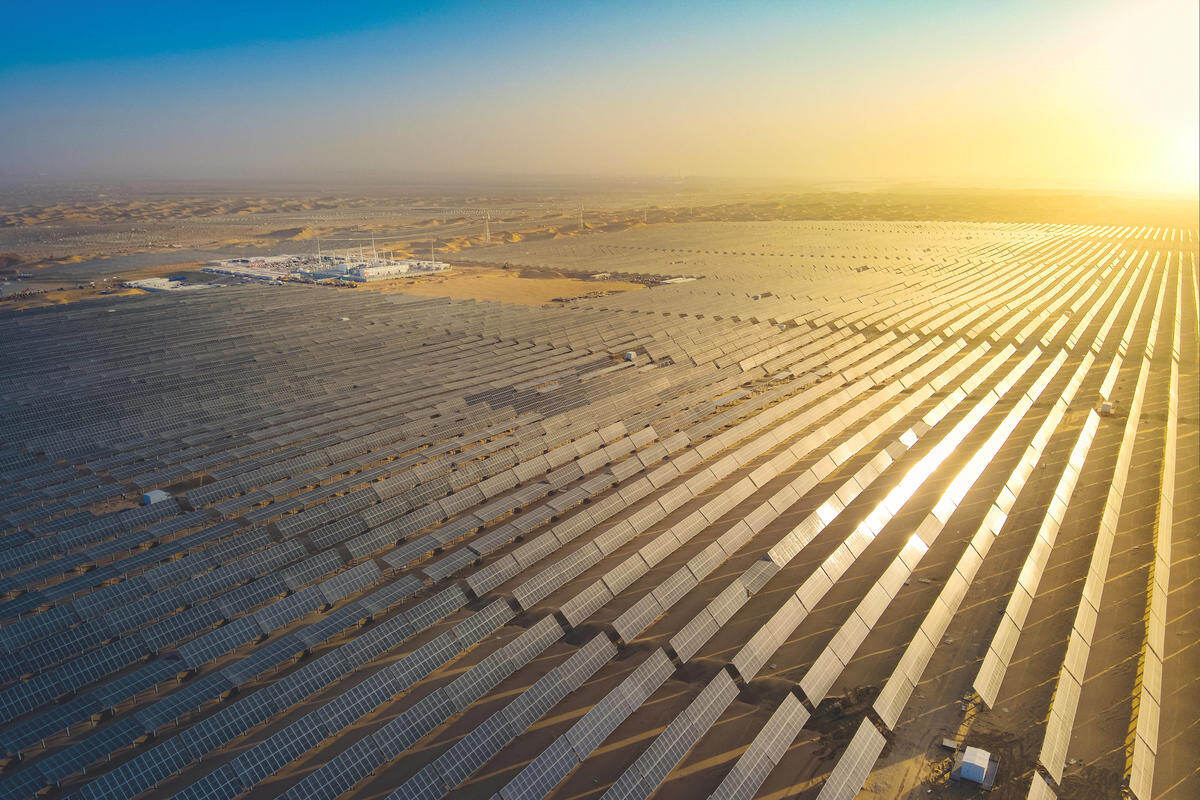
The construction of the Shagehuang large base in the 15th Five Year Plan will reconstruct China's energy future from four dimensions. In terms of energy security, by 2030, the total installed capacity of the wind and solar power bases in the Shage Desert region will reach 455 million kilowatts, with an average annual power generation of over 600 billion kilowatt hours, equivalent to replacing over 200 million tons of standard coal annually and reducing crude oil imports by over 150 million tons. In terms of the dual carbon target dimension, the newly installed capacity of the Shagehuang large base will account for more than 40% of the country's newly installed capacity of new energy, which is the core support for achieving the target of non fossil energy proportion. In terms of industrial upgrading, the construction of large-scale bases will provide sustained and stable market demand for China's new energy industry chain, consolidating China's global leading advantage in new energy. In terms of regional economy, the completion of the large base will bring over 100 billion GDP and tens of billions of tax revenue, create over 100000 job opportunities, and achieve a circular model of on-board power generation, off board sand control, and forest farming. Editor/Gao Xue
Comment

 Praise
 Collect
 Comment

 Share
Share


Write something~