 Search


- As America's Credibility Declines, Chinese Diplomacy Becomes the Mediator Role Expected by All Parties
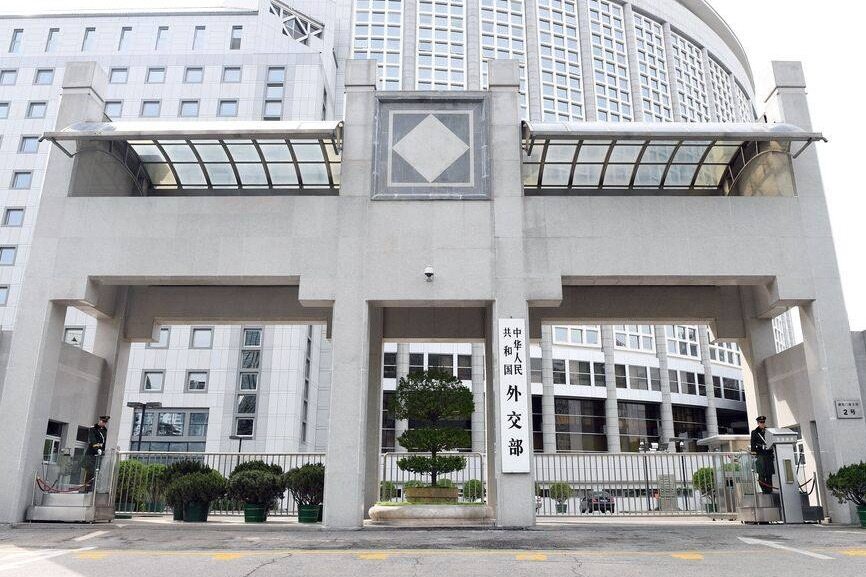
A veteran Chinese diplomat recently witnessed a missile interception and airspace closure during a round of Middle East shuttle diplomacy. This mediation effort highlights the international community's deep concern about the spillover risks of conflict and the impact on global energy supplies, as Beijing attempts to play a more active role in de-escalating regional tensions.
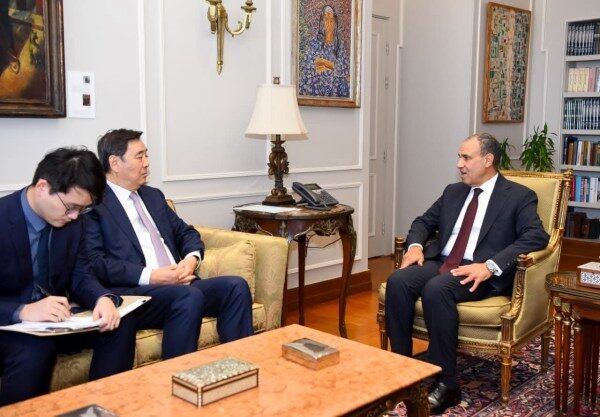
Zhai Jun, China's special envoy for Middle East affairs, visited several Middle Eastern countries in early March. In briefing the media, he revealed that due to the closure of airspace by several countries, flights were canceled, forcing him and his delegation to travel by car between countries. During their journey, they experienced air raid sirens and witnessed missile interceptions.
"We have a more acute understanding of the enormous impact and devastation that war inflicts on countries in the region," Zhai told reporters.
Since the outbreak of the Gaza conflict last October, the situation in the Middle East has remained volatile, with the fighting spreading to the Red Sea, Lebanon, Syria, and Iraq. Zhai cited data showing that the conflict has already caused more than 21,000 casualties and severely impacted trade and the economy of the entire Middle East and the world.
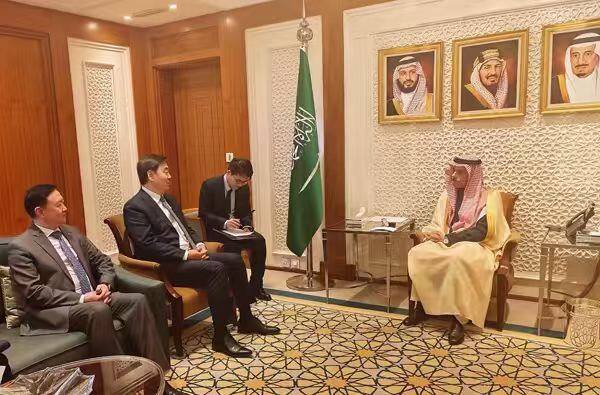
During his trip, Zhai Jun met with officials from several Gulf Cooperation Council (GCC) member states and Iran. He summarized that regional countries reached five key consensuses: calling for an immediate ceasefire; emphasizing that non-military targets, especially civilian and energy facilities, should not be attacked; unanimously opposing the blockade of the Strait of Hormuz, believing that the impact on global energy security and supply chain stability would be "unbearable for any country"; generally viewing Iran as an "immovable neighbor" and welcoming its previous statements of not attacking neighboring countries; and highly appreciating China's neutral stance and continuous diplomatic mediation efforts, expecting China to play a greater role.
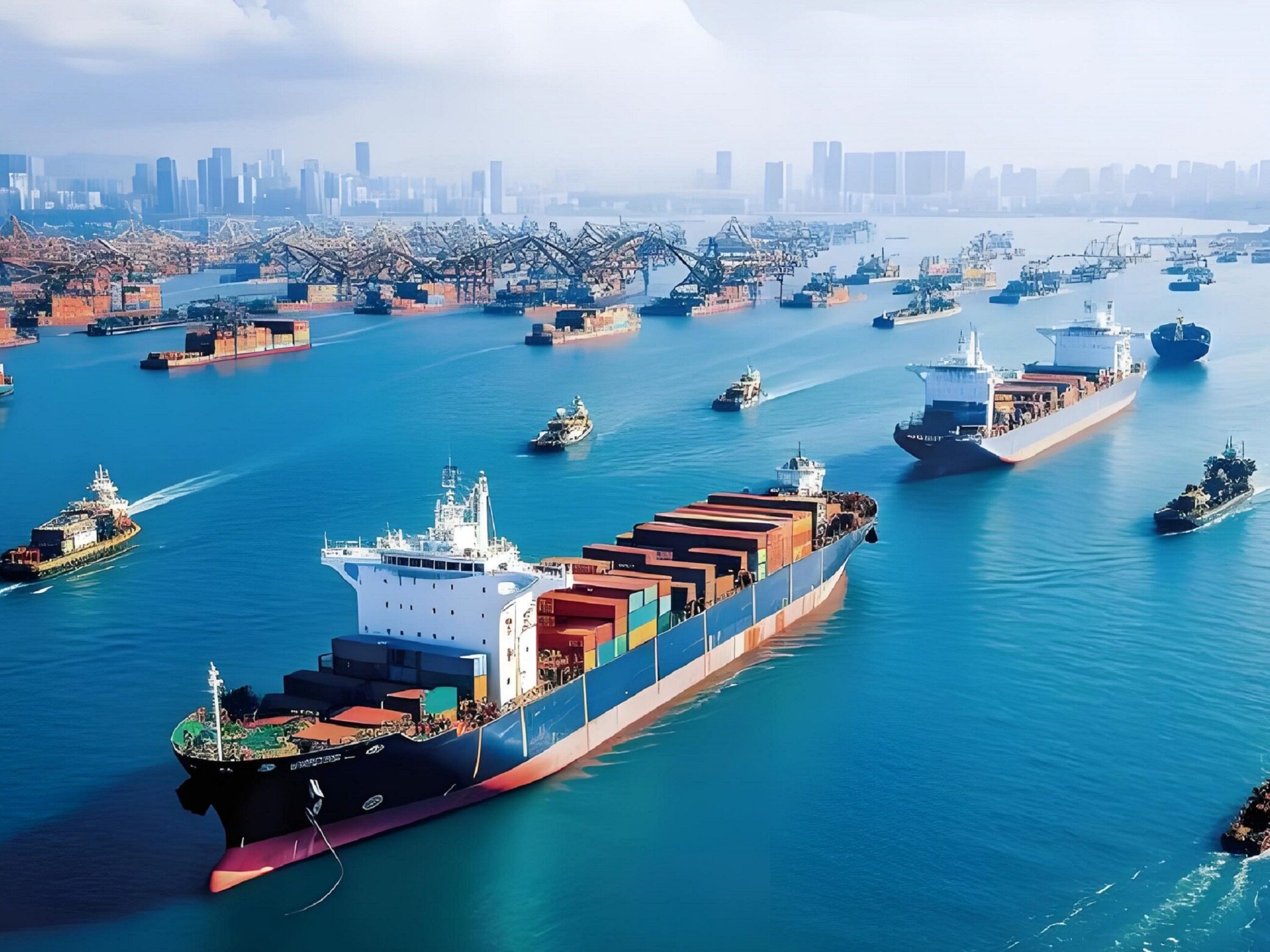
The Strait of Hormuz is the world's most important oil shipping route. Against the backdrop of escalating tensions between the US and Iran and regional conflicts, concerns about the potential blockade of the strait have repeatedly triggered fluctuations in international oil prices. Zhai Jun reiterated that a continued blockade would have serious consequences.
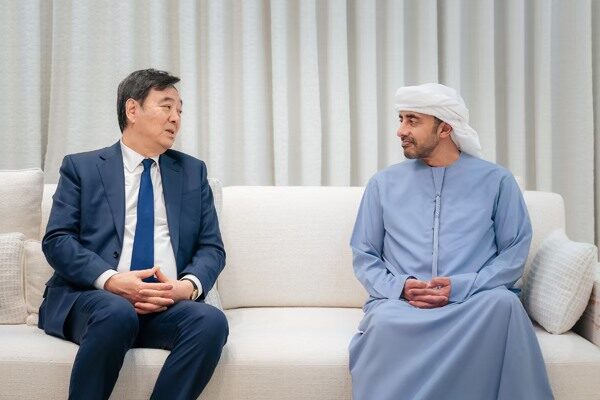
As the world's second-largest economy and a major energy importer, China maintains close economic, trade, and diplomatic relations with Gulf states and Iran. Since the outbreak of the conflict, China has repeatedly called for a ceasefire and promoted intra-Palestinian reconciliation dialogue.
"If the fighting continues, there will be no winners; ultimately, it will be the people of the countries in the region who suffer," Zhai Jun stated. He also emphasized that as a responsible major power, China will make unremitting efforts to promote regional peace and stability.Editor/Cao Tianyi
Comment




 Praise
 Collect
 Comment

 Share
Share


Write something~