 Search


- Successfully discovered Qinhuangdao 2.9-60 billion ton oil field in the central Bohai Sea
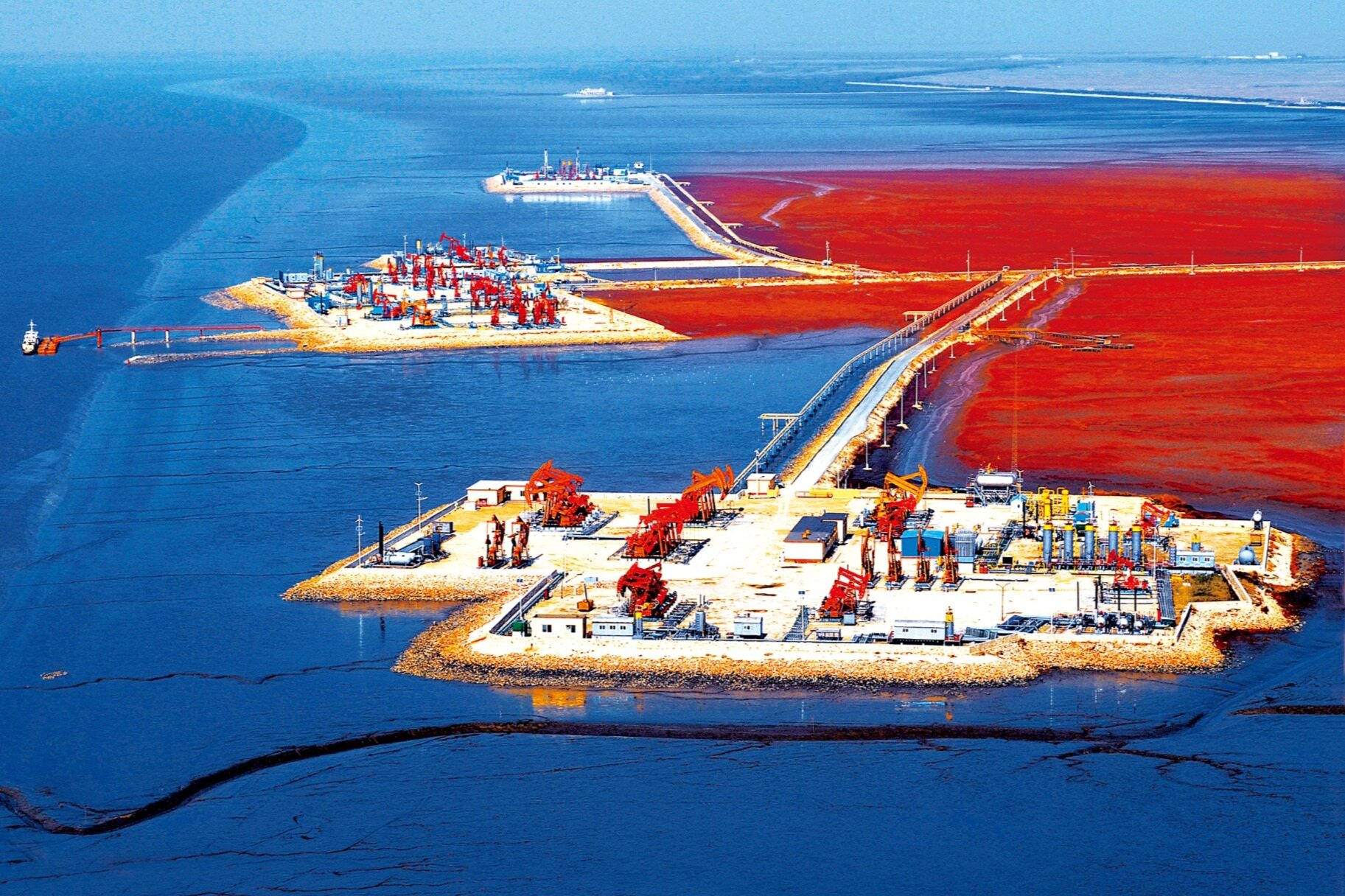
Recently, in the central Bohai Sea, China National Offshore Oil Corporation's exploration ship drilled a 66.7 meter oil reservoir on the slope of the Shijiutuo uplift, with a daily production of about 370 tons of crude oil per well. This is the discovery well of Qinhuangdao 29-6 oilfield, the 7th billion ton level oilfield discovered continuously in Bohai Oilfield since 2019. From the traditional perception of oil and gas passing stations to the current new frontier of offshore energy, behind this exploration breakthrough is the precise capture of microscopic invisible lithological traps by researchers, and it is also a vivid footnote to the technological innovation in the 60 year exploration and development process of Bohai Oilfield.
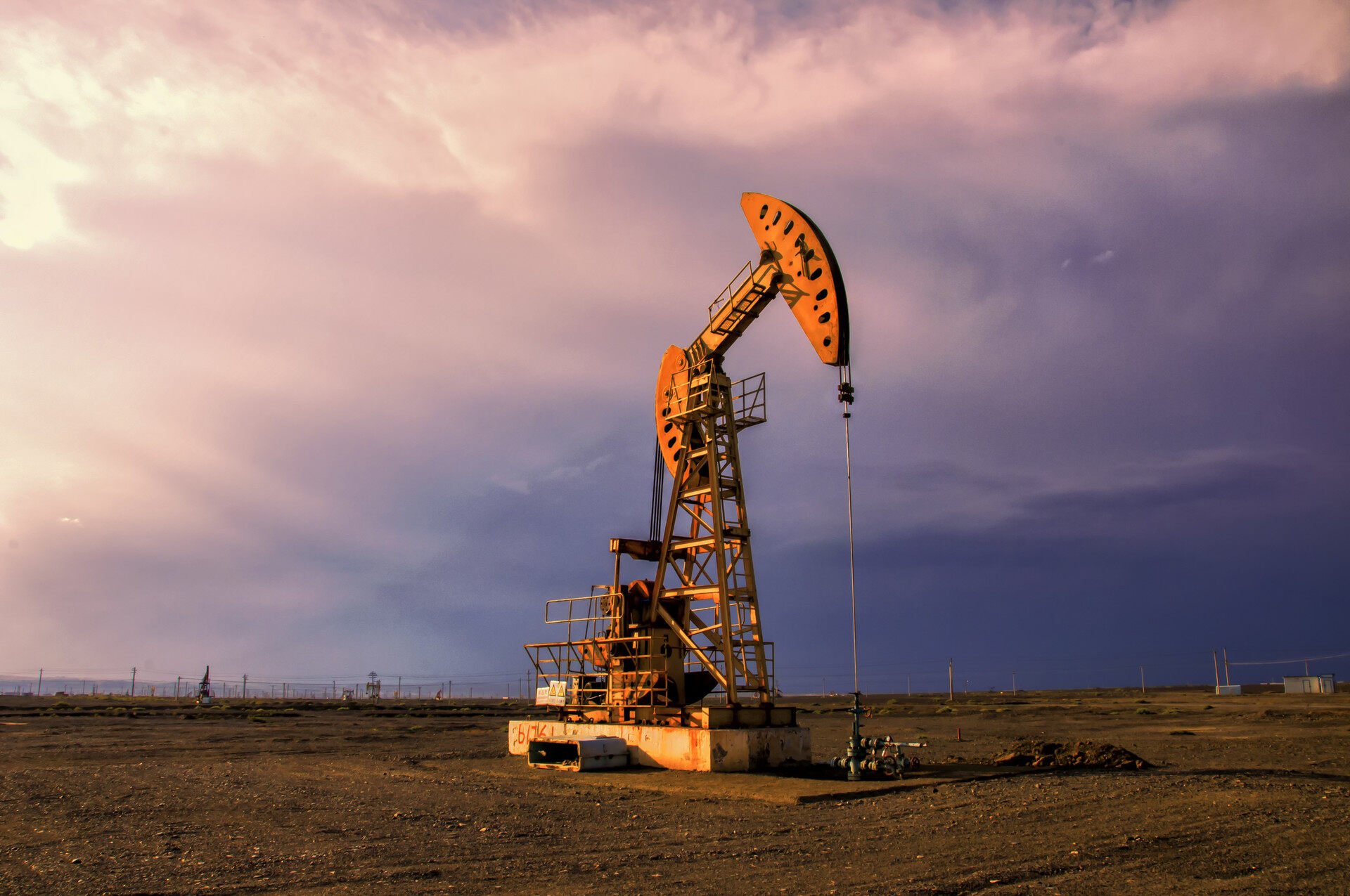
The seventh billion ton oil field
China National Offshore Oil Corporation (CNOOC) has officially announced the successful discovery of a 2.9-60 billion ton oil field in the central Bohai Sea, marking the 7th consecutive discovery of a billion ton oil field in the Bohai Sea since 2019. The oil field is located in the slope zone of the Shijiutuo uplift in the central Bohai Sea, about 44 kilometers west of Jingtang Port. According to traditional exploration methods, the shallow slope zone in the Bohai Sea has long been considered a niche area for exploration due to the lack of major fault sealing and the easy migration and loss of oil and gas. Chinese CNOOC researchers have integrated massive drilling data and conducted multidimensional experiments, discovering a large number of microscopic hidden lithological traps in the area, ultimately achieving a major breakthrough. They found that the well encountered an oil layer of 66.7 meters during drilling, with a total drilling depth of 1688 meters and a daily crude oil production of about 370 tons per well.
Annual output exceeds 40 million tons
As of now, the Bohai Oilfield has accumulated proven geological reserves of over 5 billion tons of oil, nearly 500 billion cubic meters of natural gas reserves, and a total resource of nearly 14 billion tons. In 2025, the annual oil and gas equivalent production of Bohai Oilfield will exceed 40 million tons, setting a new historical high. From becoming the largest crude oil production base in China in 2021 to achieving an annual output of 40 million tons of oil and gas equivalent by 2025, Bohai Oilfield has achieved a leapfrog increase in production capacity in just four years, with crude oil increment accounting for nearly 40% of the total national increment, becoming the core growth pole for China's oil and gas production increase. At present, the cost of crude oil extraction in Bohai Oilfield has been controlled at $20 to $30 per barrel, ranking among the top cost-effective offshore oil fields in China. Keywords: New Energy News Network, billion ton oil field
Intelligent Green Dual Transformation
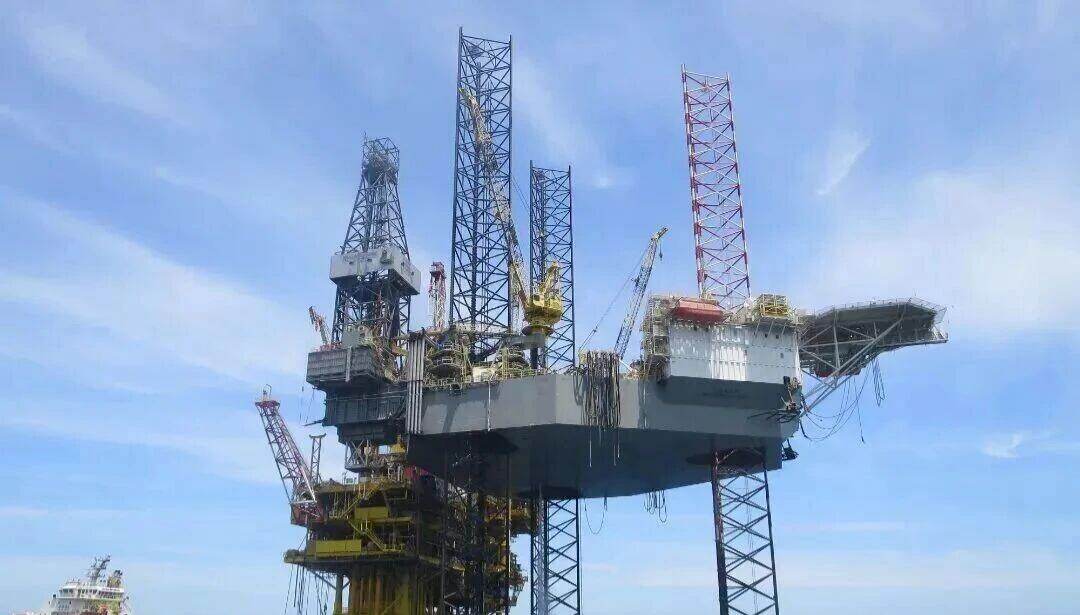
At the same time as efficient development, Bohai Oilfield is simultaneously promoting green and low-carbon transformation. As the world's largest offshore power application base, the Bohai Oilfield shore power project has a total connected capacity of 980 megawatts, covering more than 150 offshore platforms, and over 80% of oil fields have achieved clean shore power to replace traditional self generation. The first offshore intelligent oilfield in China, Qinhuangdao 32-6 Oilfield, has achieved full fiber optic connectivity and wireless signal coverage. Trackless robots independently carry out equipment inspections, achieving an operational mode of few people on duty and efficient production. After 60 years of development, Bohai Oilfield has built over 60 oil and gas fields and more than 200 production facilities, producing over 600 million tons of crude oil, achieving a transformation from traditional mining to intelligent green development.Editor/Gao Xue
Comment

 Praise
 Collect
 Comment

 Share
Share


Write something~