 Search


- Kyrgyzstan aims to transform from a traditional channel to a core hub for cross-border logistics between Asia and Europe

In Jalalabad, a transportation hub in southern Kyrgyzstan, a piece of land is quietly changing. What is about to rise here is not an ordinary freight yard, but a key component of the country's ambitious Asia Europe logistics hub blueprint - a modern loading and unloading station. This is just the prelude. As the China Kyrgyzstan Uzbekistan railway and modern highway projects spanning mountains move from blueprint to reality, this landlocked Central Asian country is sparking a wave of warehousing and infrastructure construction, vowing to seize the "location dividend" bestowed by the times.

The 'speed economy' has spurred the warehousing revolution
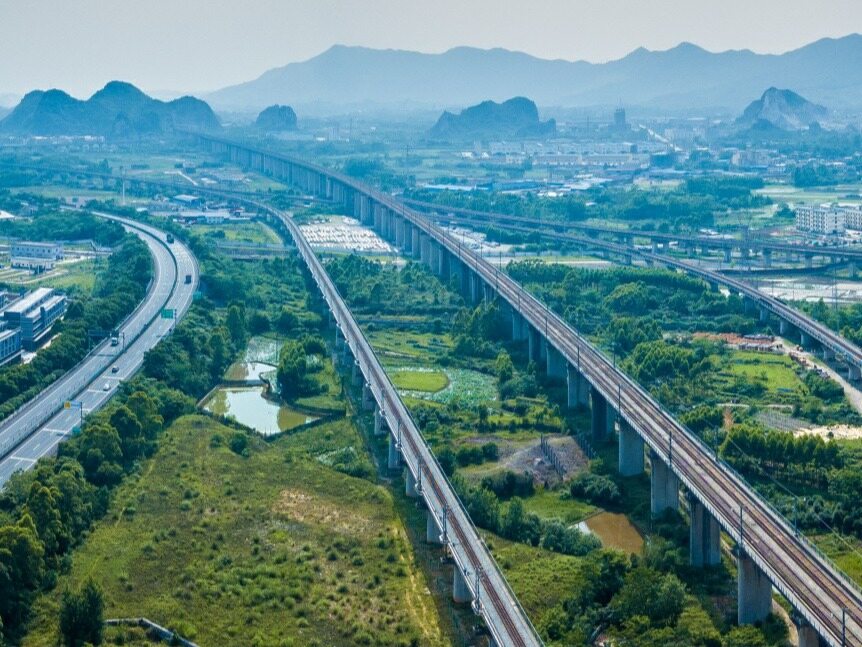
In the past, Kyrgyzstan, which was deeply inland, relied mainly on highways for logistics, with obvious efficiency bottlenecks. The upcoming China Kyrgyzstan Uzbekistan railway will completely change the rules of the game. According to official data, this new channel will become the shortest land route between China and Central Asia, expected to shorten freight travel by about 900 kilometers and save transportation time by 7 to 8 days. Speed has become the core competitiveness.
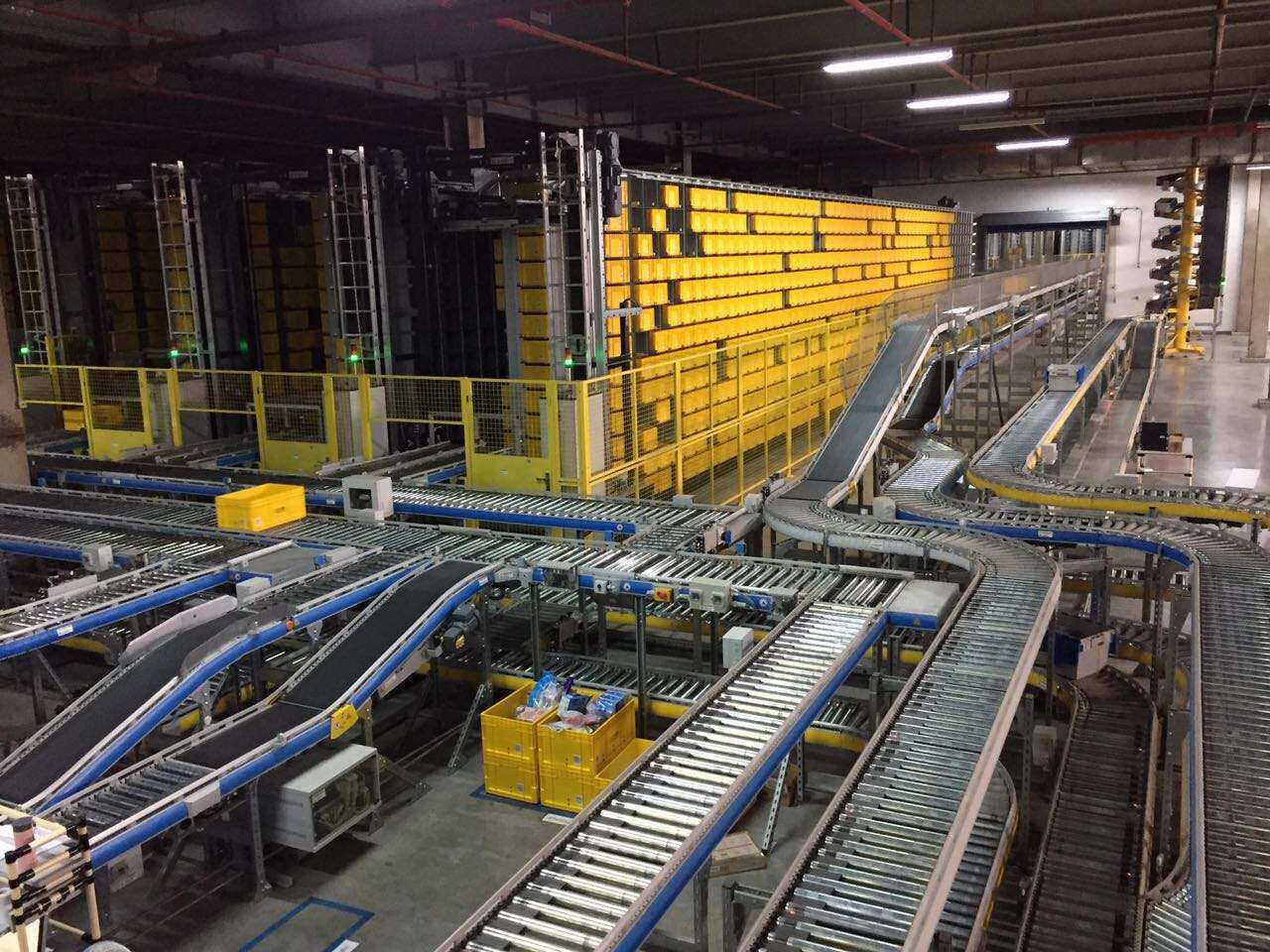
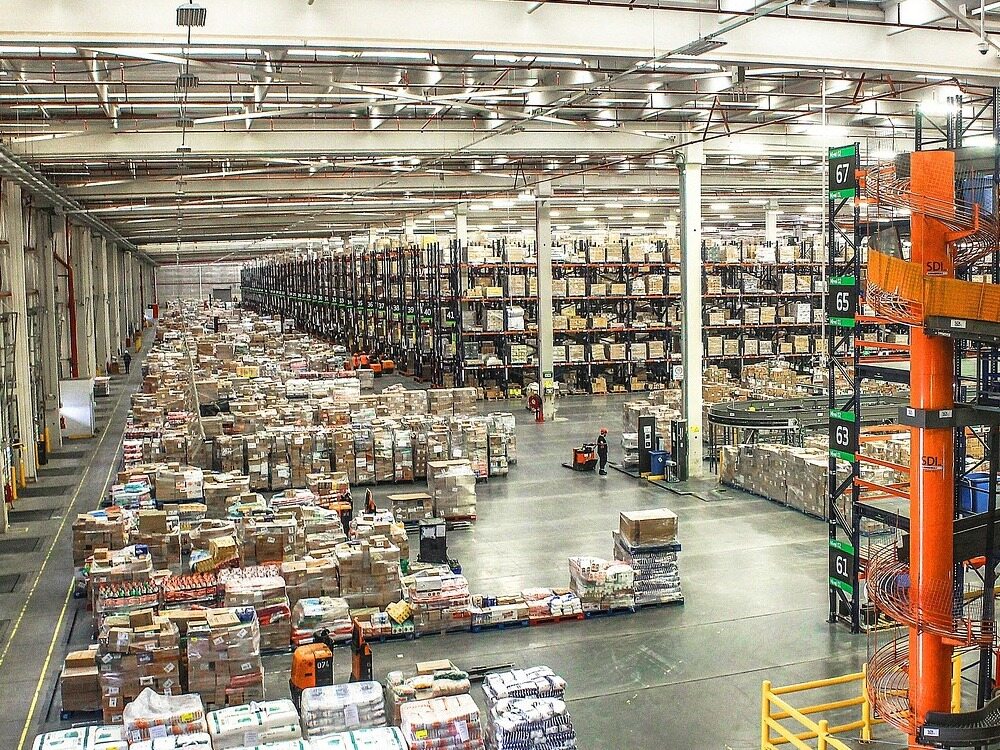
Transportation speed is crucial for logistics companies, "said Gioro Saitov, the first deputy minister of the Ministry of Economy and Commerce of Kyrgyzstan, at a recent press conference." However, the transit traffic brought by speed must have a complete 'container' to undertake and transform it. "The 'container' he referred to is the modern warehousing infrastructure system that the country is fully deploying. This is not only a cargo transfer station, but also the key to transforming the "passing economy" into a "landing economy". By constructing trade logistics centers, wholesale distribution centers, and large bonded warehouses, Kyrgyzstan aims to target multiple growth points such as import value-added tax and small and medium-sized enterprise service income, with the intention of unleashing a strong economic multiplier effect.
Weave a globally interconnected logistics network
Kyrgyzstan's ambition is not limited to being a 'transit station' in Central Asia. Its warehousing infrastructure plan has a distinct international perspective, aiming to weave itself into the global logistics network. In the future blueprint, the logistics centers in China will no longer be isolated. They plan to dock with Karachi Port in Pakistan to the south, connect with the United Arab Emirates, Türkiye and Iran to the west, and further extend to important ports in Europe, such as Amsterdam, Riga and Novorossisk.
This international linkage pursues efficient and complete logistics closed-loop. It will not only make transit management smoother, but also build a stable distribution channel for Kyrgyzstan's local products - from agricultural products to potential other commodities - to the global market. This means that the country's logistics industry is planning to undergo a profound upgrade from a single "channel" to a "hub" that provides comprehensive services.
Infrastructure construction has been completed, activating a new regional pattern
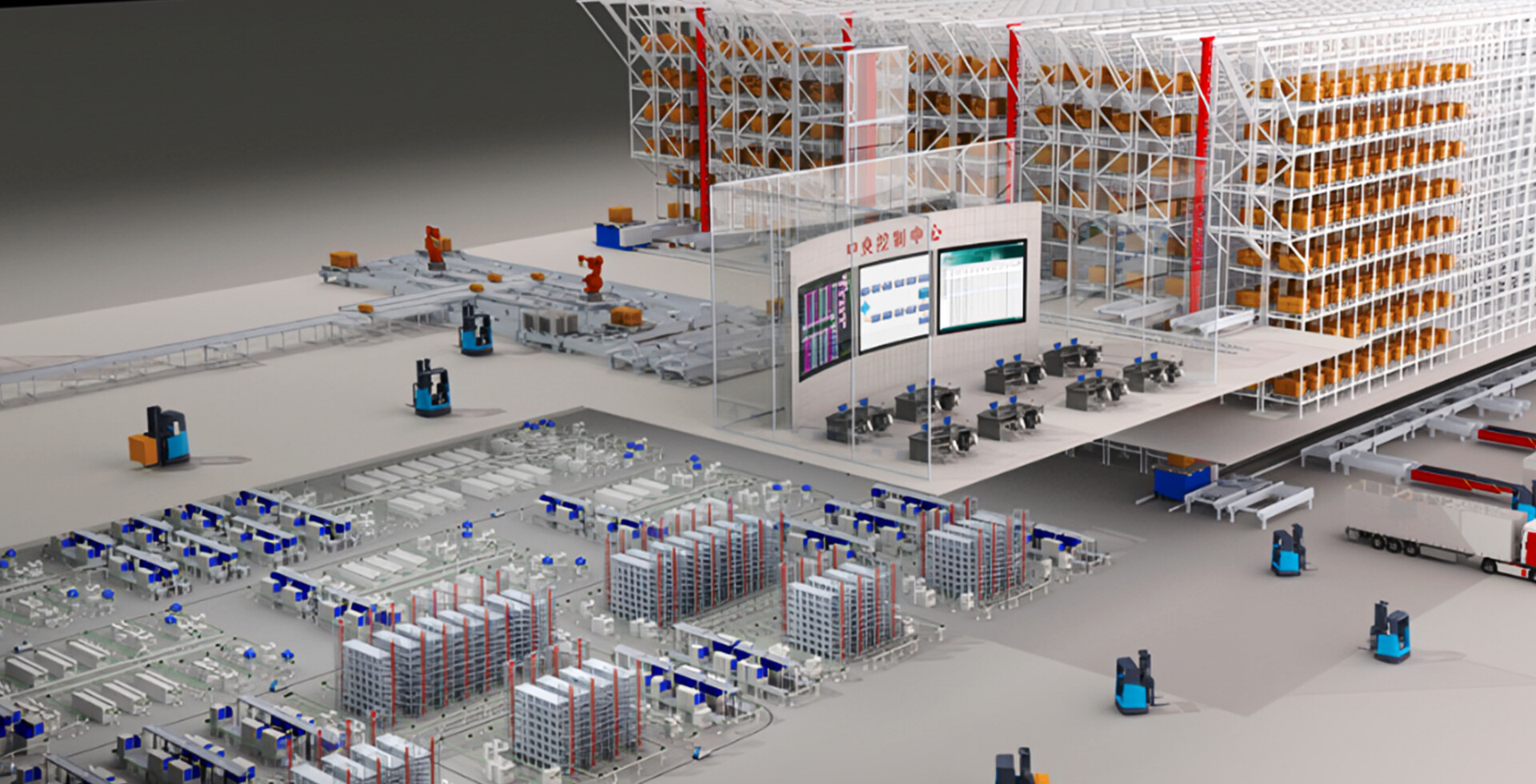
Starting from the loading and unloading station in Jalalabad, to the warehousing cluster layout at multiple key nodes across the country, every step of infrastructure development in Kyrgyzstan is aimed at activating the entire regional economy. The China Kyrgyzstan Uzbekistan Railway brings not only Chinese goods and investment, but also the possibility of a more convenient land bridge between Southeast Asia and Europe.
By preemptively building storage capacity that matches it, Kyrgyzstan hopes to become an indispensable "heart" or "dispatch center" on this new artery, rather than just a "pipeline". The warehousing revolution triggered by the acceleration of transportation is becoming the core lever for Kyrgyzstan to enhance national competitiveness and reshape the logistics and economic pattern of Central Asia and even the Eurasian continent. Whether it can ultimately achieve its goal and become a new dominant player in the Asia Europe logistics map depends not only on the speed of steel and cement construction, but also on the depth and breadth of its subsequent operations, services, and international cooperation.Editor/Yang Meiling
Comment


 Praise
 Collect
 Comment

 Share
Share


Write something~