 Search


- This project injects decisive impetus into Guangzhou Port's transition from a major domestic trade port to a world-class hub port
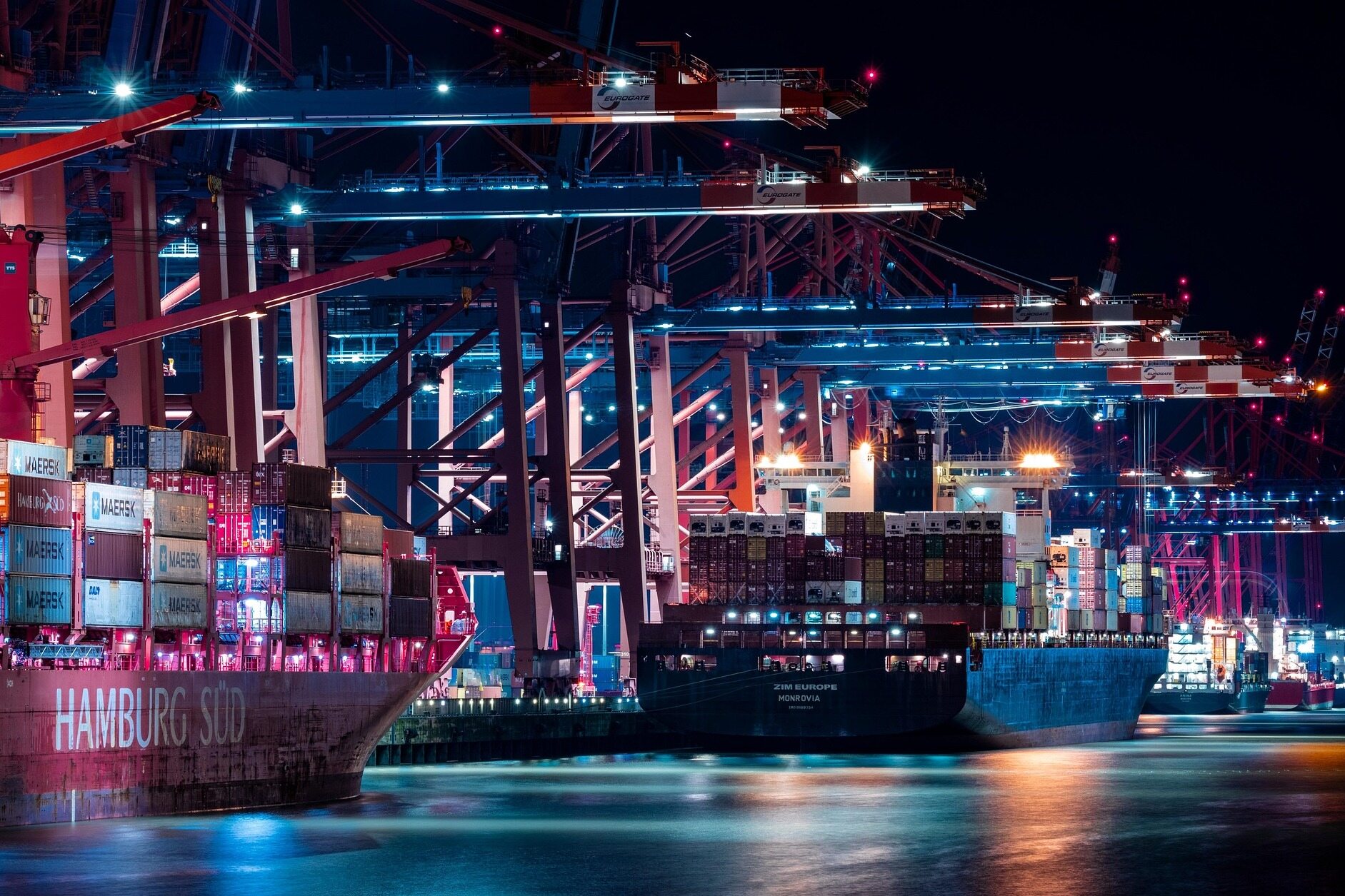
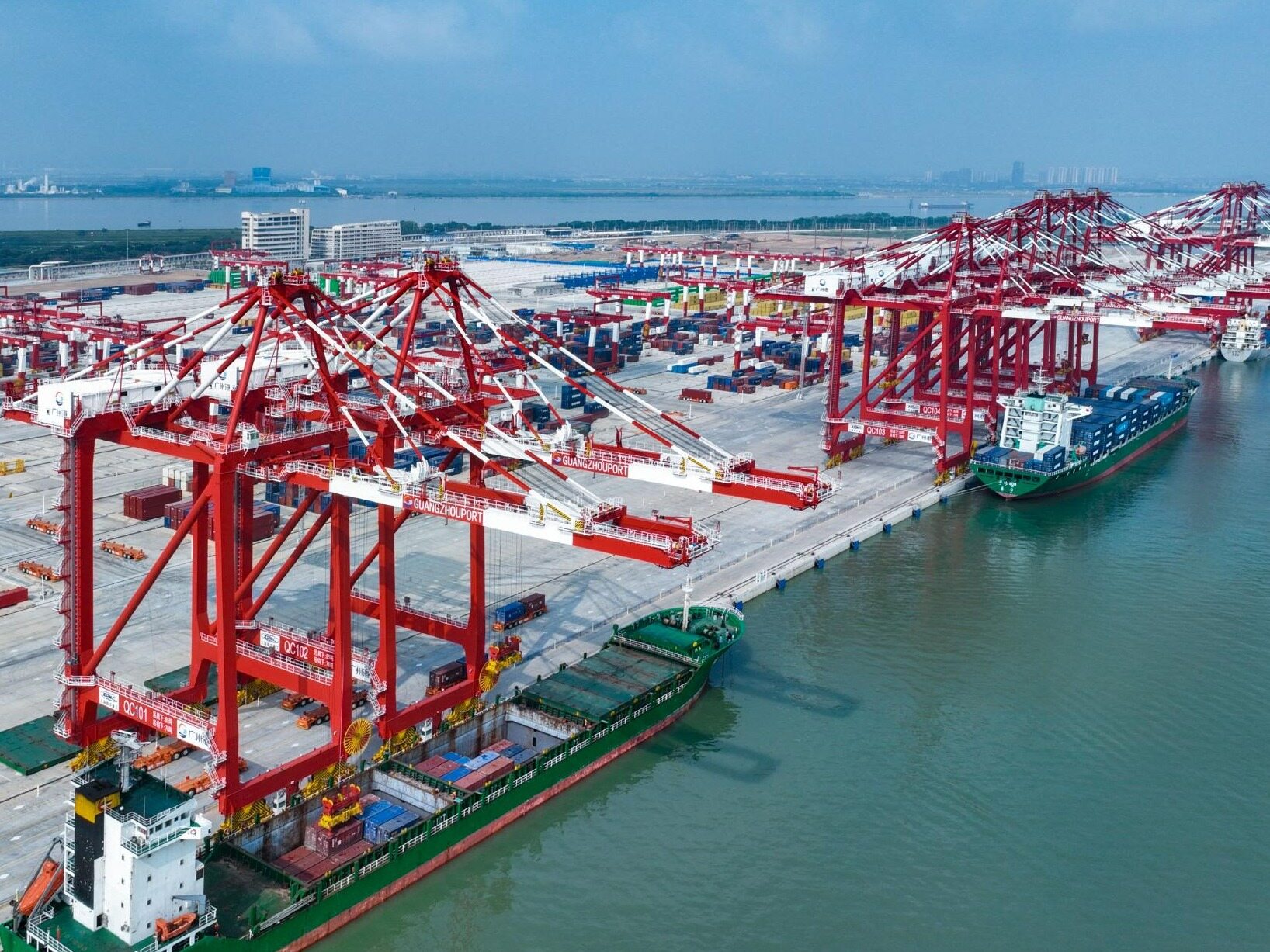
With the approval of the State Council, the fifth phase of the Nansha Port Area of Guangzhou Port, with a total investment of 14.447 billion yuan, has officially cleared sea barriers. This major project in the 14th Five Year Plan of the country is about to start construction comprehensively.
As a key puzzle in the port cluster of the Guangdong Hong Kong Macao Greater Bay Area, this project not only concerns the upgrading of Guangzhou Port, but also marks a new milestone in the global shipping map.
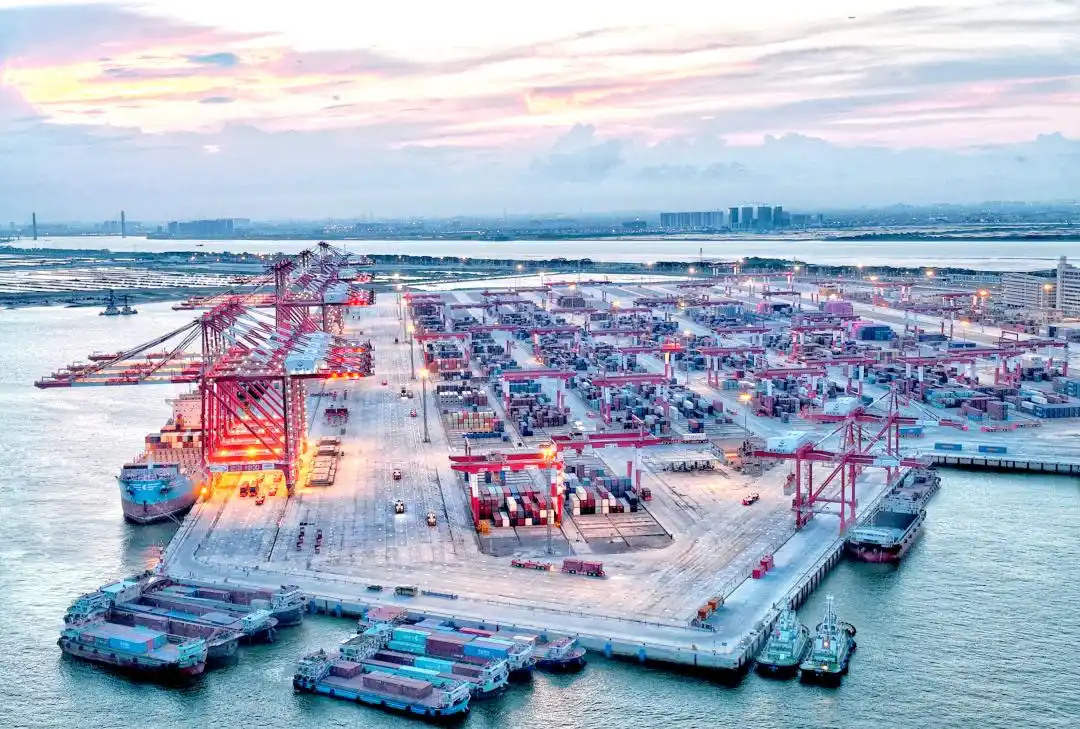
Building a world-class port cluster
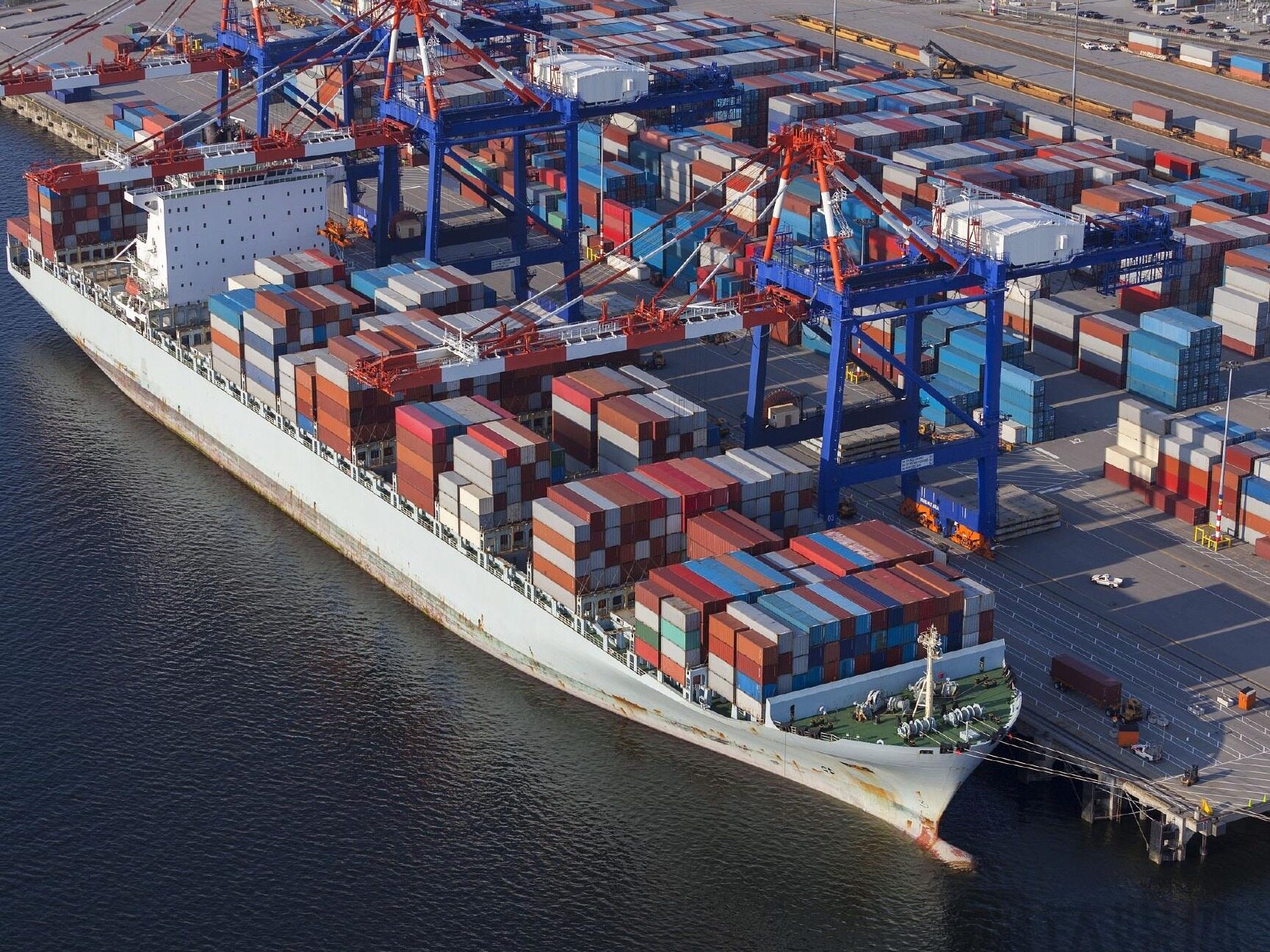
According to the plan, Nansha Phase V will construct 4 berths for 200000 ton container ships and 15 berths for 5000 ton barges, with an annual designed throughput capacity of up to 6.7 million TEUs. After its completion in 2028, Nansha Port Area will have 24 deep-water container berths with a shoreline of over 9000 meters, capable of accommodating the world's largest container ships.
This hardware upgrade directly corresponds to the explosive growth of Guangzhou Port's throughput: by 2025, Guangzhou Port will achieve a cargo throughput of 699 million tons and a container throughput of 28.05 million TEUs, ranking fifth and sixth in the world.
What is even more milestone is that the proportion of foreign trade containers in Guangzhou Port has exceeded 50% for the first time, marking a historic leap for Guangzhou Port to completely bid farewell to the era of single leg domestic trade and achieve equal emphasis on domestic and foreign trade.
Sea rail intermodal transportation solves diversion anxiety
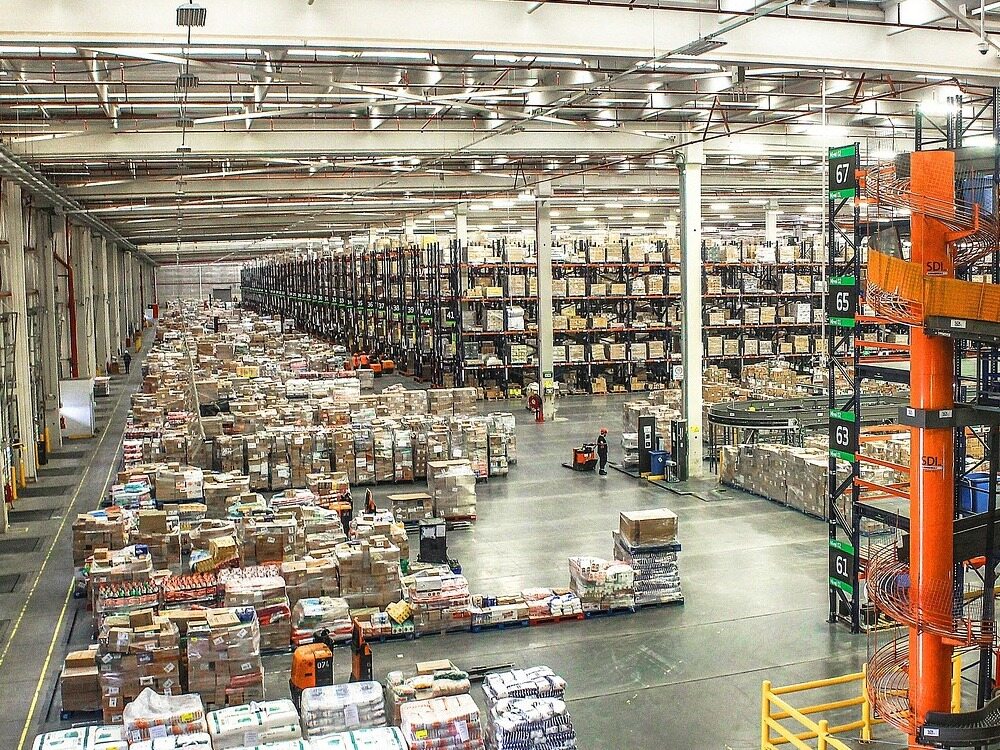
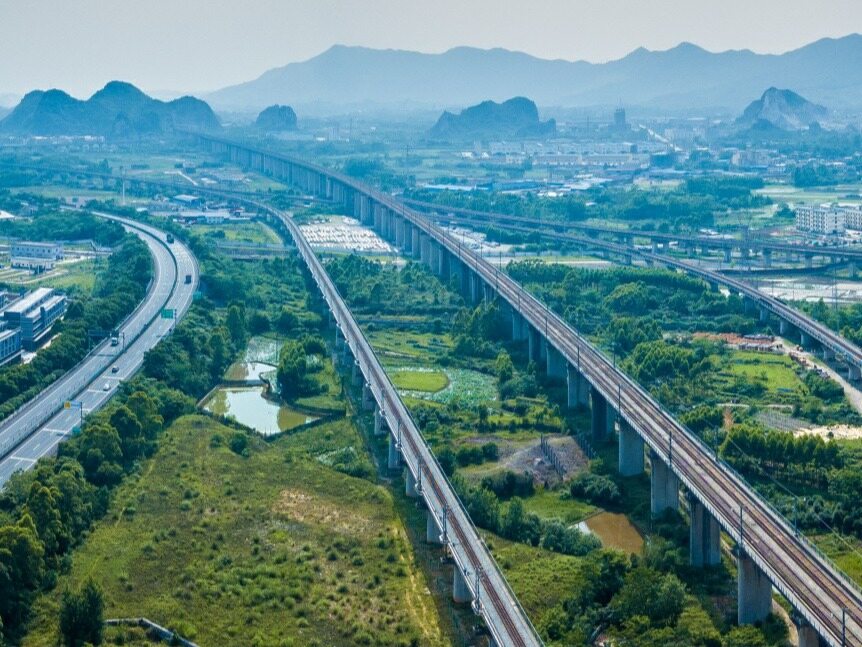
The true ambition of the fifth phase project is not just about the dock, but about the deep embedding of the logistics backbone network. The project has reserved an automated connection channel with the Nansha Port railway, which will enable containers to be loaded onto trains immediately after being put into operation. The sea rail intermodal capacity is expected to soar to 2 to 3 million TEUs. Keywords: logistics, port construction
This is the key trump card for Guangzhou Port to hedge the pressure of Southeast Asian port diversion and lock in inland cargo sources. However, the challenges remain severe. The official announcement frankly stated that the competition and diversion of surrounding ports may lead to lower than expected cargo volume, and the construction of coastal ports has pushed up corporate debt levels, posing a risk of prolonging the return cycle. But with its multiple identities as a comprehensive port, including being the first in domestic trade, a hub for grain transit, and a hub for automobiles, Guangzhou Port is attempting to find a high-quality path of differentiated development in the competitive game of ports in the Greater Bay Area.Editor/Cheng Liting
Comment

 Praise
 Collect
 Comment

 Share
Share


Write something~