 Search


- The centralized suspension of Saudi NEOM's billion dollar contracts appears to be a project adjustment, but in reality it is a strategic
- In March 2026, Saudi Arabia intensively terminated contracts for multiple core projects such as Trojena and The Line, sending a clear
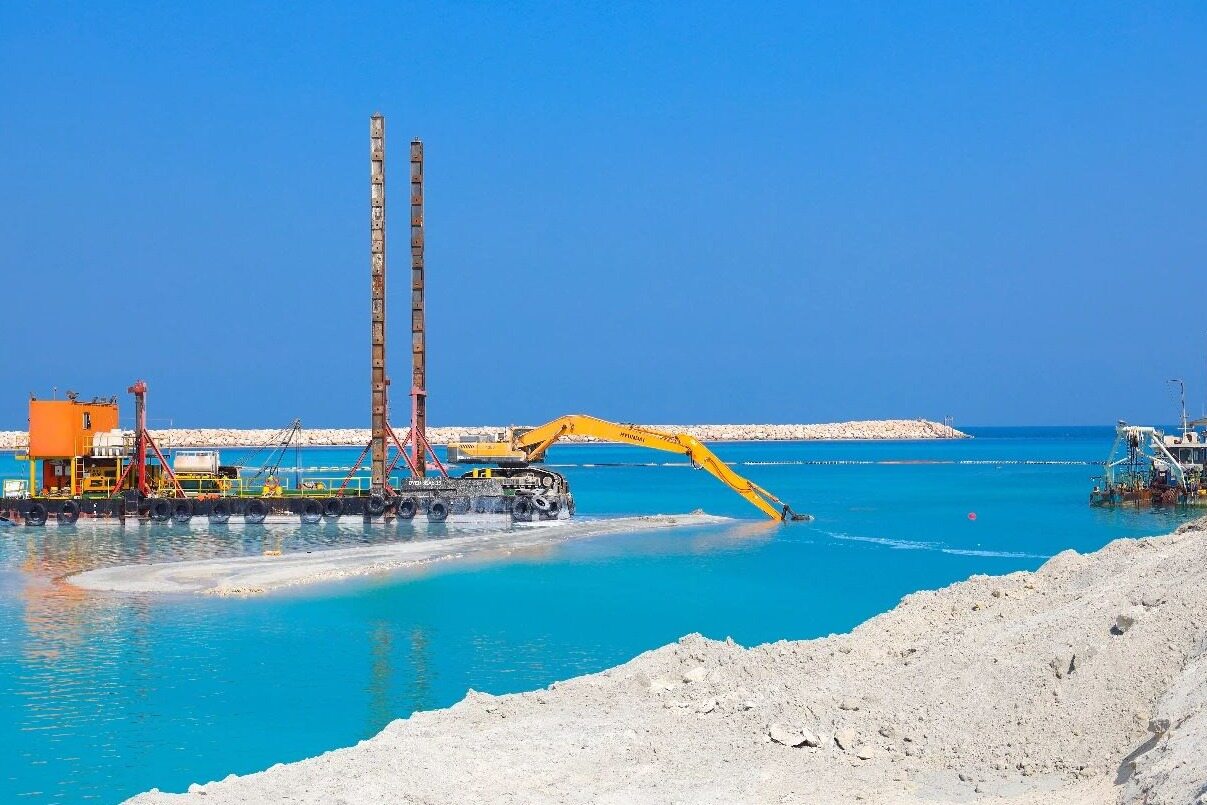
In March 2026, a news caused a shock in the Middle East construction circle - multiple contracts for multi billion dollar projects in Saudi Arabia's NEOM New Future City were successively suspended or adjusted. From the steel structure project at Trojena Ski Village, to the tunnel construction at The Line, and even to the Moonlight Desalination Plant, the dense termination announcements have led to speculation from the outside world that this highly anticipated 'future city' is about to be abandoned? However, upon closer examination of the events, it was found that this was not a sudden collapse, but rather an active "brake" that was stepped on.
List of changes in the three core projects
It is reported that the recently affected NEOM projects are mainly concentrated in the two core areas of "The Line" linear city and "Trojena" mountain resort. Specifically, let's take a look:
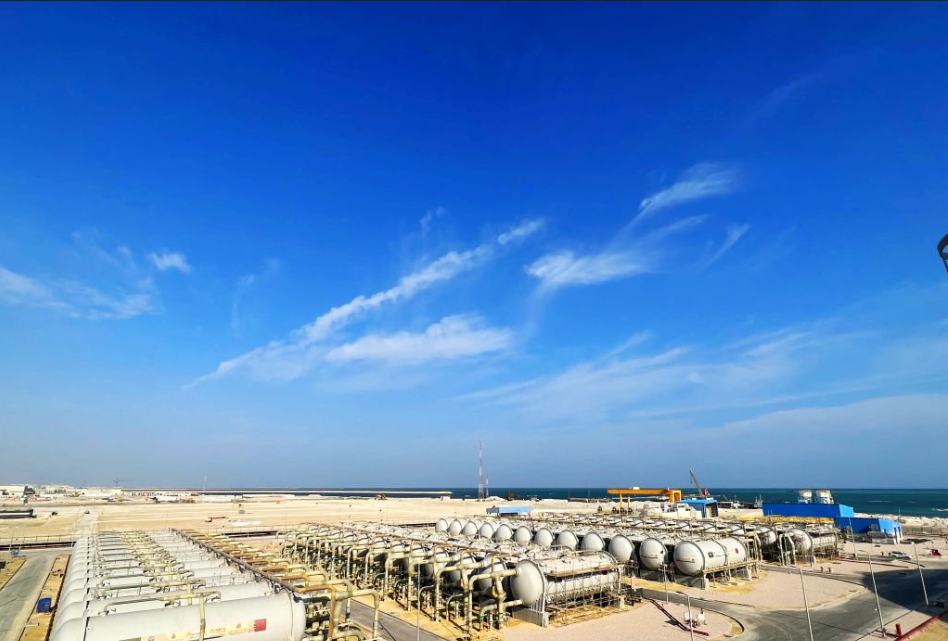
On March 30, 2026, it was disclosed that the Moonlight seawater desalination plant project involves a designed production capacity of 150000 cubic meters per day, with participating companies including CMEC, Alfanar, Abengo, Wetico, Orascom, VA Tech Wabag, etc. The contract amount was not disclosed.
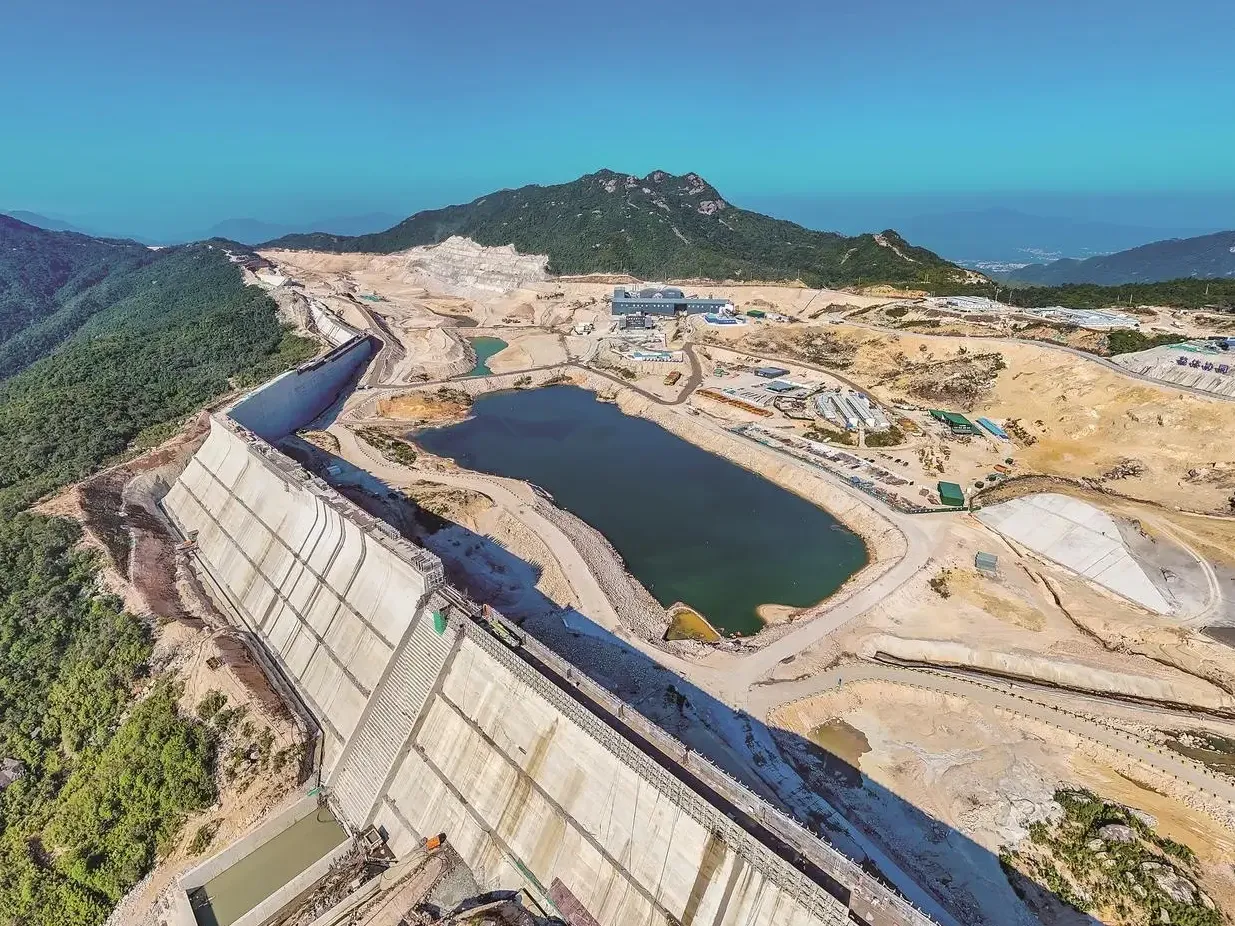
On March 26, 2026, the Trojena Dam and "The Bow" construction project, which includes three dams and ancillary building works, was halted. The project was constructed by the Italian Webuild Group with a contract value of approximately 2.8 billion euros (approximately 3.2 billion US dollars). On the same day, the Trojena Ski Village steel structure project was also terminated. The steel structure project was undertaken by Malaysia's Eversendai company and amounted to approximately 1.34 billion US dollars.
On March 16, 2026, there was a contract change for The Line tunnel project, which is a high-speed passenger and freight railway tunnel. The project is participated by a consortium of Hyundai Engineering, Akiloton, Samsung C&T, China Construction+FCC+Sajco, and the contract change amount is about 1 billion US dollars.
shifting from idealism to pragmatism
On the surface, it appears to be a contract intensive termination, but behind it is actually a proactive "vision calibration" and "strategic review" by the Saudi government. Several deep logics are worth paying attention to:
Firstly, the pressure of fiscal liquidity is forcing the ranking. Although Saudi Arabia's sovereign wealth fund PIF has strong financial resources, the simultaneous promotion of multiple billion dollar super projects has resulted in astonishing consumption of cash flow. In July 2025, Saudi Arabia officially launched a "strategic review", sending a clear signal that in the context of increased volatility in oil revenues and comprehensive diversification of investments, priority adjustments must be made to address the reality of tight liquidity.
Secondly, resources are tilting towards more urgent tracks. Compared to The Line, which has a long construction period, extremely high technical difficulty, and a strong "science fiction color", the supporting infrastructure for international events such as the 2030 Riyadh World Expo and the 2034 FIFA World Cup, as well as livelihood projects such as housing, healthcare, and education, have been placed in the "first tier" of budget allocation due to their ability to quickly realize social benefits and international influence.
Thirdly, shift from "idealism" to "pragmatism". The most iconic change is that the first phase of The Line project has been significantly reduced from the originally planned ultra long distance to only 2.4 kilometers by 2030. This reflects the Saudi government's clear understanding of the actual difficulty of project implementation and the input-output ratio. NEOM's positioning is also quietly adjusting - no longer fixated on the gimmick of "super engineering", but transforming towards a more commercially viable "industrial and AI data center hub".
A gradual accumulation process
Contract cancellation is not a sudden event in early 2026, but a gradual accumulation and eventual manifestation process.
Incubation period (2024-2025 first half): In May 2024, Enowa, a subsidiary of NEOM, cancelled the Oxagon seawater desalination project, which can be seen as the first clear signal of contraction. Within 2025, the delayed award of the Moonlight seawater desalination project has further exposed the cautious attitude of the decision-making level.
Explosive period (second half of 2025 early 2026): The "strategic review" in July 2025 became a watershed. At the end of 2025, contracts for modern construction and other enterprises will be officially cancelled. In March 2026, notices of contract termination for large contractors such as Webuild and Eversendai were released intensively, forming a concentrated outbreak trend. At present, it can be judged that the Saudi government has completed internal priority sorting and is in the execution stage of cleaning up "non core projects" or "projects with serious progress delays".
Risk identification, cash flow expectations, and track turning
In the past few years, many Chinese companies' judgment of the Saudi market has been limited to the three words' not lacking in money '. Although these government backed projects have high execution thresholds, they are still considered high-quality targets in the eyes of top enterprises. However, this wave of contract cancellations sends a clear signal that even signed projects are not "iron rice bowls".
Firstly, risk identification needs to be more precise. It is not just about whether the project has been signed, but also about evaluating its "centrality" in Saudi Arabia's overall strategy. Projects that are weakly related to the 2030 vision or have overly advanced technological routes have significantly lower risk resistance capabilities.
Secondly, cash flow expectations should be more conservative. For public utility projects that rely on PIF funding support, contingency plans must be prepared for payment delays, scale reductions, or even cancellations midway.
Thirdly, actively shift towards a new policy dividend track. In the short to medium term, the focus of Saudi Arabia's infrastructure market will significantly shift: firstly, sports venues and transportation infrastructure related to World Expo and World Cup; Secondly, in the areas of housing, healthcare, education, and other livelihood sectors; The third is emerging tracks such as AI infrastructure.
For enterprises with flexible and anti fragile operating systems, and the ability to keenly capture policy trends, this round of "reshuffling" is precisely a good opportunity to enter or increase positions. The "good" and "bad" of the market are never static - seeing the opportunities behind Saudi Arabia's vision calibration without blindly following it, facing the risk of contract termination without fear, and balancing policy dividends and risk exposure in strategic layout are essential courses for every Chinese enterprise deeply rooted in the Middle East. (This article is from the official website of Jian Dao www.seetao.com. Reproduction without permission is prohibited, otherwise it will be prosecuted. Please indicate Jian Dao website+original link when reprinting.) Jian Dao website Southeast Asia column editor/Yang Beihua
Comment


 Praise
 Collect
 Comment

 Share
Share


Write something~