 Search


- When one side has no bottom line, no one knows where the boundaries of war lie.
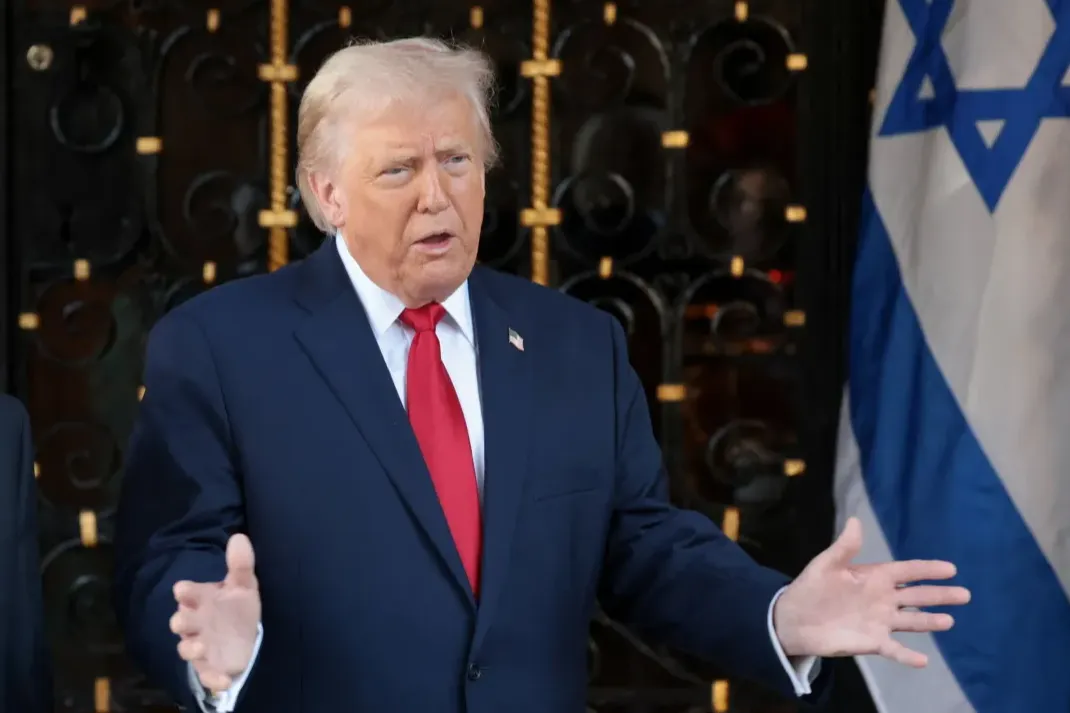
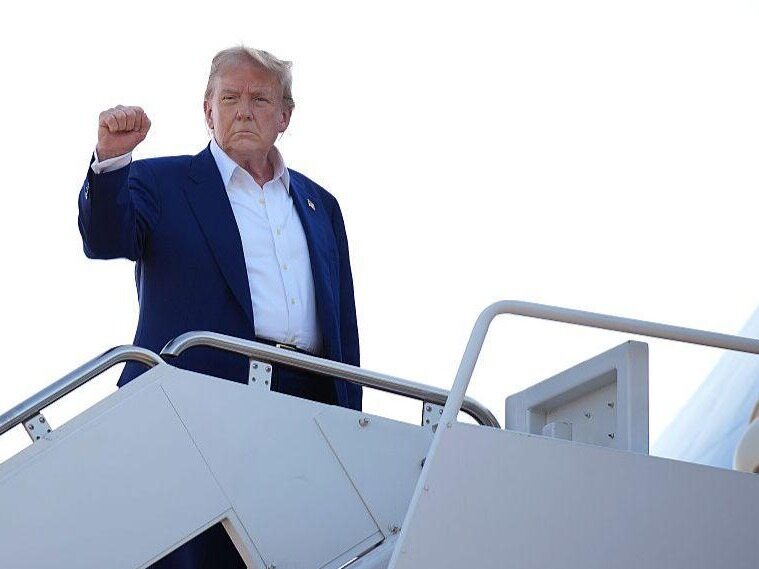
The US president's stance on Iran has been so erratic in recent weeks that it has astonished analysts. From declaring that the US has "won" the war, to threatening to "wipe Iran off the map," to posting vulgar and offensive messages on Truth Social—Trump's position seems to depend solely on his mood at any given moment.
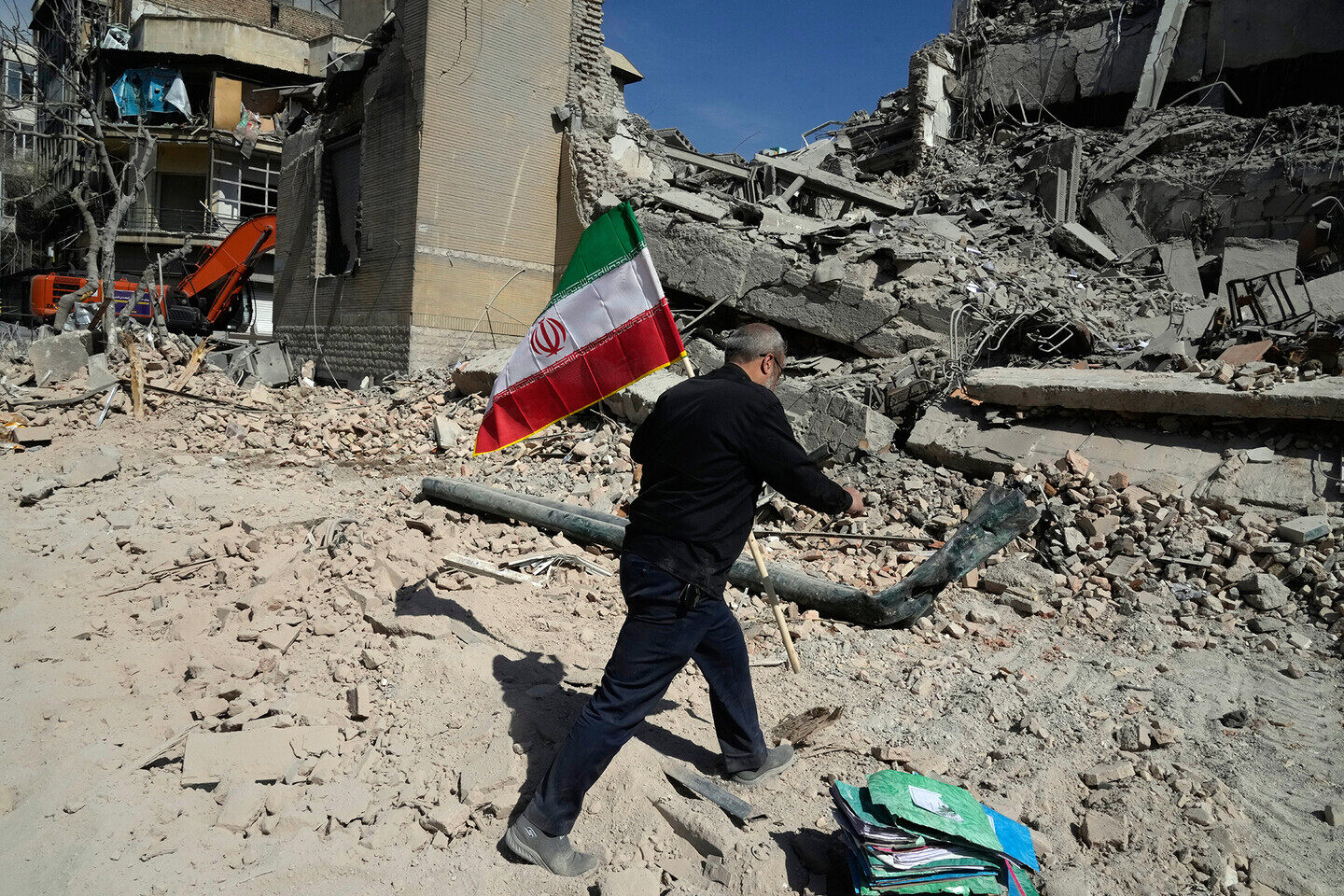
Iranian Foreign Ministry spokesman Esmail Bagheei succinctly captured the essence of this chaotic situation: "Negotiations cannot coexist with ultimatums, much less with threats of crime and war crimes."
The Repeatedly Delayed "Final" Deadlines
Trump's erratic behavior on Iran is most evident in his handling of so-called "deadlines."
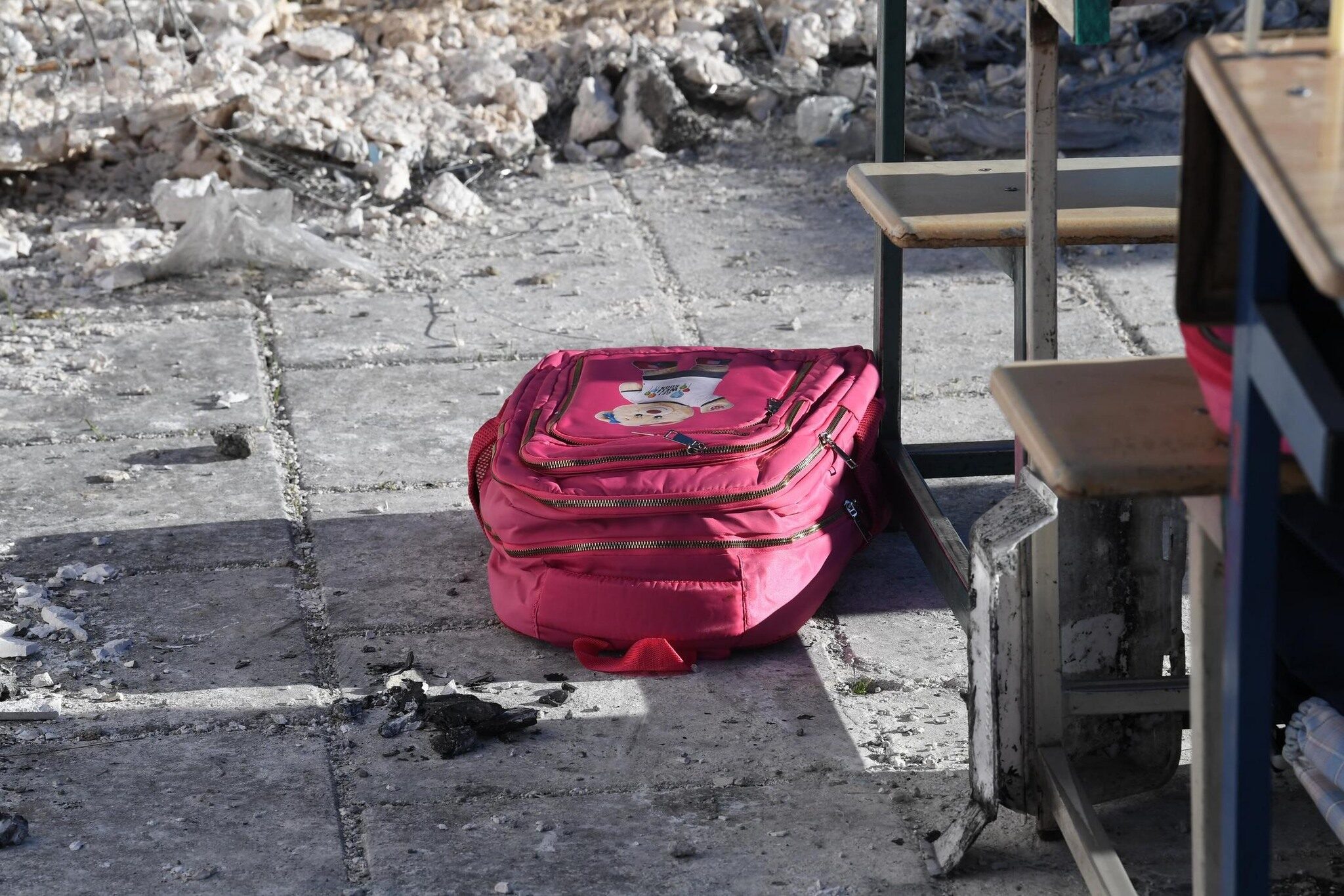
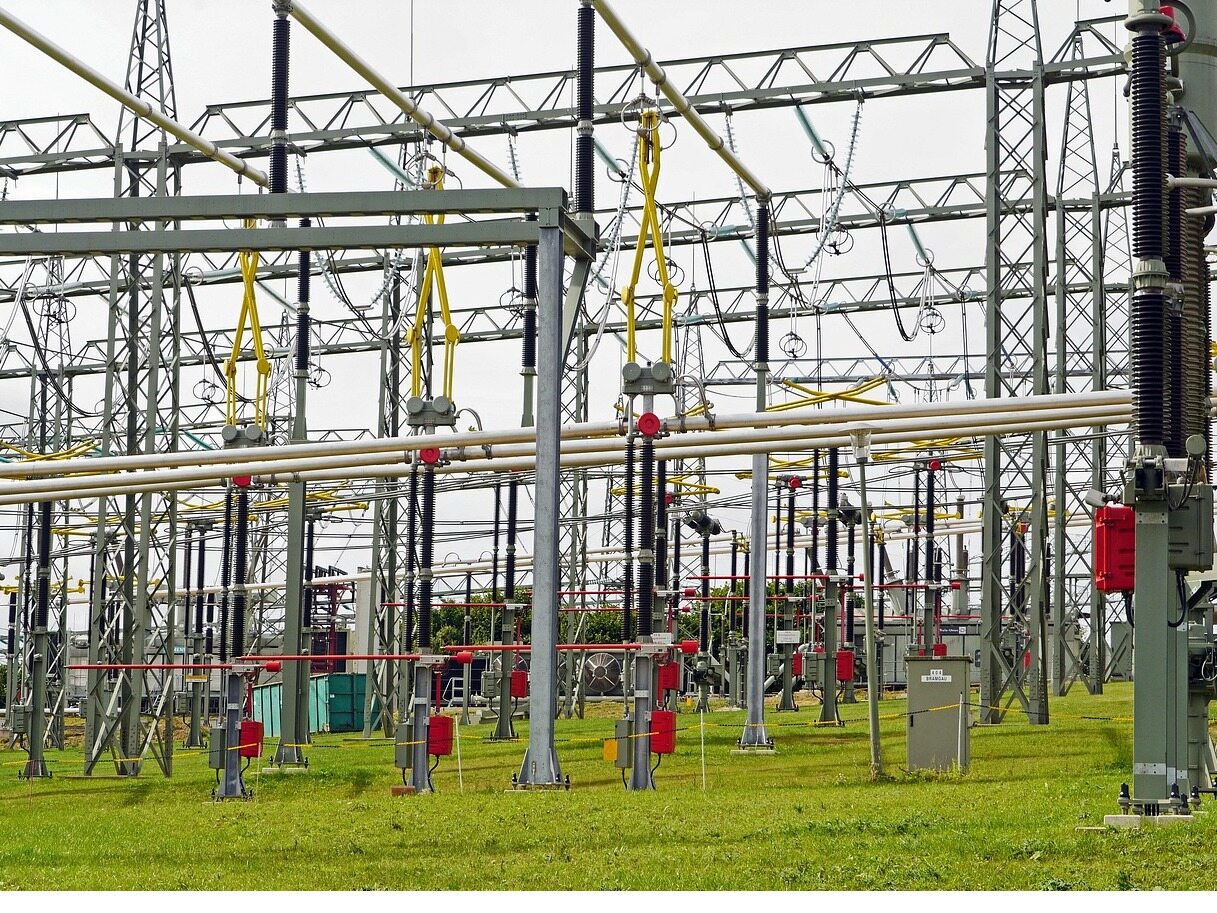
After the outbreak of war, Trump first issued a 48-hour ultimatum demanding that Iran reopen the Strait of Hormuz, or he would destroy its energy infrastructure. He then announced a five-day "pause" in the strikes, claiming that he was having "very good and productive dialogue" with Iran. A few days later, he claimed that at the request of the Iranian government, the deadline for destroying Iranian energy facilities would be "postponed for another 10 days"—a claim categorically denied by Iran.
Thus, Trump himself repeatedly overturned the "final deadlines" he set. Each postponement had a different reason, but the only common thread was that none of them were truly the end. When he again declared that 8 a.m. on Tuesday would be the "real final moment," few believed him. A U.S. official privately confided to a colleague that the White House was predicting, "In another 24 hours, he'll find another reason to postpone."
From "Victory" to "Pray to God": A Storm of Words
Trump's rhetoric continued to slide to new lows. On March 22, he claimed that the U.S. had "wiped Iran off the map," achieving the goal a week earlier. The following day, he changed his tune, saying that "Iran is much stronger than it was a month ago," only now it had been "decapitated."
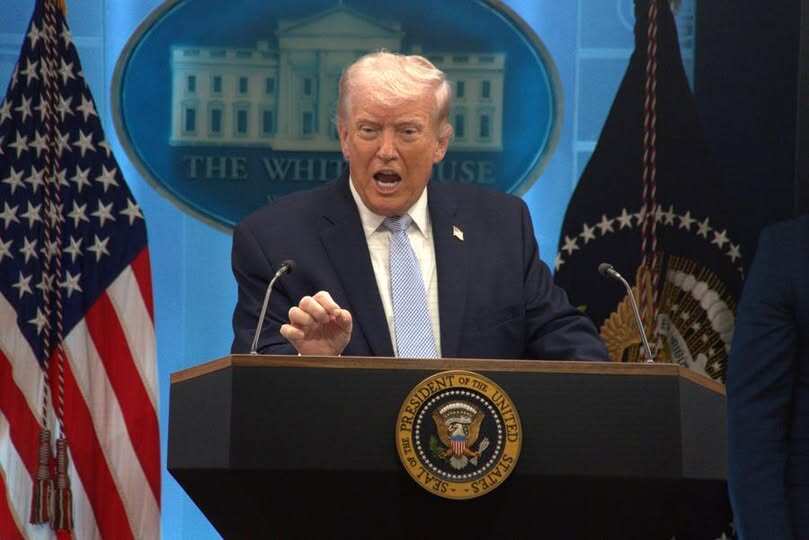
On April 5th, Trump posted a crudely worded message on Truth Social, using numerous profanities and unexpectedly ending with "Praise be to God." In the post, he declared Tuesday "Iran's Power Plant Day and Bridge Day." The same day, in an interview with Fox News, he said there was a "very good chance" of reaching an agreement. The alternation between threats and reconciliation within 24 hours left everyone bewildered.
Even more perplexing was Trump's simultaneous threats to "blow everything up and take over the oil" and his statement that Iran's ceasefire proposal was "a major step," just "not good enough." He even suggested that the US might help Iran rebuild if an agreement was reached.
Iran clearly no longer took Trump's threats seriously.
General Ali Abdollahhi Ariabadi of Iran's Central Military Command called Trump's rhetoric "desperate, tense, unbalanced, and foolish," warning that "the gates of hell will be opened for the President of the United States."
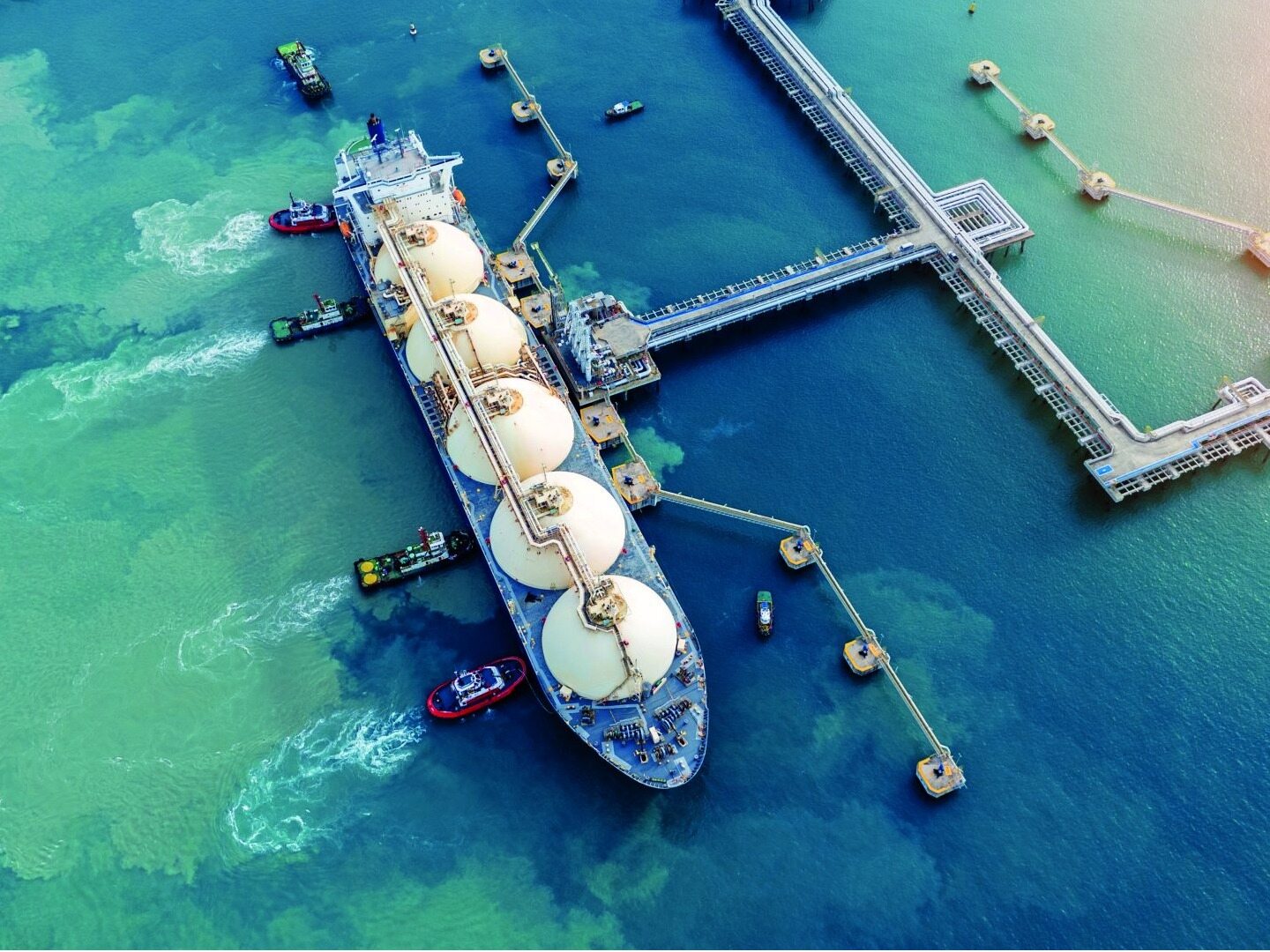
The Islamic Revolutionary Guard Corps Navy announced on Monday that the Strait of Hormuz "will never return to its former state," especially for the United States and Israel. Iranian Parliament Speaker Mohammad-Bajir Ghalibaf warned on the X platform that Trump's "reckless actions" would drag the United States into a "living hell" and cause "the entire region to burn."
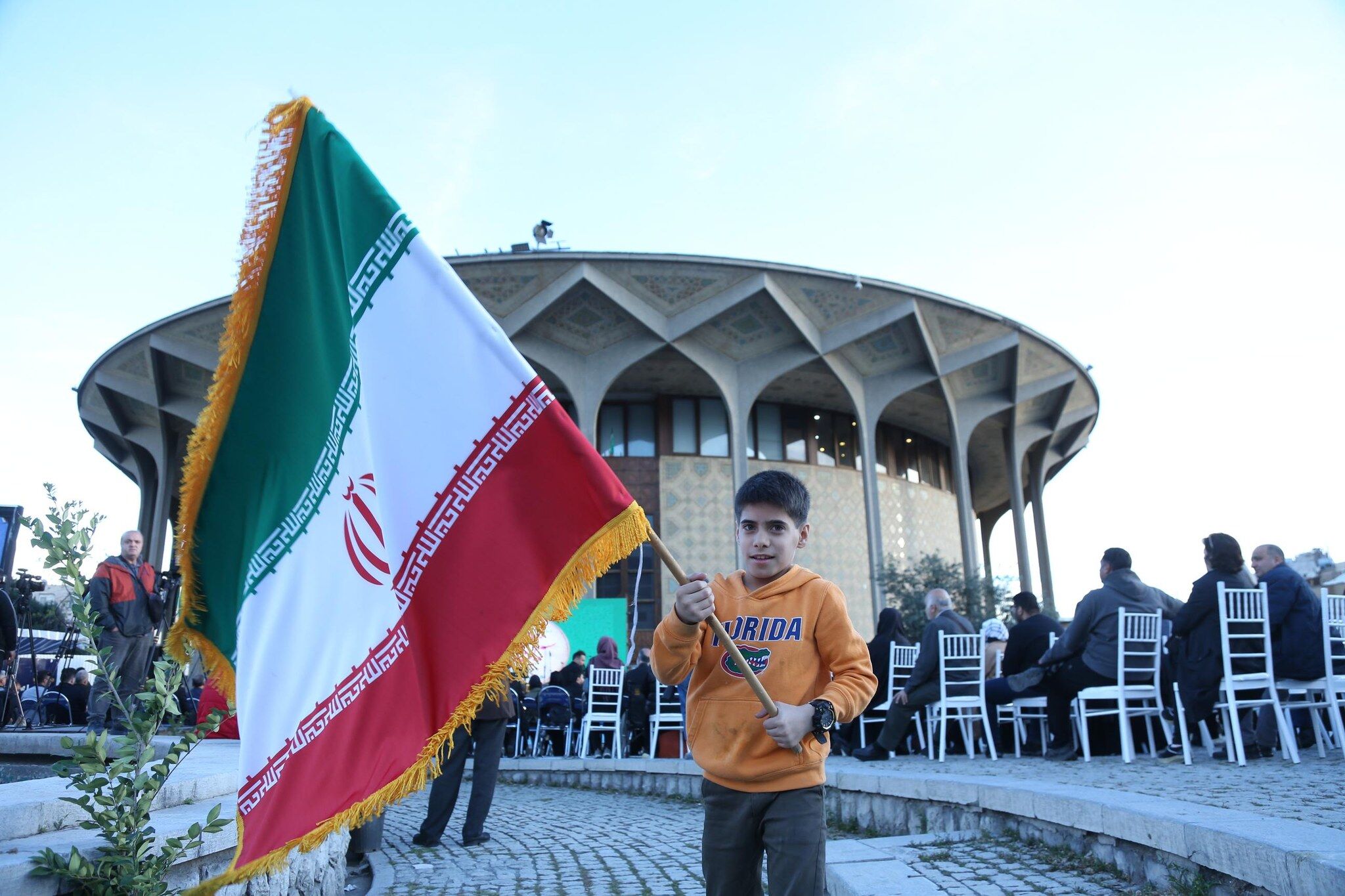
Iran's Foreign Minister, through Pakistani channels, submitted a 10-point proposal to the United States, demanding a permanent end to the war, the lifting of sanctions, and guarantees for reconstruction, rather than the temporary ceasefire sought by Trump. "The Iranians are not prepared to easily yield to the White House's demands; they seek a clear end to the war, the lifting of sanctions, and funding to rebuild damaged infrastructure," wrote José Torres, senior economist at Interactive Brokers.
Domestic Pressure and Warnings from Allies
Behind Trump's erratic behavior lies increasing domestic political pressure.
Polls show that a majority of Americans oppose military action against Iran, with approval ratings around 39%. Trump is extremely frustrated by this, accusing the media of "unfair" reporting on the war and even considering a cabinet reshuffle to cope with the pressure of war.
In Congress, members of both parties issued a rare joint warning. Marjory Taylor-Green, a former Trump ally, published a lengthy article on the X platform, calling Trump "crazy." Senate Minority Leader Chuck Schumer described Trump's rhetoric as sounding like a "mentally deranged madman," and his behavior as "not reflecting American values." Bets on invoking the 25th Amendment to impeach Trump are rising in the market.
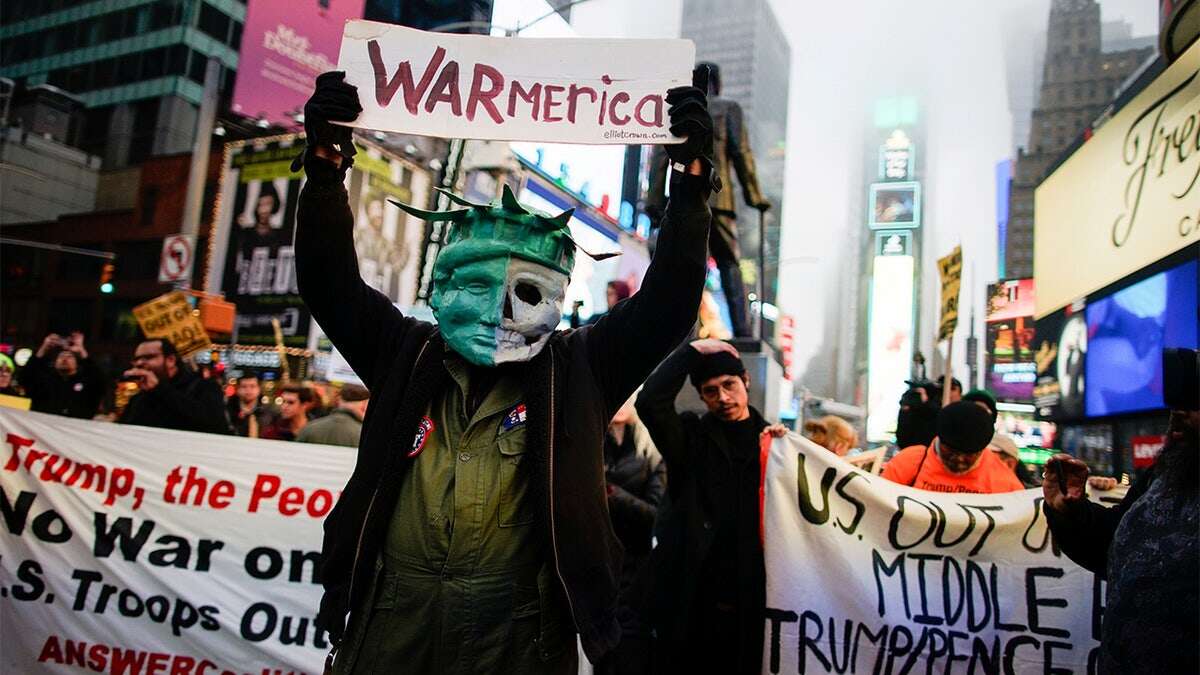
Israel is escalating its actions. On Monday, the Israeli military announced the completion of a new round of airstrikes on Tehran, killing a Revolutionary Guard intelligence chief. However, even Israel's actions are creating trouble for Trump—US policy in the Middle East is being dragged down step by step by its allies.
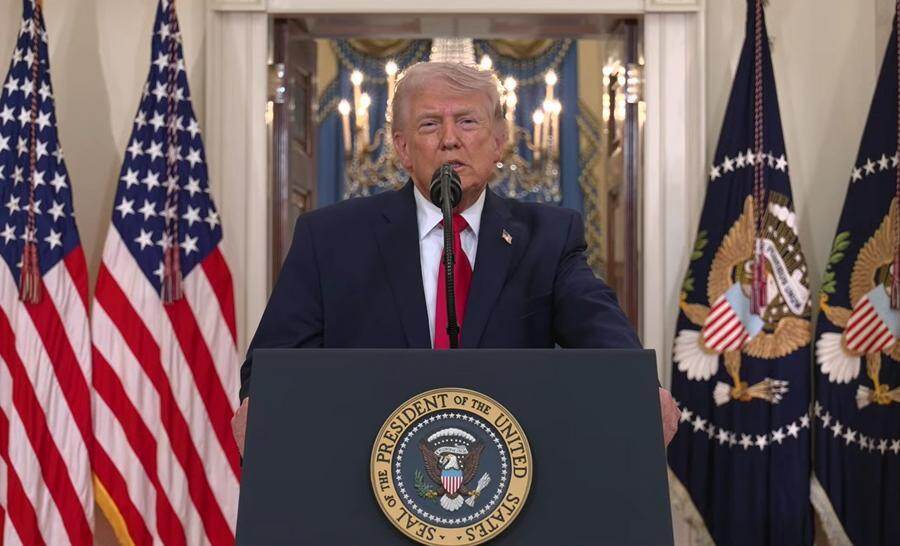
Meanwhile, regional allies are also putting pressure on Washington. Gulf states warned that striking Iran's civilian infrastructure could lead to the country's collapse and trigger wider regional chaos. High oil prices have already put global economic nerves on edge—Brent crude hit a conflict-high of $115.48 per barrel during trading.
Trump's erratic behavior has the world wondering: does this US president have a real bottom line? After repeated probing and waiting, Tehran officials finally reached a sober conclusion: no matter what concessions they made, Trump could change his mind at any time; and no matter what demands they rejected, Trump could find a way to back down at the last minute.
This is perhaps the most unsettling truth in the current US-Iran standoff—when one side has no bottom line, no one knows where the boundaries of war lie.Editor/Cao Tianyi
Comment


 Praise
 Collect
 Comment

 Share
Share


Write something~