 Search


- The Silk Road breaks down cultural barriers and provides a historical foundation for the the Belt and Road Initiative
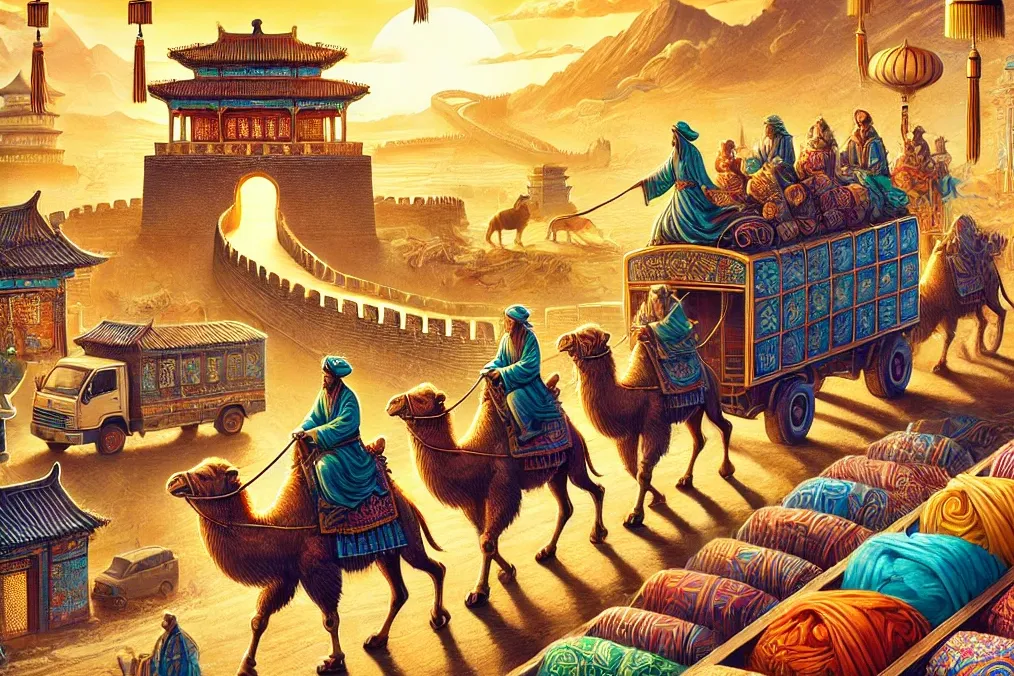
The Silk Road, as a civilization corridor spanning the Eurasian continent, carried thousands of years of commercial exchanges and cultural integration between the East and the West. This passage began with Zhang Qian's pioneering mission to the Western Regions during the Han Dynasty, and after hundreds of years of rise and fall, it was not until the Yuan Dynasty that the entire route was truly connected, becoming the busiest intercontinental commercial artery in the world at that time.
Genghis Khan and his descendants' journey to the west, behind the military expansion of their territories, completely broke down the separatist barriers along the Silk Road, reconstructed the trade network, and wrote a brilliant chapter in ancient East West exchanges, laying a profound foundation for today's global trade connectivity.
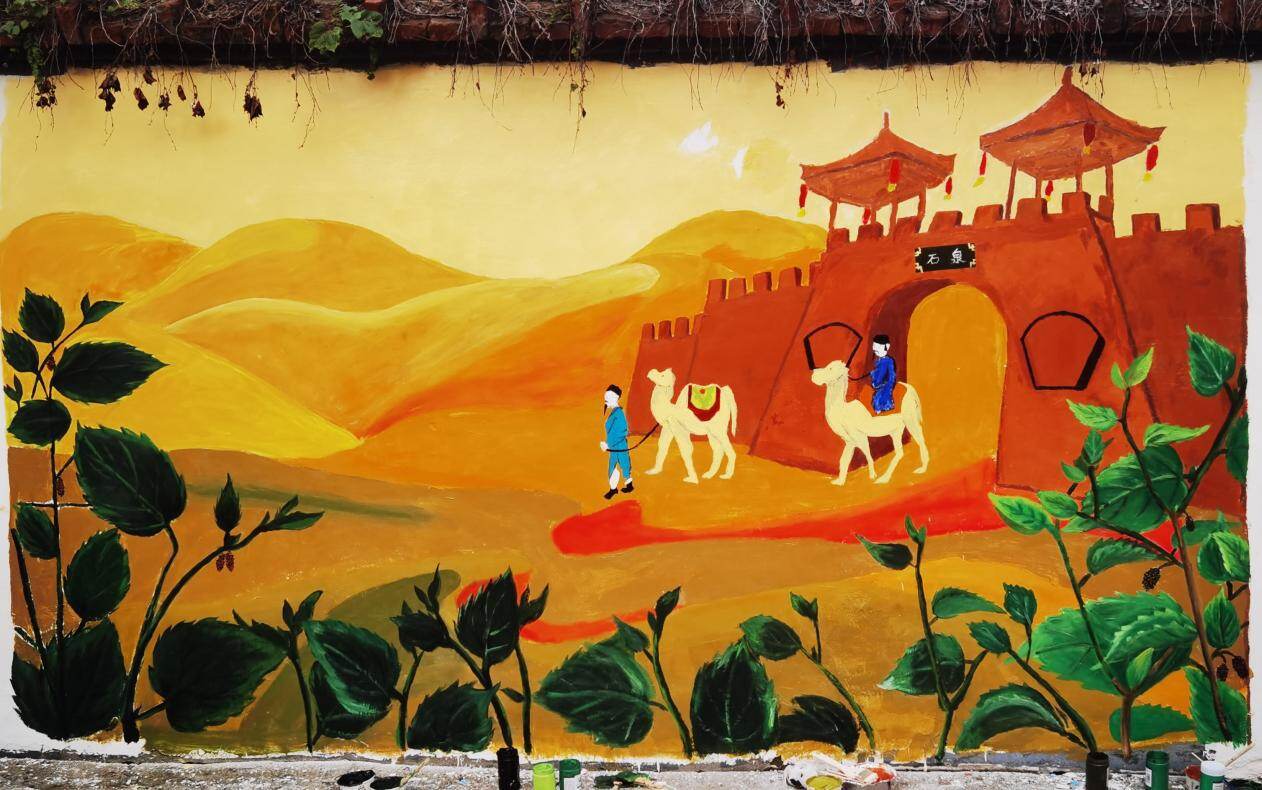
The Han Dynasty opened up the budding of the Silk Road by chiseling holes
The Han Dynasty was the initial stage of the Silk Road. During the reign of Emperor Wu of Han, Zhang Qian was twice ordered to travel to the Western Regions, crossing the Hexi Corridor and covering various Central Asian countries, thus opening up the road from the Central Plains to the Western Regions for the first time. This land route, starting from Chang'an, passing through Gansu and Xinjiang, reaching Central Asia and West Asia, and ultimately connecting Mediterranean countries, began to take shape from then on. The Western Han Dynasty established the Western Regions Protectorate to ensure the safety of trade routes. Silk, porcelain, lacquerware, and other Central Plains products were transported westward, while grapes, alfalfa, sweat and blood BMW, spices, and other products from the Western Regions were also introduced to the East.
However, limited by the territory of the dynasty and the separatist forces in the surrounding areas, the Silk Road at this time had a limited range of passage, with numerous checkpoints and rampant banditry along the way. It had not yet formed a coherent and smooth trade system, but rather a combination of dynastic diplomacy and sporadic commerce.
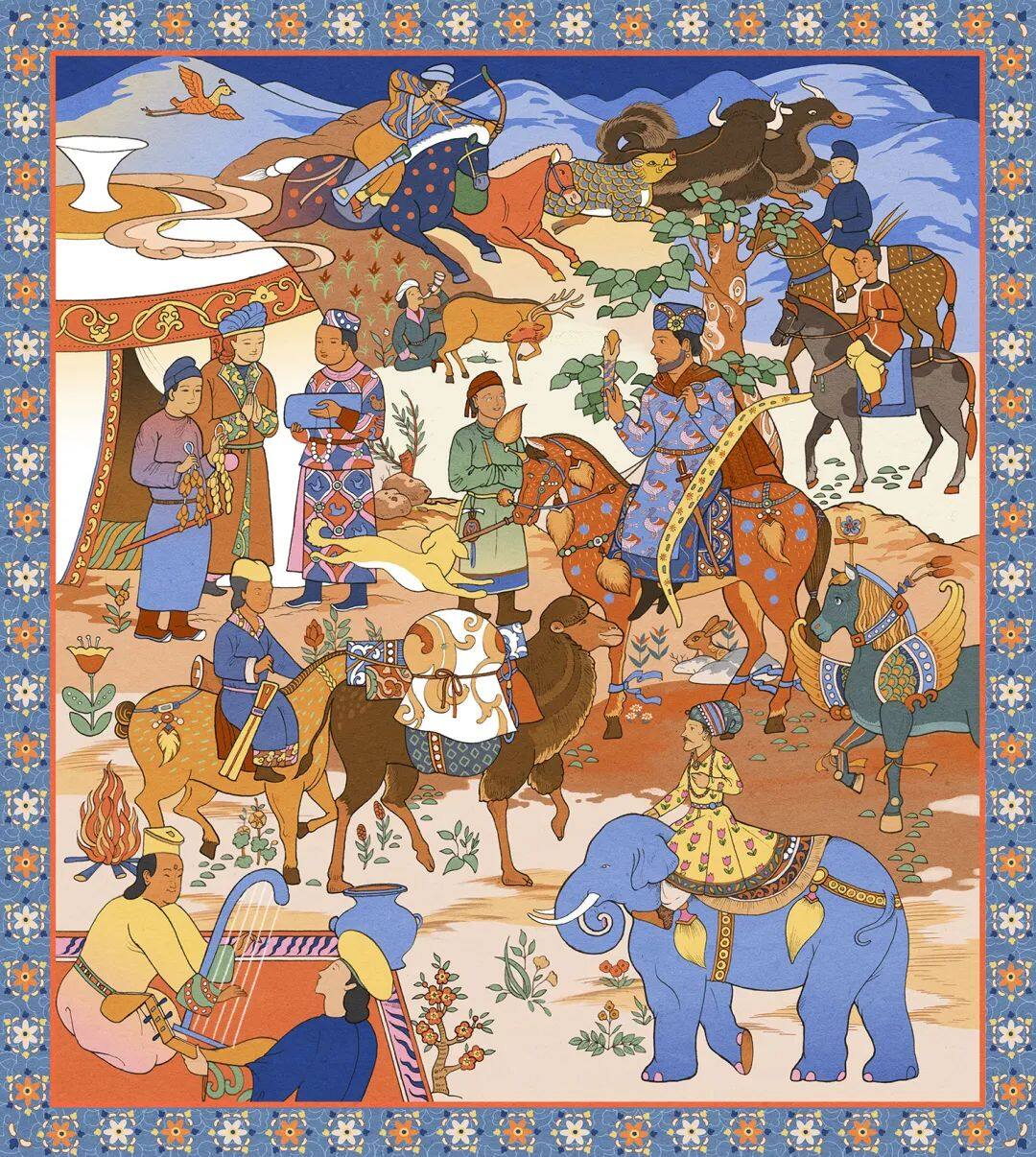
Mongol Yuan's Western Expedition Clears Silk Road Obstacles
From the Wei, Jin, Southern and Northern Dynasties to the Sui and Tang Dynasties, the Silk Road developed through twists and turns. When the Sui and Tang dynasties were strong, the Silk Road experienced its first prosperity, and Chang'an became an international metropolis. However, after the An Lushan Rebellion, the control of the Central Plains dynasties over the Western Regions weakened, and the overland Silk Road was repeatedly interrupted. Until the rise of Genghis Khan in the 13th century, the fate of the Silk Road underwent a fundamental turning point.
Previously, regimes such as the Khwarezm in Central Asia held their own territories and imposed heavy taxes on business travelers, making it difficult for them to travel between the East and the West. Genghis Khan and his descendants led the Mongol cavalry to launch three expeditions to the west, sweeping through Central Asia and West Asia, reaching as far as eastern Europe, and establishing the Mongol Empire that spanned Europe and Asia. This large-scale conquest objectively completely cleared the separatist barriers along the Silk Road, abolished the numerous checkpoints of various countries, and achieved global connectivity from East Asia to Europe. The relay station system implemented by the Mongol Empire spread throughout the entire Eurasian territory, providing accommodation, security, and convenient transportation for caravans. The issued plaques allowed merchants to travel freely within the empire.
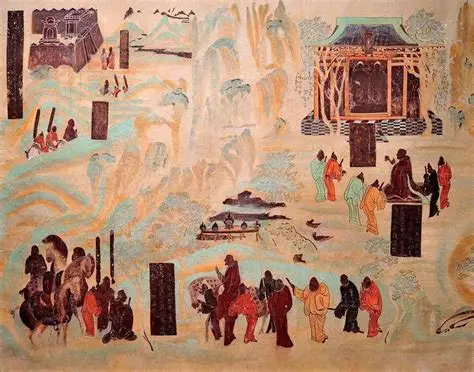
The flourishing of commerce and trade in the Yuan Dynasty laid the foundation for cultural exchange and mutual learning
The Silk Road of the Yuan Dynasty ushered in an unprecedented busy scene. The land-based Silk Road was integrated by the Mongol Empire, forming a parallel pattern of grassland Silk Road and oasis Silk Road. The caravans departing from the Yuan and Shang capitals carried silk, porcelain, tea, gunpowder, printing, and other Central Plains products westward, reaching Persia, Arabia, and even Europe; Western jewelry, spices, medicinal herbs, and astronomical instruments also traveled eastward along the Silk Road. Quanzhou Port and other maritime Silk Road ports are linked with the land Silk Road, forming a dual track trade network of land and sea. Keywords: Inheritance News Network, Silk Road
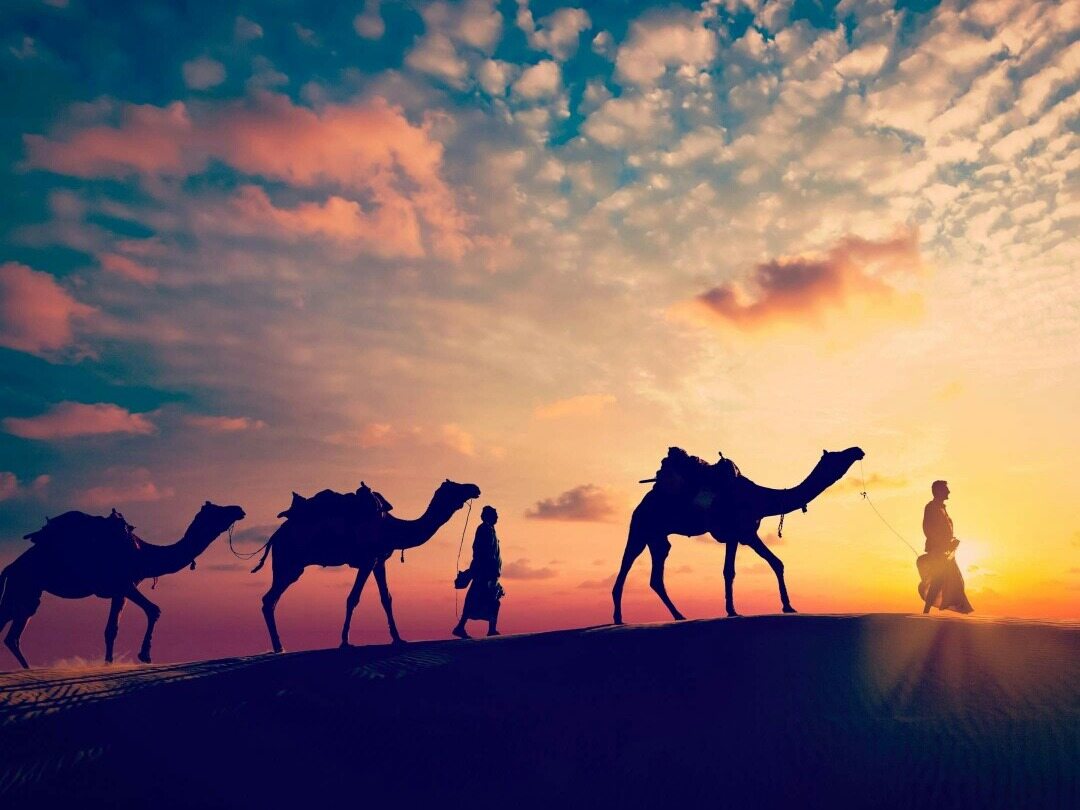
In Marco Polo's travelogue, it is recorded that at that time, the scale of Silk Road trade was far ahead of the times, and cities such as Quanzhou, Dunhuang, and Samarkand became the core hubs of Eurasian trade. The flourishing of the Silk Road, driven by the Mongol conquest, broke the isolation of various civilizations on the Eurasian continent, introduced advanced Eastern technology to the West, promoted social change in Europe, and also integrated Western culture into the East. A thousand years later, the the Belt and Road Initiative is just the inheritance and sublimation of the concept of the integration of trade and civilization on the ancient Silk Road. Modern China Europe trains are constantly shuttling, the former camel bell caravan has become a modern train and freighter, and the busy trade on the ancient Silk Road has reappeared on a larger scale in the new era.Editor/Gao Xue
Comment

 Praise
 Collect
 Comment

 Share
Share


Write something~