 Search


- Turpan has risen from a millennium old cultural hub to an open forefront of multicultural integration
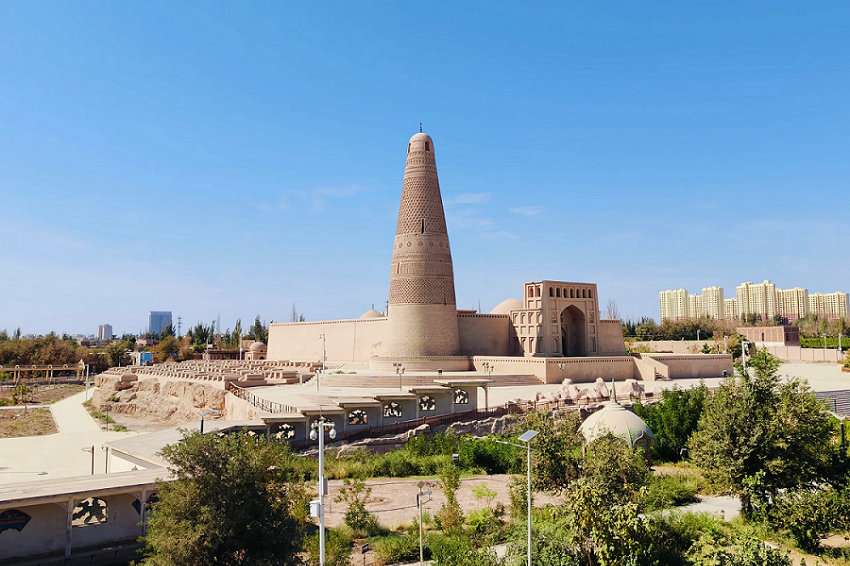
In the Turpan Basin in the hinterland of Eurasia, the red of Flaming Mountain and the yellow of Gobi are intertwined, outlining an extreme and extraordinary picture. This is not only the geographical 'Fire Island', but also a crossroads in the history of civilization. As a shining pearl on the ancient Silk Road, Turpan is transforming from a sleepy archaeological site to an open frontier with vitality under the the Belt and Road Initiative with its profound historical relics and genes of multi-cultural integration.
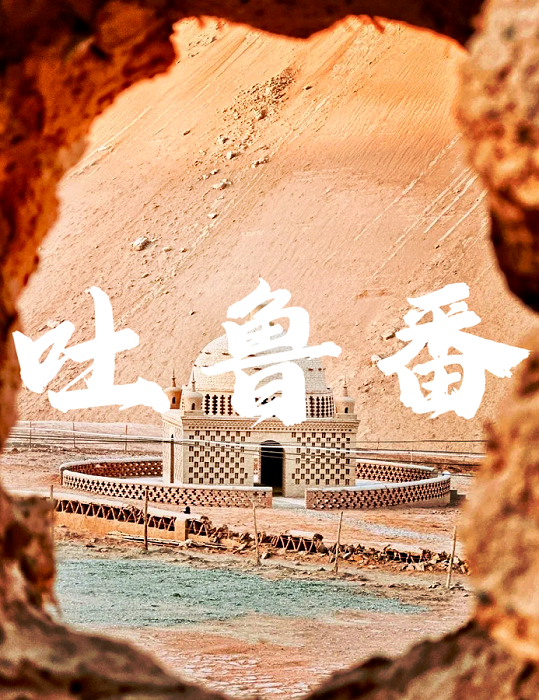
A historical monument with blood ties between the Central Plains and the Western Regions
Standing on the high platform of Jiaohe Ancient City, two ancient rivers embrace this willow leaf shaped primitive city like arms. As the world's largest, oldest, and best preserved city of primitive architecture, the regulations of Jiaohe Ancient City echo those of Chang'an City in the Tang Dynasty, silently telling the inseparable historical origins between the Central Plains and the Western Regions.
The strokes of history are clear and powerful: the establishment of the Western Regions Protectorate during the Western Han Dynasty marked the effective jurisdiction of the central government over the Xinjiang region; The establishment of Xizhou and Anxi Protectorate in the Tang Dynasty deeply rooted the foundation of the county system here. The epitaphs of Tang Dynasty officials Cheng Huan and Li Chonghui unearthed in recent years are like iron evidence, engraved with the historical imprint of the central government's governance of Xinjiang throughout history. Here, a document is not only an administrative instruction, but also a source of vitality for the sense of community of the Chinese nation.
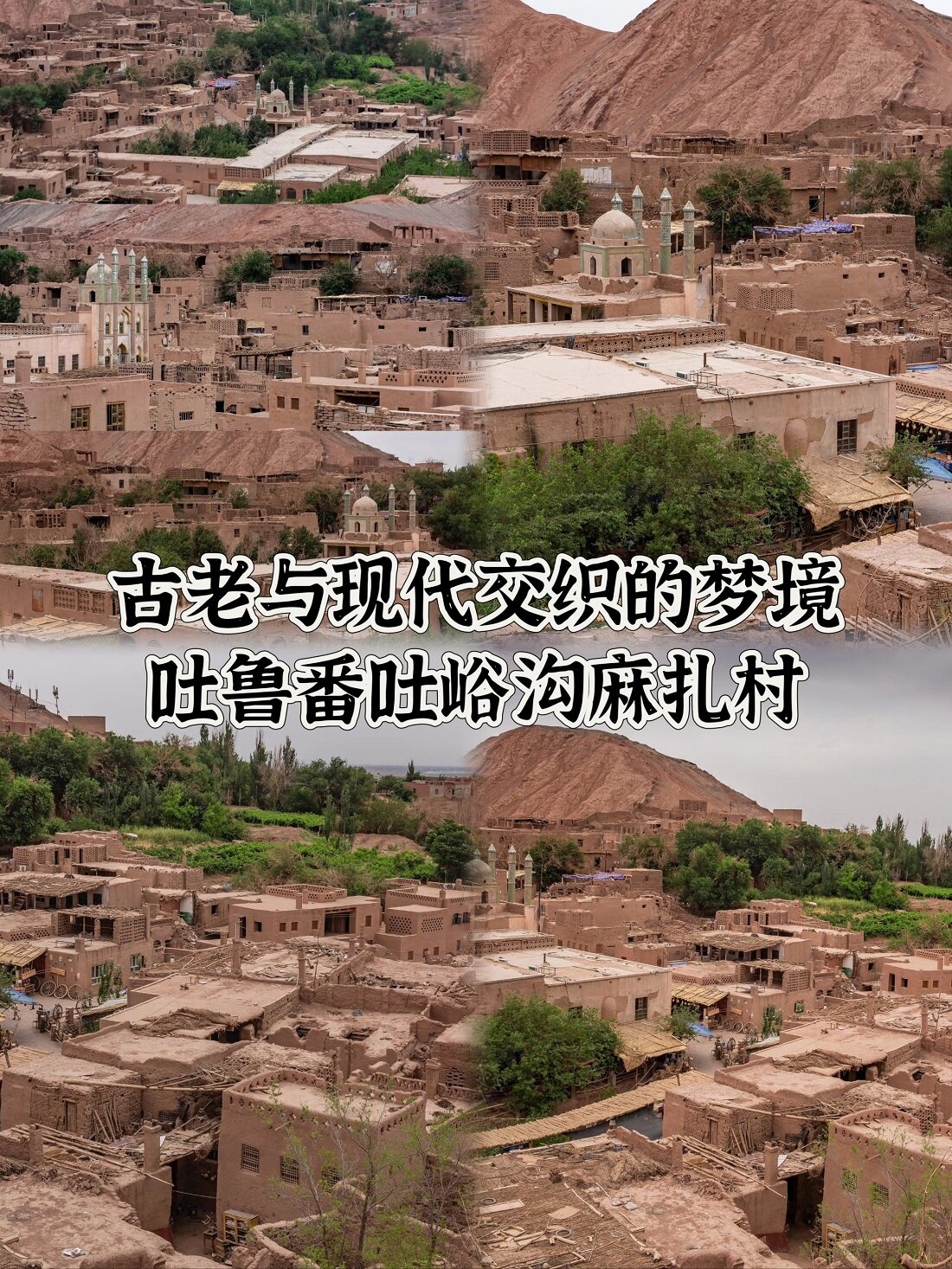
International Prominent Learning on the Integration of Multiculturalism
The charm of Turpan lies in its inclusive cultural mindset. 1491 immovable cultural relics, 7 popular religions, and 19 used scripts together constitute a rare open-air museum in the history of world civilization.
The fragments of the Analects copied by 12-year-old boy Bu Tianshou in the Astana ancient tomb group bear witness to the deep cultivation of Confucian culture in the Western Regions; The double-sided documents unearthed from the Nestorian temple on the west side record the dialogue between different civilizations; The monks from various countries standing side by side in the Thousand Buddha Caves of Baizikrik have captured the harmonious coexistence on the ancient Silk Road.
Nowadays, this dialogue is still ongoing. The 7th Turpan International Academic Symposium has brought together scholars from around the world. For over fifty years, German scholar Peter Zimmer has been steadfast, and young scholars have used technological means to reconstruct historical scenes, making "obscure and unique" an "international prominent" that connects the world. Turpan is no longer just a pile of cultural relics, but has become a key code for understanding and reading the inclusiveness and vastness of Chinese civilization.
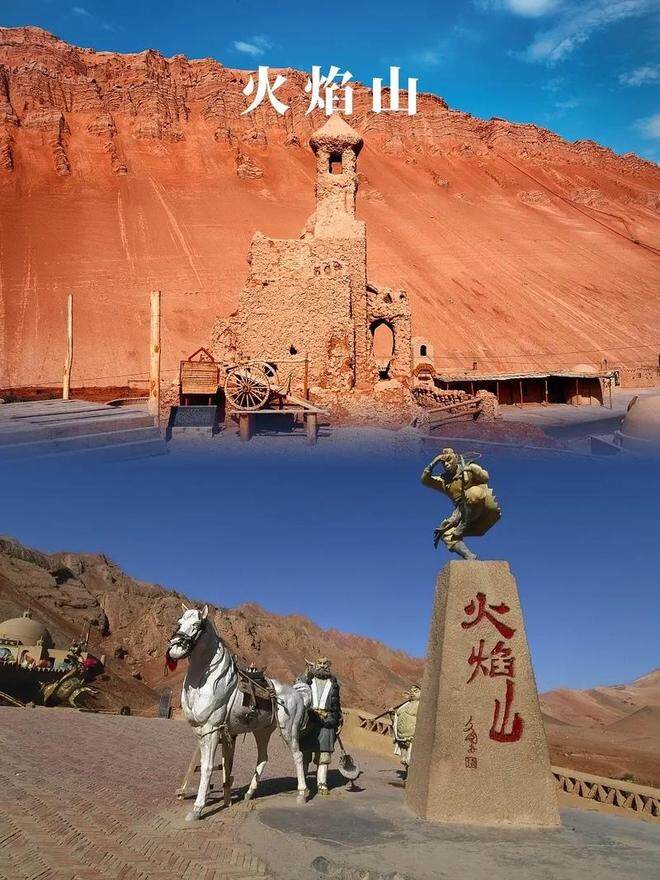
From ancient camel bells to green electric boiling
The millennium cultural heritage not only needs to be preserved, but also needs to be brought to life. During his inspection, General Secretary Xi Jinping emphasized the need to promote the integrated development of culture and tourism, and create industries that enrich the people. Today, Turpan is transforming the gift of history into a driving force for development.
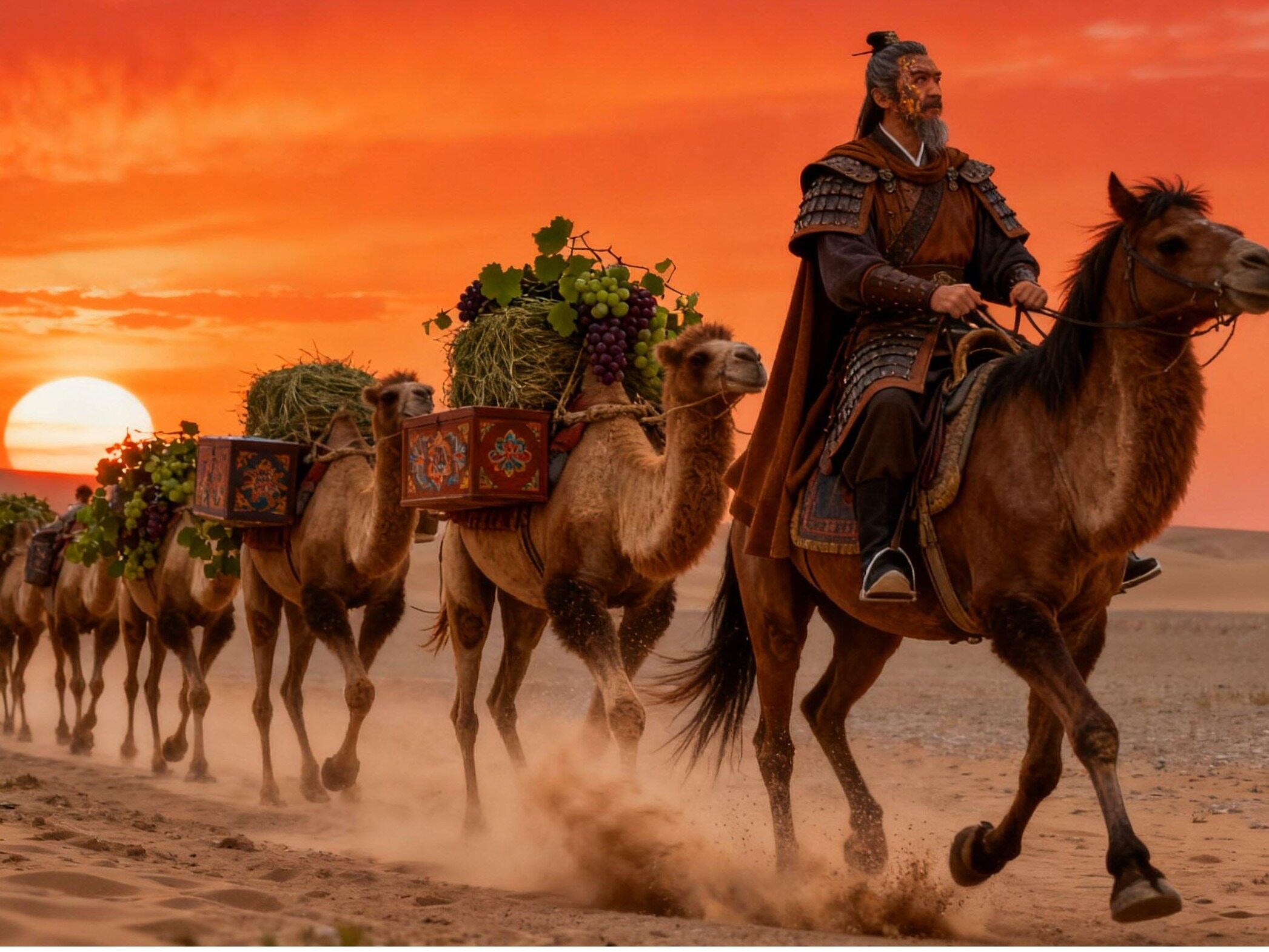
In Grape Valley, more than 550 grape varieties not only continue the legend of fragrant fruits and vegetables, but also turn the Tang Dynasty's "grape wine" into a golden business card of modern cultural and tourism integration through winery sightseeing and learning experiences. Beside the Karez Well, the ancient underground culvert is no longer just an irrigation tool, but its spirit of concerted efforts is inspiring the new generation of Turpan people.
What is even more remarkable is that the scorching heat of Huozhou is being transformed into a unique industrial advantage. The CCCC Flame Mountain Automotive Inspection and Testing Field has attracted more than 50 car companies from around the world to settle in, making high temperatures more precise and cutting-edge; On the Gobi Desert, the photovoltaic+agriculture and photovoltaic+desertification control models turn "light energy" into green electricity. From vast sand sea to green vegetable garden, from grape wine to new energy industry, Turpan is transforming its special natural endowment into development dividends benefiting people of all ethnic groups along the the Belt and Road.
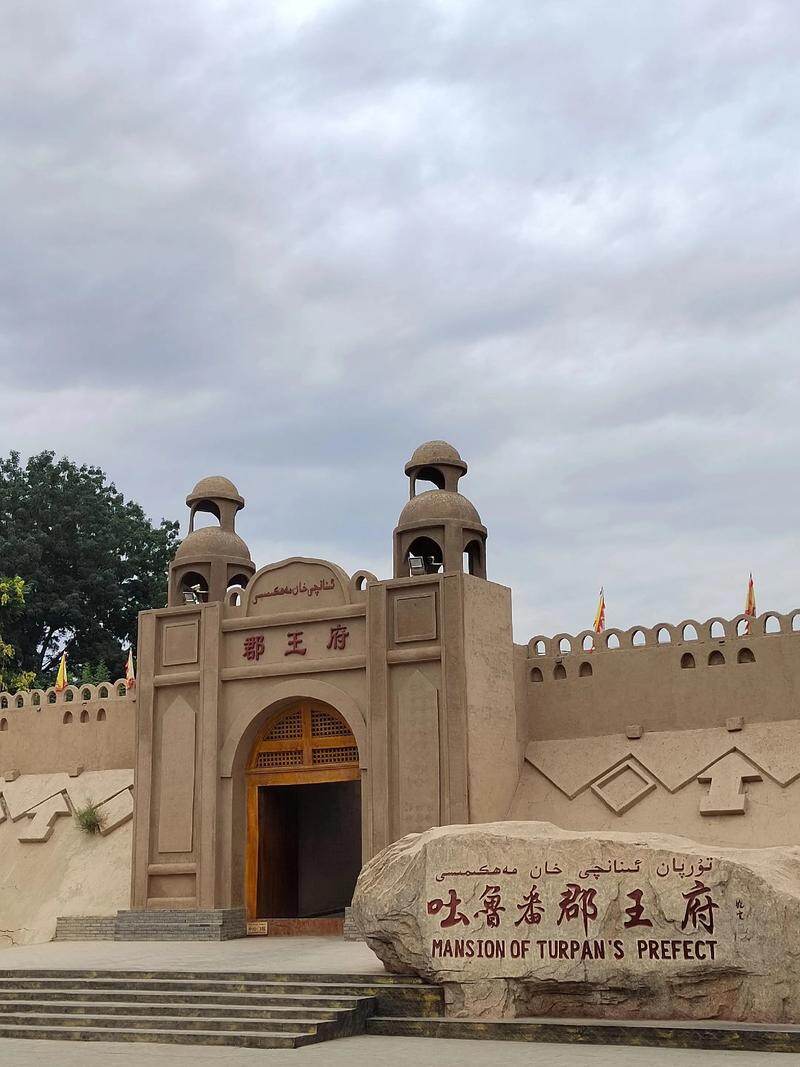
From the ruins of Jiaohe Ancient City to the laughter and joy under the grape trellis, from the gurgling water of the Karez well to the shining photovoltaic panels, Turpan has always been a vivid epitome of the diverse and integrated pattern of the Chinese nation.Editor/Cheng Liting
Comment

 Praise
 Collect
 Comment

 Share
Share


Write something~