 Search


- Remnants of rock paintings and unique geological structures contain extraordinary wisdom of ancient ancestors
- Unique rock paintings and peculiar stone structures intertwine, engraving the wisdom and romantic imagination of ancient ancestors
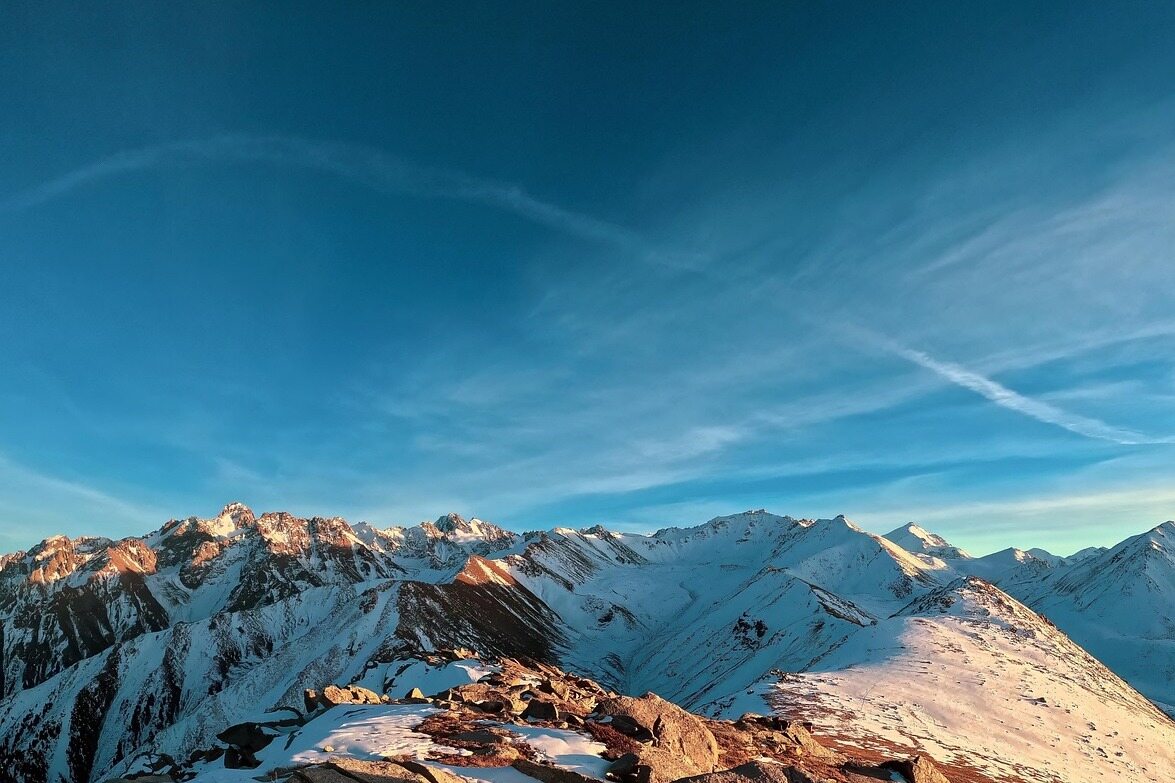
The East Kazakhstan Oblast of Kazakhstan harbors a highly mysterious archaeological site in Central Asia - the Akbar Site Complex. This ancient site, known as Stonehenge in Kazakhstan, carries the ancient ritual system, astronomical observation wisdom, and distant cosmic legends. After decades of archaeological exploration, the unsolved mysteries of this land still far exceed the answers discovered by the world.
The Mystery of Akbar
In the field of archaeology, Akbar is a unique and precious cultural relic, but its true function has not been unanimously determined to this day. There are various opinions in the academic community, with some determining it to be an ancient open-air temple, others believing it to be an ancient astronomical observatory, and others suggesting that it was a sacred site of worship at the core of early civilizations in Central Asia. Akbar is not just an ordinary tourist destination, but also a rich and ancient historical totem hidden in the East Kazakhstan region of Kazakhstan. The entire site is not a scattered pile of giant stones, but a large-scale ancient architectural complex covering an area of about 70000 hectares with complete regulations, with a grand scale and orderly layout. Nowadays, this precious site has been included in Kazakhstan's national protection list. To visit the park, one needs to apply for an exclusive access permit. Decades ago, this place was still open to the public, allowing both tourists and livestock to freely enter and exit, and its original appearance was not disturbed.
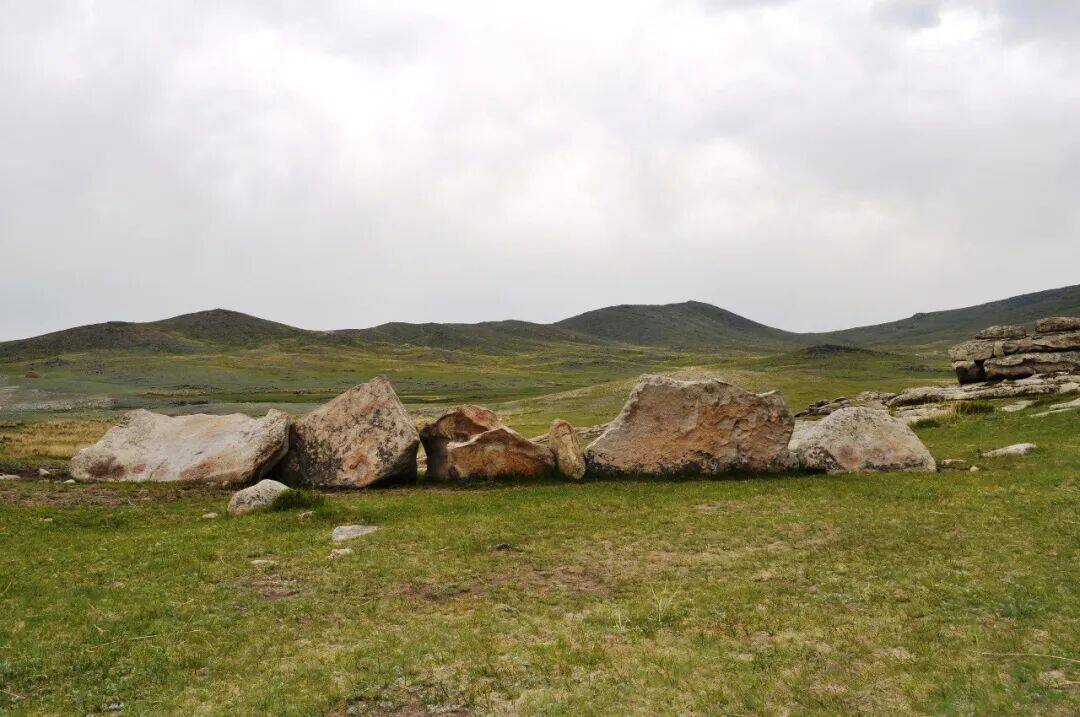
For the local people, Akbar is a sacred place rooted in their hearts. For hundreds of years, the ancient sacrificial tradition has been passed down from generation to generation and continues to this day. People will place meat and pour oil into shallow pits artificially excavated from stone slabs to complete ancient sacrificial rituals. The artificially constructed stone steps wind upwards, connecting the natural caves excavated from the rock walls, possessing both practical value and profound spiritual symbolic significance. Even the exclusive place name 'Akbar' carries multiple meanings. In Kazakh language, it can be defined as "white liver", "close relatives", and "mountain slope", with multiple interpretations overlapping layer by layer, perfectly reflecting the rich and mottled millennium historical heritage of this site.
The gateway connecting the two realms?
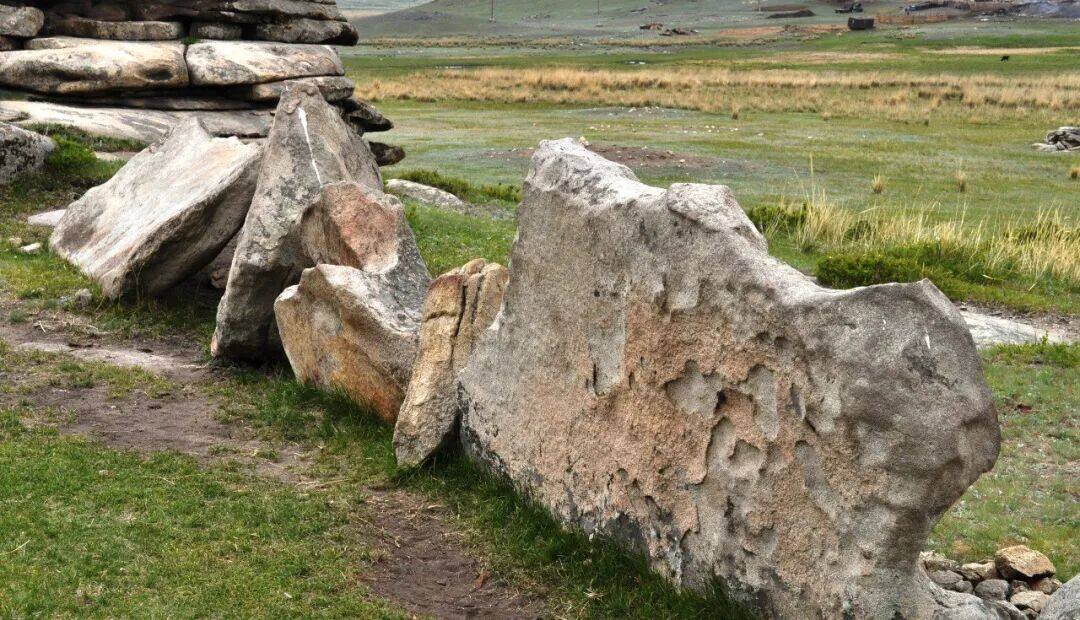
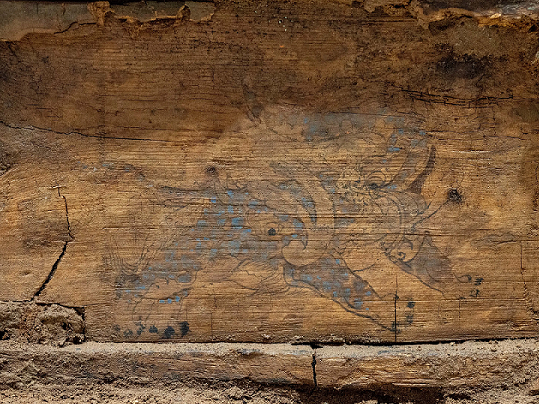
The Akbaor Site Group is located around the village of Bestelek in East Kazakhstan Oblast, about 38 kilometers away from Ust Kamenogorsk. At first glance, scattered boulders and neatly arranged stone slabs appear to be natural creations, but in reality, they are man-made relics from the Bronze Age that have been sealed for thousands of years, carrying the wisdom of ancient ancestors. Six meters above the base of the mountain, there is a cone-shaped cave that preserves over 80 ancient rock paintings dating back three thousand years. The screen includes characters, beasts, houses, tools, and various mysterious totems, with rich connotations and difficult to understand meanings. There are various interpretations of rock paintings in academia. Some consider them as totems of the universe and religious imprints, while others believe they are hidden messages left by our ancestors for future generations. Some even propose bold speculations about extraterrestrial civilizations, adding a mysterious touch to the site.
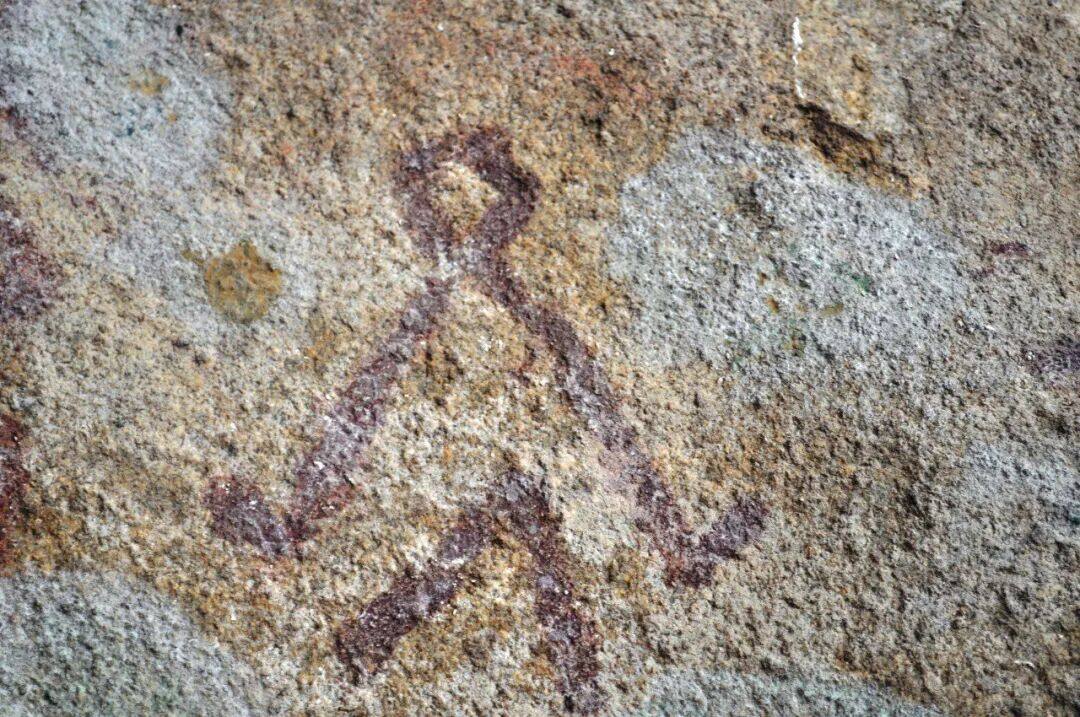
The most unique highlight of this batch of rock paintings is the use of the locally rare red ochre pigment for painting. Some scholars speculate that the pigments are likely mixed with animal blood, giving each rock painting a strong sense of ancient ritual. The unique natural and artificial structures of the site have also amazed countless researchers. The giant stone slab above the cave is naturally carved with heart-shaped holes, which are recognized by the academic community as the "window to the sky" for ancient ancestors to observe celestial phenomena. The stone bowl shaped pits on the ground are meticulously crafted and regulated. During the spring equinox season, the water surface of one pit reflects sunlight, which can accurately reflect onto another pit, confirming that this was once an observation site for ancient people to calculate seasons and formulate solar calendars. There are also more practical research perspectives that suggest that these regular pits can be used for worship, prayer, or metallurgical forging. Archaeological teams have excavated metal ingots around the site that perfectly match the shape of the pits, providing physical evidence for this speculation.
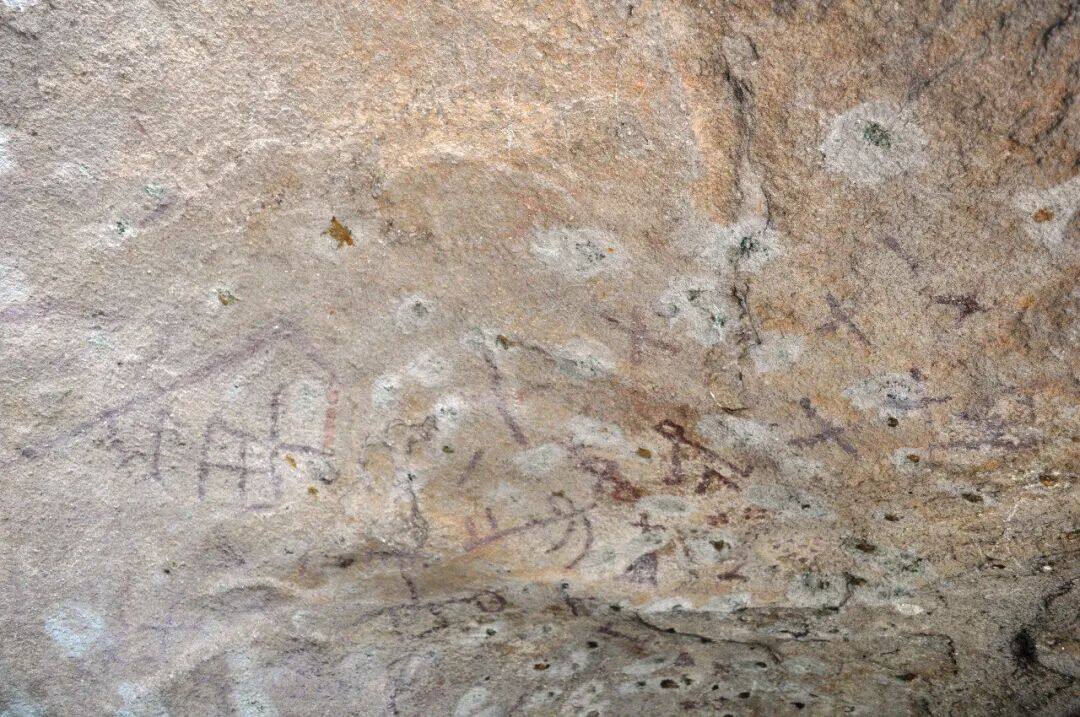
What secrets does Akbar have hidden?
Since the 1970s, the renowned archaeologist Zainola Samashev from Donghai Prefecture has officially begun systematic archaeological research on the Akbar site. Since 2019, its archaeological team has successively excavated a large number of cultural relics such as grain grinding tools, stone grinding tools, and animal bones, fully confirming that from the Bronze Age to the early Iron Age, this land has been inhabited and developed by humans, forming a mature settlement community.
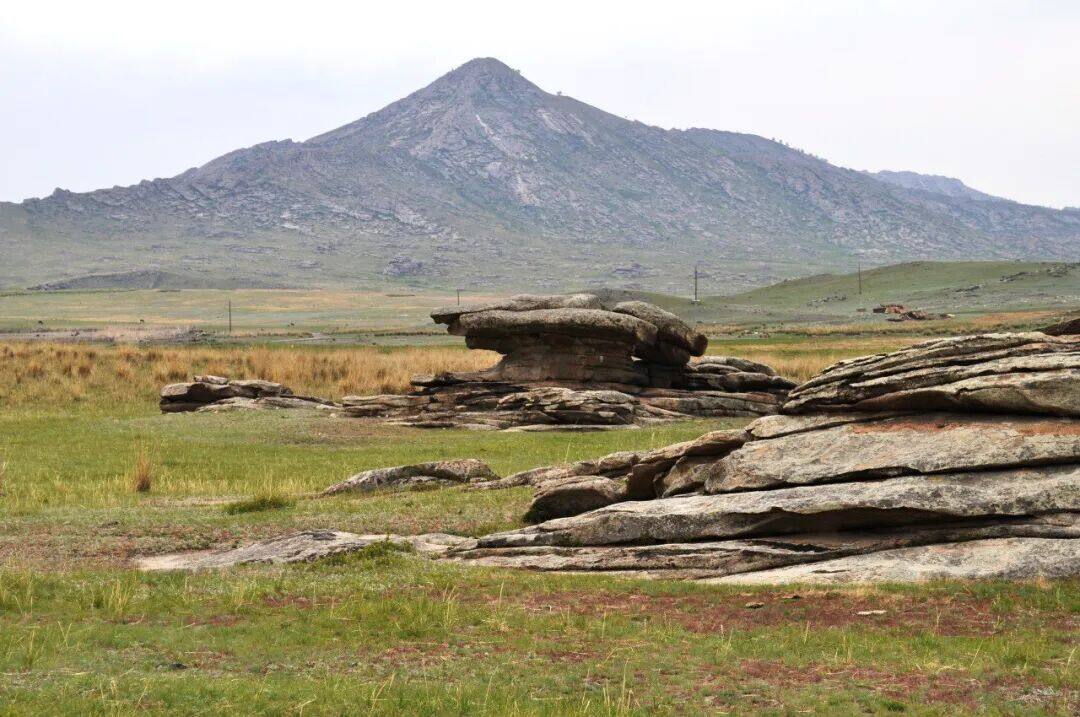
Samashev stated that the various excavated remains fully prove that ancient tribes such as the Sains were not a single nomadic group, but had already mastered diverse skills such as agriculture, textiles, pottery making, metallurgy, and formed a diverse production and living system. The archaeological team also discovered several large ancient settlements stretching over 1.5 kilometers, which are rare in the archaeological history of Kazakhstan. In addition, there are uniquely shaped "whisker shaped" ancient tombs and exclusive sacrificial platforms distributed within the site, further proving that Akbar is one of the oldest sacrificial centers in Kazakhstan and has high cultural research value.
Observatory, Temple, or World Center?
To this day, there are still many mysteries and controversies surrounding the true purpose of the Akbar site. Some studies have pointed out that this site facing west and east was an open-air temple where ancient ancestors held funeral and sacrificial ceremonies; Some scholars also believe that relying on the unique rock structure and heart-shaped observation window, this is a fully functional ancient observatory. A more romantic and mysterious speculation refers to this place as a "planetary energy hub" or even a "cosmic information transmitter". Although this statement has not been recognized by the mainstream academic community, it vividly demonstrates the unique humanistic charm and exploratory value of this millennium old site. Keywords: Kazakhstan, Akbar Site, Ancient Civilization
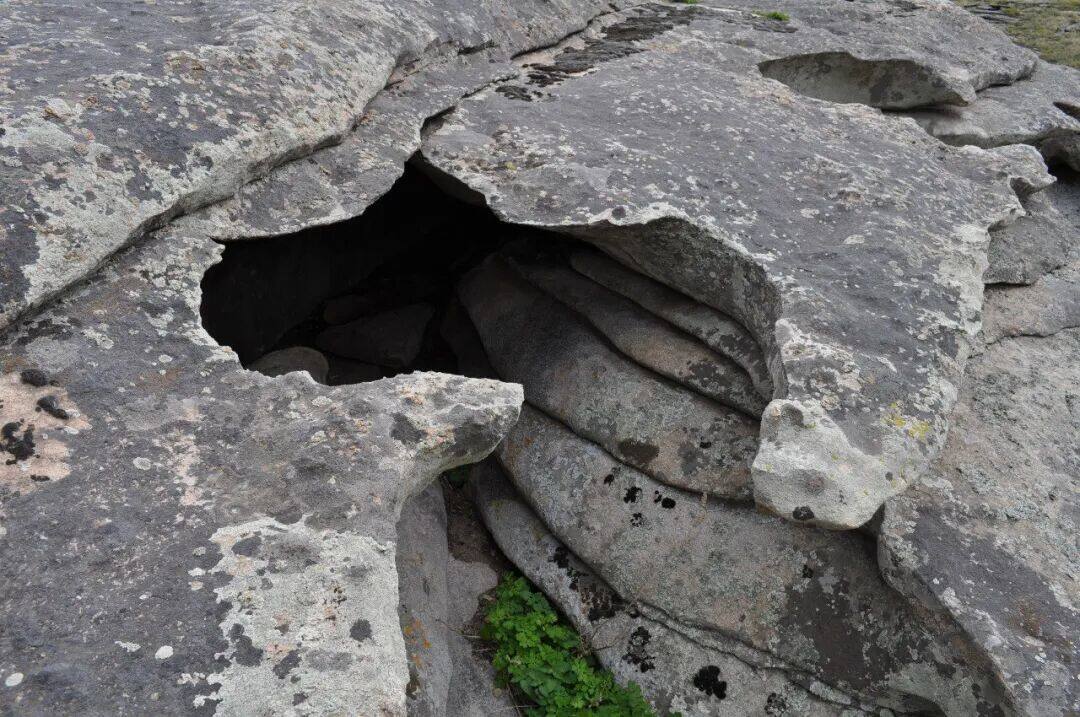
It can be confirmed that the Akbar site is a precious archaeological treasure in Kazakhstan. Whether it is temple altars, astronomical observatories, or gathering places for ancient ancestors, the rock paintings, relics, and mysteries preserved on this land are still quietly waiting for future generations to unlock the truth of civilization that has been sealed for thousands of years.Editor/Gong Ziwei
Comment

 Praise
 Collect
 Comment

 Share
Share


Write something~