 Search


- Millennium art is passed down through technological means, continuing to write a chapter of cultural exchange and mutual learning
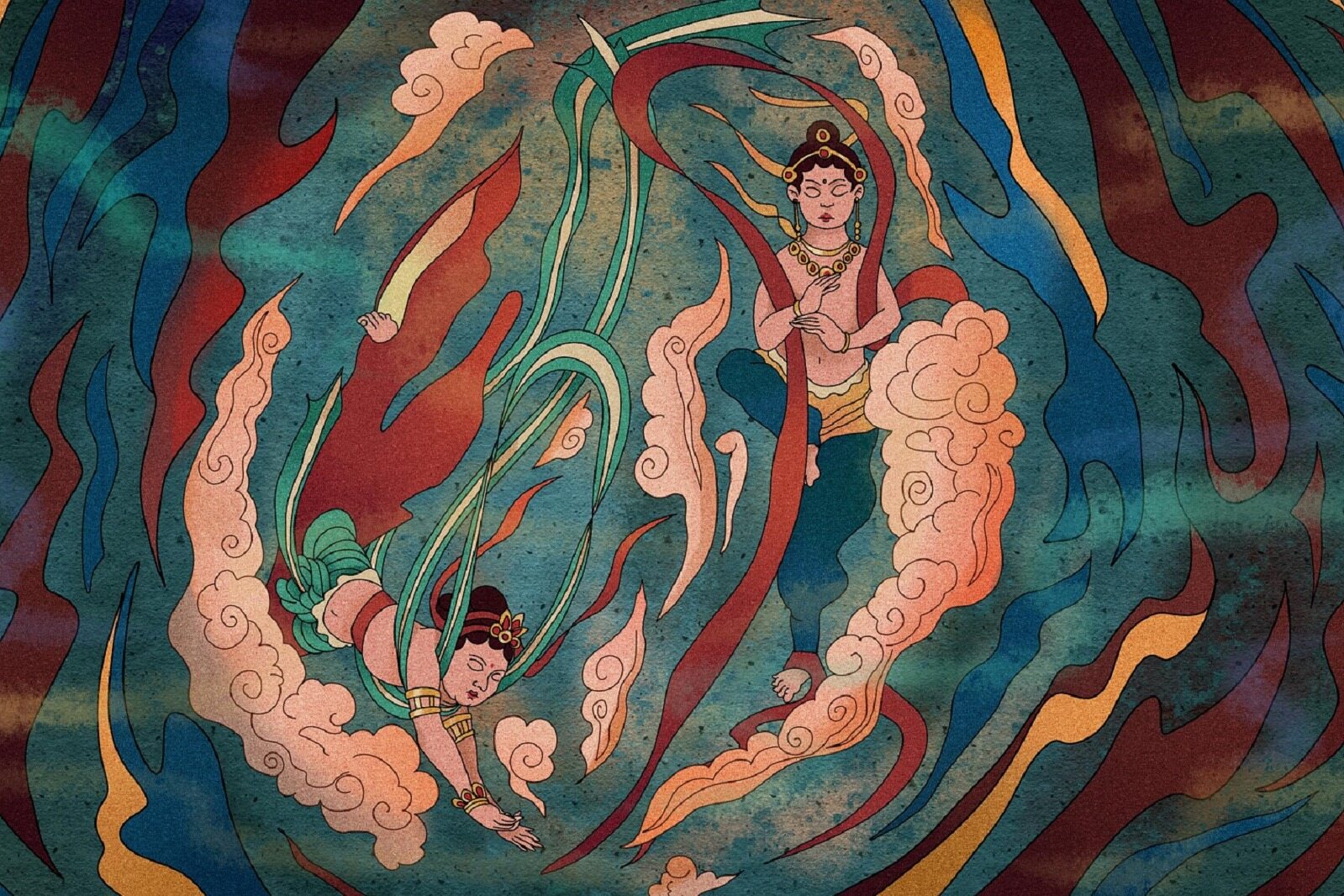
In April 2026, the digital scanner in Cave 285 of the the Mogao Grottoes of Dunhuang is recording an inch by inch picture of princes listening to Dharma. When the high-precision camera passes over the high nosed and deep eyed faces of the Western Regions, the camel bells of the Silk Road merchants a thousand years ago seem to penetrate the data stream and ring again. This treasure trove of art in the desert is using technology and communication as its wings, completing a civilization relay that spans thousands of years.
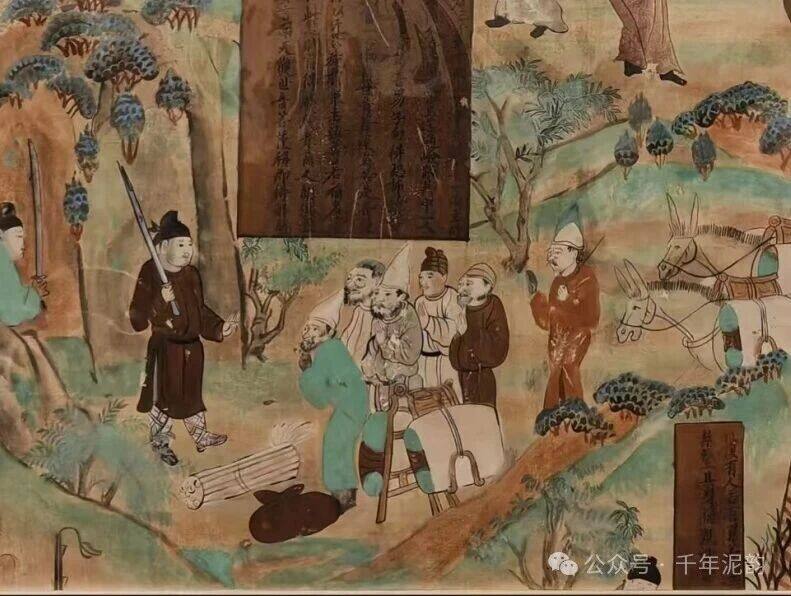
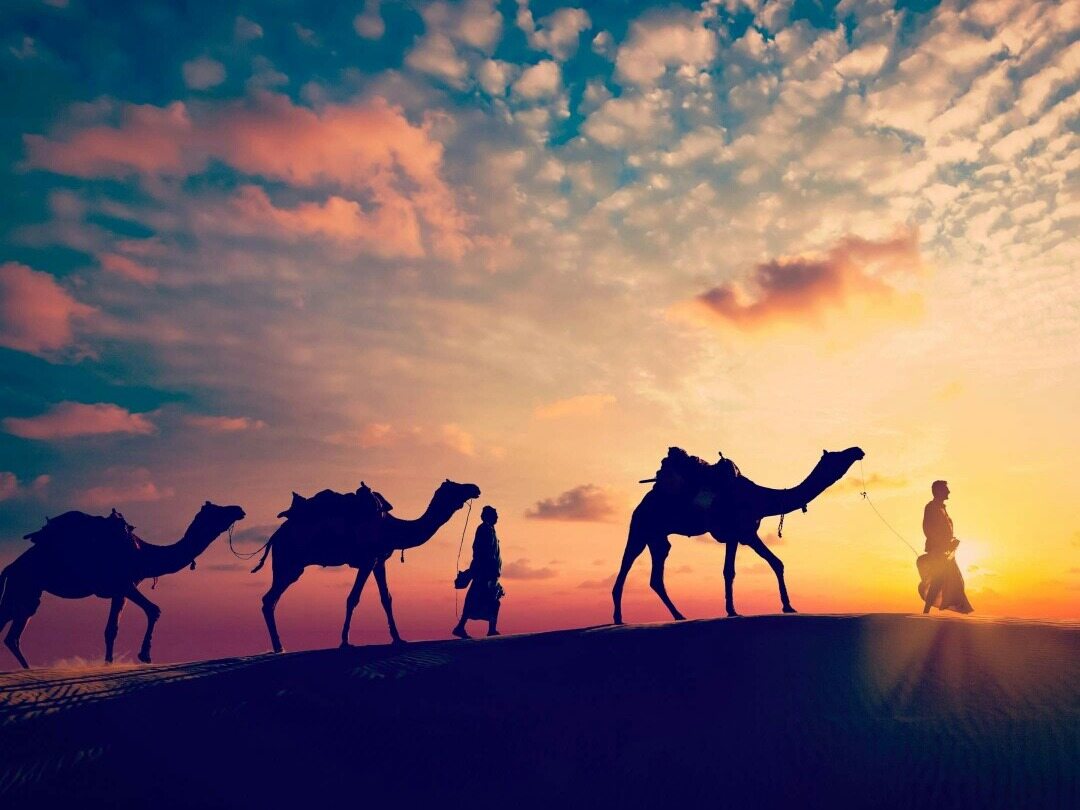
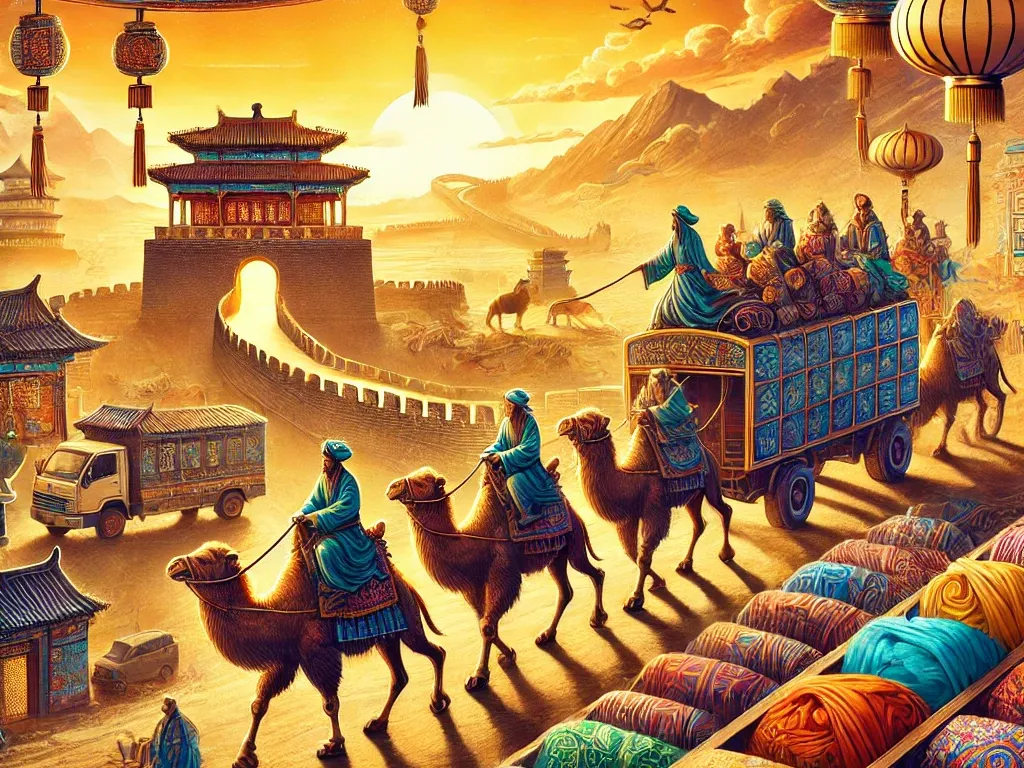
The Hellenistic statues in the murals, the Indian flying figures, and the Central Asian offerings coexist on the same wall, and the caravan scene in Cave 296 captures the busy moments of the Hu Han trade. These images are not only artistic relics, but also the most intuitive archives of ancient globalization. Today, Dunhuang Academy uses millimeter level scanning technology to transform mottled mineral pigments into digital assets that never fade, and virtual restoration allows damaged murals to regain their complete contours.
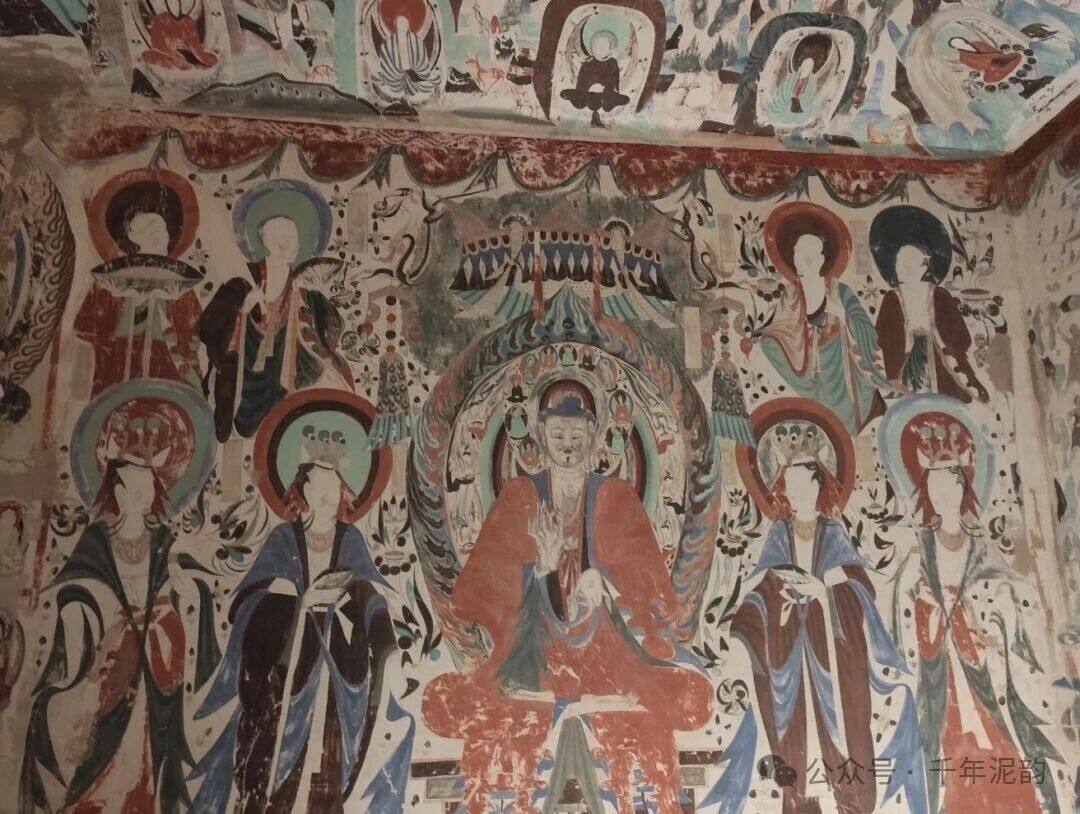
The Dunhuang International Cultural and Art Fair on the Silk Road has been held for seven sessions, attracting more than 6000 guests from over 200 countries and regions. The replica of the stolen painting of the Hu merchant in Cave 45 has been exhibited overseas multiple times, becoming the visual code for foreign audiences to understand China. At the same time, the Dunhuang culture into campus activities allow primary and secondary school students to hold pens and describe flying ribbons, and cultural identity takes root from childhood. Keywords: Inheritance News Network, Dunhuang Murals
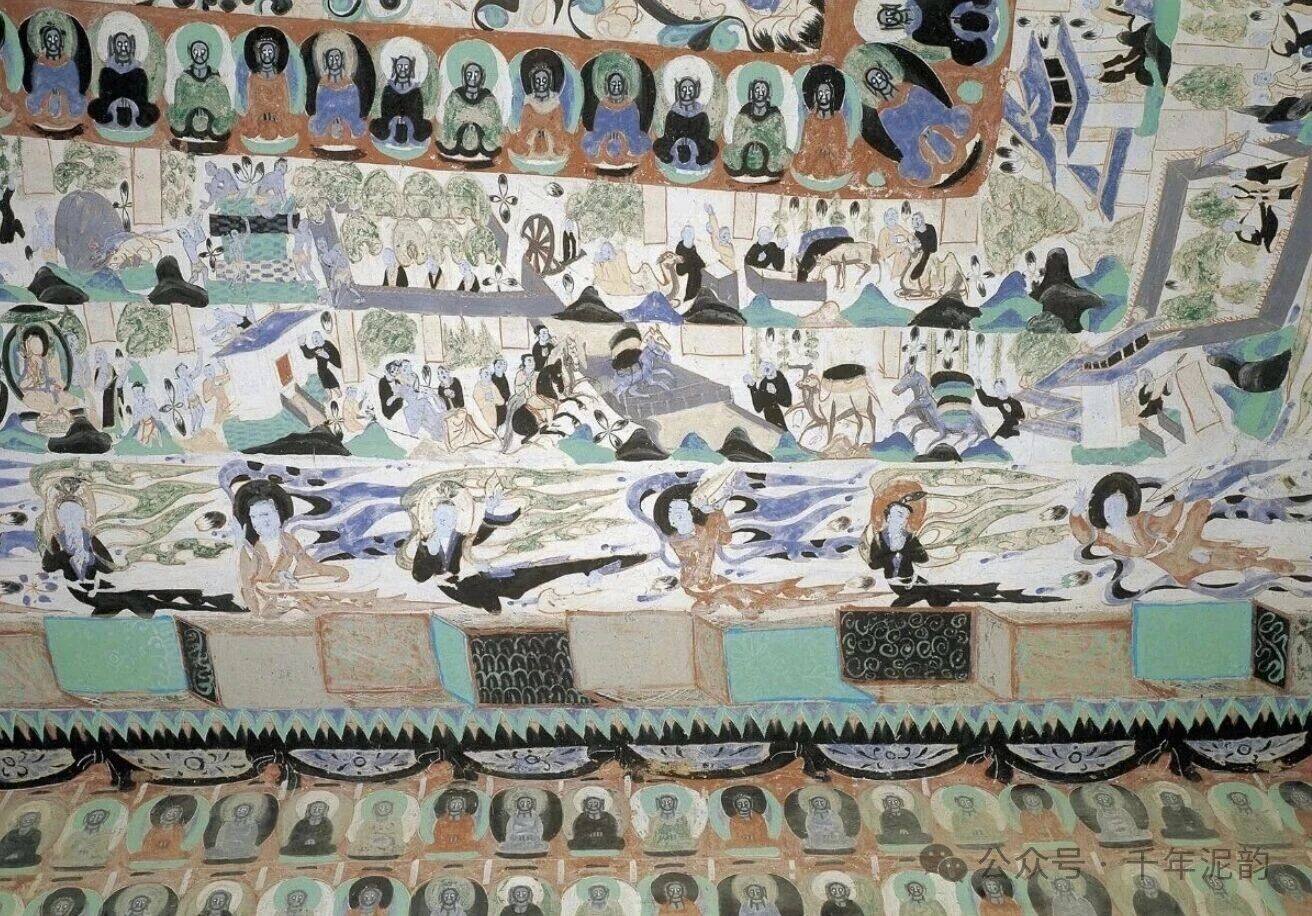
From Zhang Qian's excavation of the Western Regions to the roaring of the China Europe freight train, Dunhuang has always stood at the crossroads of civilization. Thousands of years ago, painters used mineral pigments to record merchant caravans, while today's engineers use LiDAR to extend the life of murals. The Silk Road never ended, it just continued to be told in a different language.Editor/Gao Xue
Comment

 Praise
 Collect
 Comment

 Share
Share


Write something~