 Search


- The project is 70 kilometers offshore, setting a record for the deepest offshore wind power in China
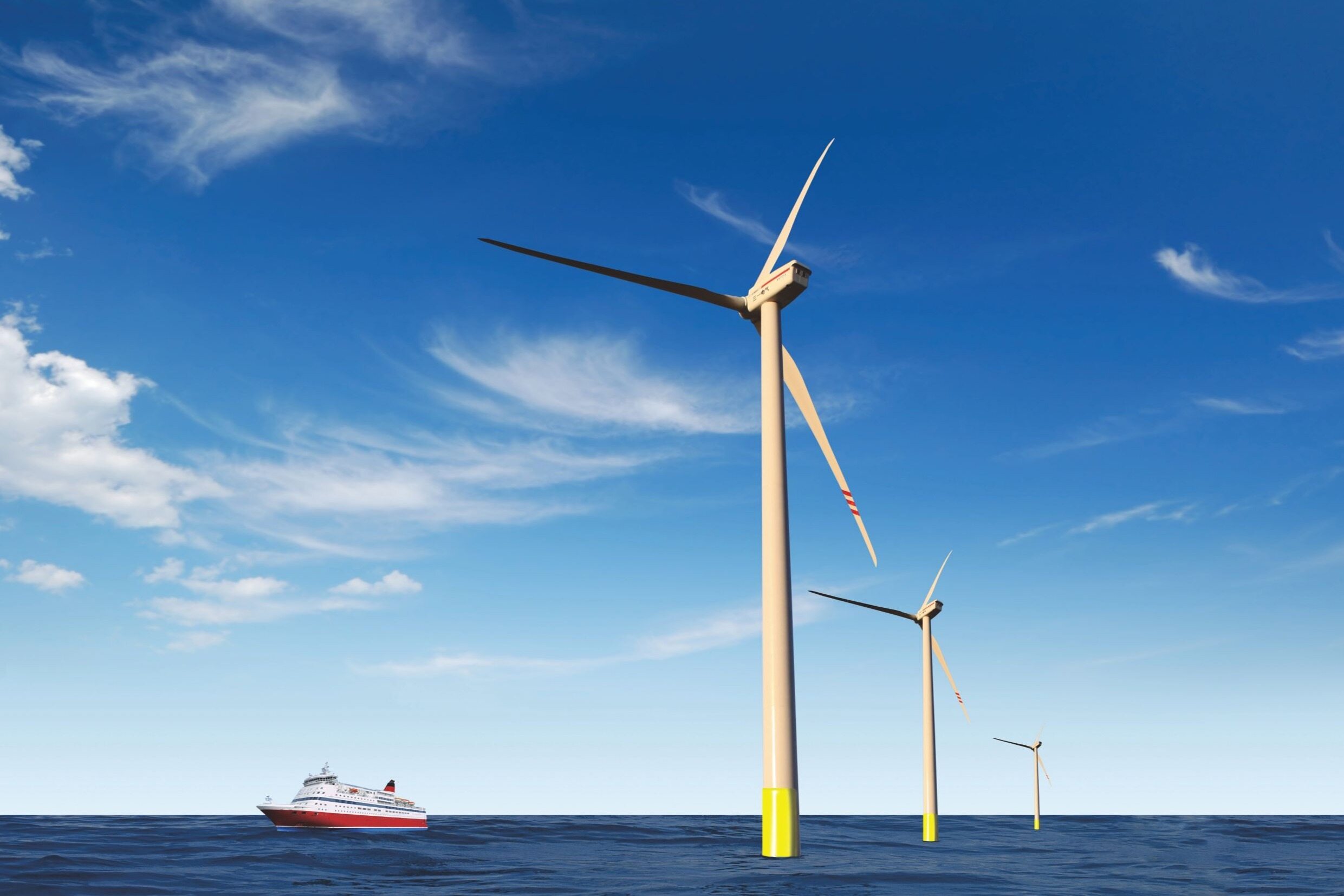
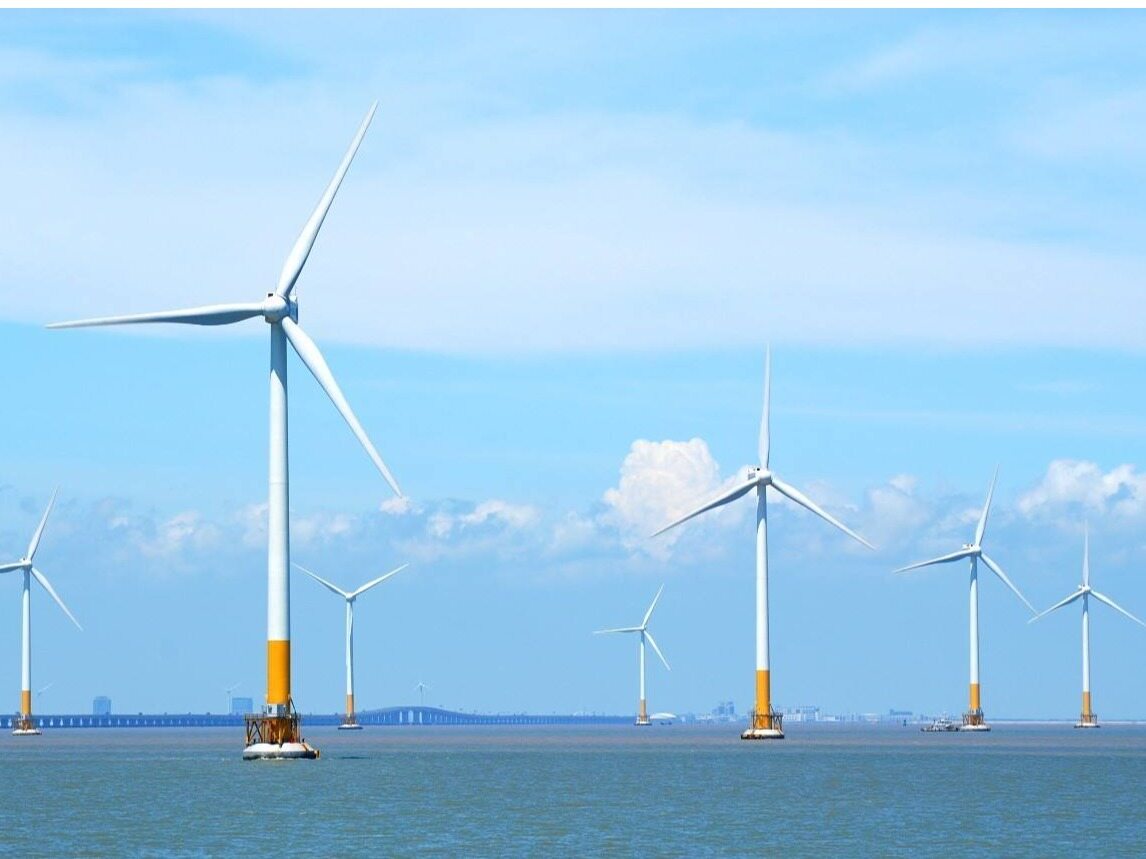
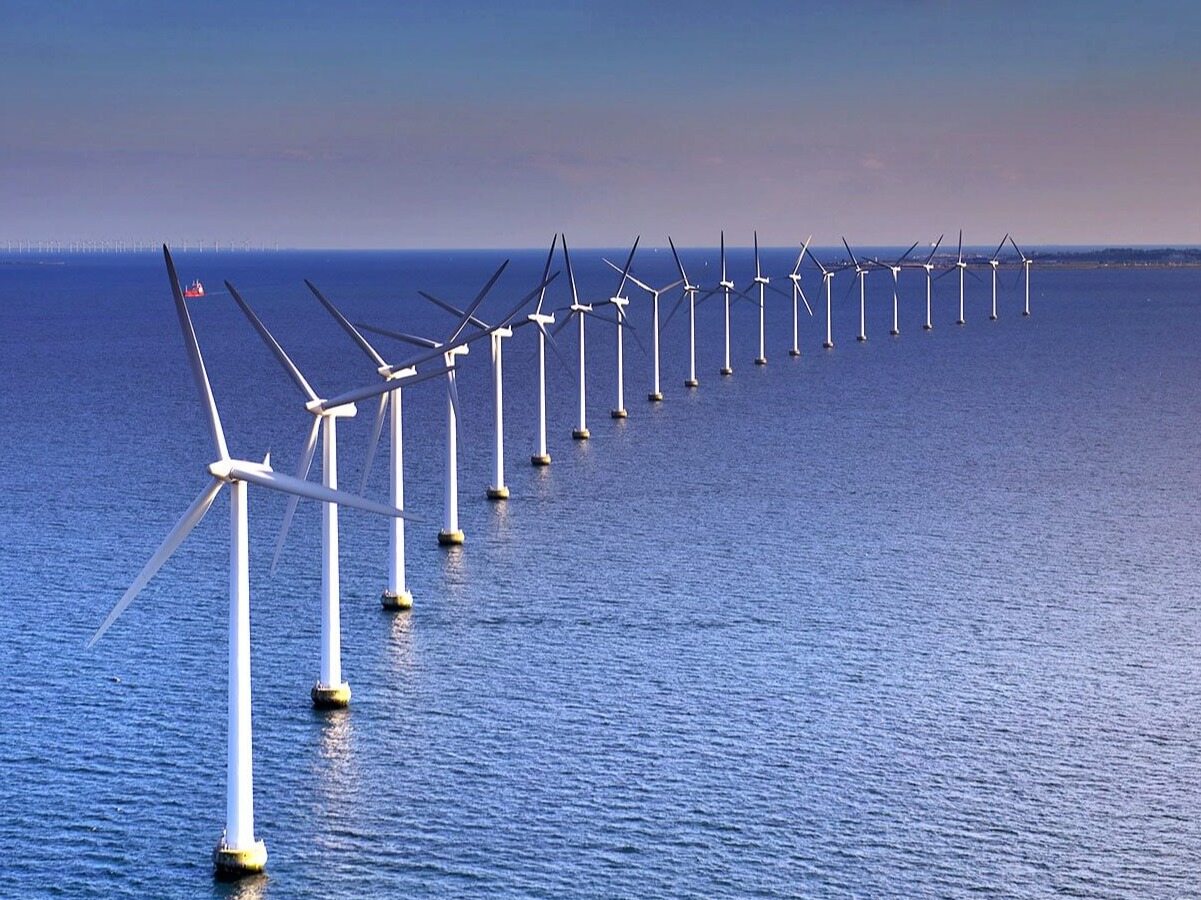
In the northern part of the Yellow Sea, on the deep blue sea surface 70 kilometers offshore, 42 "windmills" are dancing together against the sea breeze. On April 7, 2026, with the issuance of the "closing" order, China Huaneng Shandong Peninsula North L offshore wind power project officially connected to the grid for full capacity power generation. At this moment, it marks the official entry of China's offshore wind power into the era of "ultra deep water".
This wind farm is located in the northern waters of the Shandong Peninsula, about 70 kilometers offshore from the site center, with an average water depth of 52 to 56 meters. It is currently the deepest offshore wind power commercial operation project in China. Here, each wind turbine is like a "super building" on the sea, with a single unit capacity of 12 megawatts and a total installed capacity of 504000 kilowatts. According to calculations, the annual power generation of this project is about 1.7 billion kilowatt hours, which can meet the annual electricity needs of hundreds of thousands of households. It can save about 500000 tons of standard coal and reduce carbon dioxide emissions by about 1.35 million tons annually, making it a true "blue energy granary".
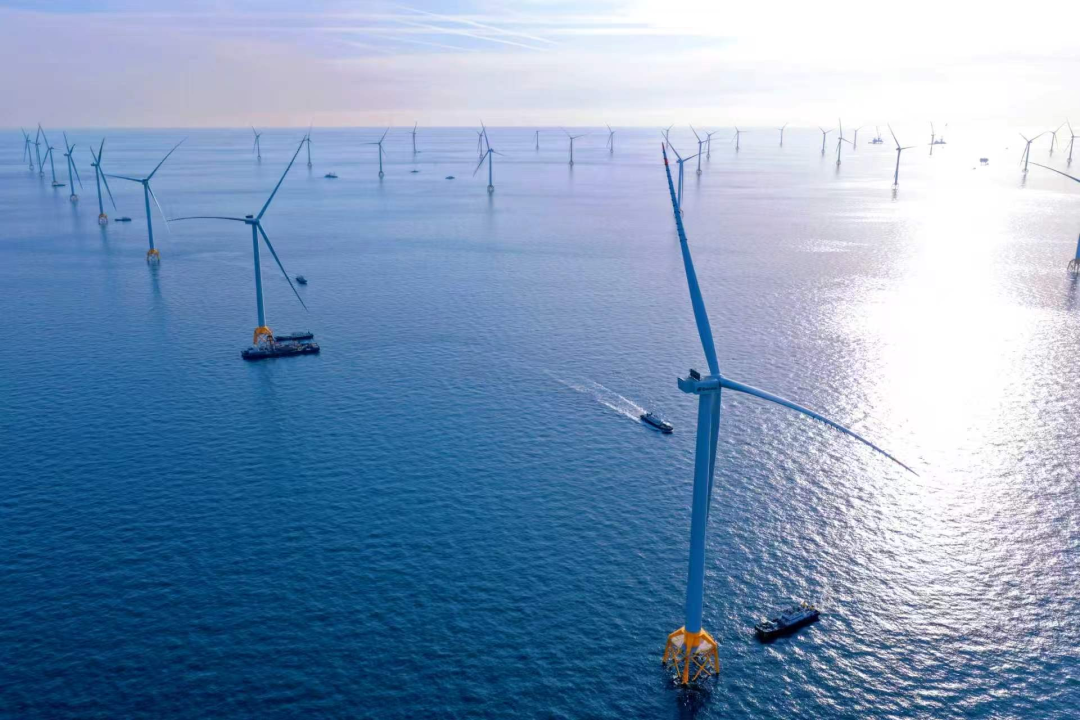
Install four legs on the fan
To obtain energy from the deep sea, the first step is to solve the problem of 'being able to stand'. Compared to nearshore waters, a water depth of over 50 meters means more complex geological conditions and more turbulent wave impacts. The traditional single pile foundation may be able to stand alone in shallow waters, but in deep waters, a more stable "chassis" is necessary.
The project innovation adopts a four pile pipeline foundation structure, which is equivalent to installing "four steel legs" on each wind turbine. This structure has stronger stiffness and more uniform force distribution, with a maximum height of 83.9 meters, making it one of the highest basic structures of the same type in China. It is precisely by deeply penetrating the seabed with these "four legs" that the wind turbine can firmly "nail" in the strong winds and waves of the deep sea, ensuring safe and stable operation within its 25 year design life.
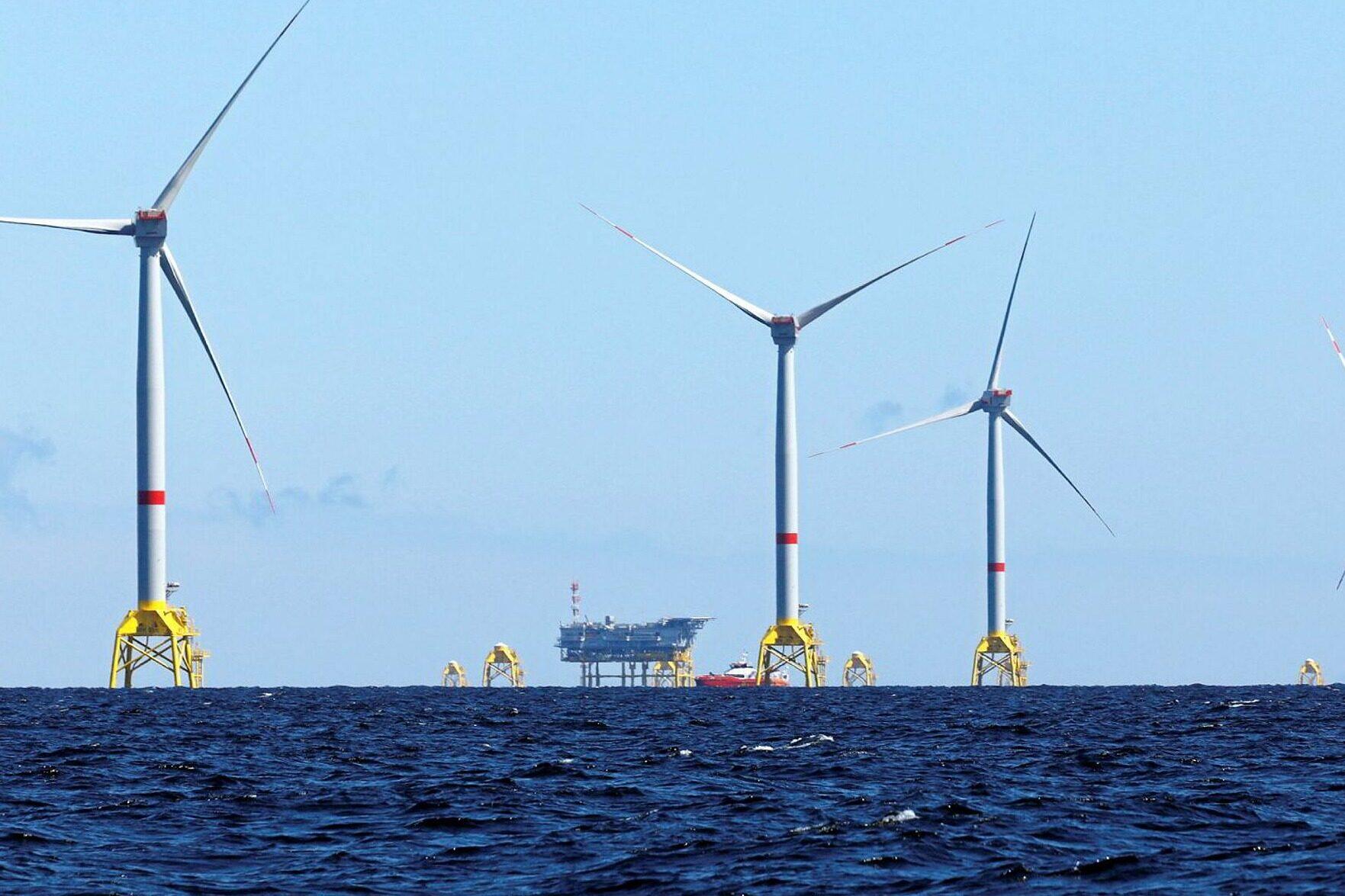
Cut the pile sinking time in half
In deep-sea construction, precision and efficiency are the two major obstacles. The shaking of waves can cause traditional positioning techniques to become inaccurate. In the past, it often took 48 hours to sink a pile in a deep sea.
This time, engineers have invited "Beidou" to help. The project relies on China's independently developed Beidou satellite navigation system and has developed high-precision positioning technology, achieving millimeter level construction positioning for underwater pile sinking. This is like embroidering on the seabed at a depth of over 50 meters, with errors strictly controlled within a very small range. By combining intelligent assisted sinking technology, the pile driving operation time of a single wind turbine has been significantly reduced from 48 hours to 29 hours, with an efficiency improvement of nearly 40%, saving valuable time for the project to be put into operation on schedule.
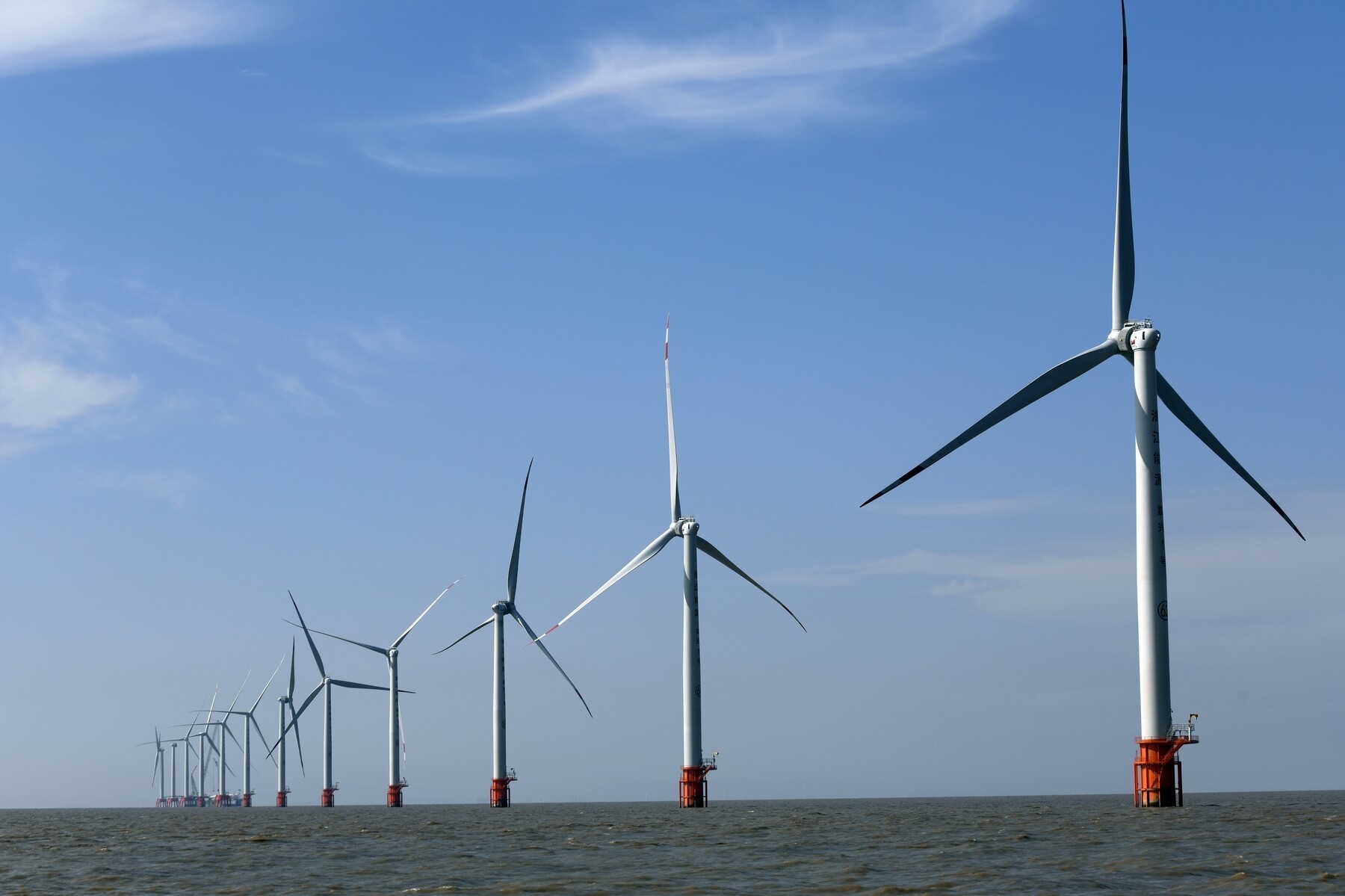
95 kilometer submarine cable 'threading needle lead'
The electricity has been sent out, how can it be returned? The project requires the laying of 95.6 kilometers of ultra long submarine cables to transport 70 kilometers of offshore electricity to the onshore power grid. The laying of submarine cables requires drilling a "tunnel" under the seabed first. The traditional approach relies solely on artificial magnetic fields on board to guide the drill bit, which is highly susceptible to wind and wave interference and can cause path deviation.
The project team innovatively adopted the collaborative technology of "unmanned aerial vehicle+artificial magnetic field". Drones overlook from the air, forming a closed-loop navigation system of "watching from the air and following underwater", just like installing a "sky eye" on submarine cables. This combination of punches enables the ultra long submarine cable to achieve precise "threading" in complex sea conditions, ensuring the unobstructed flow of this maritime energy "artery".
The successful grid connection of the Huaneng Shandong Peninsula North L site project is not only a milestone for China's offshore wind power to enter the deep sea, but also accumulates valuable technology and experience for the future large-scale development of far-reaching offshore wind power resources. As offshore resources become increasingly saturated, this' deep blue 'will become the main battlefield of China's new energy strategy.Editor/Yang Meiling
Comment

 Praise
 Collect
 Comment

 Share
Share


Write something~