 Search


- Sinopec collaborates with China Aviation Oil Corporation to simultaneously expand SAF production at Zhenhai and Maoming bases
- Taking advantage of the synergistic advantages of restructuring, Sinopec is expanding its capacity along the mature HEFA route, but the explosive capacity planning is facing severe challenges from the shortage of waste oil raw materials

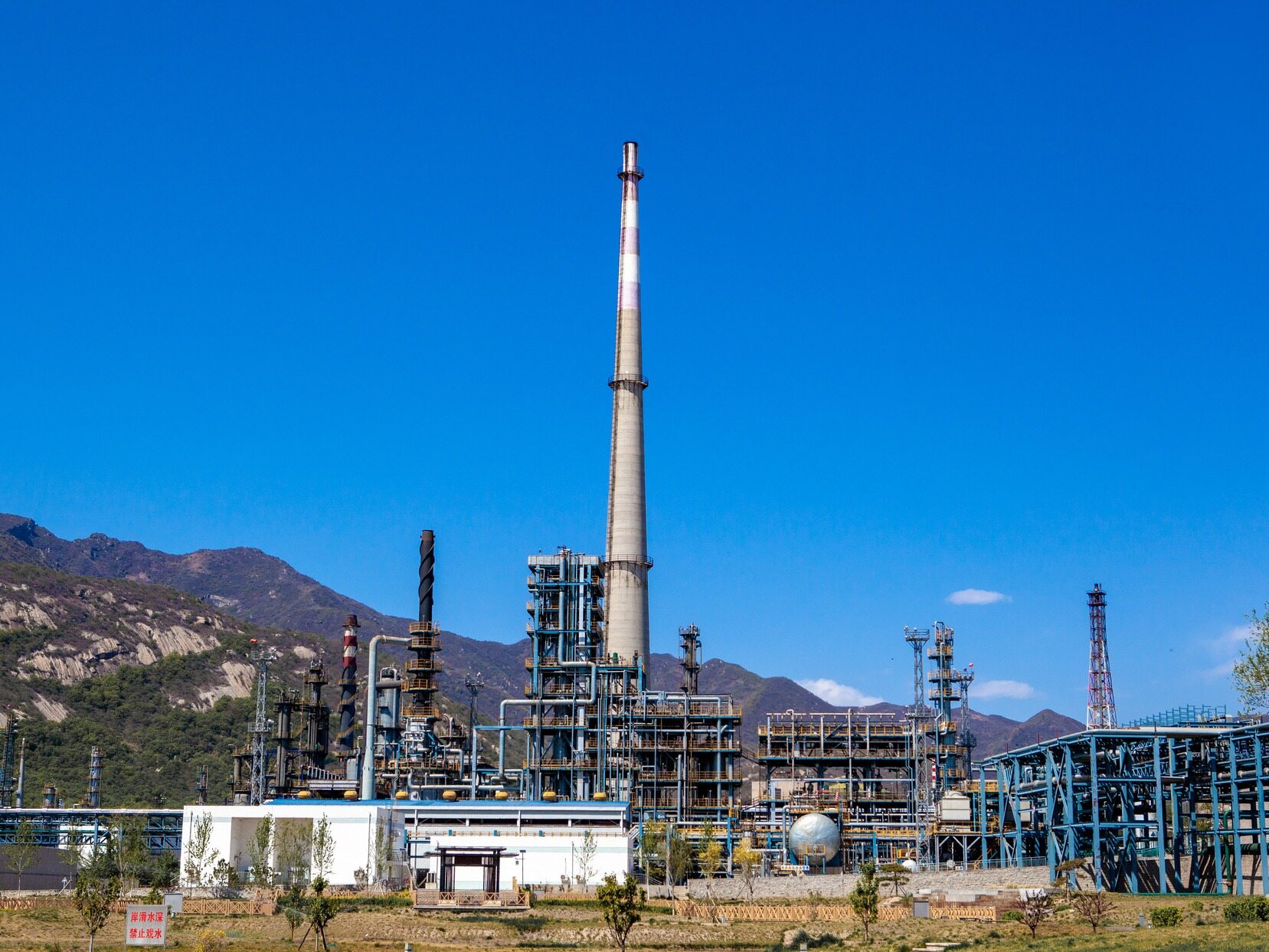
As the global aviation industry's carbon reduction deadline approaches, Chinese energy giants have officially sounded the alarm. Sinopec announced that, relying on the synergistic advantages of its restructuring with China Aviation Oil Corporation, it will simultaneously launch the expansion of green aviation fuel production capacity at its two major bases, Zhenhai Refinery and Maoming Petrochemical. This is not only the first major strategic action after the restructuring of both sides, but also a military order to break the production capacity of 500000 tons by 2027, with the intention of reshaping the domestic aviation fuel supply pattern.
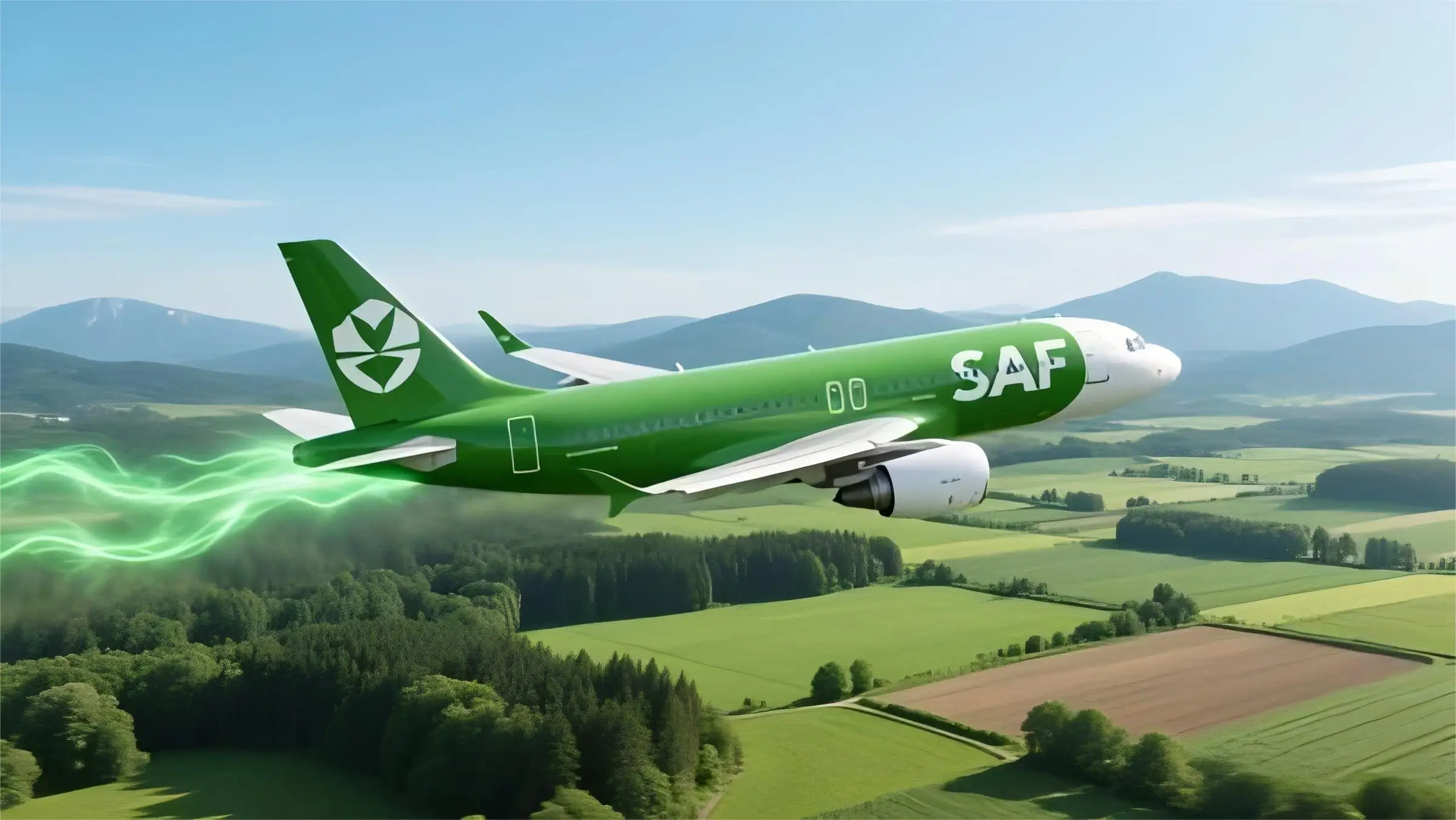
Targeting global mandatory blending
This expansion is not simply a scale increase, but a deep integration of the entire industry chain. Sinopec and China Aviation Oil are attempting to bridge the bottleneck from upstream refining production to downstream airport refueling, upgrading SAF from a scattered demonstration project to a core business. On the technical route, Sinopec has chosen the most mature HEFA (ester and fatty acid hydrogenation) process, which accounts for 80% of global production and can directly retrofit existing refining units, with much higher economic efficiency than new factories.
The urgency of this layout stems from external policy pressures. 2025 is known as the year of global mandatory SAF, and EU regulations have come into effect requiring departing flights to be mixed with at least 2% SAF. Sinopec's move aims to seize the opportunity, not only to meet its huge production capacity target by 2027, but also to prepare for the upcoming mandatory blending pilot in China, with the intention of gaining a share in the huge international market gap.
The backend is connected, but the frontend is stuck
Despite the potential for downstream storage and refining, the hidden concern of upstream raw material shortage has surfaced. At present, domestic SAF production is highly dependent on waste oil, and with the surge in production capacity planning, the contradiction between raw material supply and demand is rapidly spreading to the collection end. Based on the existing whitelist production capacity and new construction projects, even considering yield issues, the collection of domestic waste oil and fat is difficult to meet the explosive growth demand. Keywords: Petrochemicals, Aviation Fuel

This means that simply dealing with refineries and airports is not enough. Enterprises must further extend their tentacles and delve into the recycling network of gutter oil and waste edible oil. Whoever can control more stable waste oil resources can truly win in this competition with a production capacity of 500000 tons. For Sinopec, this energy transition is not only a competition of technology and capital, but also a battle for control over raw materials.Editor/Cheng Liting
Comment


 Praise
 Collect
 Comment

 Share
Share


Write something~