 Search


- This first approved project in the 14th Five Year Plan will become a key link in the Altay Clean Energy Base
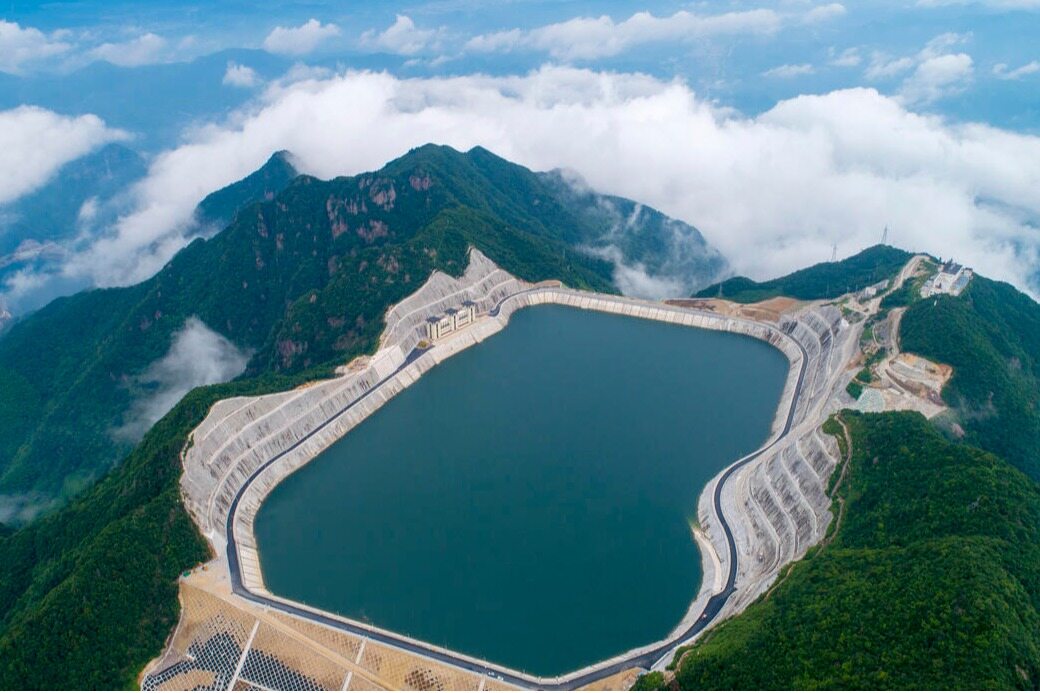
In April in Altay, deep in the northern mountains of Kuosek Town in Burqin County, it is no longer a place of silence. Heavy trucks roared over the construction road, and workers sweated profusely for the birth of a "super power bank" between the peaks and valleys at an altitude of nearly 1500 meters. This is the construction site of the Burqin Pumped Storage Power Station in Xinjiang. As the first approved pumped storage project in Xinjiang since the 14th Five Year Plan, it is not only a power station, but also the "key" to unlocking the 10 million kilowatt level clean energy base in Altay region.
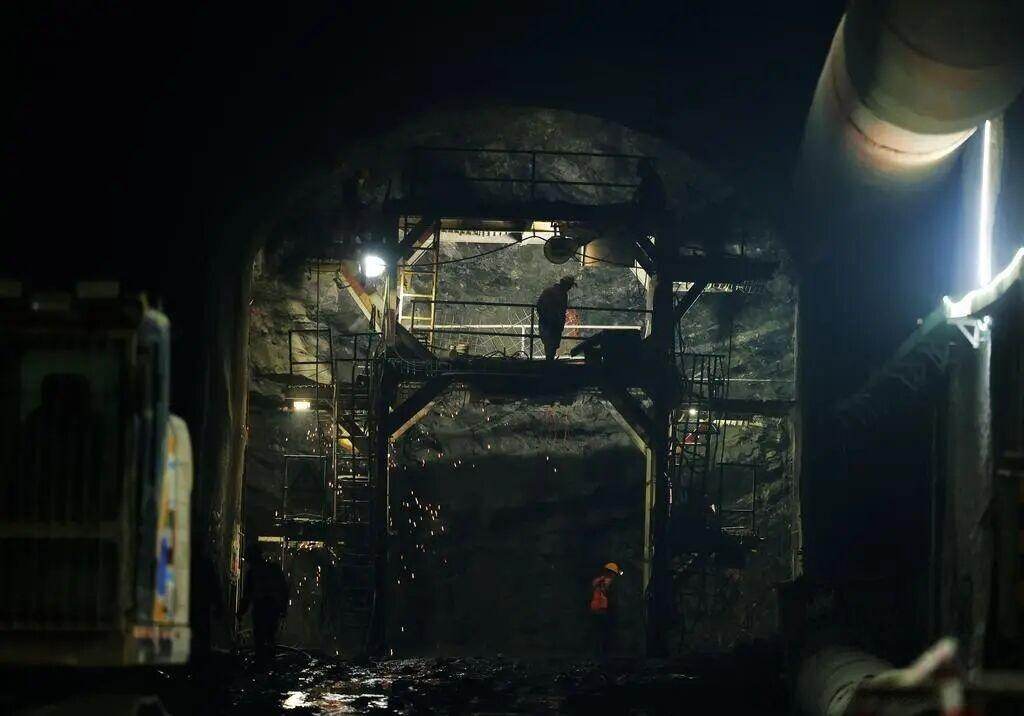
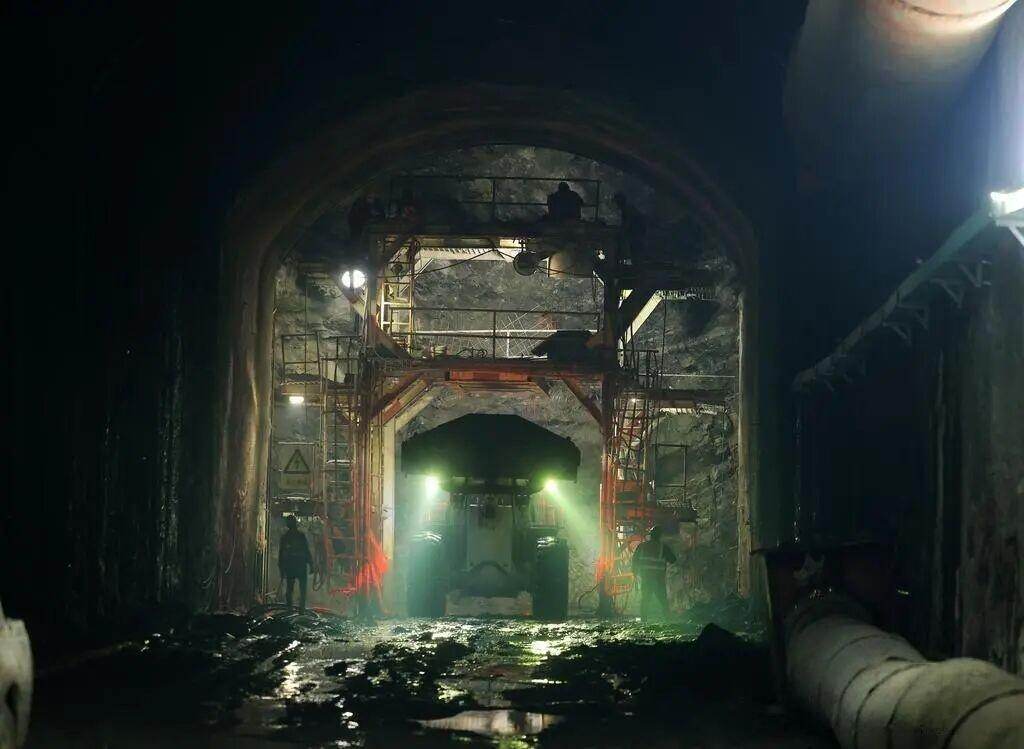
Not long ago, the project just broke through a "hard nut" - the excavation depth of the guide tunnel in the underground factory building exceeded 50 meters, achieving the first milestone goal for 2026 ahead of schedule. This means that this massive project with a total investment of over 10 billion yuan and a total installed capacity of 1.4 million kilowatts is accelerating from surface excavation to underground core factory construction.
What is a super power bank?
For ordinary people, the working principle of pumped storage power stations is like a "time machine" that uses water energy to store electrical energy.
Simply put, it means building a huge water tank on the mountain (upper reservoir) and at the foot of the mountain (lower reservoir), with a height difference of about 600 meters between the two. When the wind farm was still spinning at night and the solar panels were "on strike" due to darkness, the power grid had surplus and cheap electricity, and the power station started the "charging" mode: using excess electricity to pump water from the mountain bottom to the mountain top for storage, converting electrical energy into the potential energy of water. Wait until the peak of electricity consumption during the day or winter, when the power grid is "thirsty", then release the water on the mountaintop to generate electricity, convert potential energy back into electrical energy, and instantly support the power grid.
The Burqin power station plays this role. It is equipped with four reversible units with a single capacity of 350000 kilowatts, with a designed annual power generation of approximately 2.814 billion kilowatt hours. Visually speaking, it is like a super battery that "charges" during low electricity consumption and "discharges" during high electricity consumption, making it the most reliable "voltage regulator" for the power grid.
Why build it in the north of Xinjiang?
Altay region is known as the "treasure trove" of wind and solar energy in China, but they share a common weakness - relying on the weather to make ends meet. When the wind is strong, there is more power generation, and when the wind stops, there is less power generation. This volatility makes it difficult for the power grid to operate stably.
The landing of the Burqin pumped storage power station is to solve the problem of "abandoning wind and solar power". It is located at the end of the northern Xinjiang power grid, and after completion, it can greatly enhance the consumption capacity of new energy in Altay region. According to calculations, after the power station is put into operation, it can save about 926000 tons of standard coal and reduce carbon dioxide emissions by about 2.79 million tons per year. This is equivalent to installing a "safety valve" for the Xinjiang power grid, allowing previously wasted wind and solar resources to be regulated by energy storage stations to become stable and reliable green electricity.
The hardcore challenges behind construction
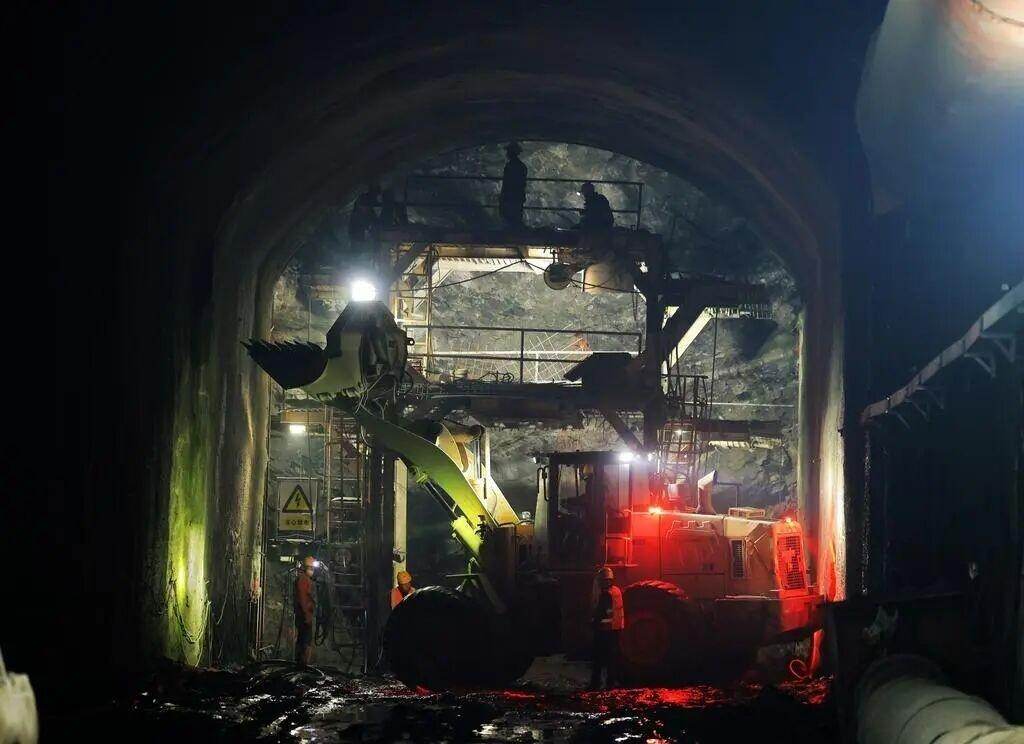
Constructing such a large-scale project in the Snow Mountain Canyon is not an easy task. The winter in Altay region is long, and low temperatures and blizzards are the "number one enemies" of construction. In order to catch up with the construction schedule, the construction party Xinhua (Burqin) Pumped Storage Power Generation Co., Ltd. adopted special insulation measures and construction techniques in winter to ensure that the quality of concrete pouring is not affected by extreme cold.
At present, the civil engineering of the upper and lower reservoirs has been fully launched, and the excavation of the underground powerhouse is steadily progressing. According to the plan, the first unit of this power station will be put into operation and generate electricity by 2030. At that time, it will form a synergistic effect of "wind solar energy storage integration" with surrounding wind farms and photovoltaic power stations, not only for peak shaving and valley filling of Xinjiang power grid, but also injecting strong green power into the economic development of Altay region.
From an aerial perspective, the contours of the northern mountains of Burqin are being redefined by the sweat of the builders. This rising energy landmark is becoming a vivid footnote to the energy transformation in the northwest border of China.Editor/Yang Meiling
Comment

 Praise
 Collect
 Comment

 Share
Share


Write something~