 Search


- Trump‘s failed Iran campaign has eroded US influence, paving the way for Beijing to emerge as the Middle East’s new mediator.
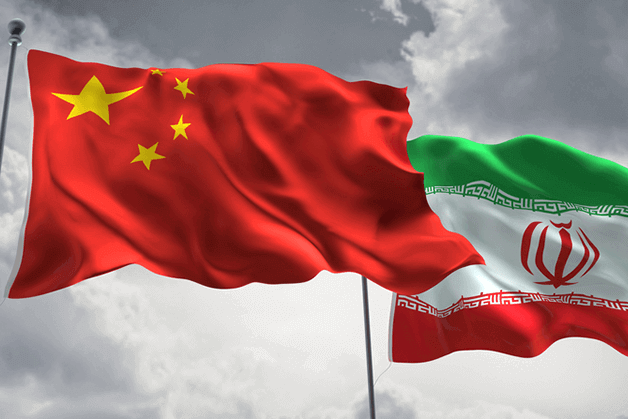
As the US and Iran knocked on the door of peace talks in Islamabad this week, a major power long relegated to the periphery of the Middle East is quietly stepping into the center stage. In this geopolitical game that impacts global energy markets, China—not Washington—is becoming the ultimate guarantor of trust for all parties.
More than a month after the outbreak of the US-Iran conflict, the two sides reached a fragile 14-day ceasefire under Pakistani mediation, and delegations began their first round of direct talks in Islamabad on April 11. However, this ceasefire agreement was riddled with cracks from the outset: three major disagreements—whether Lebanon was included in the ceasefire, the safety of navigation in the Strait of Hormuz, and Iran's uranium enrichment rights—clouded the prospects for the negotiations.
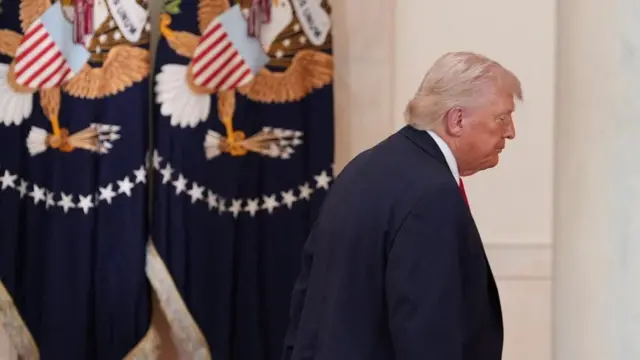
At this delicate moment, Beijing's influence is particularly noteworthy. According to a senior Pakistani official speaking to the British newspaper “The Guardian” , it was China that persuaded Tehran to come to the negotiating table and ensured the safety of the Iranian negotiating delegation by providing security guarantees. This "behind-the-scenes force" constituted the climax of intensive diplomacy over the past month—Chinese Foreign Minister Wang Yi held 26 phone calls with various parties, promoted the five-point China-Pakistan initiative, and created an indispensable atmosphere for peace talks.
“China’s political stance has always remained balanced, maintaining friendly relations with all parties,” noted Niu Xinchun, a Middle East expert. “China has a natural advantage in promoting peace talks and is the most effective at it.”
White House Press Secretary Levitt stated on the 8th that the US accepted Iran’s revised proposal, and the two sides would hold closed-door discussions on core issues such as Iran’s handover of enriched uranium. However, just before the negotiations, Israel launched a large-scale airstrike on Lebanon, and Iran subsequently closed the Strait of Hormuz, casting doubt on the actual effectiveness of the ceasefire agreement.
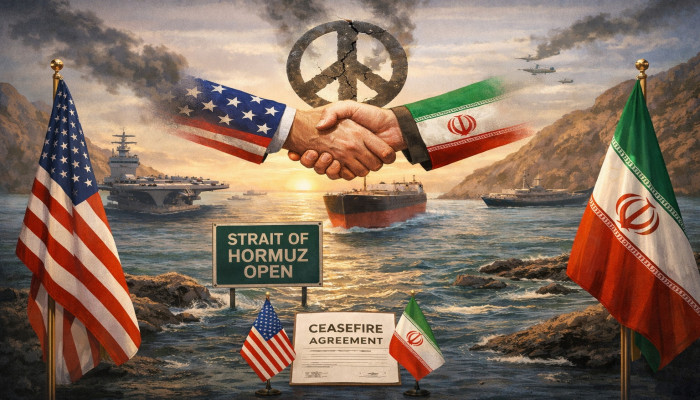
From the historic reconciliation between Saudi Arabia and Iran to the reconciliation negotiations between Palestinian factions in Beijing, and the Chinese factor behind this US-Iran ceasefire, a series of events demonstrate that as the US faces a trust deficit due to its “fighting while negotiating” approach, a more credible mediator is rising in the East.
Beijing is rapidly transforming from a “development partner” to a “peacemaker.” Regardless of the outcome of the Islamabad negotiations, China is no longer a bystander in Middle Eastern diplomacy.Editor/Cao Tianyi
Comment


 Praise
 Collect
 Comment

 Share
Share


Write something~