 Search


- Denmark recently launched the world's first dynamic green ammonia plant that does not require hydrogen storage
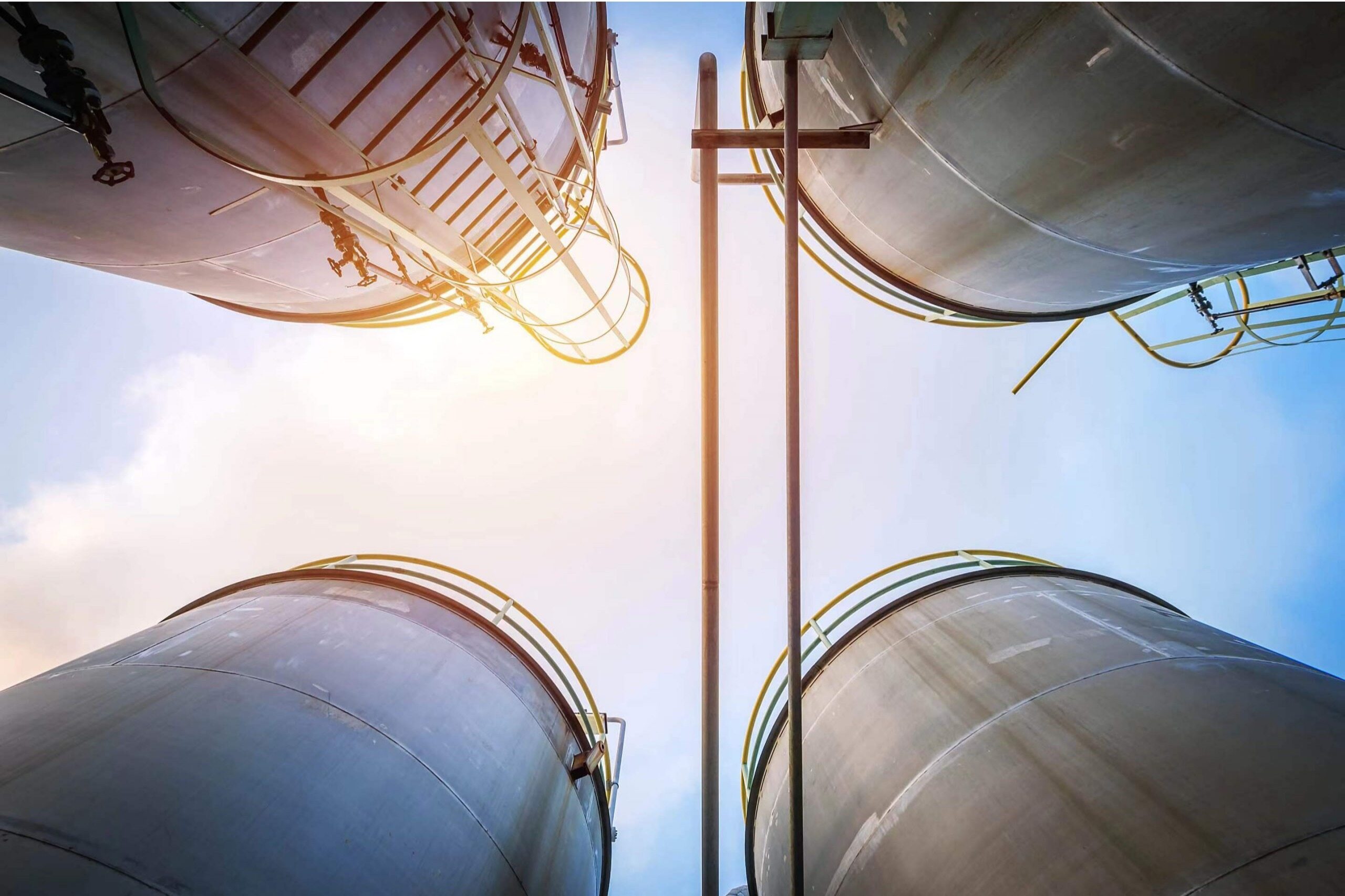
In the early morning of the Jutland Peninsula, the wind of the North Sea blows through the fields of the Lahm region. Here, a seemingly ordinary factory is quietly adjusting its production rhythm with the changes in wind power - accelerating when the wind is strong and slowing down when the wind is weak. This is not a science fiction scene, but the real working state of the world's first "dynamic green ammonia factory". On December 20, 2025, this factory, jointly built by multiple leading Danish companies, successfully collected the first batch of ammonia products, marking the official entry of a new era of green ammonia production that follows the wind.
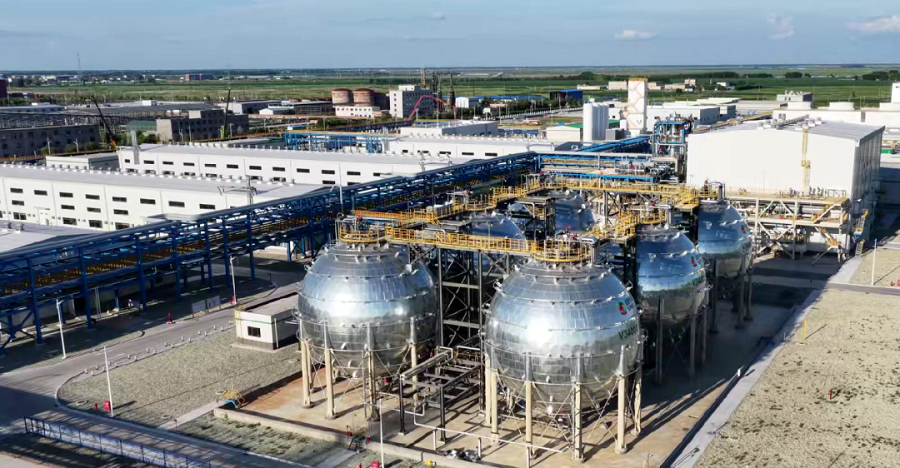
Skip the hydrogen storage challenge
Traditional green ammonia production faces a core bottleneck: electrolysis of water to produce hydrogen requires stable electricity, while renewable energy sources such as wind power and photovoltaics have volatility and usually require expensive energy storage systems or hydrogen storage facilities to stabilize fluctuations, which directly drives up the cost of green ammonia.
The innovation of this factory in Denmark lies in completely abandoning the hydrogen storage process. The factory adopts advanced technology from Topsoe to directly couple the electrolytic water hydrogen production and ammonia synthesis units with the wind power system. When wind speed changes cause fluctuations in power generation, the production system can automatically adjust and adapt to changes in energy input in real time, achieving flexible production of "more production when the wind is strong, less production when the wind is weak".
This is not just about technological optimization, but also a shift in thinking patterns, "said the project participants. By skipping the hydrogen storage step, the factory eliminates a series of infrastructure such as hydrogen storage tanks, compression equipment, safety systems, etc., not only reducing initial investment by about 30%, but also greatly simplifying system complexity and operation costs. Industry analysis suggests that this breakthrough may reduce the production cost of green ammonia by more than 20%, clearing key economic barriers for large-scale applications.
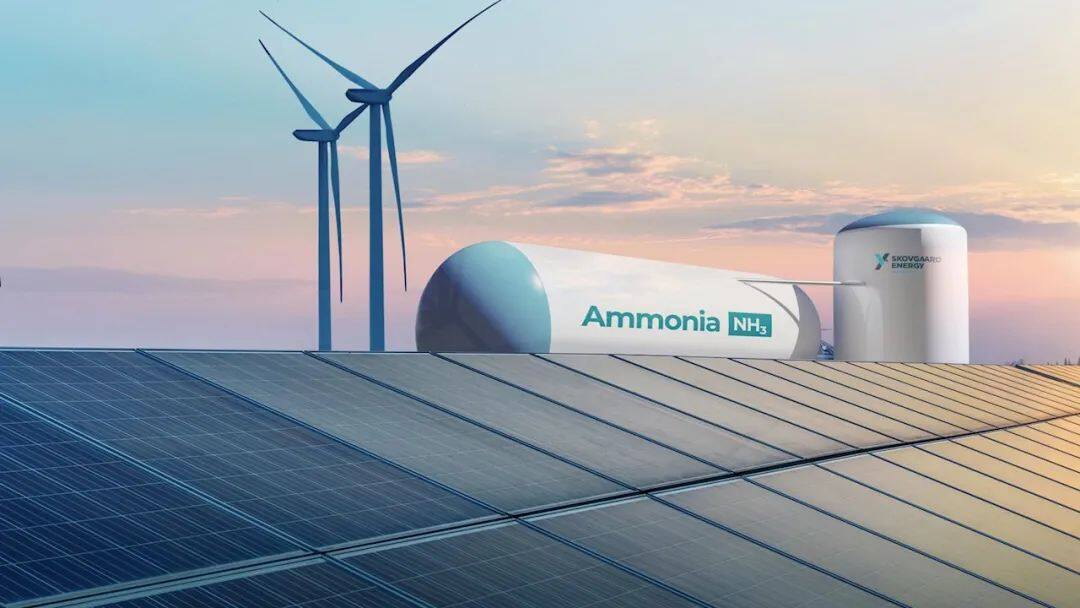
European Energy Independence Industrial Experiment
The dynamic green ammonia plant in Denmark was born against the strategic backdrop of Europe seeking energy independence. The European Commission's "Net Zero Industry Act" released in 2024 explicitly lists green hydrogen and green ammonia as strategic clean energy carriers, with plans to achieve domestic green hydrogen production capacity of 10 million tons by 2030. However, how to combine unstable renewable energy with continuous industrial processes has always been a technical challenge.
The Ram factory has provided a feasible solution. The project integrates wind turbines from wind power giant Vestas, energy management from Skovgaard Energy, and synthesis technology from Topso, forming a complete chain of "wind power hydrogen production ammonia synthesis". Although the initial scale of factory design capacity is not large, its technological path has strong replicability, making it particularly suitable for promotion in coastal and remote areas with abundant wind and solar energy.
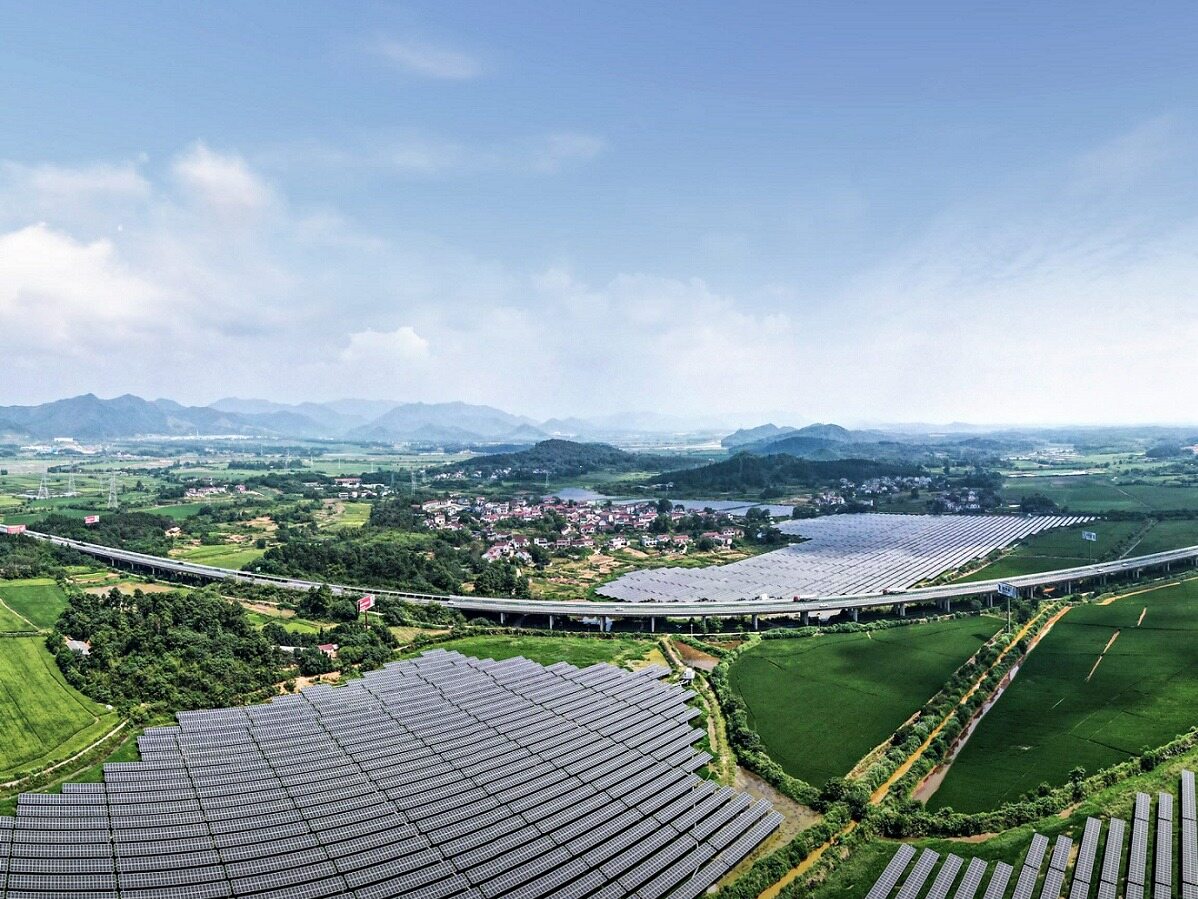
It is worth noting that this distributed and flexible production model coincides with the concept of China's ongoing "integrated wind solar hydrogen ammonia" project. The large-scale green ammonia projects planned by China in Inner Mongolia, Gansu and other places are also facing challenges in renewable energy consumption and cost control. Denmark's practice has provided China with a new approach of bypassing the hydrogen storage process and directly coupling it.
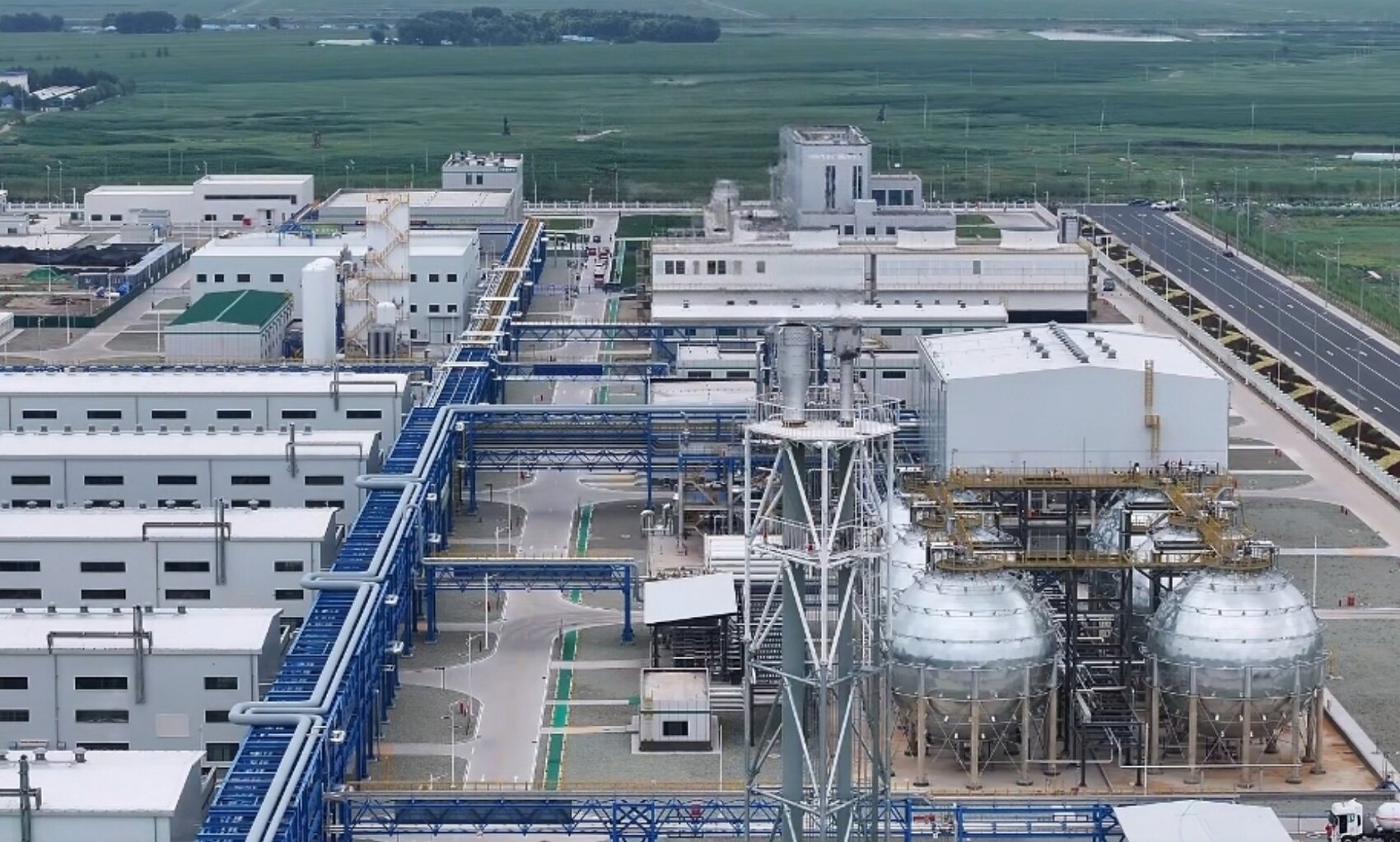
From Denmark to the world
Green ammonia is not only a key raw material for future carbon free fertilizers, but also an important candidate fuel for decarbonization in maritime transportation. The International Energy Agency report shows that the shipping industry accounts for 3% of global carbon emissions, and green ammonia is considered one of the most promising options to replace marine fuel. Maersk and other shipping giants have started investing in ammonia powered vessels, and it is expected that the first batch of large ammonia fueled cargo ships will be put into operation by 2030.
The production of the Danish factory coincides with this industry turning point. Topso executives stated, "This proves that green ammonia is no longer a laboratory concept, but a technical solution with commercial conditions." The first batch of green ammonia produced by the factory will mainly be used for local agricultural fertilizer testing, and the next step will be to expand into the field of green shipping fuels.
The more profound impact is that this "dynamic production" model may reshape the energy usage patterns of high energy consuming industries. High energy industries such as steel and chemical can adopt similar architectures in the future, directly utilizing volatile renewable energy, reducing dependence on grid stability, and accelerating the decarbonization process of the entire industrial sector.
With Denmark taking the crown of the world's first dynamic green ammonia factory, the green energy competition has entered a new track. Technological progress, cost reduction, and policy promotion are forming a synergy, and a green ammonia era that adapts to the wind may come faster than expected.Editor/Yang Meiling
Comment

 Praise
 Collect
 Comment

 Share
Share


Write something~