 Search


- In the complex geopolitical puzzle of the Middle East, a steel artery spanning the Arabian Peninsula is being reconnected

On the geopolitical chessboard of the Middle East, a deal about steel and logistics is reshaping the regional economic map. Recently, the memorandum of transportation cooperation signed by Türkiye, Jordan and Syria in Amman is not a simple agreement on infrastructure repair, but a strategic suture for the "land bridge" fault zone in the Middle East.
When the transportation ministers of the three countries held hands together, they attempted to awaken not only the dormant Hanzhi Railway, but also a super freight corridor connecting the Mediterranean and Red Sea, radiating across the Eurasian continent. Against the background that war ridden Syria needs to be rebuilt, Türkiye seeks to be an energy hub, and Jordan aspires to become a regional transit center, this railway centered agreement has become the key to solving the logistics dilemma in the Middle East.
Economic engine from historical relics to standard gauge
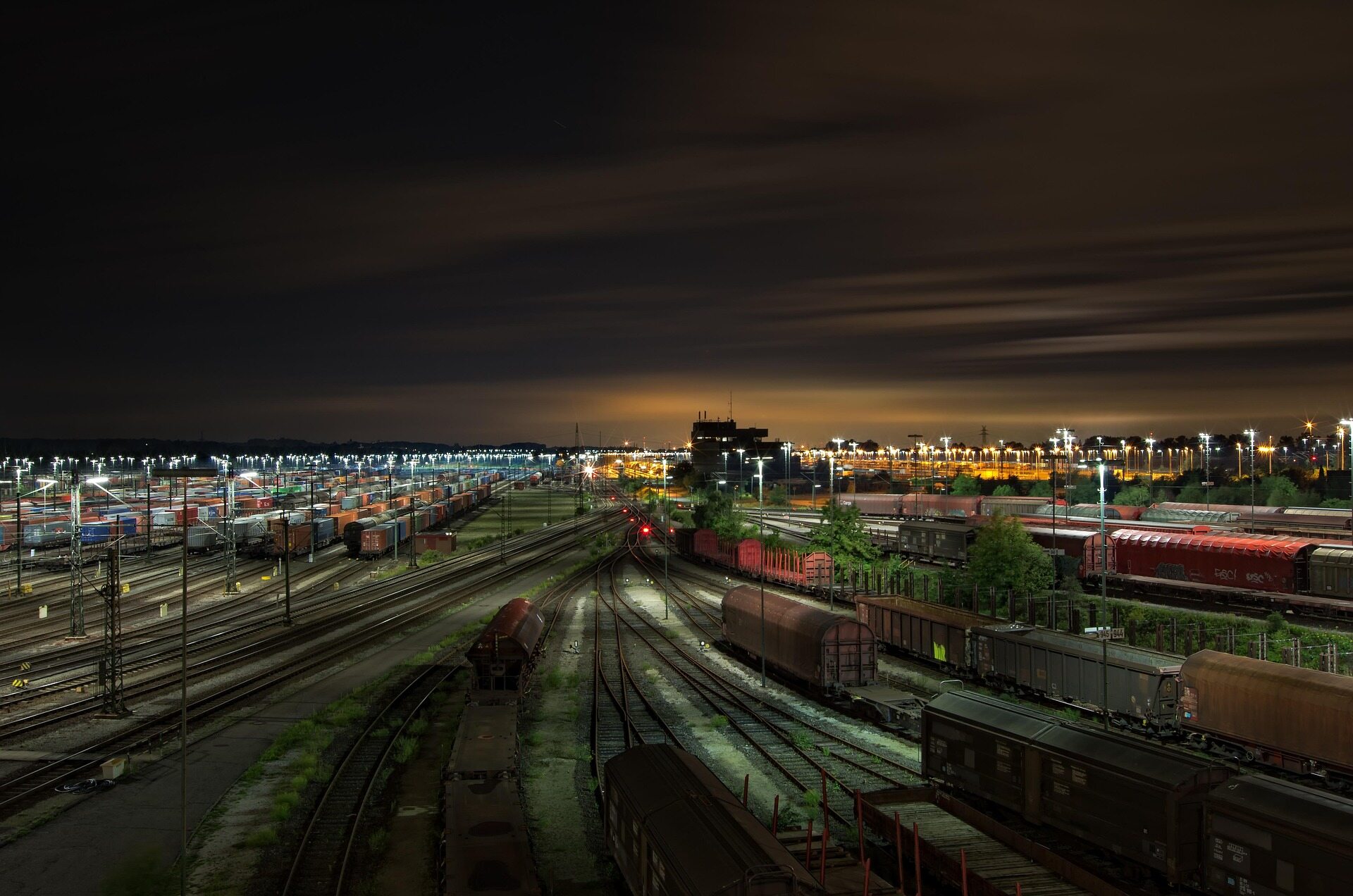
The core ambition of this cooperation is the systematic revival of the Hanzhi Railway. This railway, which was built in 1908 and has a total length of 1900 kilometers, was once the artery of the Ottoman Empire, but now it is fragmented due to uneven gauge and aging facilities. Türkiye has clearly pointed out that the restart is not retro, but to establish a new connection in line with modern international standards.
According to the agreement, the three countries will carry out emergency repairs and technological upgrades on the Damascus to Amman section within the next three years, with the goal of raising the existing operating speed of less than 50 kilometers per hour to the standard of a freight dedicated line. More groundbreaking is that the three countries have agreed to establish a unified cross-border railway dispatch mechanism, which is expected to shorten the freight time from Istanbul to Riyadh by 40%.
This project not only symbolizes historical reconciliation, but is also seen as the "first cornerstone" of Syria's post-war reconstruction. Its estimated $2.5 billion in repair funds will mainly be used for the electrification of double lines, completely bidding farewell to the high cost era of relying solely on road transportation.
Building a golden logistics triangle between the Mediterranean and Aqaba
If railways are the backbone, then ports are flesh and blood. One of the most strategic points in the memorandum is to bind Mersin Port in Türkiye, Latakia Port in Syria and Aqaba Port in Jordan into a complex fluid. Data shows that the current cost of container multimodal transportation in the Middle East is 30% higher than the global average, mainly due to the lack of coordination between ports and railways.
The new mechanism attempts to break this barrier: after unloading goods from the Mediterranean, they are directly transported south through the revitalized railway network and loaded onto the Red Sea at the port of Aqaba, achieving "one customs declaration, one order to the end". The Minister of Transport of Türkiye revealed that the technical delegation will go to Saudi Arabia for consultation next week, with the intention of extending this corridor southward to Jeddah Port, and finally forming a "dry port" network that runs through the Arabian Peninsula and cuts across Europe, Asia and Africa. According to the World Bank's calculations, if the corridor is fully operational, transit fees alone can bring over $1.5 billion in net income to the three countries annually and drive a 5% increase in industrial output along the route. Keywords: Middle East news, logistics development
This cooperation, which began in Amman, is essentially using the "hard connectivity" of infrastructure to hedge against the "soft tearing" of geopolitics. When the first train loaded with goods crossed the ruins of Damascus and headed towards Amman, it carried not only commodities, but also the regional integration dream of the Middle East region to self generate and break free from external dependence. With the potential addition of Saudi Arabia, this once pilgrimage route is transforming into an indispensable strategic shortcut in the global supply chain of the 21st century.Editor/Cheng Liting
Comment



 Praise
 Collect
 Comment

 Share
Share


Write something~