 Search


- National deployment of railway construction, a batch of key high-speed railway projects are about to be launched
- Improving the Eight Vertical and Eight Horizontal Railway Networks, Multiple Railway Projects in Various Regions Embrace Opportunities for Construction
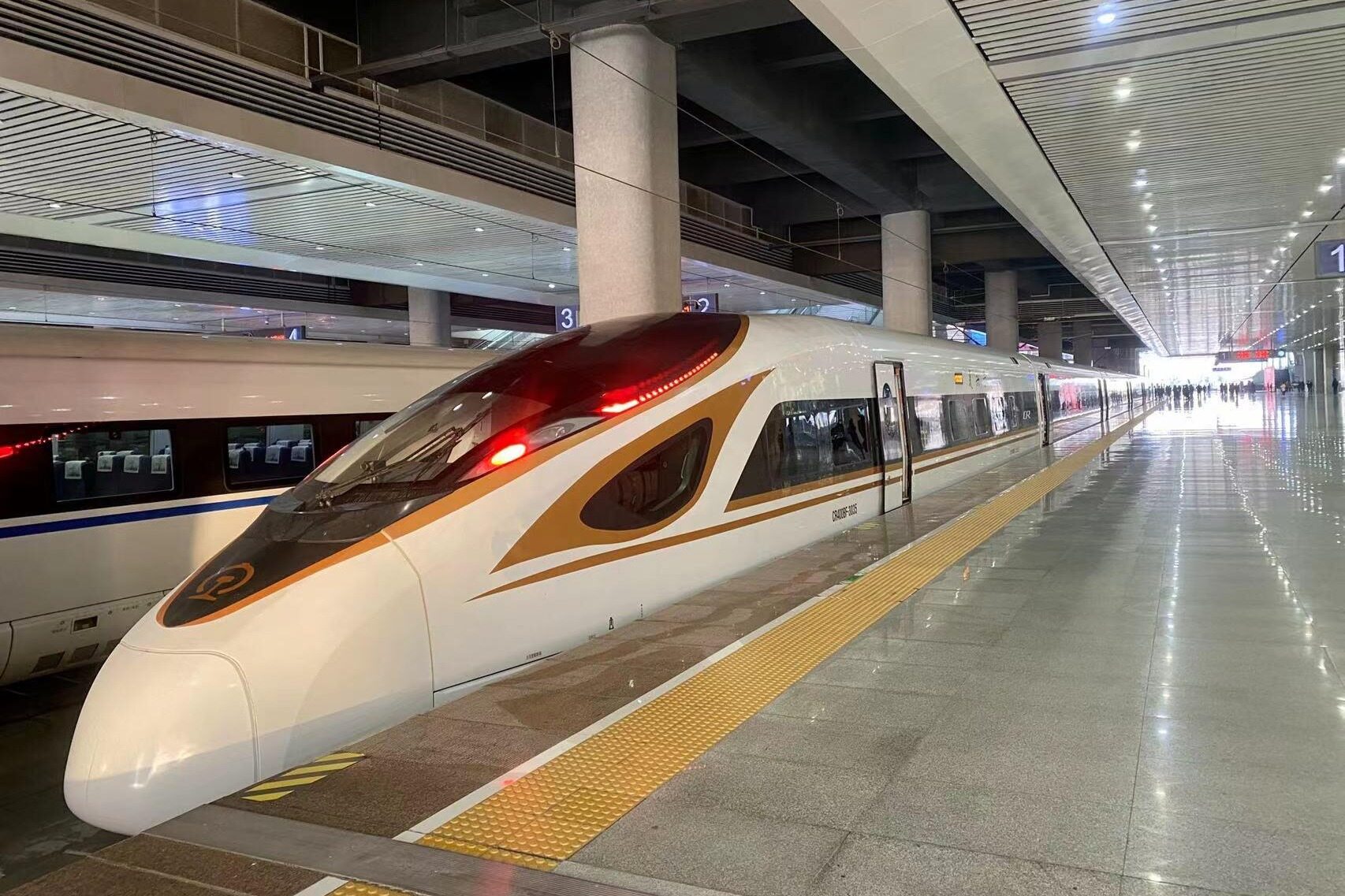
On April 2, 2026, Li Chunlin, Deputy Director of the National Development and Reform Commission, presided over a special meeting to study and deploy the preliminary work of key railway projects in 2026, coordinate the implementation of policies and factor guarantees, and steadily promote the construction of major railway projects. The following 10 key railway projects are expected to officially start construction within 2026.
Fuyang to Huanggang high-speed railway
The Fuhuang high-speed railway is a key section of the western line of the national "Eight Verticals and Eight Horizontals" Beijing Hong Kong (Taiwan) corridor, responsible for connecting the main north-south high-speed railway channels. The northern end of the line connects with the existing Shanghe Hangzhou, Zhengfu high-speed railways, and the under construction Fuhuai intercity railway at the Fuyang hub. The middle section intersects with the planned Nanxinhe high-speed railway and the under construction Hewu high-speed railway. The southern end connects to the existing Huanghuang high-speed railway and leads to Jiujiang via the Huangmei Southwest Link Line.
The total length of the main line of the project is 318.4 kilometers, including 53.6 kilometers in Anhui, 135.6 kilometers in Henan, and 129.2 kilometers in Hubei. The designed speed is 350 kilometers per hour, with a total investment of approximately 52.1 billion yuan and a planned construction period of 4 years. The line will merge with the Nanxinhe high-speed railway at Huangchuan South Station, and simultaneously construct the Hewu high-speed railway connection line in Macheng area and the Huangmei South station connection line at Jiujiang hub.
Nanxinhe High speed Railway
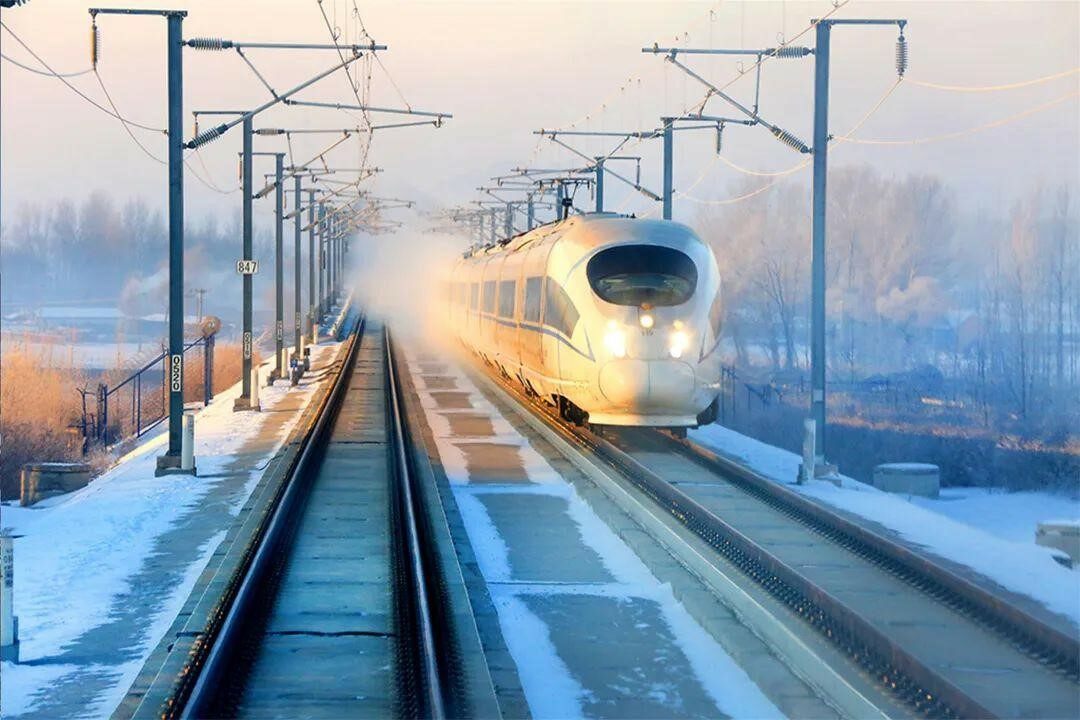
The Nanxinhe high-speed railway belongs to the Ningxi high-speed railway corridor, which is an important connecting line of the national "Eight Verticals and Eight Horizontals" high-speed railway main channel and an important auxiliary channel of the Yangtze River high-speed railway. The project has been included in the national "14th Five Year Plan" railway plan, and survey and design will be launched in 2022. It will pass the pre feasibility study review of China Railway Group in May 2024, complete the feasibility review in September 2025, and pass the feasibility evaluation and industry review of the National Development and Reform Commission and the National Railway Administration by the end of March 2026. Approval is imminent.
The line starts from Nanyang East Station of Zhengyu High speed Railway, and connects to Jinzhai East Station of the under construction Hewu High speed Railway through Xinyang East Station and Huangchuan South Station. At the same time, a connecting line from Jinzhai East Station to Dushan Station is constructed to connect the existing Hewu Railway. The newly built main line is about 390 kilometers long, including 11 kilometers in the Anhui section, with a designed speed of 350 kilometers per hour and a total investment of about 66.6 billion yuan.
Qianjiang Jishou High speed Railway
The Qianjiang Jishou high-speed railway is an auxiliary channel of the Xiamen Chongqing corridor and a part of the high-speed passenger transport corridor from Chengdu Chongqing to the Guangdong Hong Kong Macao Greater Bay Area. It is an important part of the Chongqing meter shaped high-speed railway network. The survey and design of the project will start in September 2022, pass the pre feasibility study review in May 2024, the feasibility study review in October, and the preliminary design pre-approval in November 2024. The project proposal evaluation will be completed in January 2026, and the feasibility study evaluation is expected to be approved in the first half of the year. The newly built line has a total length of 222 kilometers, including 71 kilometers in Hunan and 151 kilometers in Chongqing, with a designed speed of 350 kilometers per hour and a total investment of 45.4 billion yuan. There will be 5 stations along the entire line, including 3 new stations in Youyang West, Xiushan North, and Huayuan. The existing Qianjiang Station and Jishou East Station will be utilized, with a planned construction period of 5 years.
Zhanjiang Haikou high-speed railway
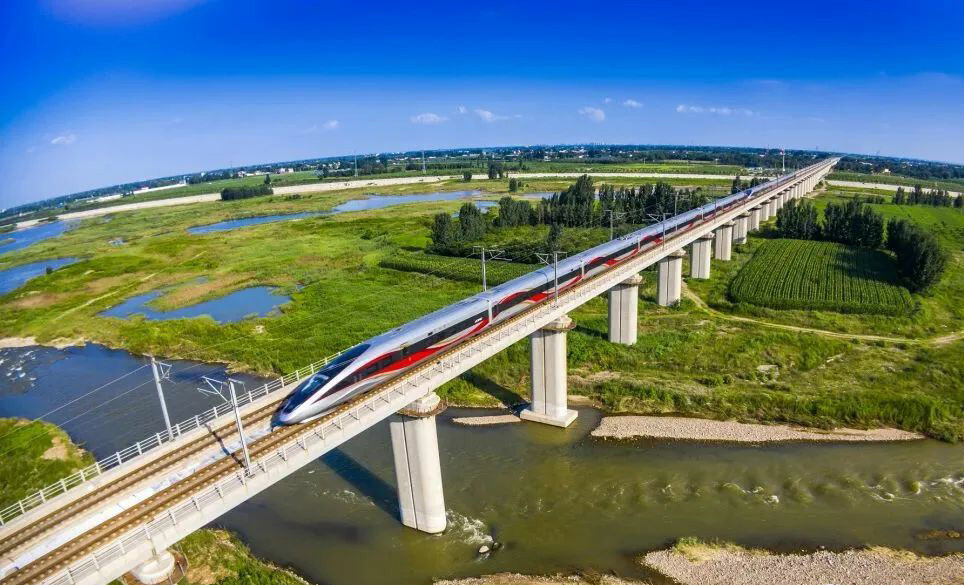
The Zhanhai High speed Railway is an important component of the national "Eight Verticals and Eight Horizontals" Bao (Yin) Sea Passage and Coastal High speed Railway Channel. The project passed the feasibility study review in January 2019, completed the feasibility study and revision review in 2023, and obtained the feasibility study approval from the National Development and Reform Commission at the end of December 2025. Currently, the preliminary design pre procedures and approval work are being promoted. The construction content covers five major parts: Zhanjiang Hub, Zhanjiang Haikou Main Line, ferry project, customs inspection facilities, and supporting facilities for high-speed trains on the island.
The total length of the onshore section is 132.3 kilometers, including 128.9 kilometers of the main line from Zhanjiang North to Xuwen South, 3.4 kilometers of the connecting line from Haikou North to Haikou Station, and 22.5 kilometers of the sea ferry section, which adopts the passenger boat crossing mode. The total investment of the project is about 40 billion yuan, with 7 stations including Zhanjiang North, Leizhou North, Longmen West, Xuwen North, Xuwen South Port Station, Haikou North Port Station, and Haikou.
Mudanjiang Dunhua high-speed railway
The Mudun High speed Railway is an important component of the Shenjia High speed Railway and belongs to the regional connecting line of the national "Eight Verticals and Eight Horizontals" main channel. It will be included in the survey and design plan of China Railway Group in 2023, and will pass the feasibility study review in July 2025, entering the stage of location survey and preliminary design. The total length of the main line is 186.92 kilometers, with 61.46 kilometers in Jilin and 125.46 kilometers in Heilongjiang. The total investment is 26.7 billion yuan, and the planned construction period is 4.5 years. There are 5 stations along the entire line, including the construction of Yanming Lake and the reservation of 2 stations in the east of Tokyo City. Two stations in Dunhua and Ning'an will be renovated and expanded, while the existing Mudanjiang Station will be used. Simultaneously constructing a 27 kilometer connecting line from Dunhua to Changbai Mountain to Yanji, the relocation project of the Tokyo Metropolitan Expressway, and the expansion project of 8 storage lines at Mudanjiang EMU Depot.
Hexin High Speed Railway from Sixian to Suqian section
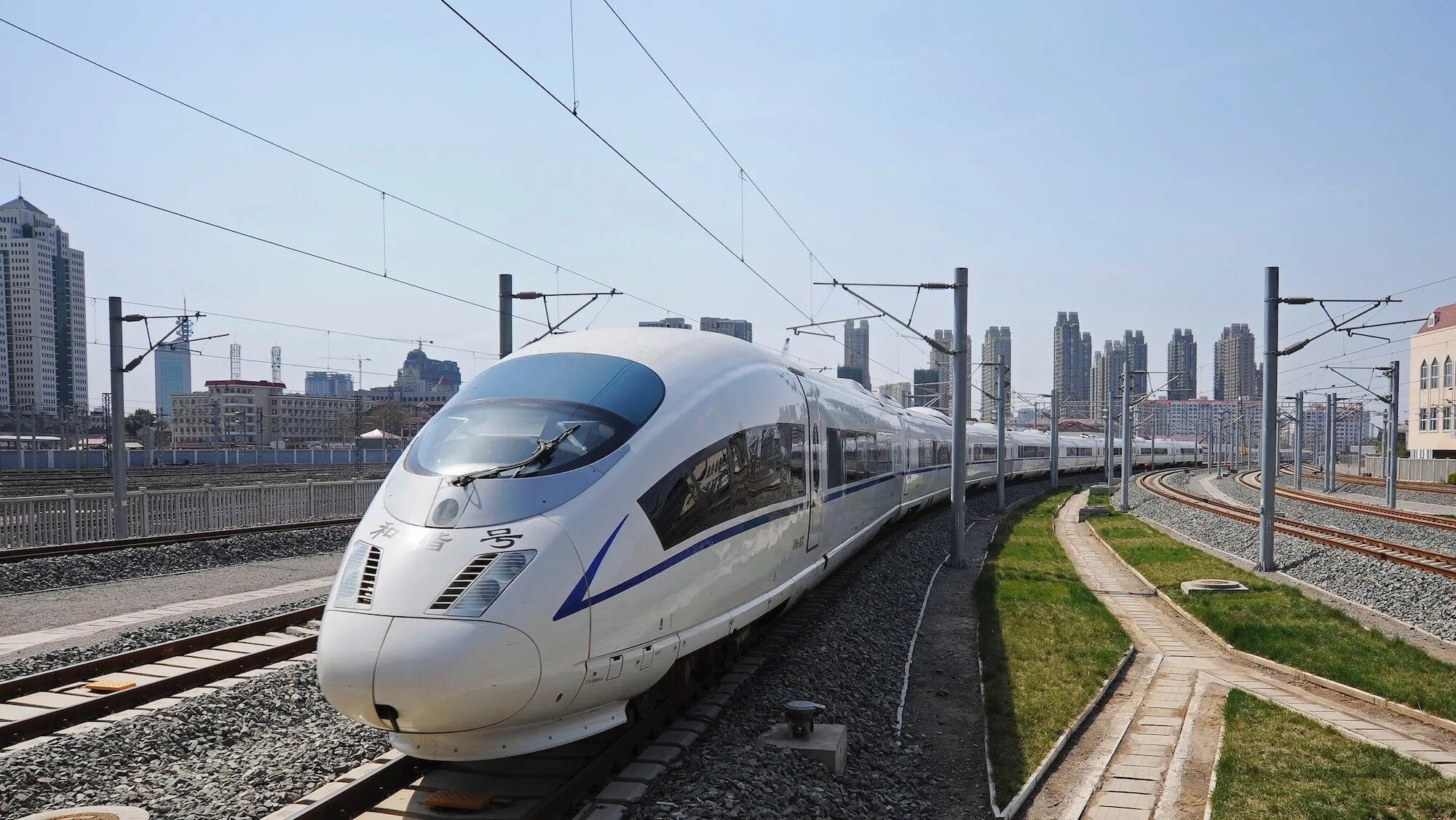
The Sixian to Suqian section of the Hefei New High Speed Railway is a connecting line between the main channels of the Beijing Shanghai, Beijing Hong Kong (Taiwan), land bridge, and Yangtze River "two vertical and two horizontal" high-speed railways. It connects to the under construction Weisu high-speed railway to the north and to the Anhui section of the completed Hefei New High Speed Railway to the south, which can open up a fast track from Hefei to Qingdao, from southwestern South China to Beijing Tianjin Hebei, Shandong Peninsula, and Northeast China. The route starts from the Yangbei Line Station in Suqian in the north and enters Anhui to connect with Sixian East Station in the south. The total length of the main line is 59.1 kilometers, with 44.8 kilometers in Jiangsu and 14.3 kilometers in Anhui. The designed speed is 350 kilometers per hour, and the total investment is about 8.7 billion yuan. At present, the preliminary design of the project has been reviewed, and China Railway Group and the provinces of Jiangsu and Anhui are working together to promote the approval of the project proposal and feasibility study report.
Wenshan Jingxi Railway
The Wenshan Jingxi Railway starts from Jingxi Station in Guangxi, passes through Jingxi, Napo, Funing, Guangnan, and Yanshan, and ends at Wenshan Station on the under construction Wenmeng Railway. It is a key section of the Yunnan Guangxi border railway and a convenient passage for goods from southwestern Yunnan to go abroad. The new mainline is about 282 kilometers long, with 80 kilometers in Guangxi and 202 kilometers in Yunnan. It is a single track railway for both passenger and freight transportation, designed for a speed of 160 kilometers per hour, with a total investment of about 35.7 billion yuan and a construction period of 5 years. There are 24 stations along the entire line, including 21 new ones, 2 renovated existing Funing and Jingxi stations, and 1 Wenshan station on the Wenmeng Railway. The project is included in the national "14th Five Year Plan", and the preliminary design will pass the review of China Railway Group in October 2025. Currently, the feasibility study is awaiting approval from the National Development and Reform Commission.
Electrification renovation of the Gela section of the Qinghai Tibet Railway
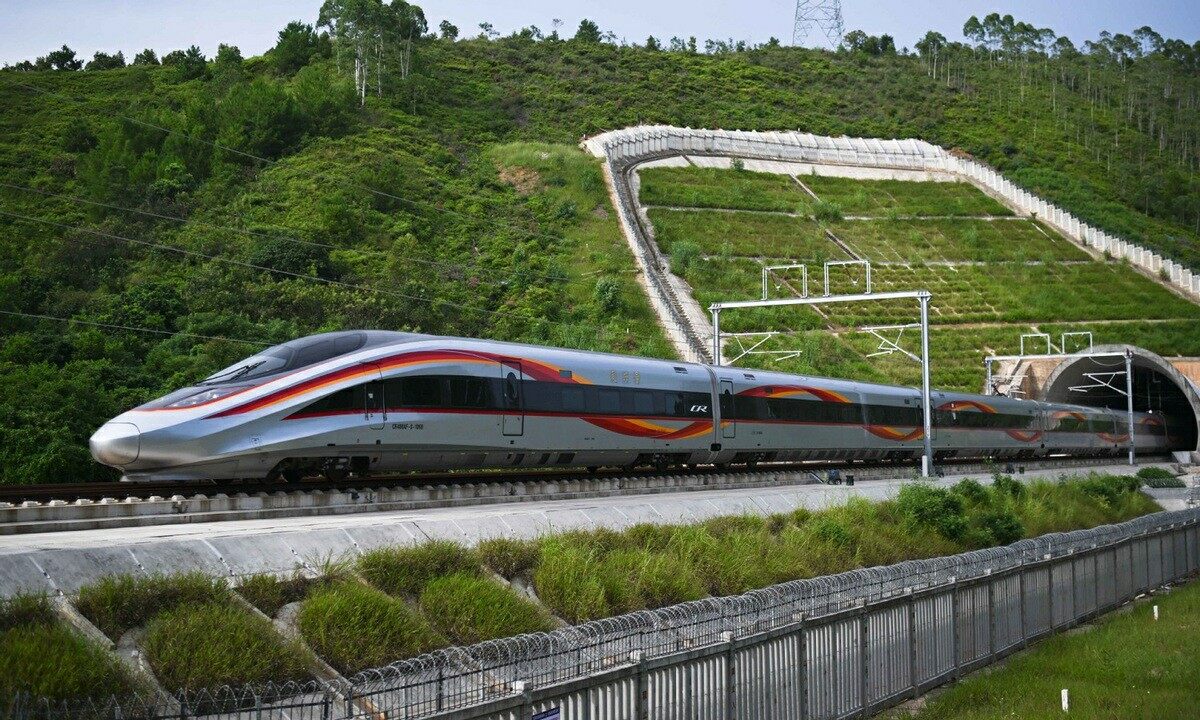
The project mainly involves the electrification upgrade of the Golmud Lhasa section of the Qinghai Tibet Railway, extending the effective length of the arrival and departure lines of the stations along the line to 880 meters, except for Lhasa Station, with a total of 32 stations, and renovating the passenger facilities of Anduo, Nagqu, and Dangxiong stations to meet the stopping conditions of high-speed trains. The total investment of the project is 13.746 billion yuan, with a construction period of 2.5 years. At present, the Gela section of the Qinghai Tibet Railway is a single track with nearly saturated capacity, making it difficult to meet the demand for passenger and freight transportation. After the renovation, the bottleneck of transportation to Tibet will be overcome, enabling the Fuxing high-speed train to travel directly from Xining to Lhasa. The preliminary design of the project has passed the review, and the electrification external power supply supporting project has started.
Lalin Railway Capacity Expansion and Renovation
The expansion and renovation of the Lhasa Linzhi Railway mainly involves adding a second line to the existing line. The line starts from the west end of Lhasa Station and ends at Linzhi Station, connecting to the Yalin section of the Sichuan Tibet Railway. The total length of the added second line is 440.9 kilometers, with a bridge to tunnel ratio of 79.4%, 17 stations, and a design speed of 160 kilometers per hour. As a common section of the Sichuan Tibet and Yunnan Tibet railways, the original construction standards of the Lalin Railway do not match those of the Yalin section of the Sichuan Tibet Railway. Keywords: railway construction, high-speed rail, eight vertical and eight horizontal lines
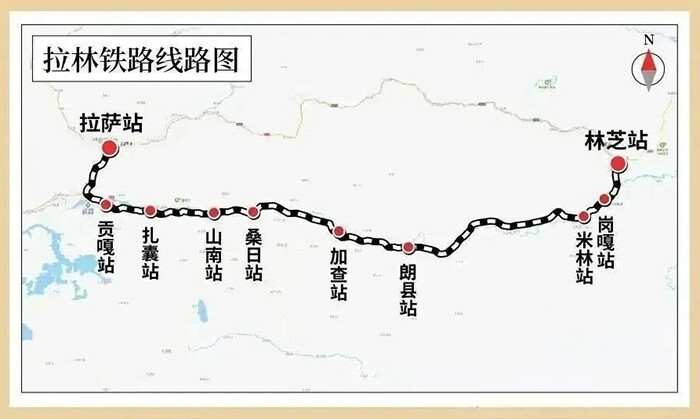
With the completion of the Yalin section of the Sichuan Tibet Railway around 2031 and the commencement of the Bomi to Ranwu section of the Yunnan Tibet Railway, single track transportation capacity will become a bottleneck in the passage, making it urgent to implement double track renovation.Editor/Gong Ziwei
Comment


 Praise
 Collect
 Comment

 Share
Share


Write something~