 Search


- The project has received over 2 million US dollars in grant support from the bank, far exceeding the initial demand
- The project has received over 2 million US dollars in grant support from the bank, far exceeding the initial demand
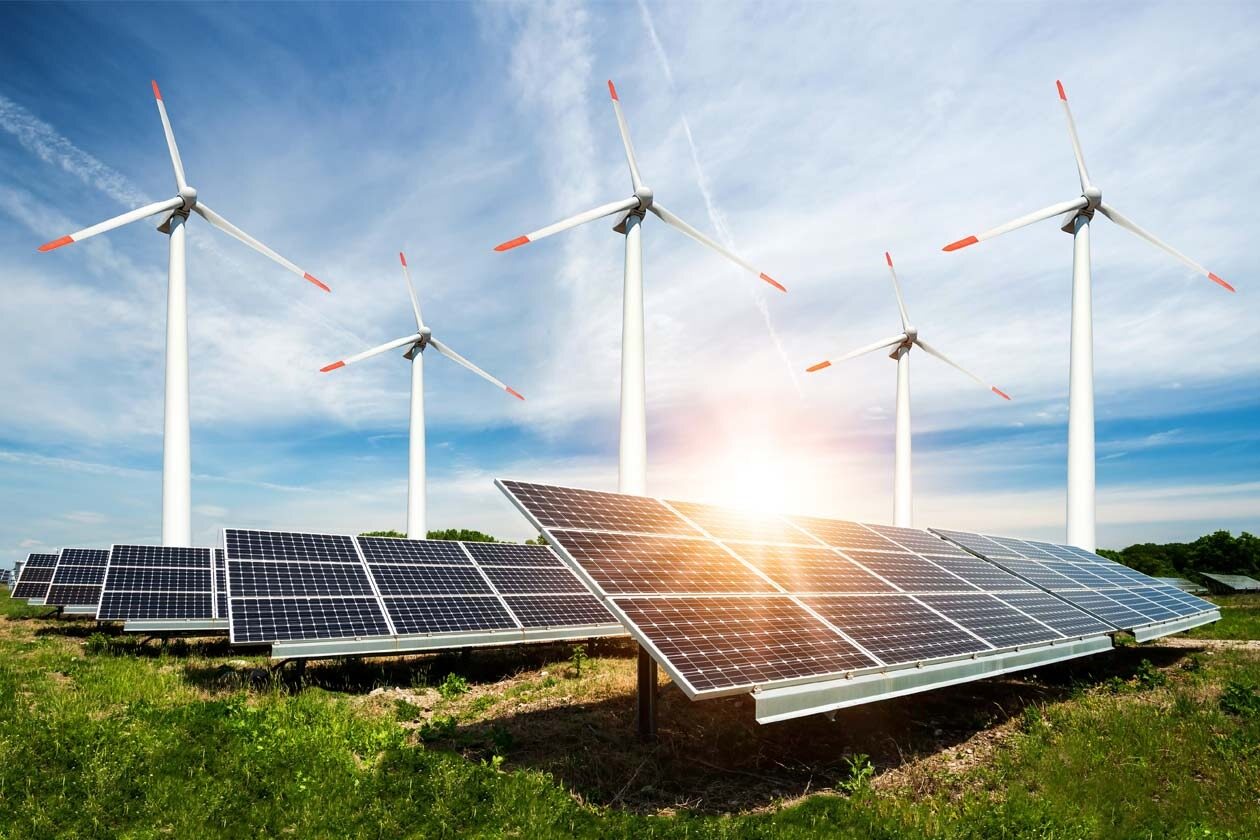
In Baku, the capital of Azerbaijan, a strategic handshake about the future of energy is changing the energy landscape of the Eurasian continent. On November 13, 2024, the energy ministers of Kazakhstan, Azerbaijan, and Uzbekistan signed a strategic partnership agreement on green energy production and transmission in Baku. Now, this grand cross-border project has received crucial legal protection.
On March 11, 2026, the lower house of the Kazakh parliament officially approved the agreement. Kazakhstan's Energy Minister Yellan Akhenanov submitted this document to lawmakers, marking the official legislative support of Kazakhstan for the "Green Energy Corridor" aimed at connecting Central Asia and Europe.

Green Electricity Direct to Europe
According to the agreement, the abundant renewable energy resources of Kazakhstan and Uzbekistan, including green hydrogen and ammonia, will be transported to Azerbaijan through a high-voltage deep-sea direct cable laid on the seabed of the Caspian Sea. Energy Minister Akhenanov emphasized that this is not just a regional line, and in the future, electricity will be further exported to European countries through similar projects in the Black Sea.
This technically complex but strategically significant cable will become Kazakhstan's "ticket" to directly enter the EU electricity market. Member of Parliament Yerborat Satibadi pointed out that trilateral cooperation is not limited to power transmission, but also includes modernization and integration of energy infrastructure, as well as the development of new interconnected systems. Cooperation will be based on the principles of equality, mutual benefit, and respect for sovereignty.

Bank grants exceed expectations
At present, the initiative has entered the active implementation stage. The energy departments of the three countries have signed memorandums of understanding with the Asian Development Bank (ADB) and the Asian Infrastructure Investment Bank (AIIB) to provide funding for the feasibility study of the project.
The Italian consulting firm CESI has been selected as the consultant responsible for preparing the research report. The feasibility study will determine the financial model and key technical parameters of the green energy corridor. It is exciting to note that although the cost of the feasibility study is expected to be around 1 million euros (approximately 1.15 million US dollars), both development banks have confirmed their readiness to disburse a grant of 2 million US dollars, providing financial support far beyond what is needed in the initial stages and providing a solid financial guarantee for the smooth progress of the project.
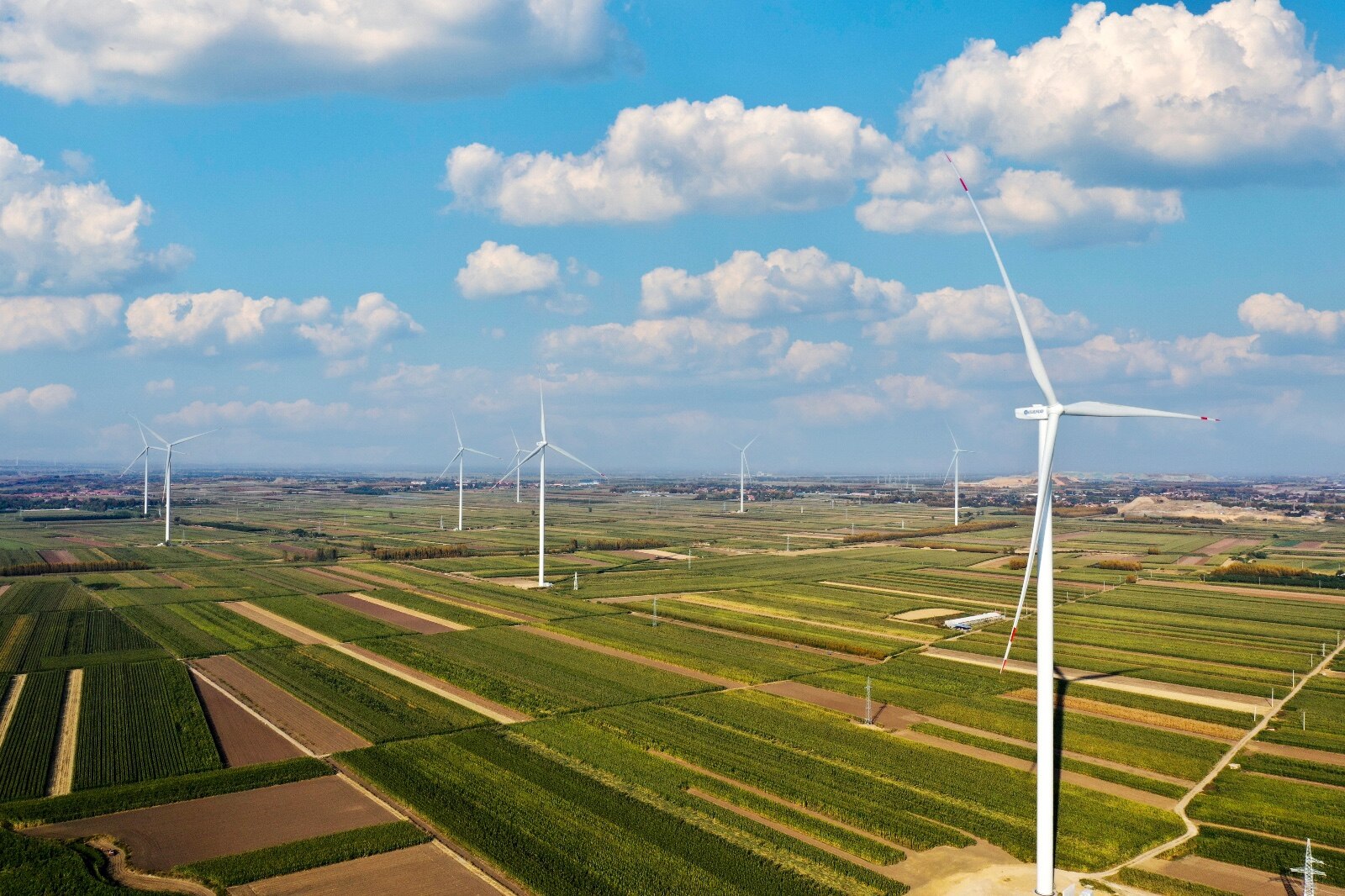
Reshaping the Geopolitics of Energy
The approval of this agreement not only signifies the deep binding of the three countries in the energy sector, but also indicates that Central Asia will transform from a traditional energy exporting region to an important link in the global green energy supply chain. Through this corridor, clean electricity from Central Asia will directly connect with the European market, meeting Europe's green energy needs and bringing considerable economic benefits to Central Asian countries.
With the implementation of the agreement, the three countries will accelerate the promotion of power grid interconnection and infrastructure upgrading, and a green energy artery spanning the Caspian Sea and connecting Europe and Asia is accelerating its formation.Editor/Yang Meiling
Comment

 Praise
 Collect
 Comment

 Share
Share


Write something~