 Search


- Uzbekistan upgrades road and railway management, directly targeting the construction of logistics hubs in Central Asia
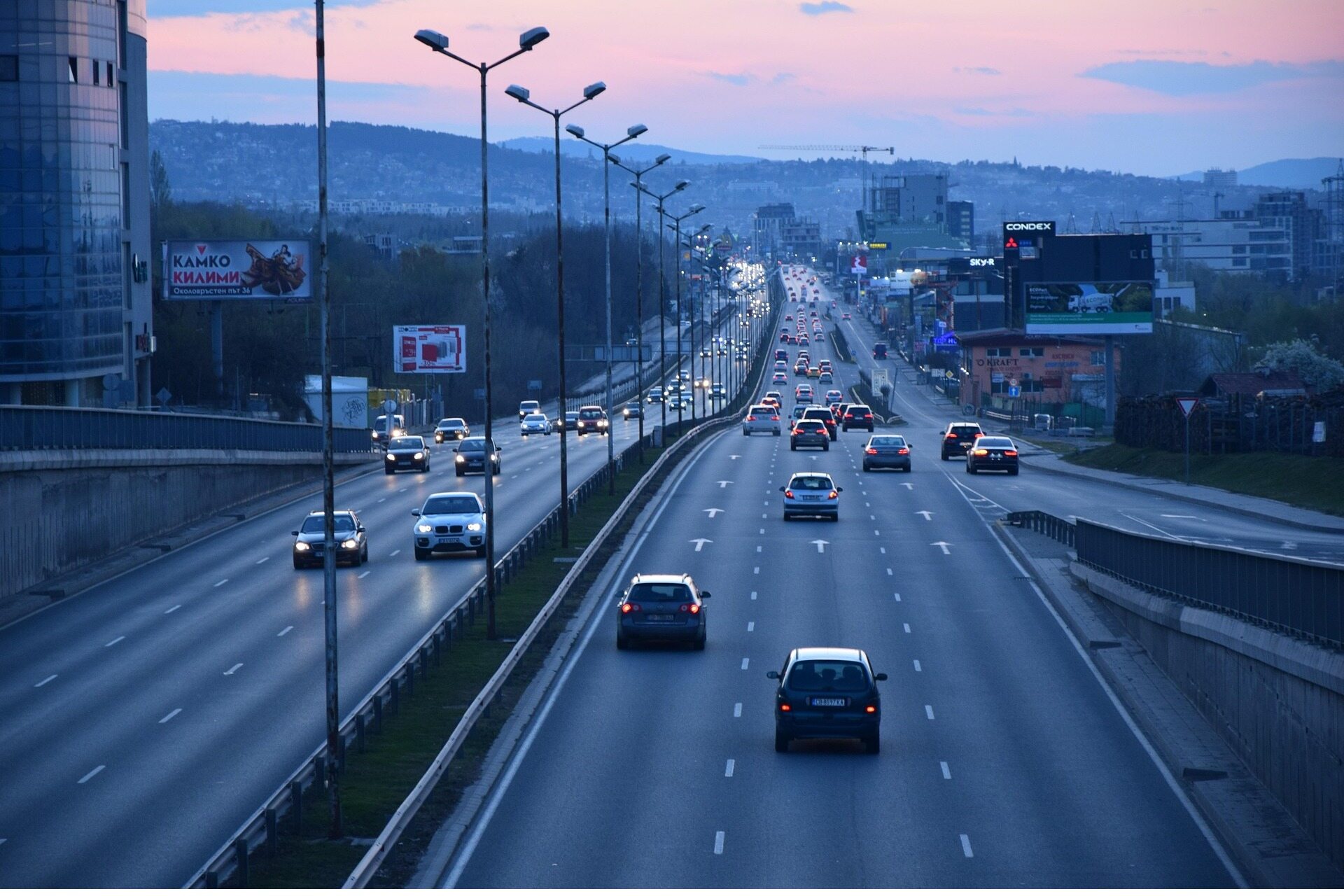
At a critical moment of accelerating the reconstruction of the geopolitical and economic landscape in Central Asia, the World Bank's Executive Board has approved a $200 million special loan to Uzbekistan, aimed at surgically upgrading the transportation arteries in the southern Surkhandarya region of the country.
This funding will not only be used for the expansion of key road sections connecting Tajikistan, Kyrgyzstan, and Afghanistan, but also marks Uzbekistan's strong endorsement by international financial institutions in building a logistics hub in the middle corridor. With the significant increase in the country's logistics performance index over the past nine years, this investment is seen as a key move to maintain its infrastructure growth rate ahead of the explosive growth in the number of motor vehicles.
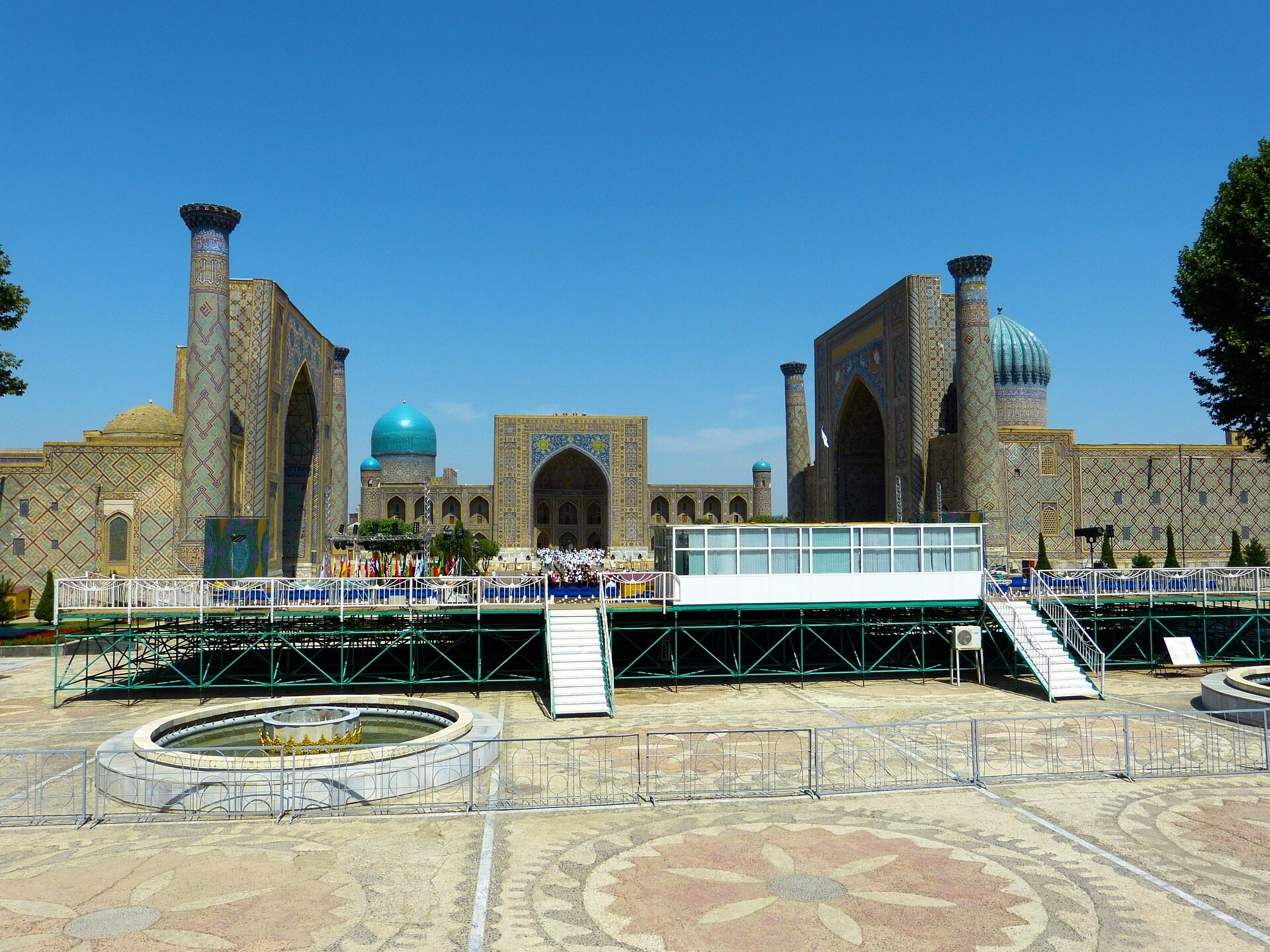
Construct a four lane regional corridor
The core of this project is the thorough renovation of the 91 kilometer section of the M41 expressway. This strategic corridor connecting the three countries will be upgraded from the existing two lane road to a four lane road, and about 180 bridges and drainage facilities will be built to resist flood risks. The project not only focuses on the improvement of traffic efficiency - it is expected to increase the average speed outside the settlement from 65 kilometers per hour to 90 kilometers per hour, but also directly benefits 35000 drivers and passengers per day through the renovation of bus stops and the introduction of traffic safety measures. This hardware upgrade is seen as the physical foundation for breaking through the trade bottleneck between Central Asia and South Asia.
From governance architecture to green strategy
The use of funds goes far beyond paving roads and bridges. The World Bank will dispatch Western experts to assist the Uzbekistan Ministry of Transport in formulating the first national strategy for multimodal transportation development, with a focus on introducing data-driven decision-making mechanisms and resilience measures to address climate risks.
At the same time, Uzbekistan Railway Company will carry out in-depth reforms in the fields of environment, society, and governance, paving the way for attracting private capital by enhancing financial transparency and optimizing passenger transport planning. This dual track parallel model of "system+infrastructure" aims to address the soft weaknesses that have long plagued infrastructure in Central Asia.
550000 people benefit from the surge in freight transportation
The ultimate goal of the project is to unleash enormous economic potential. According to estimates, the improvement of infrastructure will directly benefit about 550000 residents along the route and stimulate the regional economy by creating new employment and business opportunities. The broader vision is to cope with the future freight wave - it is expected that by 2030, road transport capacity must expand synchronously to match the expected growth of 500% in freight volume. The World Bank predicts that the new project will significantly promote the growth of transit freight volume, enabling Uzbekistan to fully utilize its geographical advantages as a key node of the Asia Europe Continental Bridge and transform "cross-border finance" into tangible industry revenue.
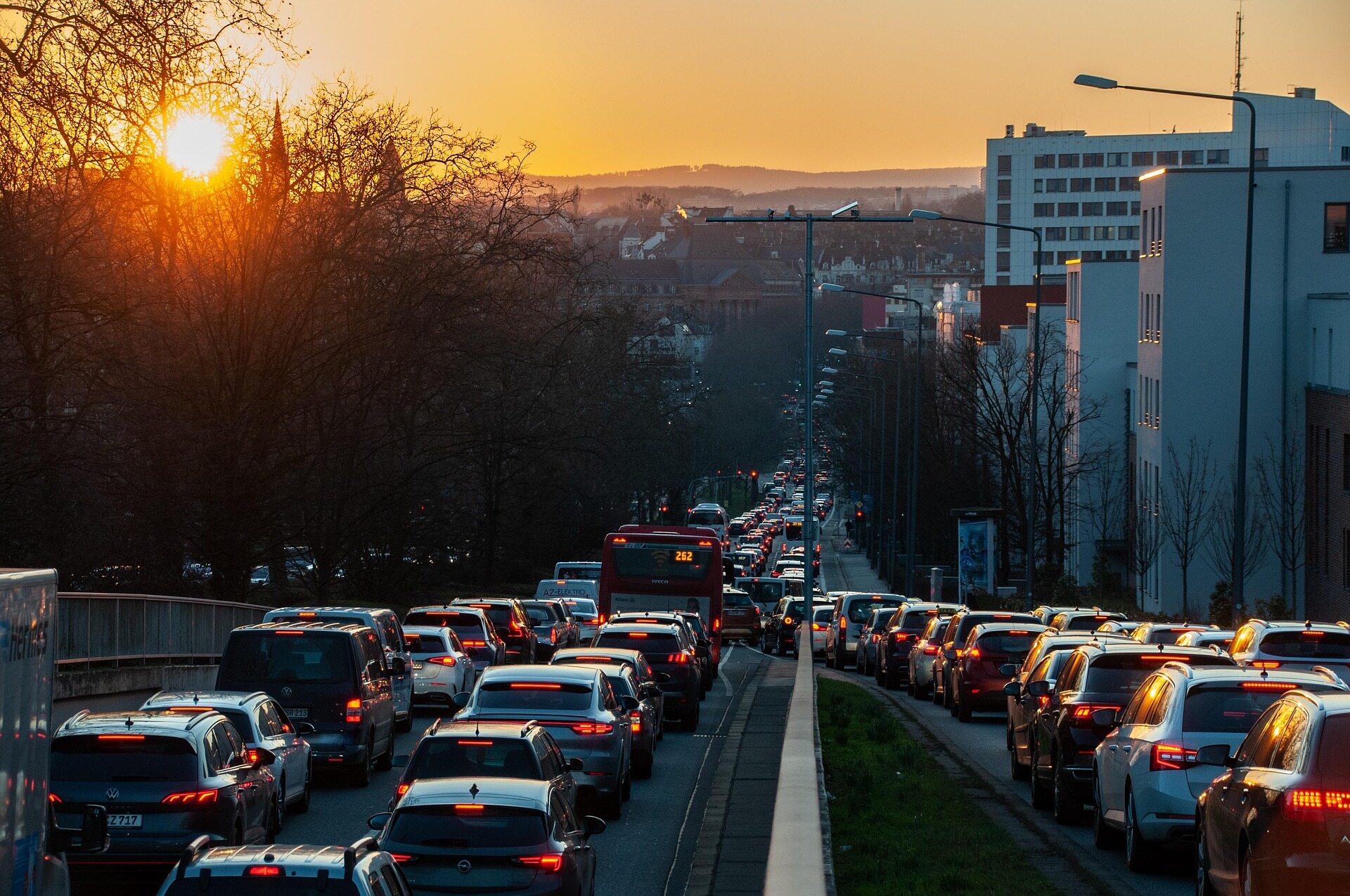
From 129th in the global logistics ranking in 2014 to 88th today, Uzbekistan has completed decades of catching up with many countries in less than a decade. Keywords: international news. traffic
However, the surge in the number of motor vehicles is becoming a sweet burden of this progress. The $200 million World Bank loan this time is not only a recognition of Uzbekistan's past reform achievements, but also a bet on whether it can win in the competition of the Middle Corridor in the future. When the asphalt pavement of the M41 highway extends to the border by 2030, Uzbekistan is not only repairing the road, but also stitching the cracks in regional economic integration.Editor/Cheng Liting
Comment

 Praise
 Collect
 Comment

 Share
Share


Write something~