 Search


- After the completion of the railway, Mongolia's annual coal export capacity will be significantly increased to billions of tons
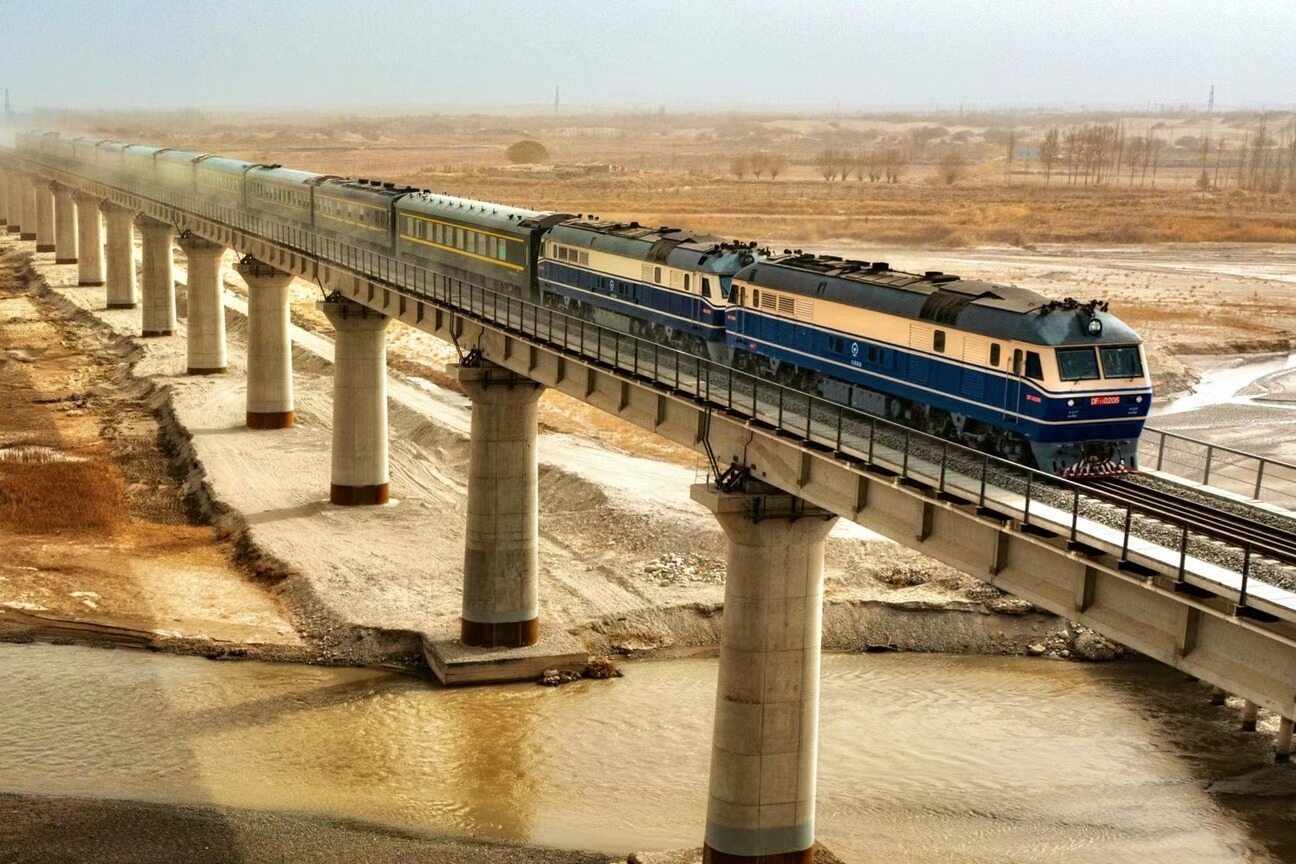
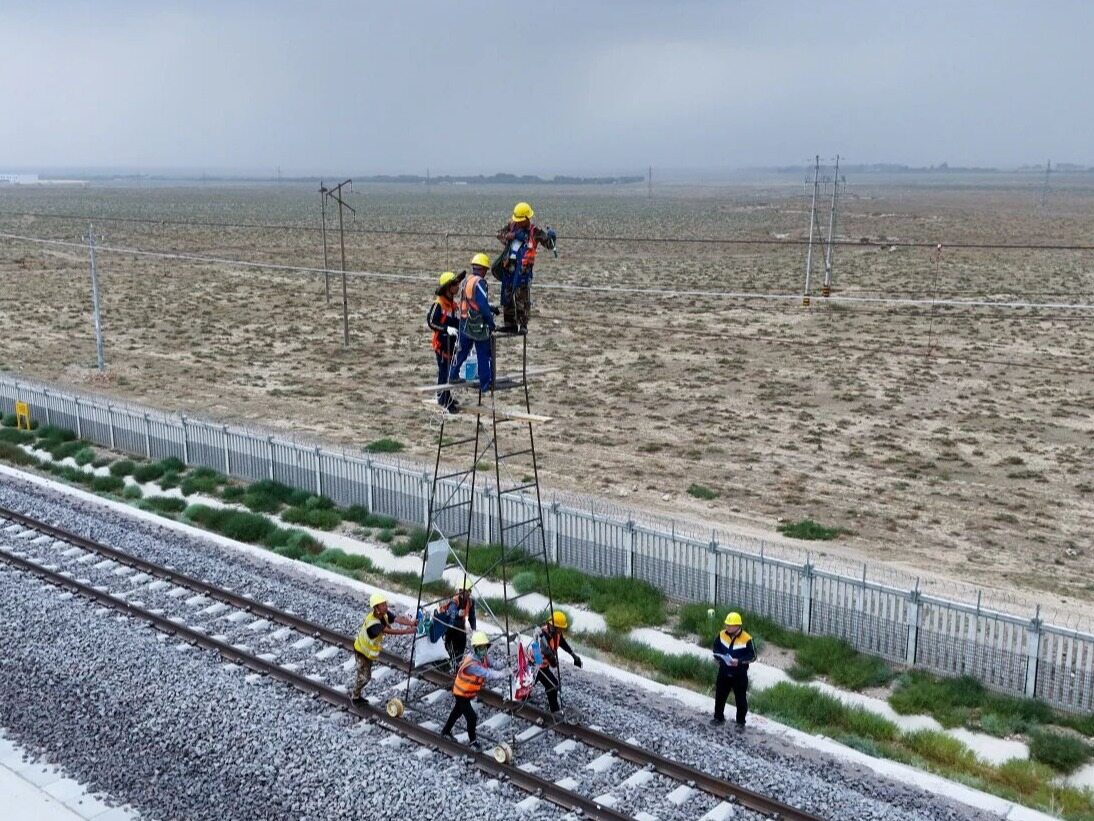
On April 14, 2026, on the Gobi Desert at the Ganqimaodu Port in Inner Mongolia, a steel skeleton was extending towards Mongolia at a visible speed. After nearly 70 years, the second cross-border railway between China and Mongolia has finally penetrated the earth from the blueprint. When the coal trucks at the Taben Tolgoi coal mine were still lining up at the border, this 9.9-kilometer railway track had quietly penetrated the critical node.
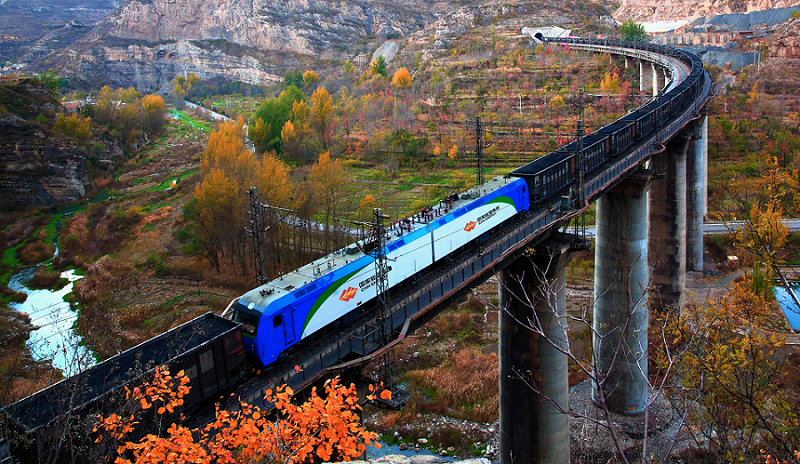
Sprint 80% of the project volume within the year
As of now, about one tenth of the project has been completed, and the accumulated drilling of bridge pile foundations has exceeded 1300. After a field visit in March, the Minister of Transport of Mongolia confirmed that the pouring of frame bridges and culverts has been carried out simultaneously at thirteen construction sites. According to the plan, the construction peak period will begin in 2026, and 70-80% of the construction tasks will be completed within the year. The entire line will be completed in 2027 and trial operation will be launched in April.
China and Mongolia will each build a connectivity project
The two countries adopt a collaborative model of unified design, individual construction, and one-time connectivity. The Chinese domestic section is invested by the National Energy Group, while the Mongolian section is managed by the Taban Tolgoi Railway Company, with China Railway Construction Bridge Bureau undertaking the main construction. The project will lay standard gauge and wide gauge double track lines with a budget of approximately 250 million US dollars. Due to fluctuations in exchange rates and materials, the Mongolian side has established a special working group to discuss additional funding plans.

Coal export capacity doubles and jumps
At present, Mongolia exports about 90 million tons of coal annually, and the transportation capacity of the Gashun Suhaitu Port road is about 40 million tons. After the railway is put into operation, it will increase the annual transportation capacity by 30 million tons, driving the total coal export volume of the country to 160 million tons. The transportation cost is expected to be reduced by two to two and a half times, resulting in an annual increase of approximately $300 million in shipping costs. More profoundly, the railways from Xibo Kulun to Ceke, Hangji to Mandula and other subsequent ports will be replicated in stages based on this template, and the interconnection map between China and Mongolia is shifting from single point breakthroughs to full line deployment.Editor/Gao Xue
Comment



 Praise
 Collect
 Comment

 Share
Share


Write something~