 Search


- The blockade of the strait has cut off the lifeline, and Iraq, the oil-rich country, is struggling to break through
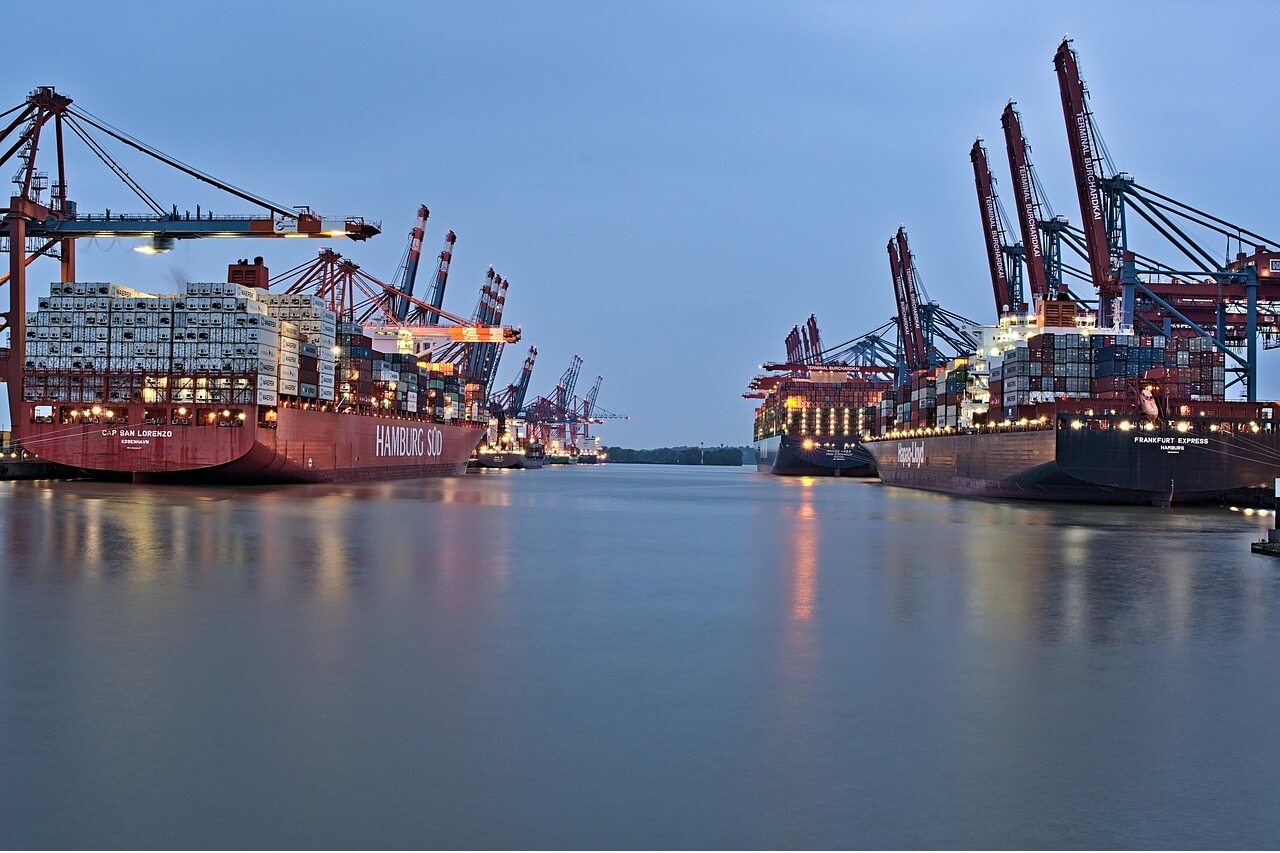
On the desert road, the long queue of oil tankers stretching for miles slowly wriggled under the scorching sun, which is the most authentic portrayal of Iraq in 2026. When the smoke of gunpowder in the Strait of Hormuz blocks the golden waterway leading to the global market, this oil giant is forced to engage in an extremely difficult yet necessary survival breakout.
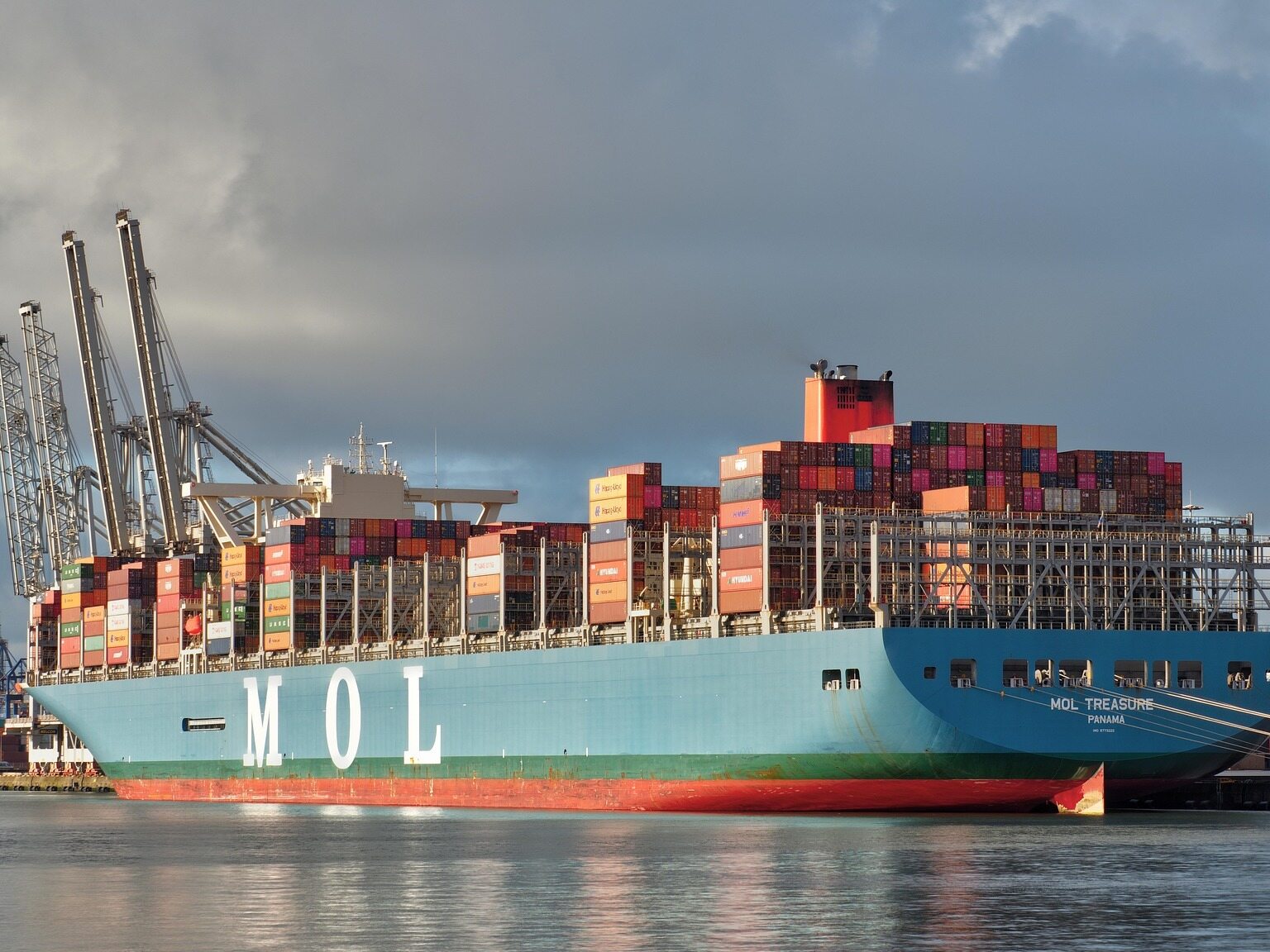
The first oil tanker loaded with 500000 tons of crude oil has started loading at the Banias Port in Syria, which is not only a change in logistics route, but also a violent upheaval of Iraq's economic lifeline under geopolitical strangulation.
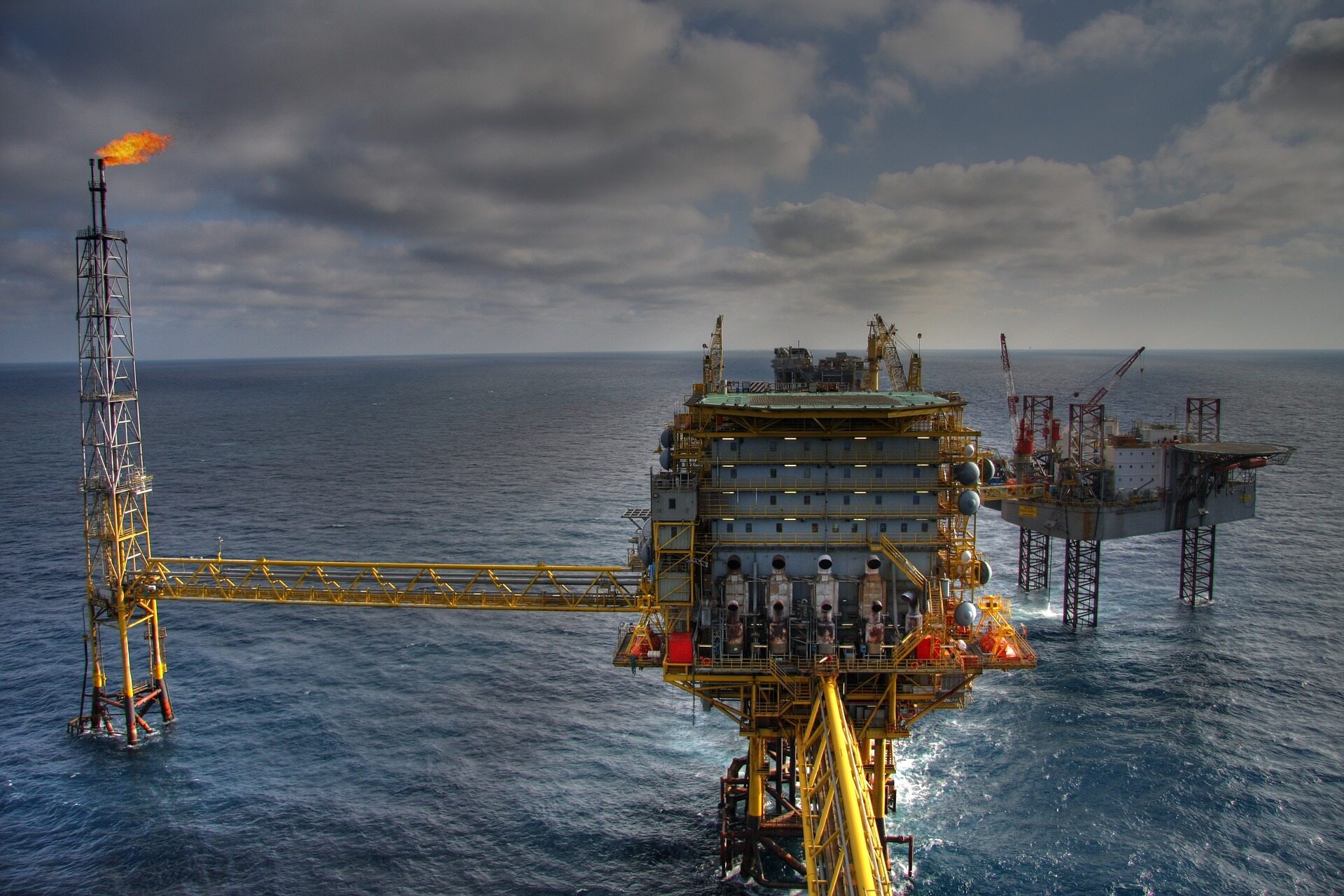
Blood transfusion pipeline in the desert
Transporting crude oil from oil fields in southern Iraq by truck to refineries in Syria, and then transferring it onto ships, this temporary corridor spanning hundreds of kilometers is full of uncertainty. Although the Deputy Director of Syrian Oil Company, Kubaji, confirmed the loading plan for the first ship of 500000 tons, and the loading operation will take at least three days, this figure is simply a drop in the bucket compared to Iraq's previous daily export of 3.5 million barrels through the strait.
What's even more tricky is that this route is not only expensive, but also requires crossing the complex edges of the war zone. Although Syria can extract some crude oil from it to alleviate the power crisis, the throughput capacity and safety of its port facilities have always been the sword of Damocles hanging over its head.
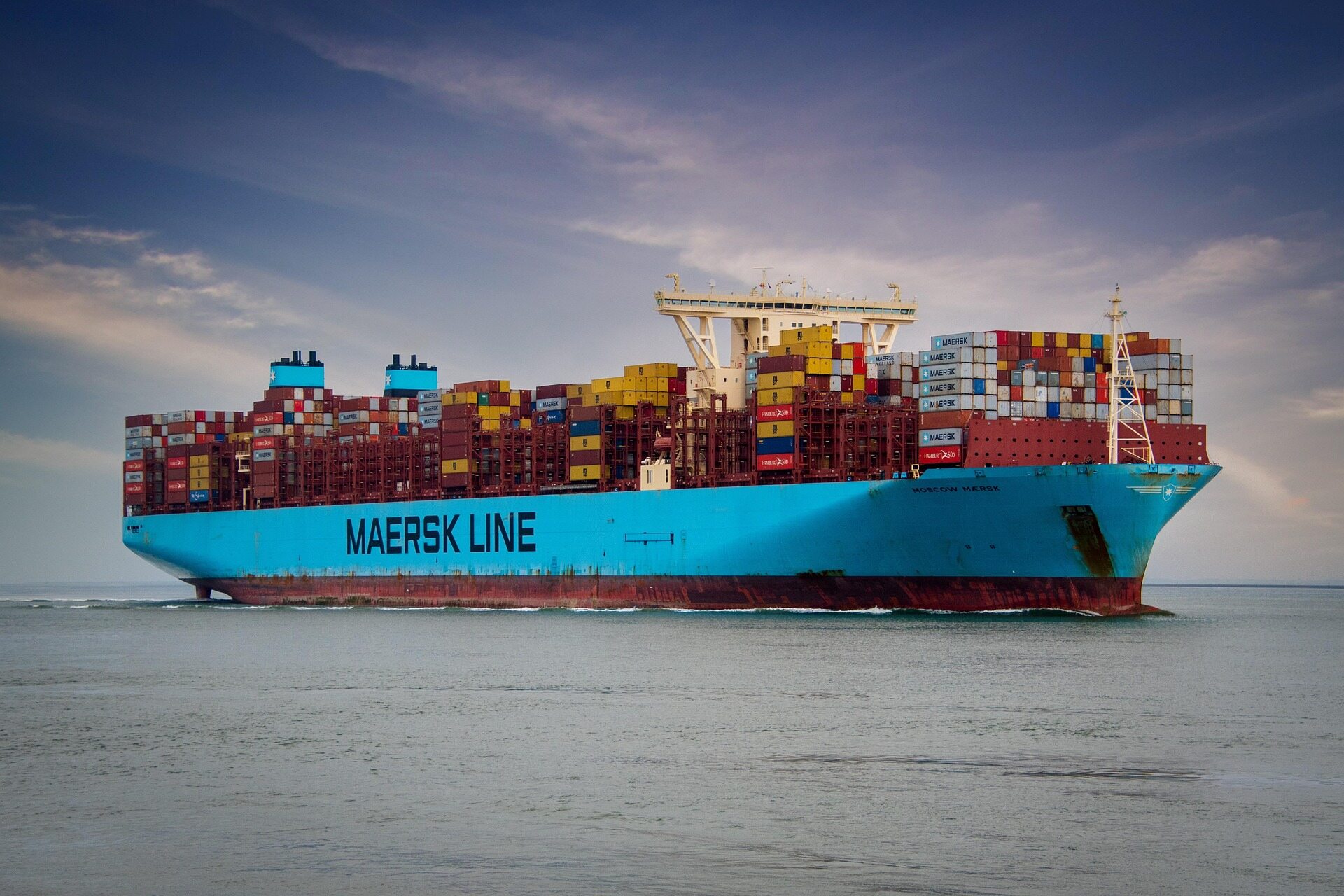
Financial loss and 80% sharp decline
The data doesn't lie, but it's cruel enough. Before the war, Iraq produced about 4.3 million barrels of crude oil per day, and 90% of its fiscal revenue relied on oil exports. However, since the strait fell into a de facto blockade at the end of February, the production of major oil fields in the south has plummeted by 80%, and the storage tank area has quickly become urgent.
For a country highly dependent on petrodollars, this is tantamount to economic internal bleeding. Every reduction in exports means a further widening gap in reconstruction funds and a further decline in public service capacity. Although Iraqi officials optimistically estimate that production capacity can be restored within a week after the strait is unsealed, every minute of the blockade period is depleting the country's already fragile fiscal reserves.
Helpless beyond the game of chess
The port of Aqaba in Jordan and the port of Ceyhan in Türkiye were once considered as alternatives, but the reality is the same. The truck transport capacity is limited and the freight is staggering, while the Türkiye pipeline is subject to political disputes and aging facilities. In contrast, passing through Syria is more like a temporary solution to quench thirst with poison. The long-term feasibility of this temporary passage is questionable, and Syria itself is still affected by some sanctions. The real lifeline for Iraq still lies in the hands of Iran and the United States - when the Strait of Hormuz will be unsealed is the key variable that determines the survival of Iraq's economy.
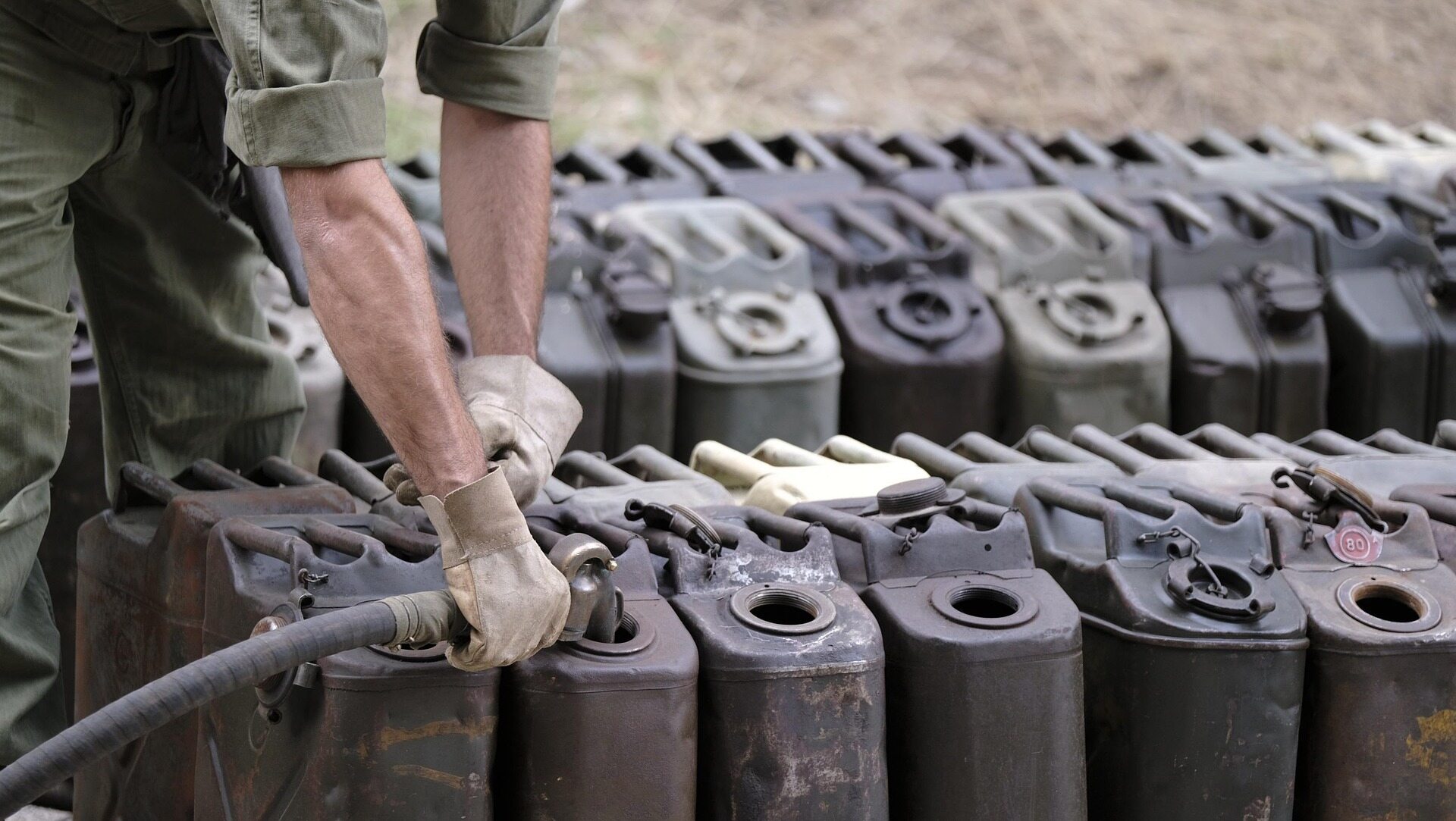
Under the wheels of geopolitics, Iraq's oil trucks can only struggle to turn in the desert. The shipment of 500000 tons of crude oil is not a horn of victory, but a cry for survival. As long as the blockade of the strait is not lifted, all alternative routes are only trying to buy time for this resource rich country to survive, rather than a real cure.Editor/Cheng Liting
Comment




 Praise
 Collect
 Comment

 Share
Share


Write something~