 Search


- At the beginning of 2026, the Brazilian photovoltaic market experienced two extremes: ice and fire
- Distributed installed capacity drops by 37%, centralized projects double dramatically, driving overall capacity to 2331MW
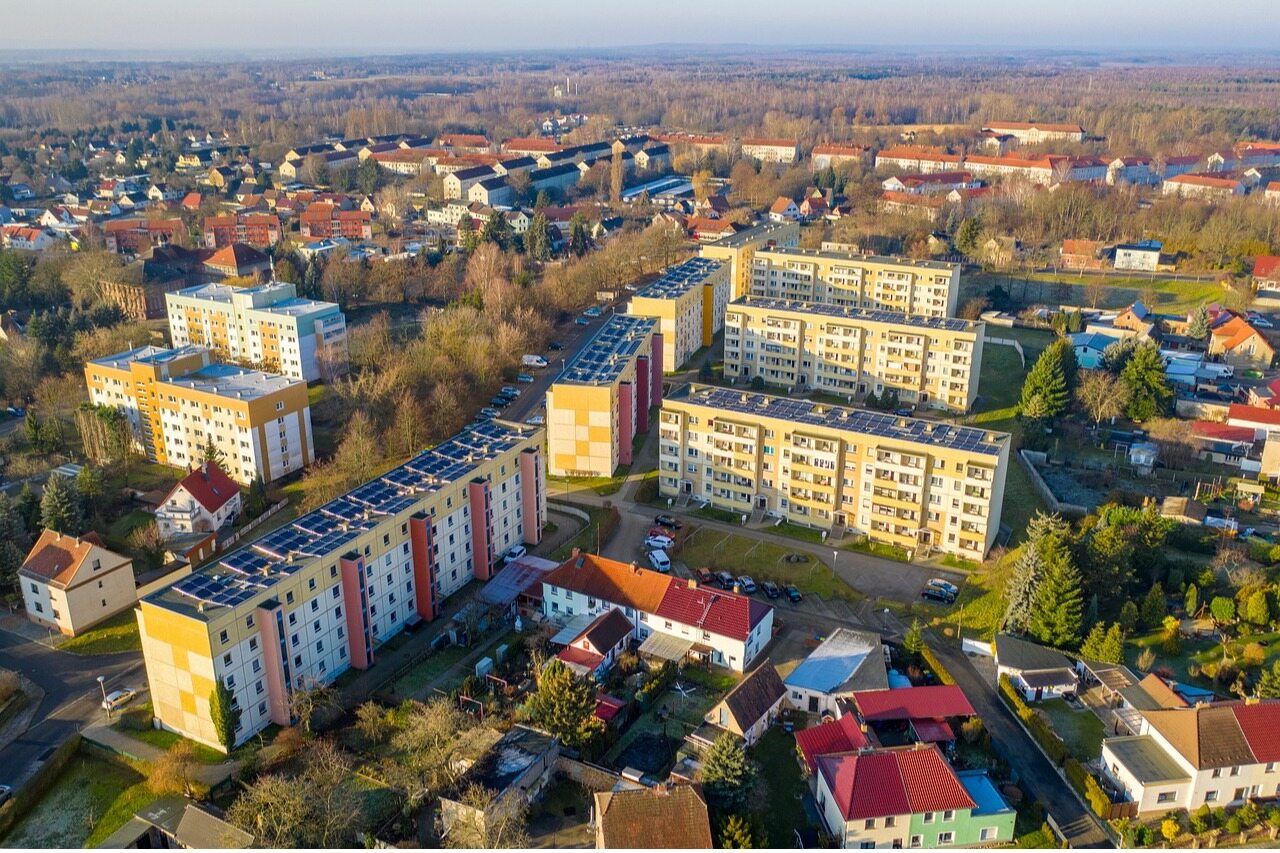
At the beginning of 2026, the Brazilian photovoltaic market is undergoing a dramatic structural transformation. When the once wildly running distributed power generation slammed on the brakes, utility level projects took over with a strong doubling of growth rate. This trend of mutual growth and decline not only rewrites Brazil's energy landscape in the first two months, but also indicates that this Latin American photovoltaic power is shifting from the era of national photovoltaics to the era of centralized development led by giants.
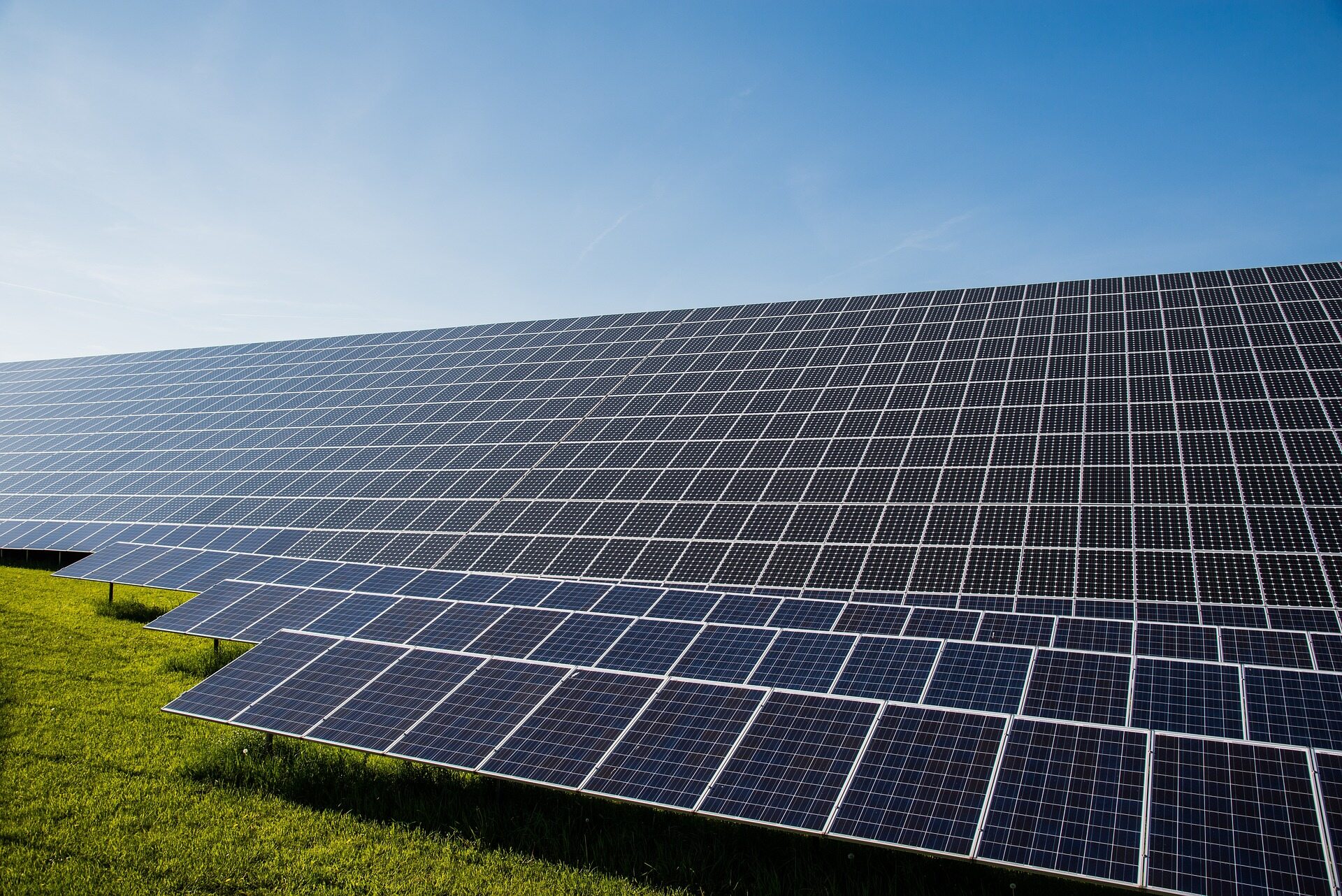
Public utility projects become the absolute mainstay
The data doesn't lie, but it's amazing enough. In January and February 2026, the newly installed capacity of centralized photovoltaics in Brazil reached 1186MW, more than double the 567MW in the same period of 2025, surpassing distributed photovoltaics for the first time in history. This reversal is not accidental, as Aneel predicts that centralized power plants will add 4954MW throughout 2026, and large ground power stations are becoming the core engine driving growth.
In contrast, during the same period in 2025, centralization accounted for less than a quarter of the total new additions, and now it has firmly taken up half of the market share. This explosive growth is mainly due to the previously delayed large-scale project grid connection and the improvement of grid access conditions.
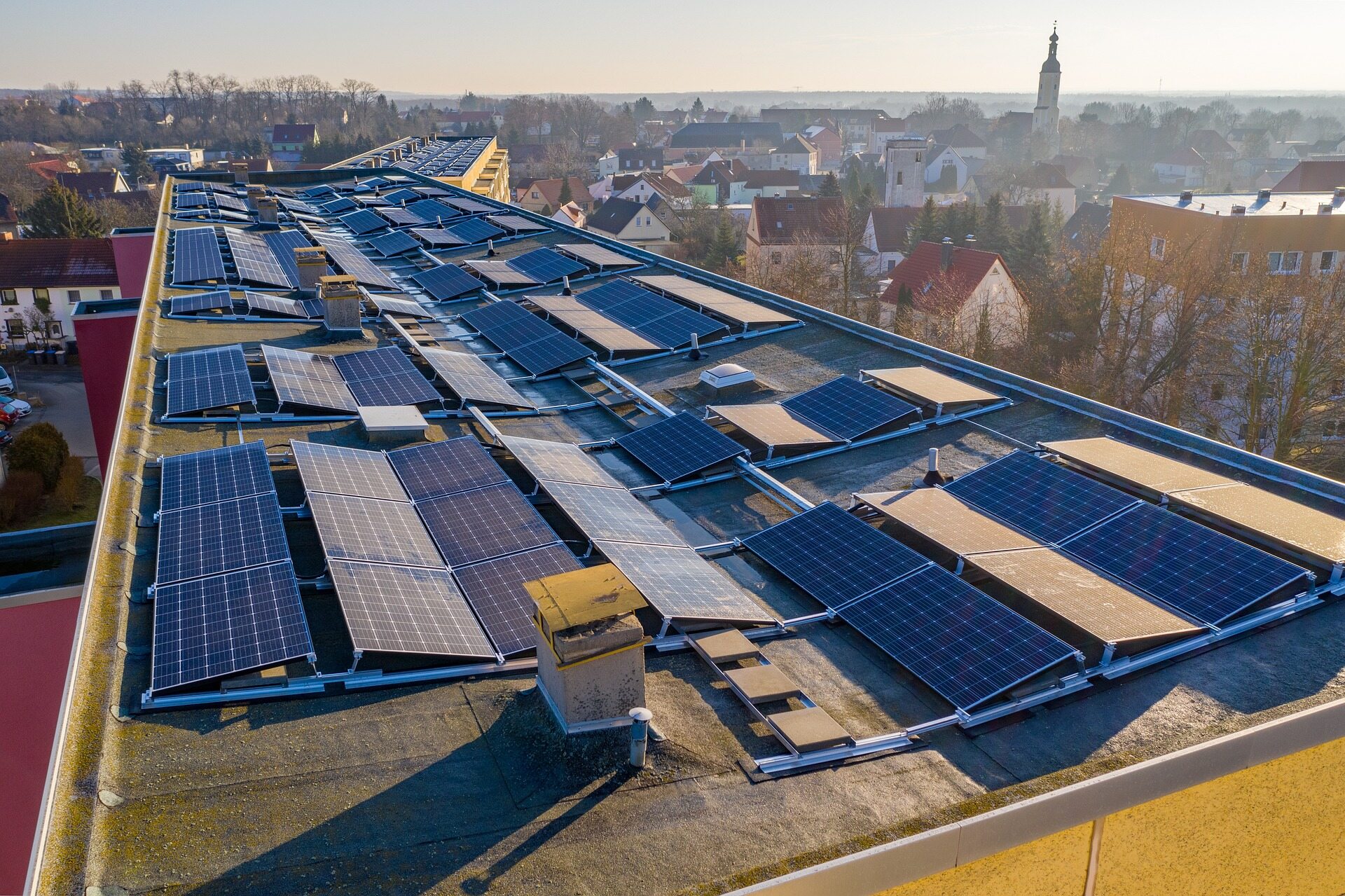
The residential market is difficult to sustain alone
Distributed photovoltaics, which used to be a growth engine, are showing signs of fatigue. During the period, an additional 1145MW of transcripts were added, a significant decrease of 37% compared to the same period last year. In terms of segmentation, although residential users contributed 739MW, which is still the main force, it has significantly declined compared to 1GW at the beginning of 2025.
Even more severe are commercial and rural projects, which only added 220MW and 93MW respectively, almost halved compared to the same period last year. Although Brazil's cumulative installed capacity of photovoltaics has reached 68GW (including 46GW of distributed), Absolar expects a 7% decline in annual new additions to 10.6GW, which means that without centralized replenishment, the entire industry will face a deep adjustment.
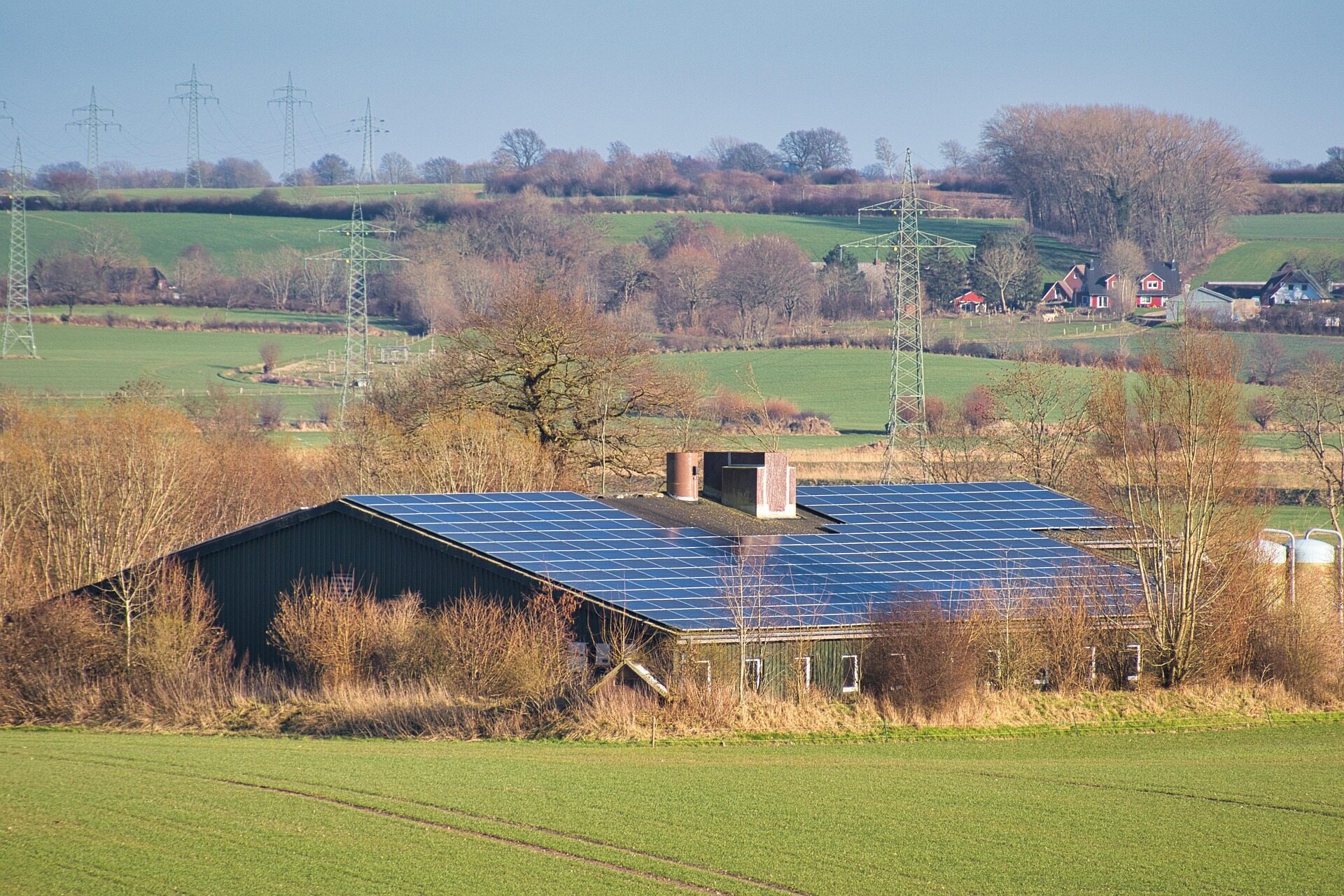
Standing on the high ground of 68GW installed capacity, the Brazilian photovoltaic industry is experiencing the pains of growth. The decline of distributed dividends is an inevitable outcome of market maturity, while the rise of centralization is a new bet on economies of scale. In this relay race of energy transformation, whoever can solve the problem of energy storage and consumption first will have the initiative for the next decade.Editor/Cheng Liting
Comment







 Praise
 Collect
 Comment

 Share
Share


Write something~