 Search


- Jiangxi breaks through the problem with hourly precision traceability, building a compliant moat for Chinese manufacturing to go global

On January 1, 2026, the EU Carbon Border Adjustment Mechanism was officially implemented, instantly concretizing the green barriers to global trade. For Chinese manufacturing, this is not only a game of tariffs, but also a ultimate test of the carbon accounting system. When the extensive green certificate trading is difficult to cross the hourly traceability wall set by CBAM, the hourly green electricity trading model polished by Jiangxi Electric Power Trading Center for three years is like a precise key, precisely embedded in the lock core of international rules. This is not only a breakthrough in the regional energy market, but also a key position for China in the global carbon pricing power struggle.

Reshaping the underlying logic of transactions
Traditional green power trading is often trapped in the coarse granularity of monthly or annual, as if using a blurry wide-angle lens to capture fleeting new energy output, making it difficult to match the strict requirements of the EU CBAM for physical direct supply and hourly traceability. The way to break through the situation in Jiangxi lies in completely reconstructing the unit of measurement for transactions.
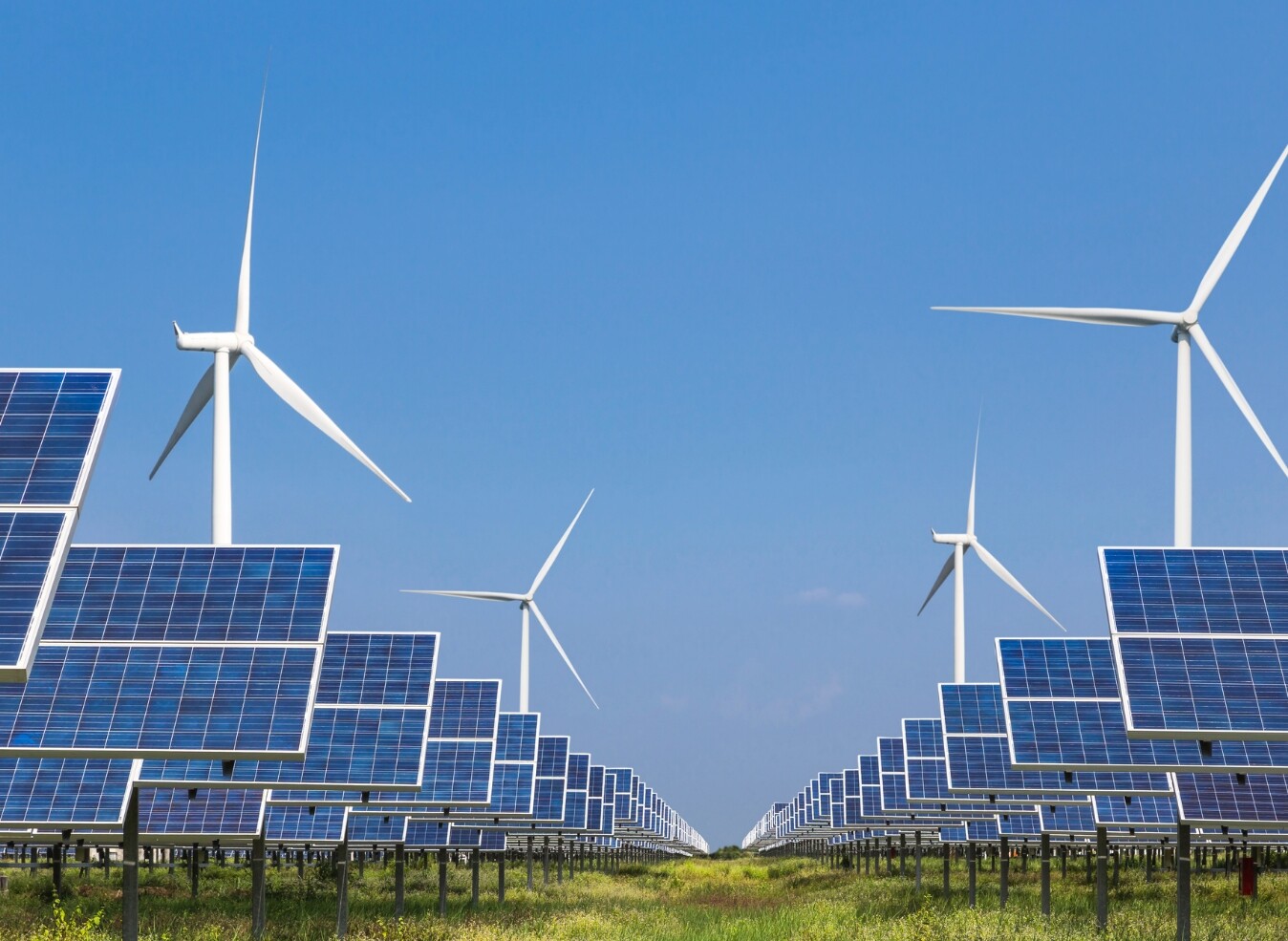
By innovating the decoupling settlement of electric energy and environmental value, Jiangxi has introduced the principle of "taking the smallest of the three" - that is, the minimum value of the on grid electricity on the generation side, the electricity consumption on the user side, and the electricity consumption in the transaction contract are settled on an hourly basis. This mechanism is like a precise gear meshing, achieving millisecond level alignment between the highly volatile new energy output and the factory's production load on the timeline. It is no longer simply buying and selling electricity, but stripping the environmental value of each kilowatt hour of green electricity from the chaotic total and assigning it an independent and verifiable timestamp. This return from electricity trading to the essence of electricity trading has completely cleared the core obstacle of "spatiotemporal supply-demand mismatch" in international certification.
Create an immutable traceability base
In the compliance review of carbon tariffs, the credibility of data is equivalent to the lifeline of enterprises. Faced with the massive data explosion brought about by hourly trading - from a monthly surge of thousands to an average of 100000 per day - the traditional centralized storage model seems inadequate. The answer given by Jiangxi is "State Grid Chain" blockchain technology.
Relying on a hybrid storage mode of on chain and off chain, every transaction and fluctuation of current is imprinted with an immutable digital mark. Users can scan the code to penetrate through layers of the power grid, directly reach the wind turbines and photovoltaic panels on the power generation side, and query comprehensive information including proof of unobstructed transmission channels. This full chain transparency and traceability not only meet CBAM's technical verification of physical direct supply, but also provide Chinese enterprises with a "green passport" that does not require translation at the international trade negotiation table. Technology is no longer just a cold backend support, but has become a trust bridge connecting the domestic market with international rules.
From passive compliance to proactive winning
The evolution of rules ultimately needs to serve the real economy. For export-oriented enterprises such as Ganfeng Lithium and Jingke Energy, the cost of green electricity is no longer just a number on energy bills, but a key variable that determines the international competitiveness of their products.
The implementation of hourly level green electricity trading enables enterprises to accurately offset carbon tariff costs, transforming the originally high compliance expenses into a competitive advantage of green premiums. The deeper significance lies in the fact that the Jiangxi model is driving the technological upgrading and management optimization of the domestic new energy industry. When the environmental value can be accurately quantified and realized in real time, new energy enterprises have stronger motivation to improve power prediction accuracy and consumption level. This is not only to comply with EU rules, but also to take the initiative in defining "green" in the global energy transition wave.
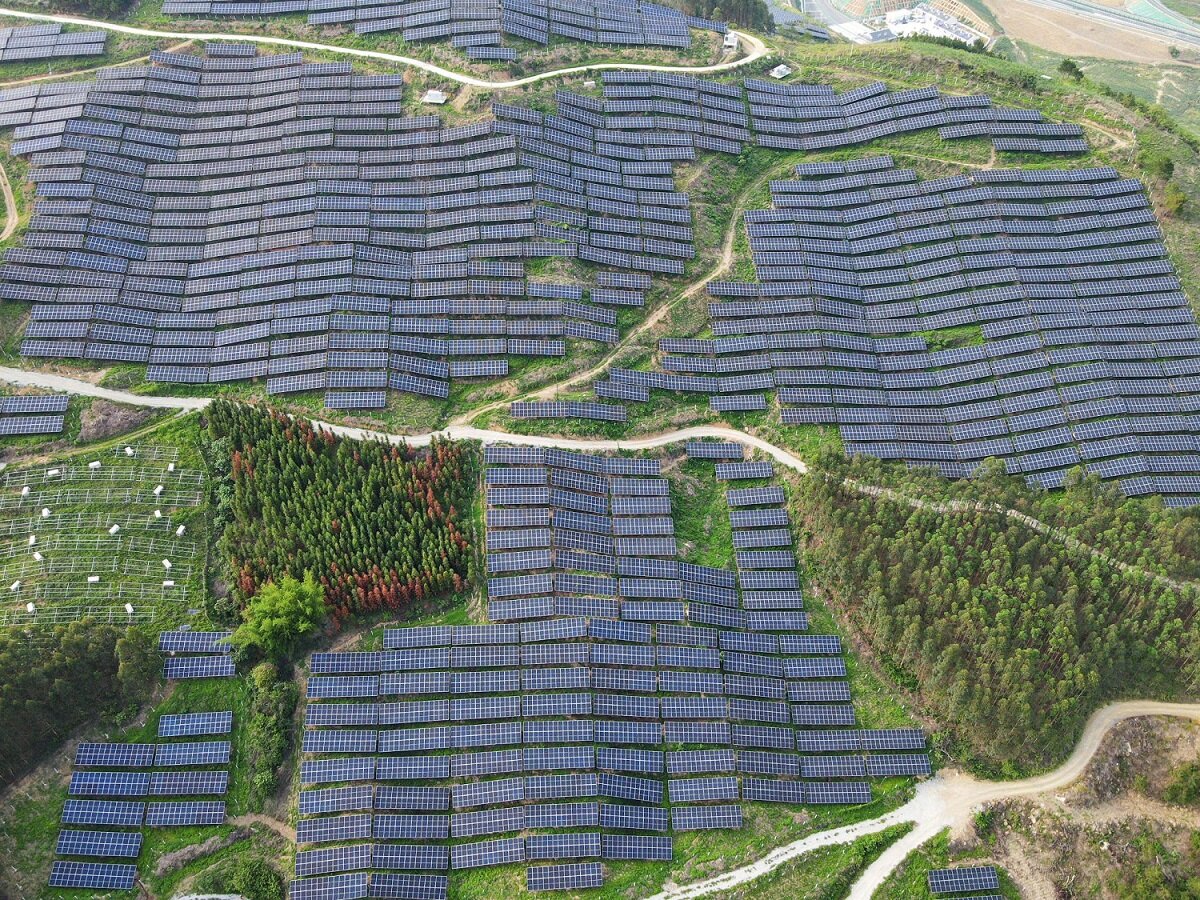
From the banks of the Gan River to the European coast, the hourly level green power practice in Jiangxi has proven that in the face of the restructuring of global carbon trading rules, evasion is not an option, integration is the way out. As China's green electricity trading standards gradually become the universal language of international mutual recognition, what we see is not only a reduction in compliance costs for enterprises, but also a transformation of a major country from a follower to a leader in global climate governance. China has already taken the lead in this race about time.Editor/Cheng Liting
Comment




 Praise
 Collect
 Comment

 Share
Share


Write something~