 Search


- This project will significantly increase the proportion of renewable energy in Kazakhstan and attract multi-party capital participation
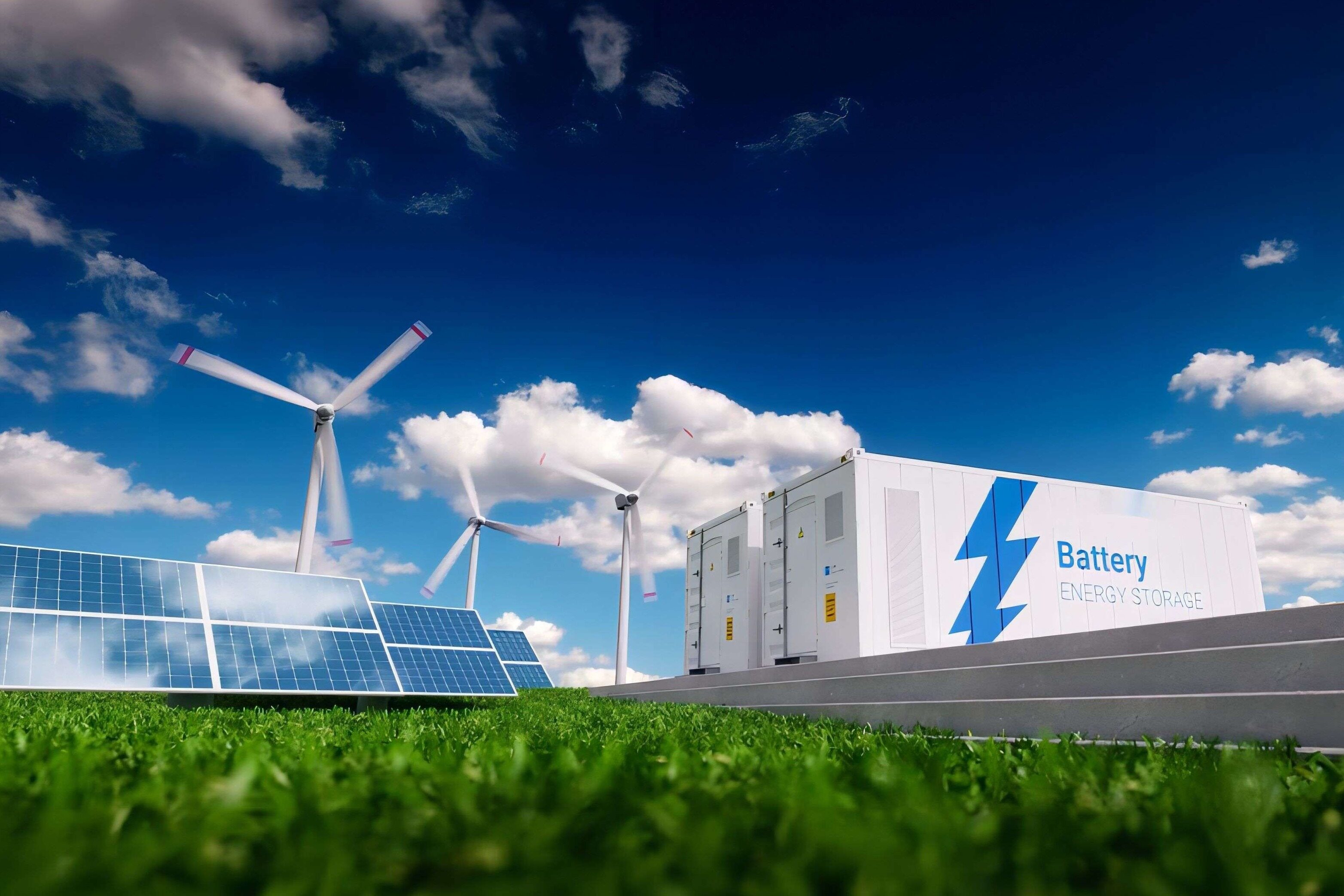
On April 25, 2026, a final investment decision letter from Total Energy headquarters in Paris, France, injected a warm wave of cross-border capital into the desert grasslands of the southeastern Kazakh region of Jangbur. The Milny wind power project with a total installed capacity of 1 gigawatt has been officially approved, and the names of the European Bank for Reconstruction and the China Construction Bank are listed side by side in the $1.2 billion investment package. While the wind power market in Central Asia is still observing, Total has already taken the lead in closing in
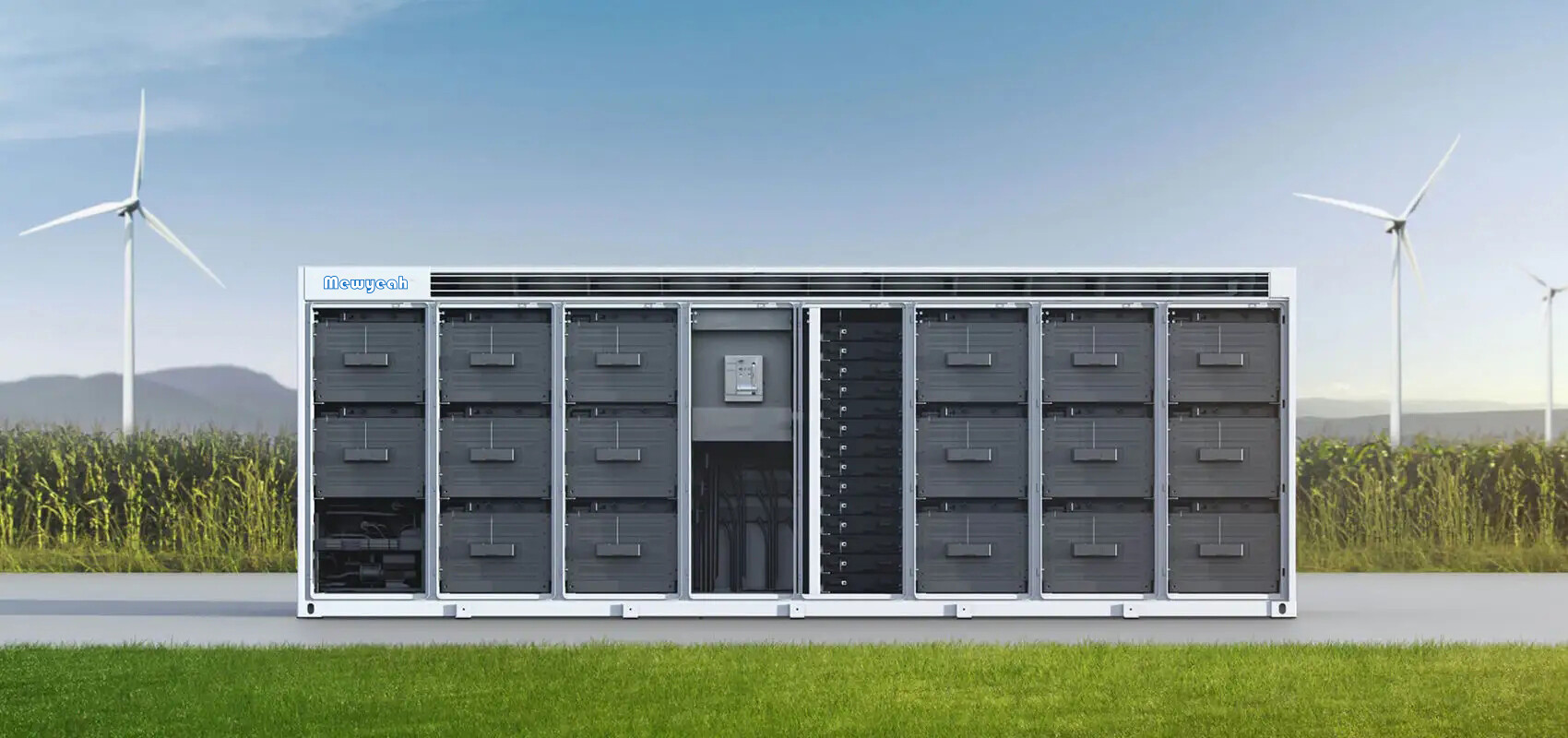
600 megawatt hour energy storage supporting wind turbine
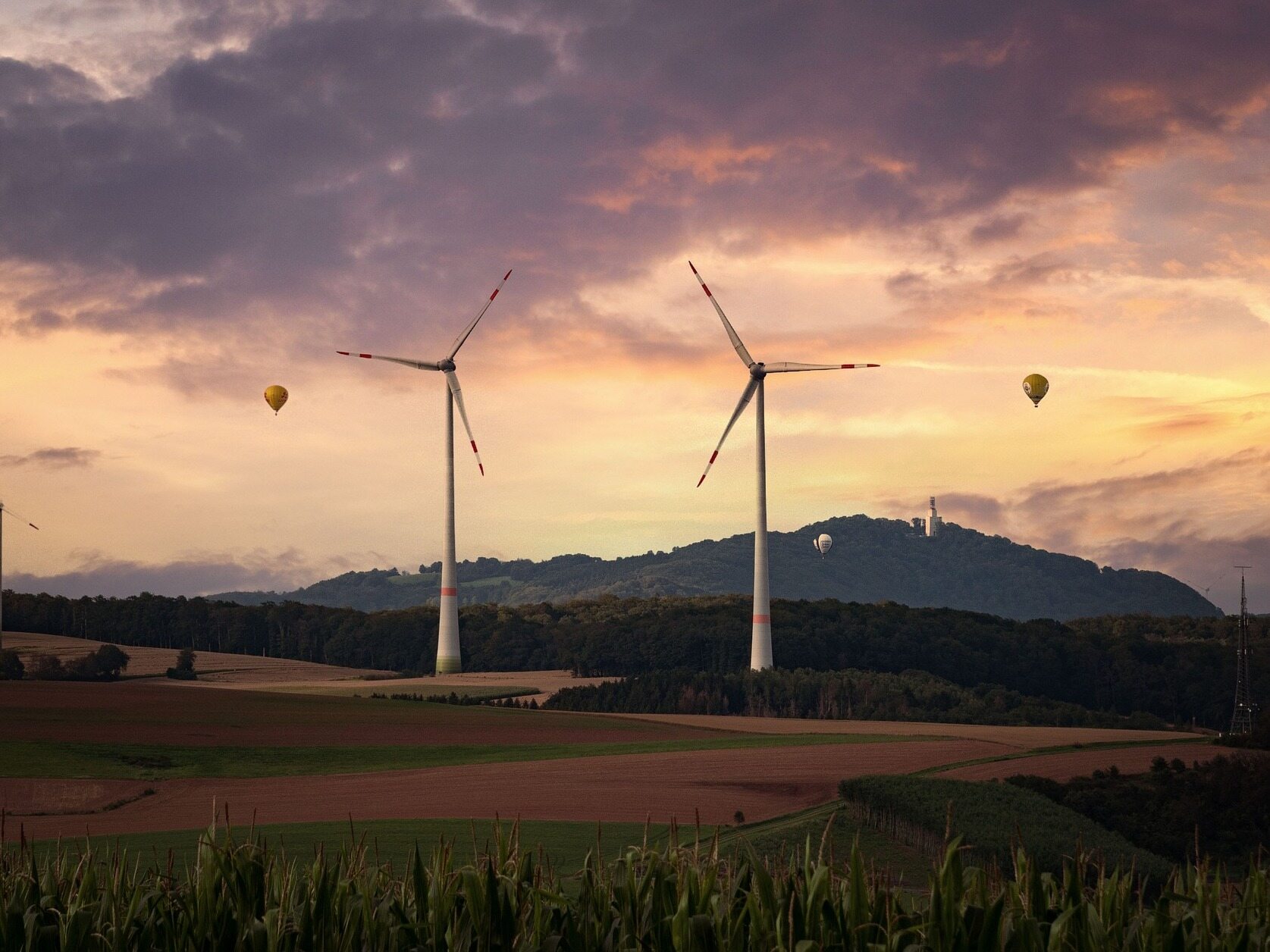
The Milny project designs and installs 150 turbines, equipped with a 600 megawatt hour battery energy storage system, provided by Saft, a subsidiary of Total. The project is expected to operate at full capacity in 2029 and generate 100 terawatt hours of renewable electricity within 25 years. The 25 year power purchase agreement signed in 2023 has locked in the government's procurement channel, and electricity will be stably injected into the southern power grid of Kazakhstan, improving the reliability of power supply in the region.

China Europe Capital Joins Hands for Wind Power Financing for the First Time
75% of the project's funding comes from external financing, and multiple international lending institutions such as the European Bank for Reconstruction and the China Construction Bank have signed joint term agreements. Total Energy, Kazakhstan's sovereign fund Samruk Energy, and national oil company KazMunayGas each hold 20% of the shares, totaling 60% of the project's equity. This is also the first time that China Construction Bank has participated in the financing of large-scale wind power projects in Central Asia, and China Kazakhstan green finance cooperation has moved from bilateral credit to multilateral syndicated banks.
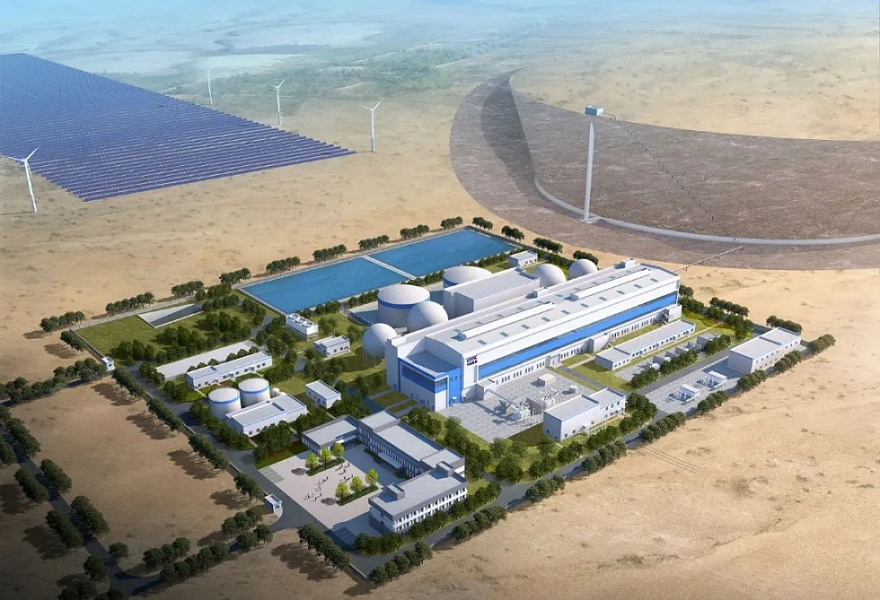
Total bets on energy transition in Central Asia
Kazakhstan aims to increase the proportion of renewable energy generation to 15% by 2030, and the country's renewable energy installed capacity is currently in a high-speed growth channel. Total's recent move is not only a recognition of the green power gap in Central Asia, but also a continuation of its global shift towards clean energy in oil and gas assets. Previously, Total had already laid out photovoltaic projects in Uzbekistan, and the Milny wind power project will further consolidate its dominant position in the Central Asian renewable energy market. With the dual support of Saft energy storage equipment and Chinese financing channels, Total's Central Asian green power map is accelerating its formation.Editor/Gao Xue
Comment





 Praise
 Collect
 Comment

 Share
Share


Write something~