 Search


- The transit volume of the cross Caspian Sea passage has tripled in five years
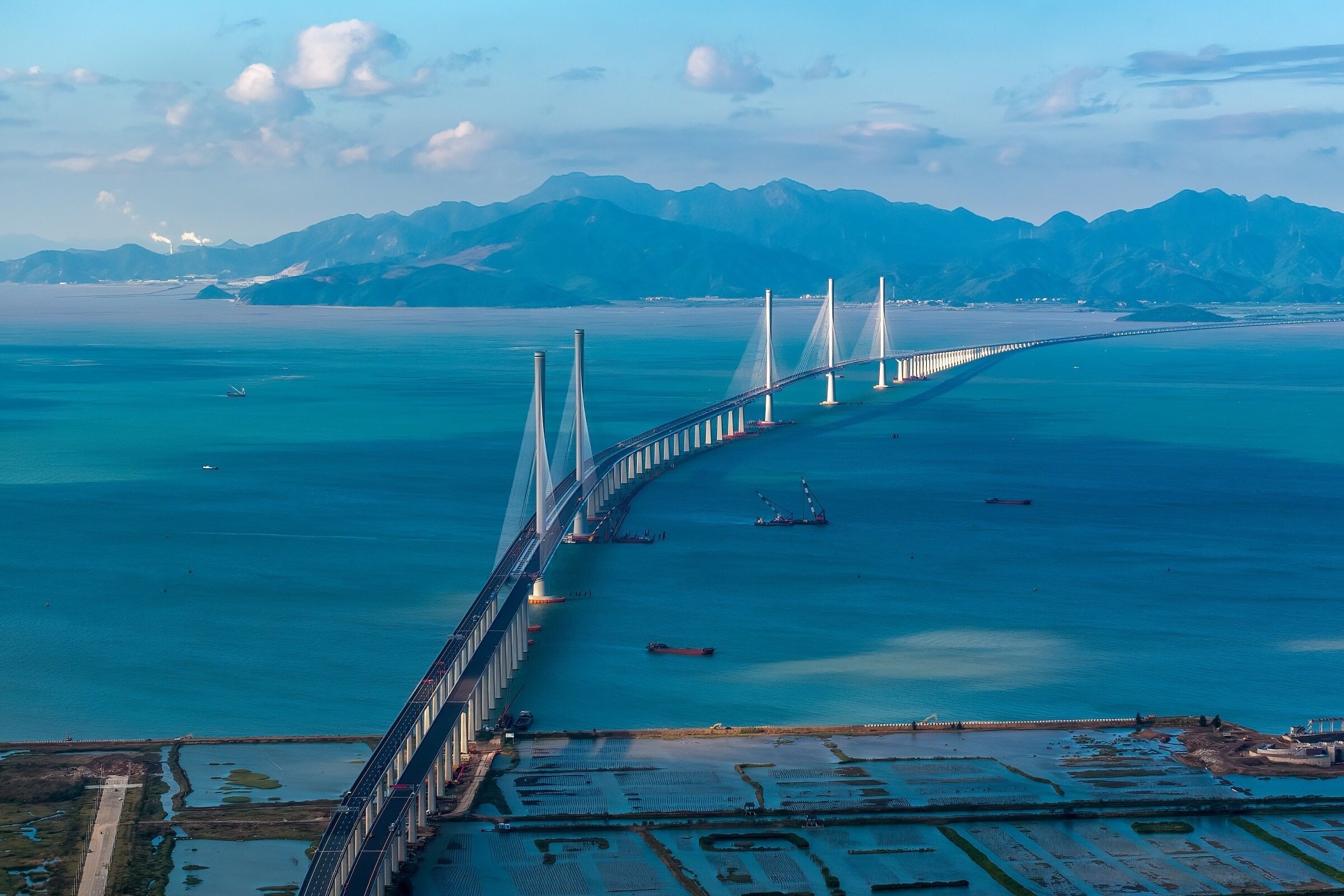
On April 22, 2026, Kerbjanov, Chairman of the Railway and Water Transport Committee of the Ministry of Transport of Kazakhstan, stood in front of the container hub at Aktau Port, with the newly debugged ship traffic management system behind him. His purpose for this trip is clear: to verify the progress of the expansion of the Trans Caspian International Transport Corridor. Five years ago, the annual transit volume of this channel was only a fraction of what it is now, but now it is driving a comprehensive upgrade of port infrastructure with a threefold increase.
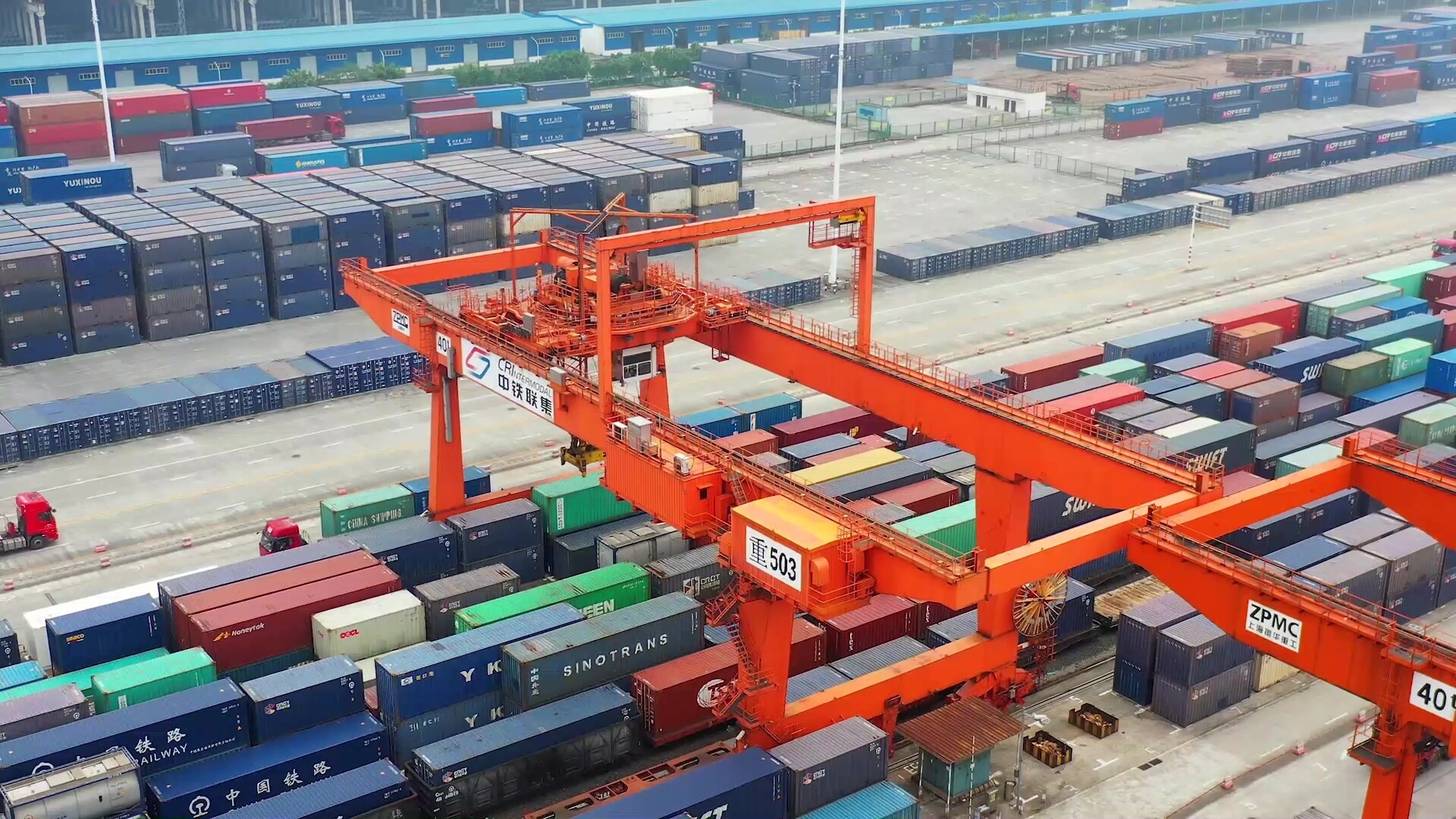
Simultaneous expansion and renovation of two major ports
Aktau Port has built a container hub and connected it to the ship traffic management system. The harbor dredging project will also be launched within the year. Kurek Port has completed the dredging of the harbor basin and upgraded berth 1, and the supporting service facilities have been put into operation simultaneously. By the end of this year, Kurek Port will build a new Yersai terminal and container terminal, upgrade all berths 2, 4, and 5, and promote the purchase of tugboat equipment and the integration of a unified digital system. The two major ports form a complementary pattern, with Aktau focusing on container turnover and Kurek specializing in bulk cargo and roll on/roll off transportation.
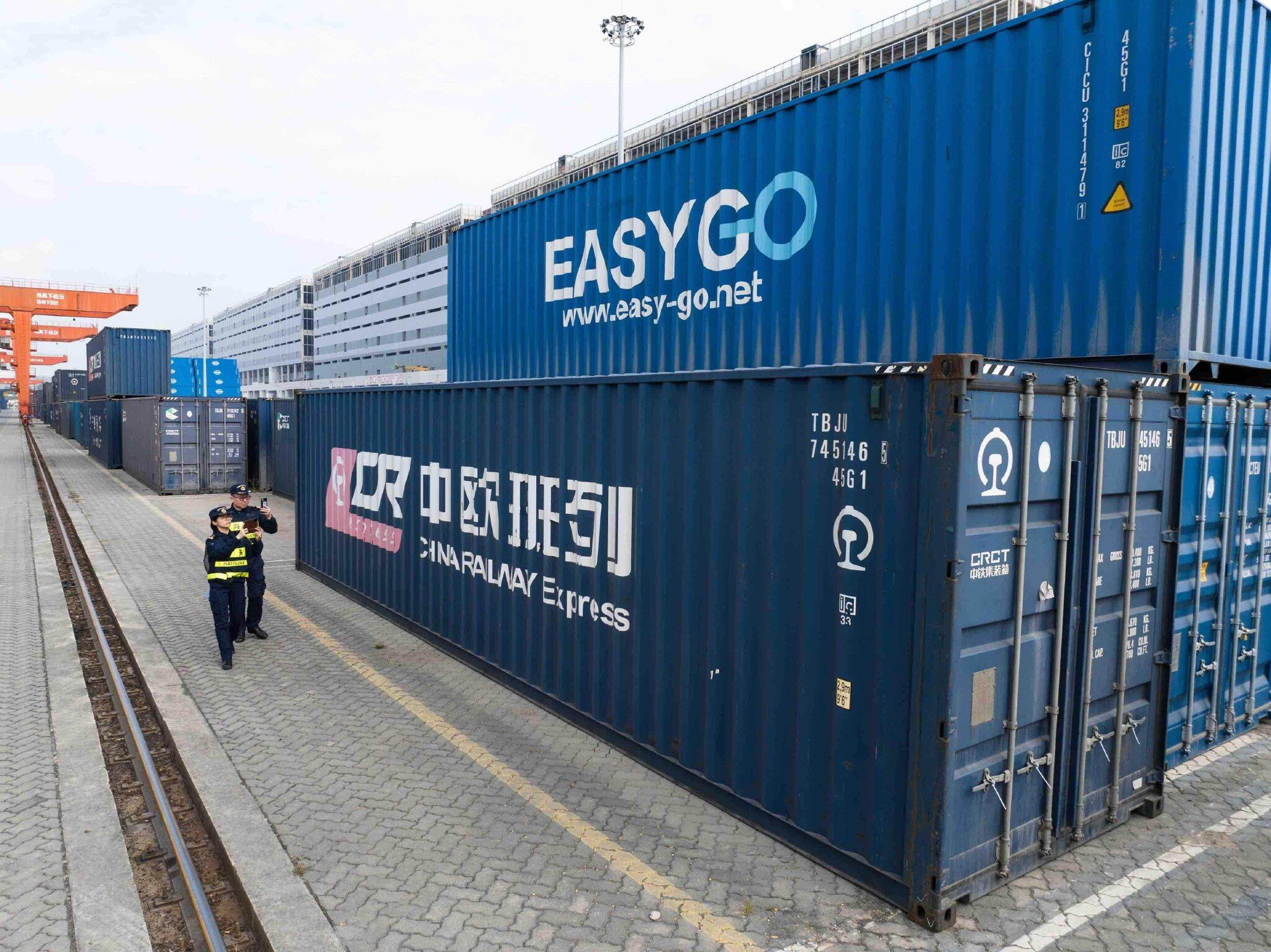
Channel traffic volume will triple in five years
In the past five years, the transit volume of cross mile maritime transportation channels has tripled, becoming a key alternative route for China Europe goods to bypass traditional congestion nodes. After leaving the country through Khorgos Port, the goods will be transported to Aktau Port or Kurek Port by railway, and then transferred to Baku via Caspian Sea, and then enter Türkiye or Europe via Azerbaijan Georgia railway. The target for channel container processing capacity in 2029 is 300000 TEUs. Keywords: the Belt and Road news network, trans mile sea transportation channel
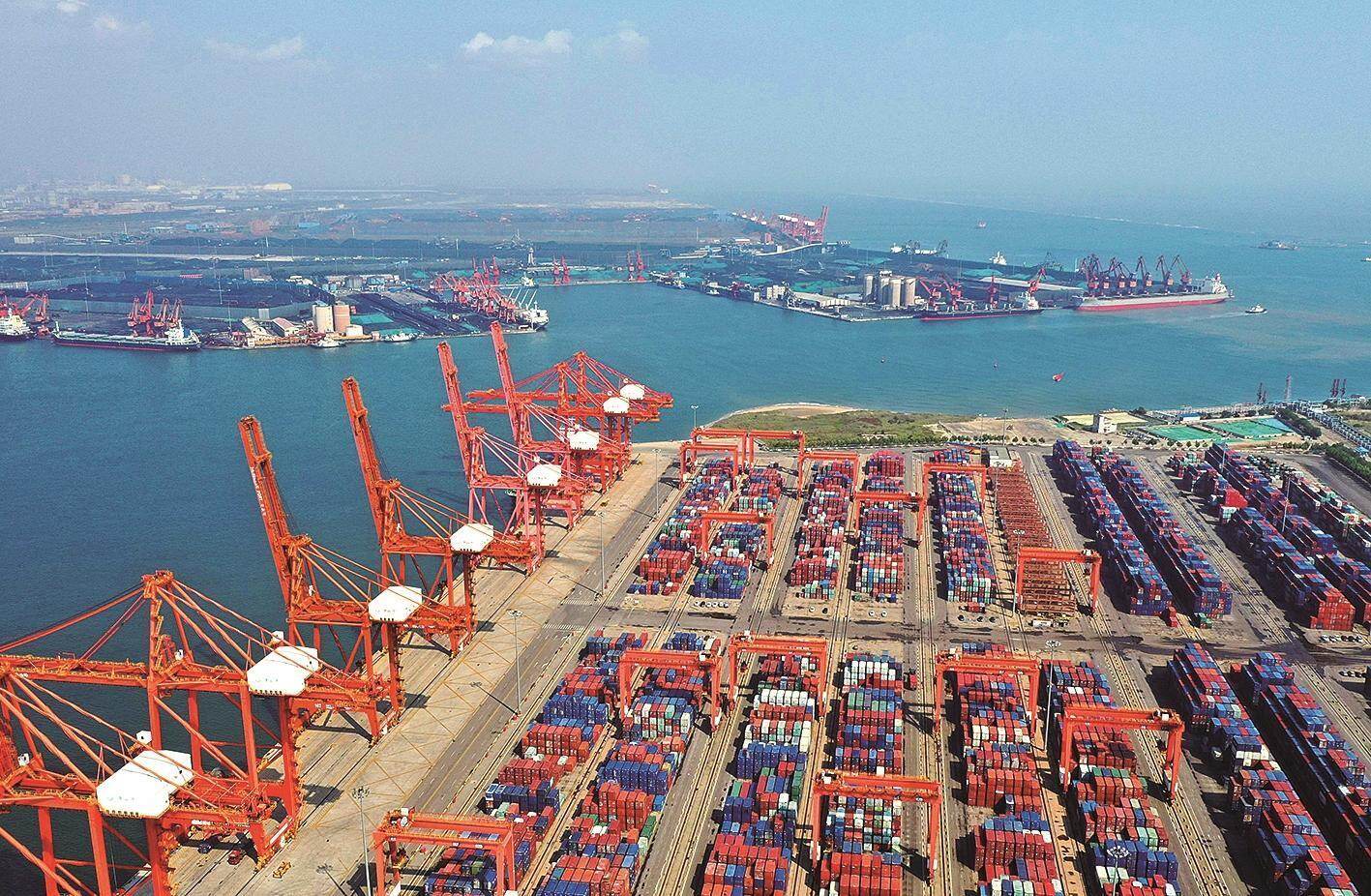
Kazakhstan's hub position continues to consolidate
Kazakhstan is systematically upgrading itself from a landlocked transit country to a logistics hub in the Caspian Sea. Aktau and Kurek ports form a cross-border port chain with the China Kazakhstan border railway port and Baku port. The digital customs clearance system is advancing synchronously, and Aktau Port has achieved electronic data exchange with Baku Port. After the upgrading of the two ports along the Hajji border to international ports and the implementation of 24-hour customs clearance, the land transportation chain from China to Central Asia and then to Europe has become smoother. The expansion of the cross Caspian Sea corridor has just taken over this diverted incremental source of goods.Editor/Gao Xue
Comment




 Praise
 Collect
 Comment

 Share
Share


Write something~