 Search


- As the wind turbine blades are about to rotate, China and Kazakhstan are proving it with practical actions
- The signing of the 500 MW wind power agreement between China and Kazakhstan not only lights up 1.4 million households, but also makes Chinese technology a golden link on the Belt and Road
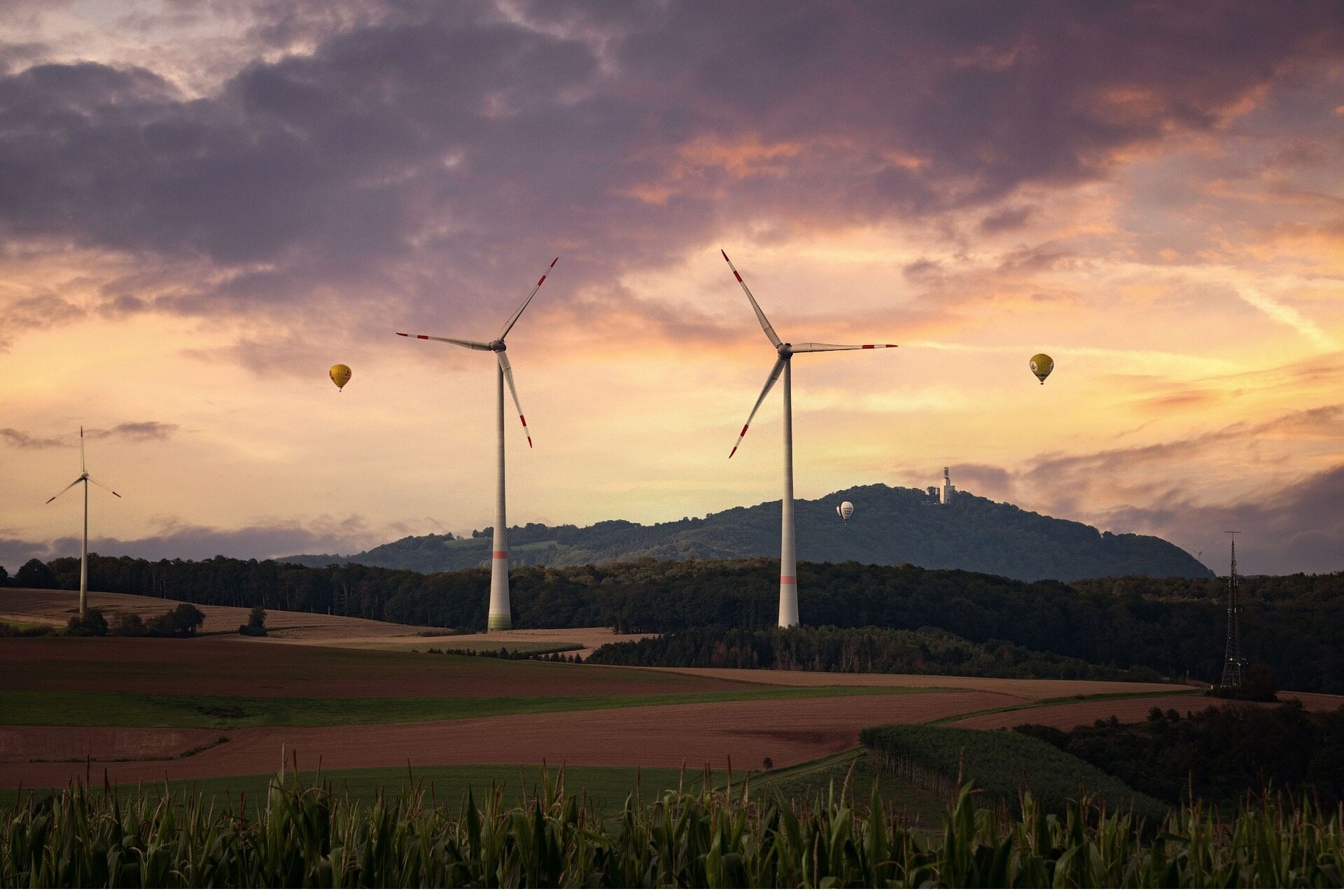
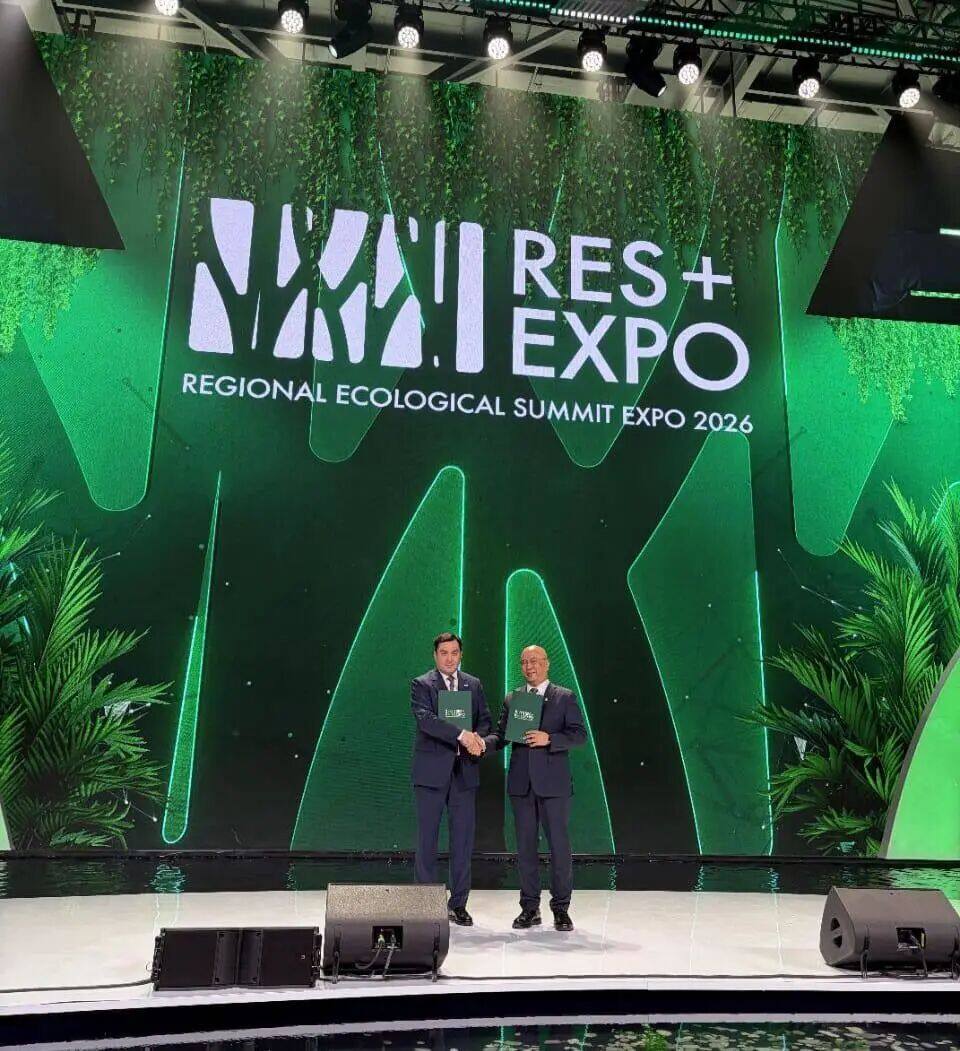
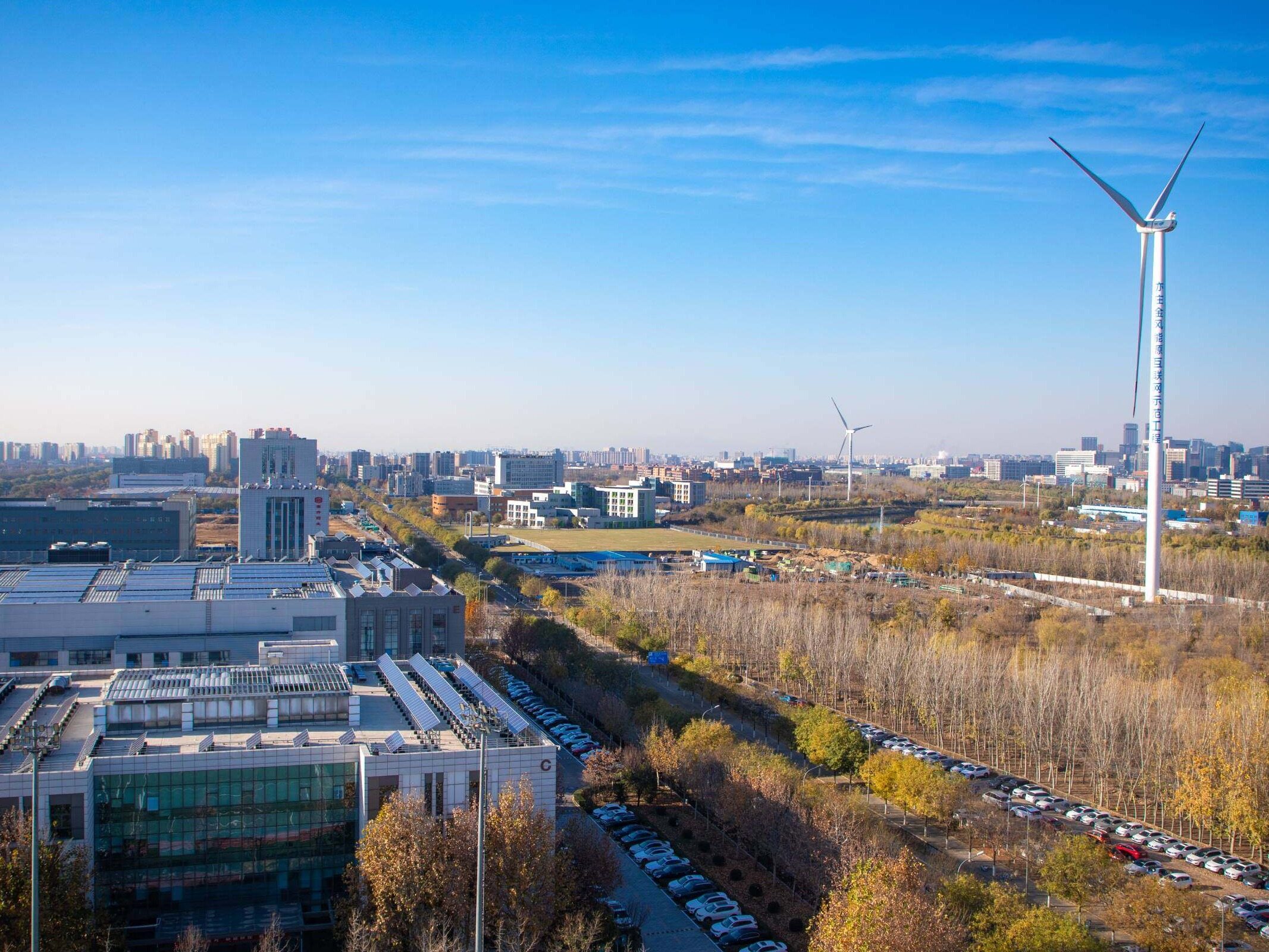
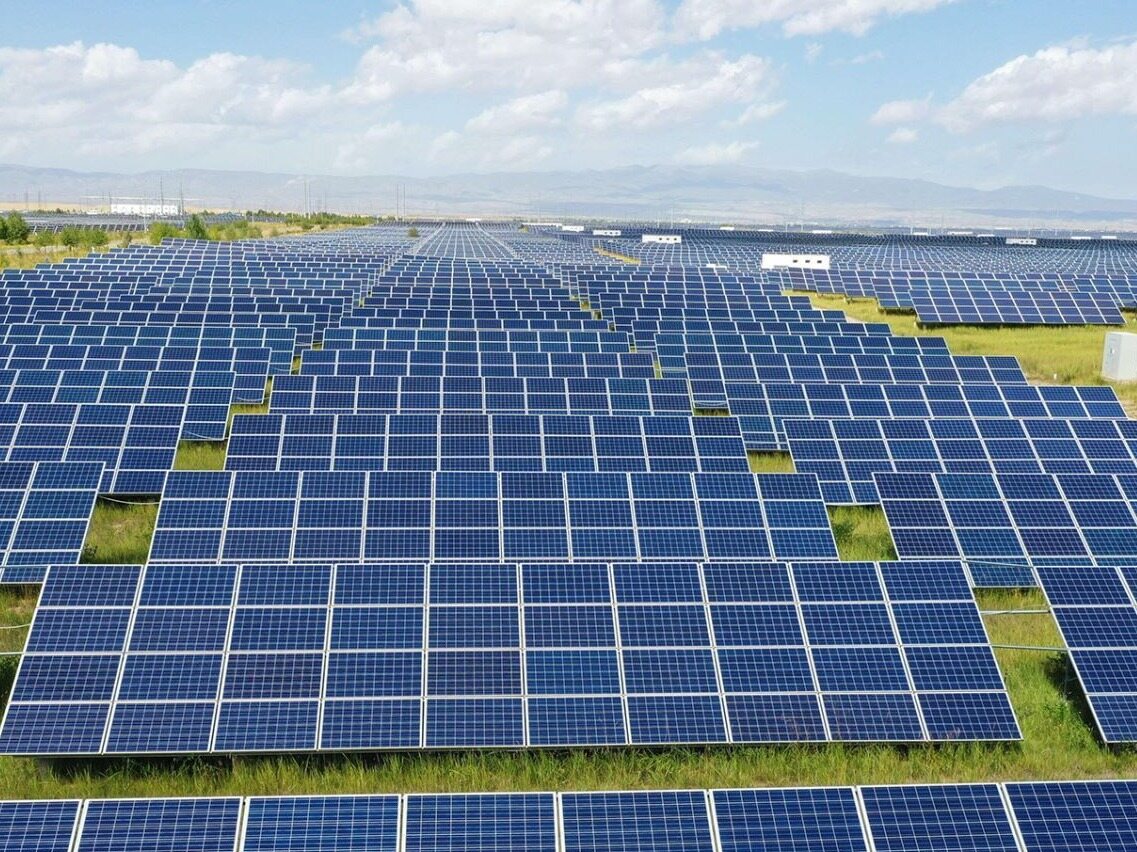
On the vast grasslands of Karaganda, Kazakhstan, a green revolution about the future of energy is accelerating. Recently, with the signing of an investment agreement, a wind power plant with a total investment of 645 million US dollars and an installed capacity of up to 500 megawatts is about to be built. This is not only another deep handshake between China and Kazakhstan under the the Belt and Road framework, but also marks a decisive step towards Kazakhstan's grand goal of becoming a clean energy center in Central Asia, injecting strong Chinese power into the regional energy landscape.
500 MW 'wind powered aircraft carrier' launched
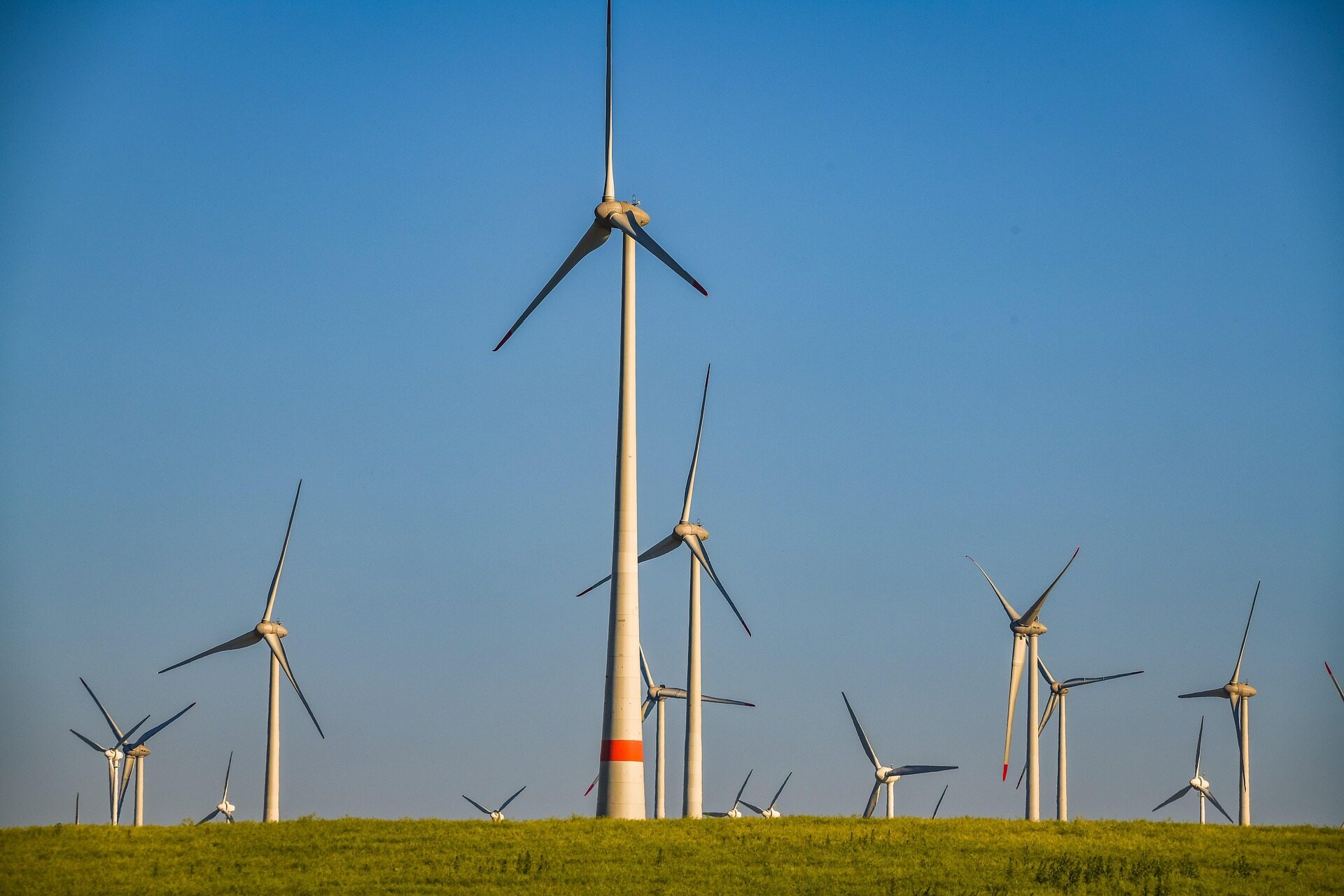
The scale of this project can be called a "giant" level. According to the Ministry of Energy of Kazakhstan, this power plant is not only a key project in the country's medium-term energy plan, but also a crucial step in breaking free from coal dependence. Data shows that after the project is put into operation, the annual power generation will reach 1.6 billion kilowatt hours, which is enough to meet the annual electricity demand of about 1.2 million households and reduce about 1.3 million tons of carbon dioxide emissions annually.
This emission reduction data is equivalent to planting nearly 70 million trees, which strongly supports Kazakhstan's national commitment to achieve carbon neutrality by 2060. At the signing ceremony, Yellan Akhenanov, the Minister of Energy of Kazakhstan, and the Chairman of Karaganda Wind Power LLP not only secured a huge investment of 645 million US dollars, but also locked in the country's green development path for the next few decades.
The dual journey of technology output and energy transformation
This cooperation is the deepening of infrastructure and energy cooperation under the framework of the the Belt and Road between China and Kazakhstan. China is transforming from a simple energy importer to a key technology provider and investor. Data shows that Chinese companies have invested over 30% in renewable energy projects in Central Asia, becoming a core force driving regional energy transformation.
For Kazakhstan, this project is a key puzzle in achieving its national goal of 15% renewable energy by 2030; For China, this not only digests its domestic advantageous wind power production capacity, but also consolidates its dominant position in emerging markets in Central Asia. Chinese enterprises such as CGN and Goldwind Technology have successfully laid out multiple new energy projects in Harbin before. The landing of this 500 MW large order will undoubtedly add another exciting footnote to China's standard overseas expansion. Keywords: the Belt and Road, new energy, wind power
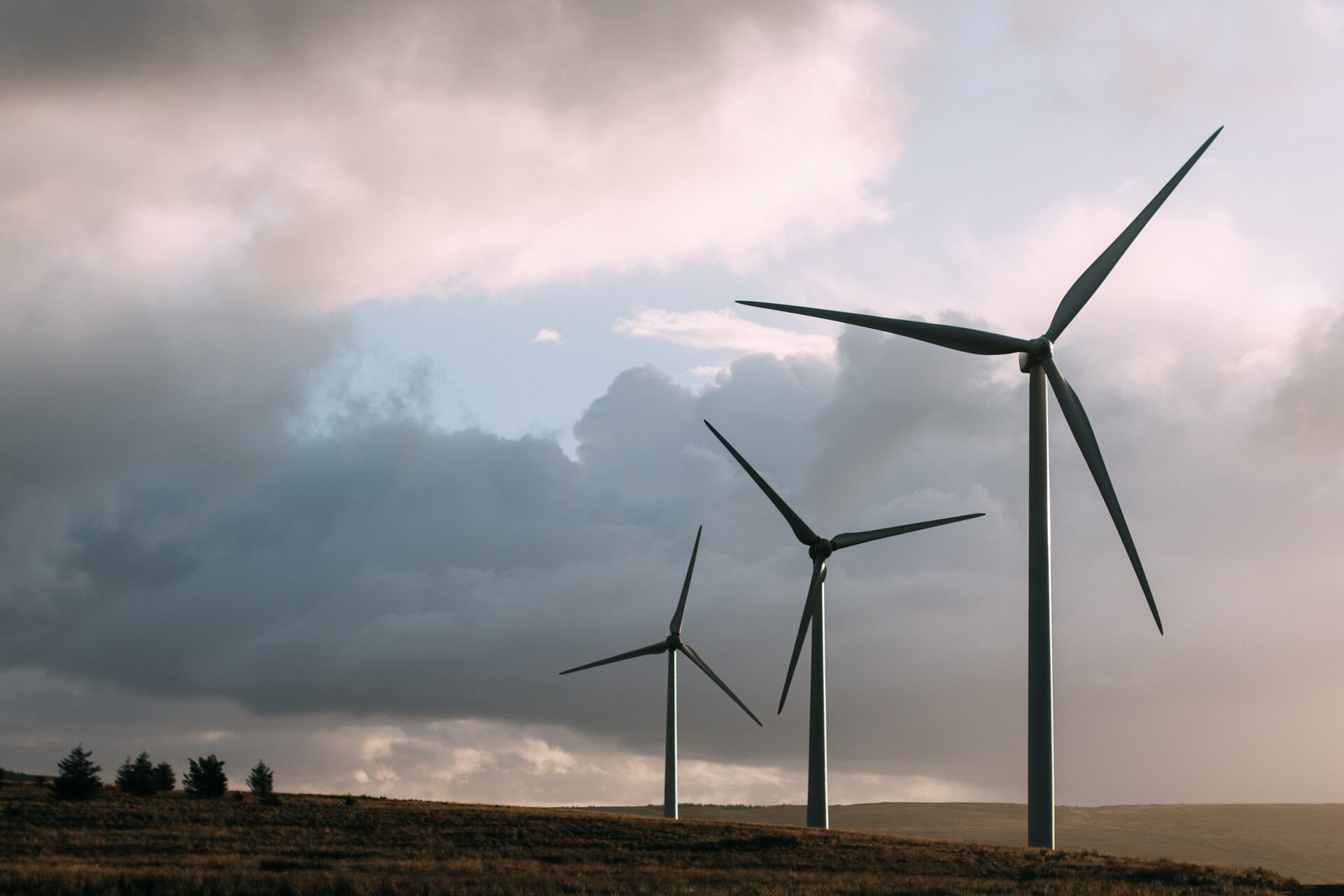
As the wind turbine blades are about to rotate, China and Kazakhstan are proving through practical actions that green energy is not only a good solution to climate change, but also a golden link to deepen bilateral relations and achieve common development.Editor/Cheng Liting
Comment

 Praise
 Collect
 Comment

 Share
Share


Write something~