 Search


- The project adopts an all aluminum iron tower design, with ABB providing full system support
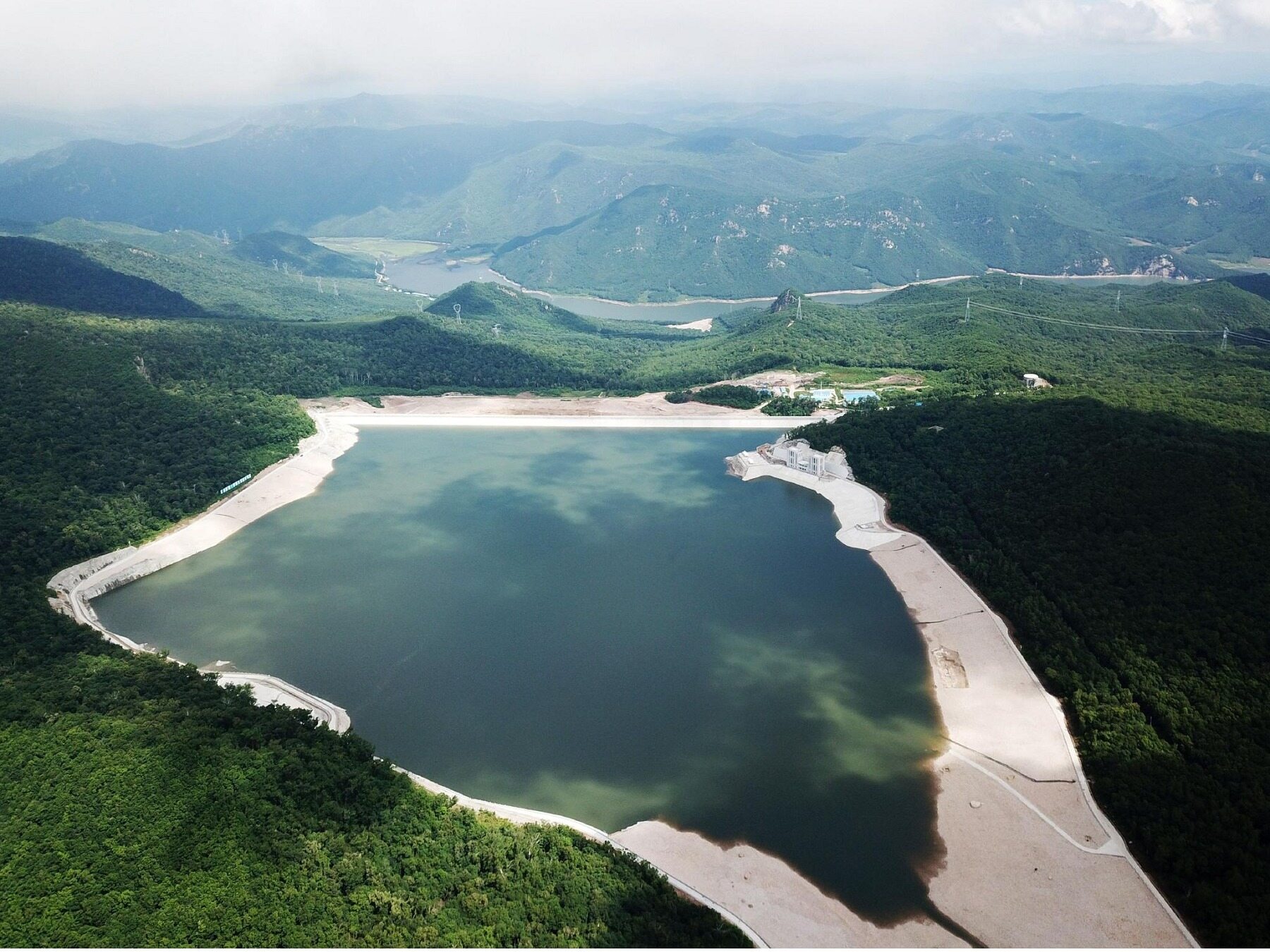
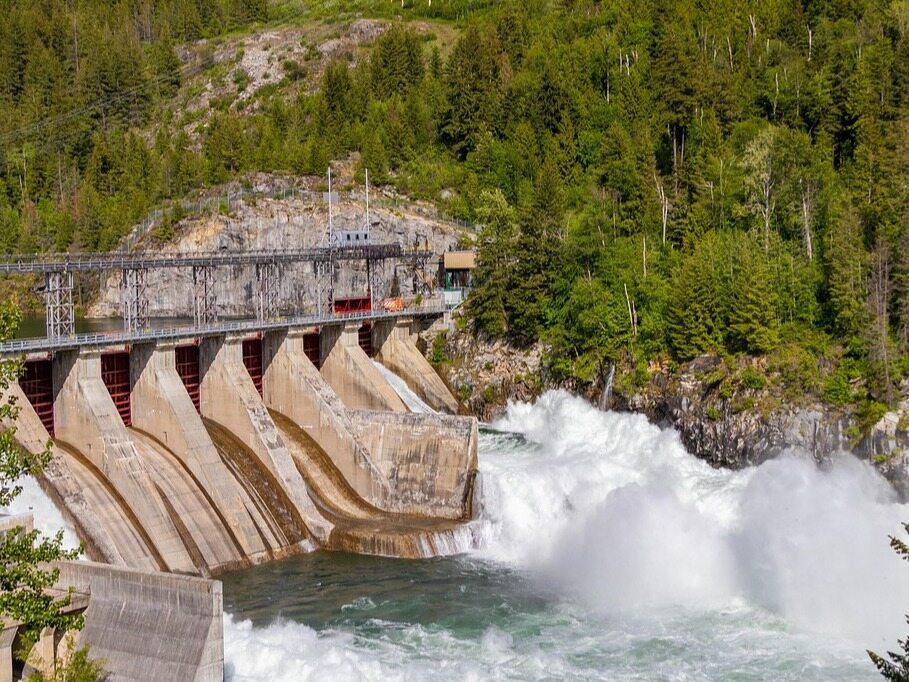
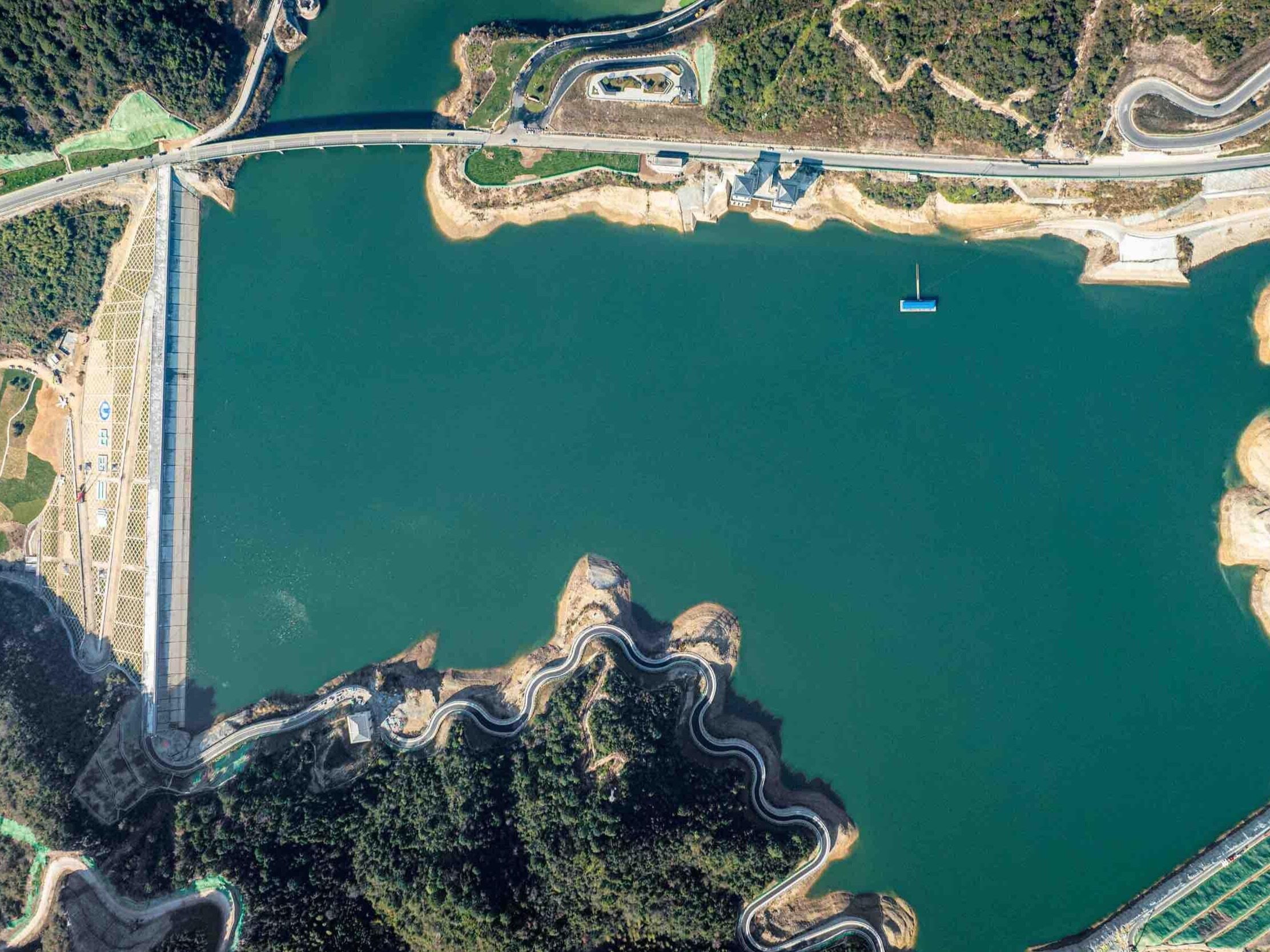
Norsk Hydro ASA really lost money this time. As a century old hydroelectric operator and global aluminum giant established in 1905, they invested $265 million in the Ilvatn pumped storage power station, the largest single hydroelectric investment in over 20 years. Although the net cost after tax is only $127 million, the calculations behind this project are very precise: it will start construction in November 2025 and is expected to be commercially operational in the second quarter of 2030, with an additional 107 GWh of net renewable energy per year, bringing the total to 210 GWh.
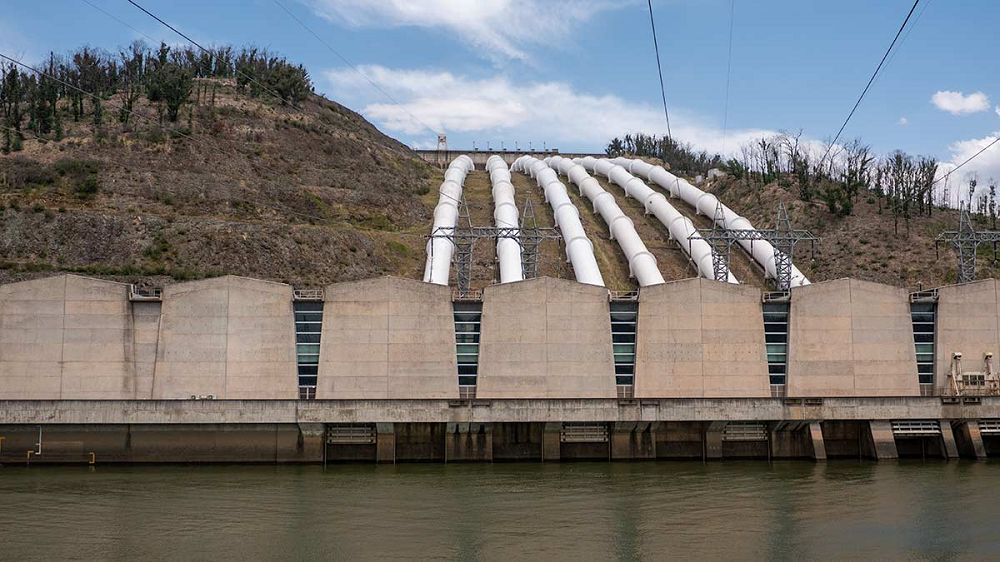
Who is this electricity intended for? It still needs to be Norsk Hydro ASA's own aluminum smelter. The aluminum industry is well-known as an electric tiger, and Norsk Hydro ASA's factory in Norway used to use water and electricity, but had high volatility. Now with this pumped storage system, it's like equipping high-energy aluminum production with a giant power bank, solving the pain points of low-carbon transformation from the source. More importantly, this power station is directly integrated into the Fortuna hydroelectric power system in the Sonn region - one of Norway's largest hydroelectric systems with strong regulation capabilities, which can help the entire Nordic power grid absorb unstable wind and solar power.
Clever design of all aluminum closed loop
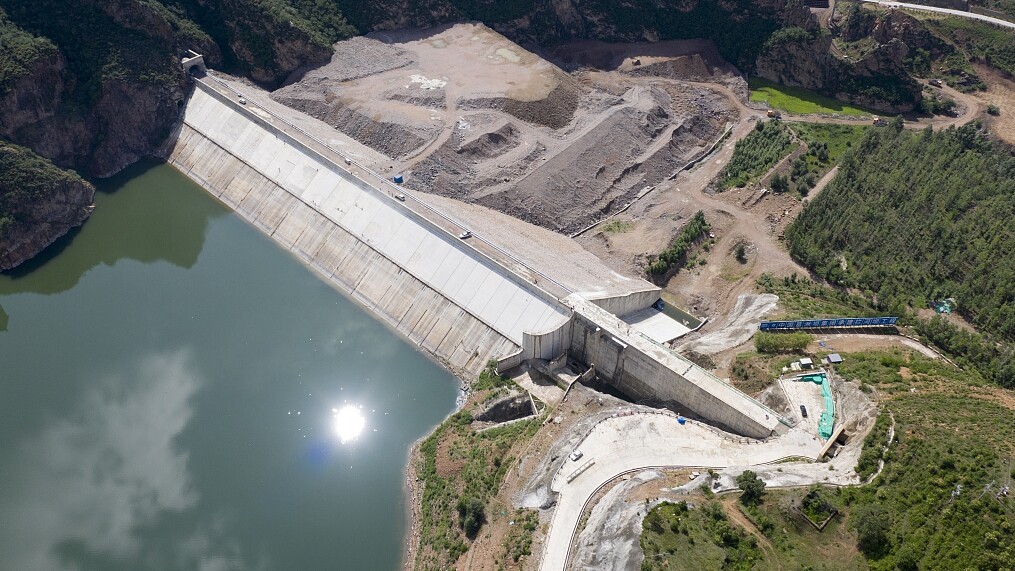
The most interesting thing is the private design of Norsk Hydro ASA. The power station is going to build a 13 kilometer transmission line connecting Fefflemir and Svenso Esteren, and all 48 iron towers along the line are actually made of aluminum. As a global leader in the aluminum industry, this move is too clever: using green electricity to produce aluminum, then building a power grid with aluminum, and finally transmitting green electricity to the grid. This is not only as simple as replacing steel, the all aluminum structure is lightweight and corrosion-resistant, but it can also showcase the carbon reduction potential of aluminum in infrastructure and effectively promote it. The project has also added a storage and regulation capacity of 90 million cubic meters, which directly maximizes the cross seasonal peak shaving capability.
ABB's technological escort
For this level of engineering, the electrical system must be reliable. ABB has secured an order for a complete set of control, monitoring, and electrical systems, covering almost everything from distributed control systems to network security, to medium voltage switchgear and vibration monitoring. The person in charge of ABB Norway spoke very confidently, saying that this project proves their expertise in the field of hydropower. But from an industry perspective, this is actually another validation of ABB's technology in extreme environments, as the Nordic power grid is notoriously demanding of stability. Keywords: new energy, pumped storage power station
The Irvatn project is not just a power station, it sets a precedent for high energy consuming industries worldwide: pumped storage is no longer just a tool for grid regulation, but also a hard support for industrial decarbonization. When green electricity, energy storage, and low-carbon industry are tied together, this closed-loop model will become increasingly common in the future.Editor/Cheng Liting
Comment


 Praise
 Collect
 Comment

 Share
Share


Write something~