 Search


- Malaysia's three major projects in 2026 are ready for decisive battle, and the East Coast Railway will be fully connected
- Malaysia invests $130 billion to launch infrastructure boom, with a focus on addressing the imbalance in development between the East and the West
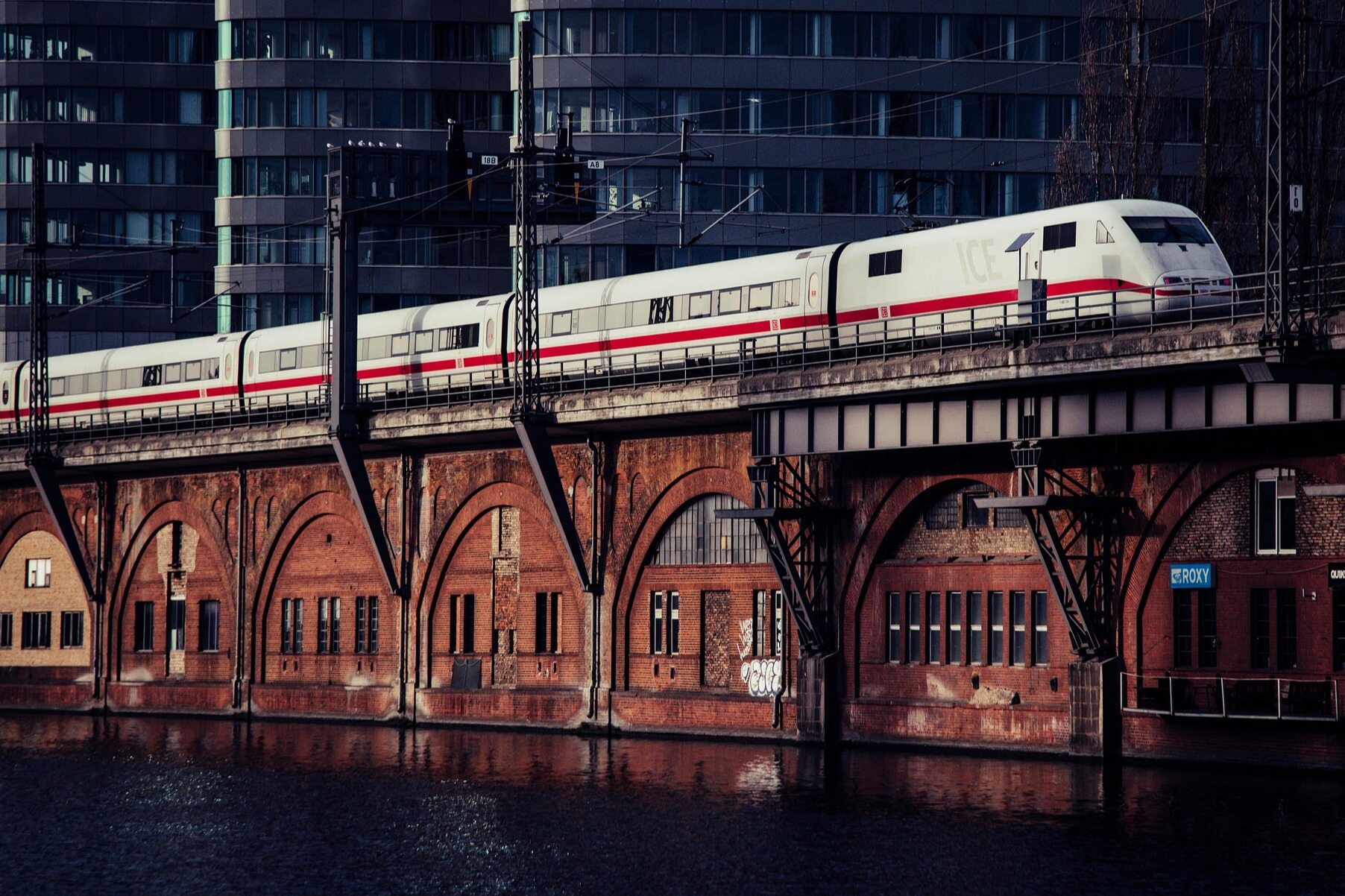
When the domestic infrastructure circle was still in the stock market, Malaysia in Southeast Asia was shocked.

611 billion ringgit, approximately 130 billion US dollars. This is the core trump card of Malaysia's 2026-2030 National Development Plan. This is not just a number, but also an infrastructure carnival covering transportation, energy, and people's livelihoods. For domestic construction companies struggling with road repairs, this tropical rainforest is nurturing unprecedented opportunities to go global.
Breaking the infrastructure maniac of the imbalance between the East and the West
Malaysia's anxiety has a long history. As the fourth largest economy in ASEAN, the states of Selangor and Penang on its west coast contribute over 70% of the country's GDP, with towering skyscrapers; However, when looking towards Kelantan and Terengganu on the east coast, as well as Sabah and Sarawak in East Malaysia, the infrastructure is severely lagging behind. Even more deadly is the lack of efficient land routes between the east and west coasts, where goods transportation either detours through the Strait of Malacca or takes time and effort on winding roads, with high logistics costs pressing down on the throat of the manufacturing industry.
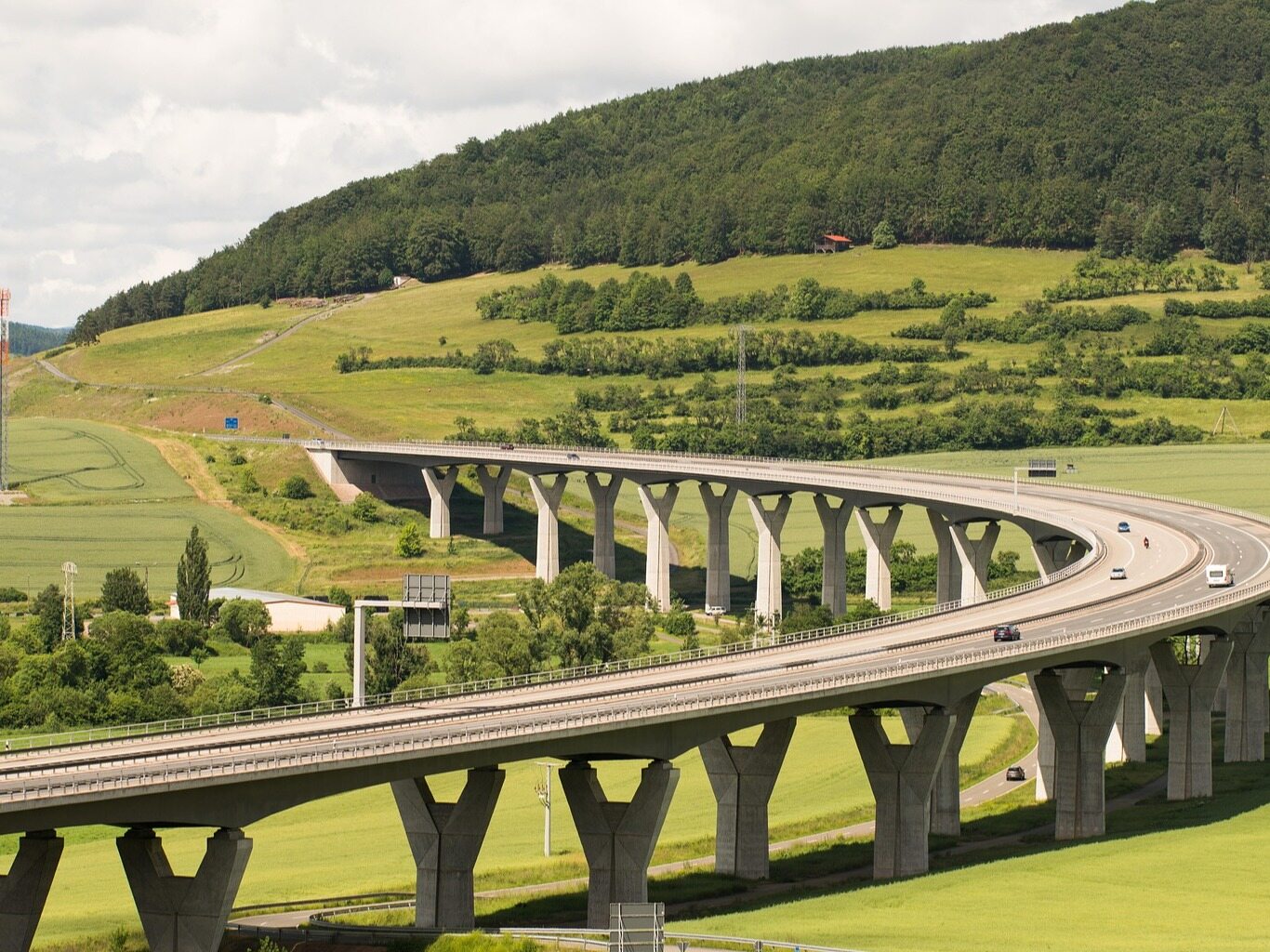
To become rich, first build roads. This 611 billion ringgit is meant to break through these two major bottlenecks.
The 2026 decisive battle of the three benchmark projects
The pioneers of this infrastructure wave are the three super projects that are about to usher in a decisive moment in 2026.
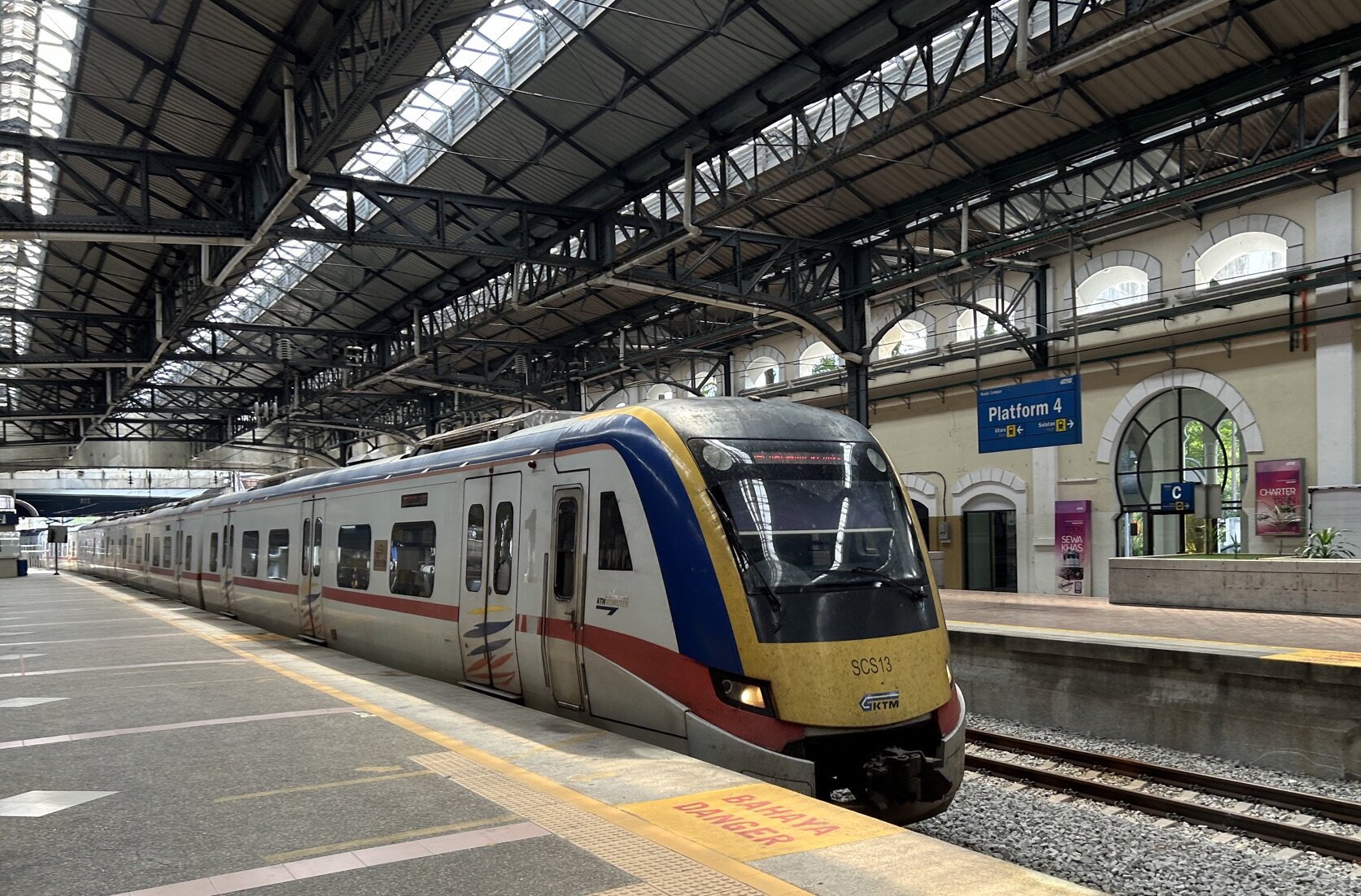
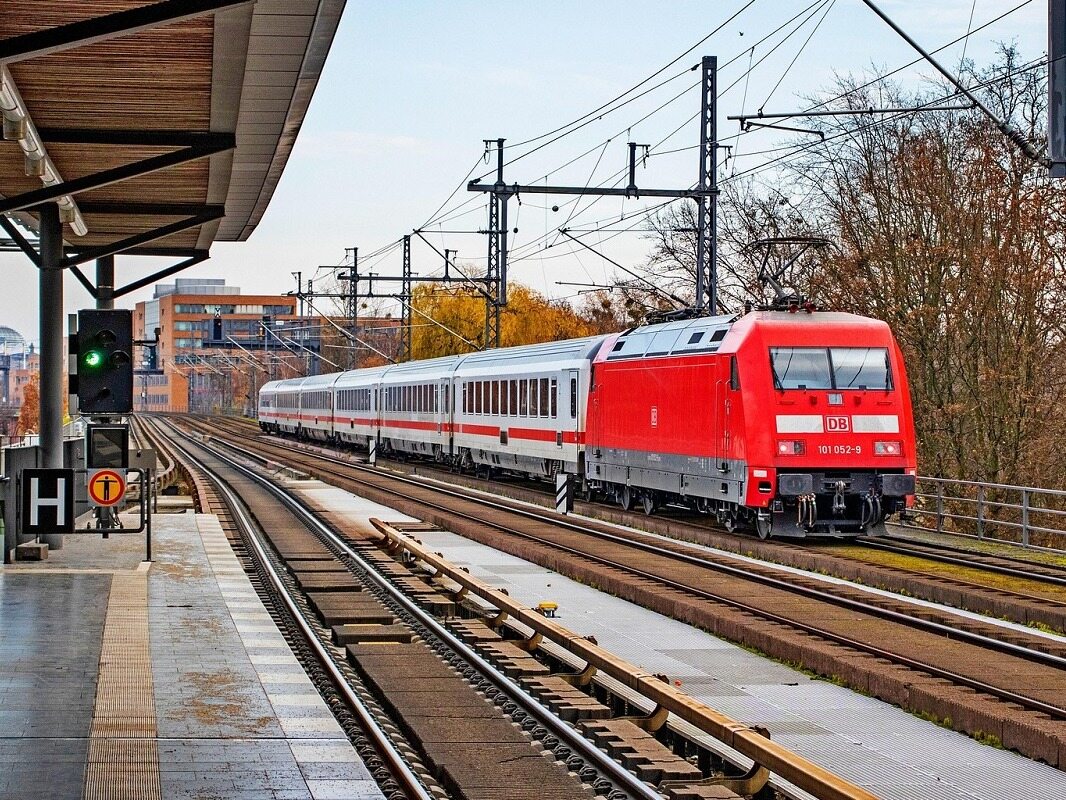
Firstly, the flagship of China Malaysia cooperation is the East Coast Railway. This steel giant dragon, with a total length of 665 kilometers, was constructed by China Communications Construction Corporation. As of January 2026, the progress has reached 91.7%. Just a month ago, the golden passenger train was unveiled for testing in Kuantan. As a modern railway with a passenger speed of 160 kilometers and a freight speed of 80 kilometers, it will compress the journey from Kelantan to Kuala Lumpur from 8 hours to 4 hours, and is expected to complete the entire line by the end of 2026, completely connecting the Malay Peninsula.
Next is the Trans Borneo Railway, which rewrites the geopolitical landscape. This cross-border artery, with a designed speed of 350 kilometers per hour and over 1600 kilometers per hour, will connect Sabah and Sarawak in Malaysia with Brunei and Kalimantan in Indonesia. It is not only the largest cross-border railway in Southeast Asia, but also a blood transfusion tube that integrates the East Malaysia region into modern civilization. It is expected to be completed and implemented by mid-2026.
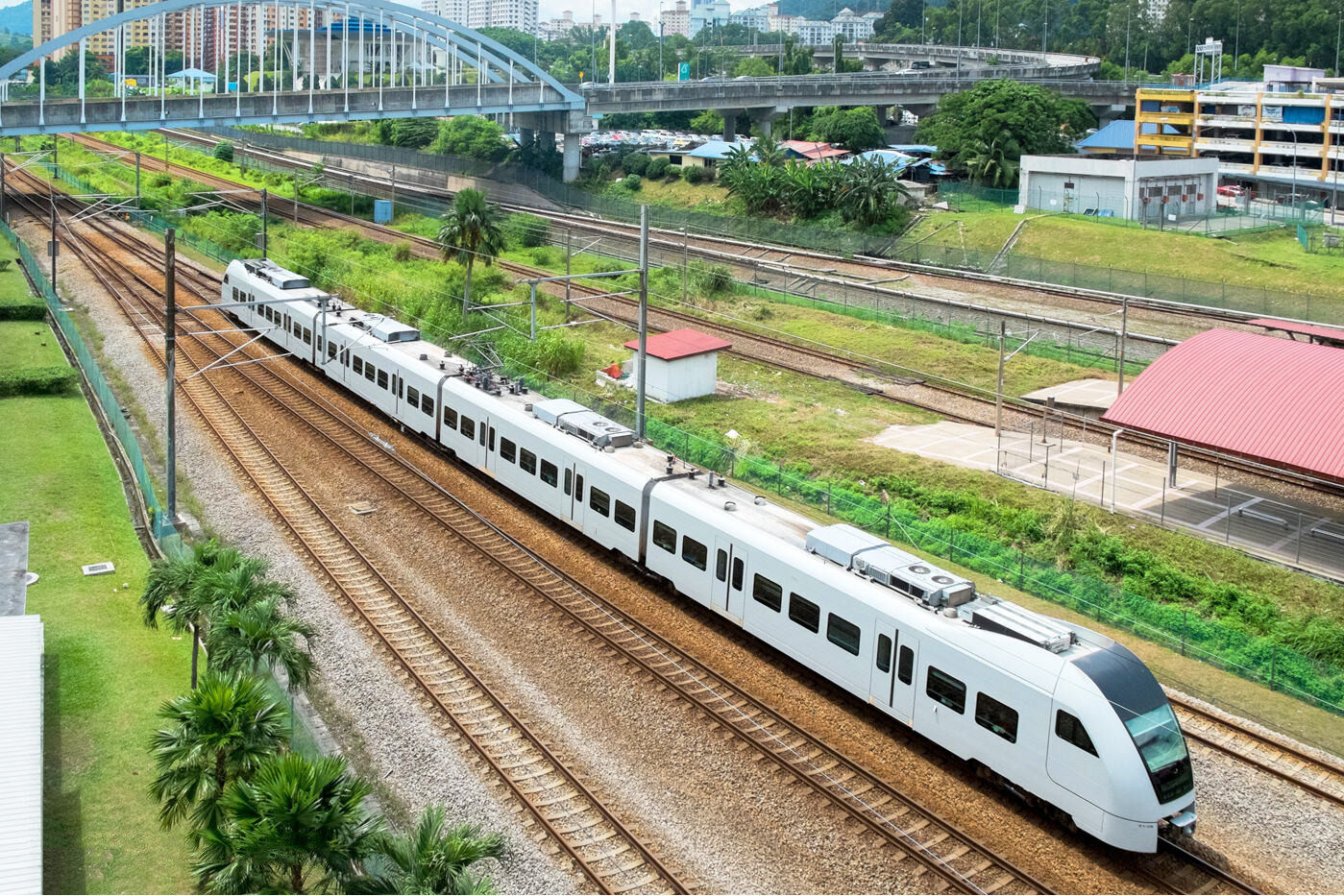
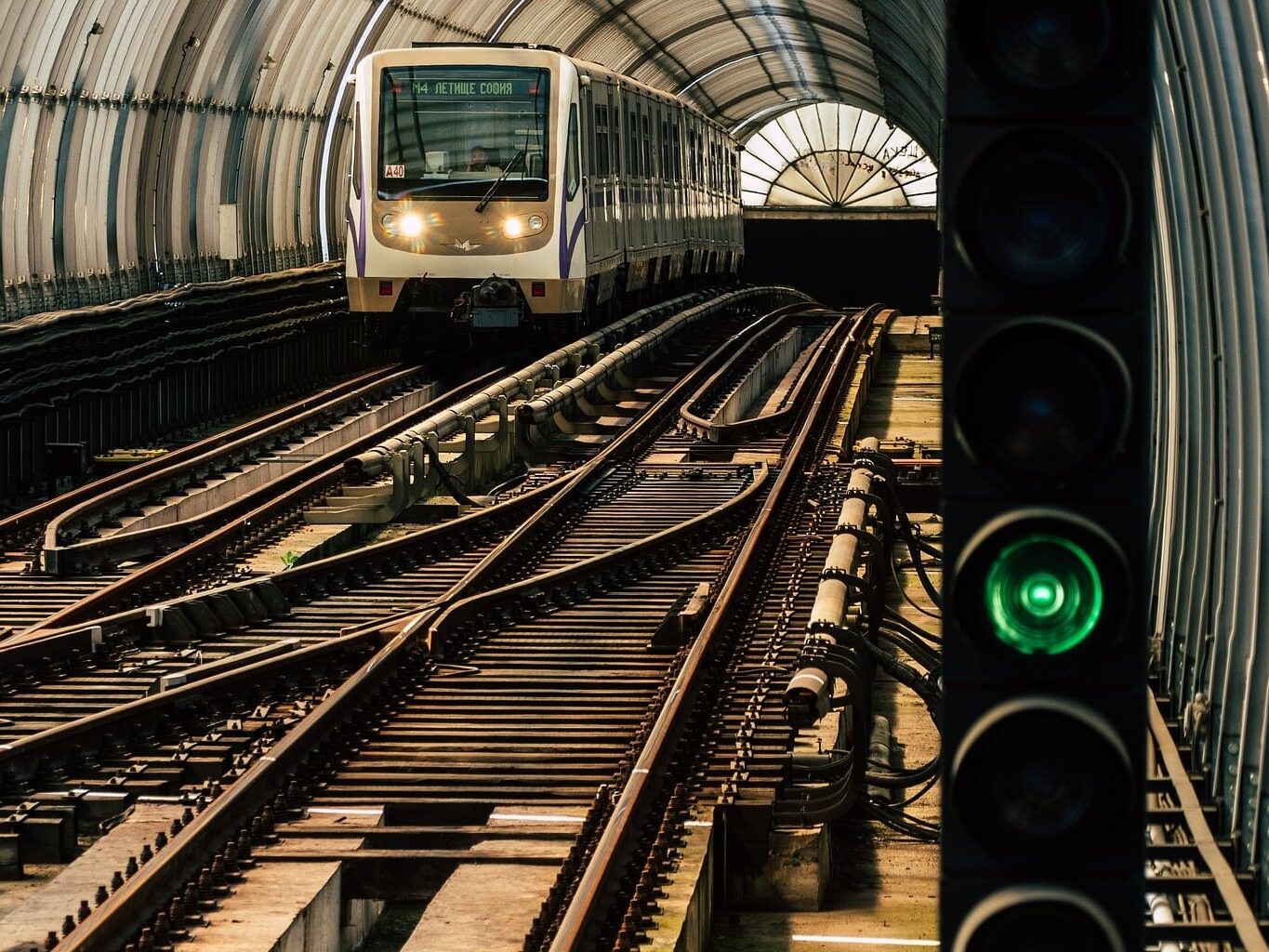
Finally, there is the "adhesive" of Singapore Malaysia integration - the Rouxin MRT. This 4-kilometer route carries a daily cross-border traffic of 300000 people. Adopting the "one place, two inspections" mode, the one-way travel only takes 5 minutes, and the hourly transportation capacity reaches 10000 people. Dynamic testing will commence in May 2026 and be completed by the end of the year. At that time, Johor Bahru will truly become Singapore's backyard, with the daily number of passengers expected to double to 600000. Keywords: Southeast Asian news, infrastructure
This is not simply building roads and bridges, but a bold gamble on the fate of the Malaysian nation. For China's infrastructure strength, this is not only an order, but also a touchstone for technology and standards to go global.Editor/Cheng Liting
Comment


 Praise
 Collect
 Comment

 Share
Share


Write something~