 Search


- Thaco Group has invested approximately 10.1 billion US dollars in two phases of construction, with plans to open to traffic by 2032
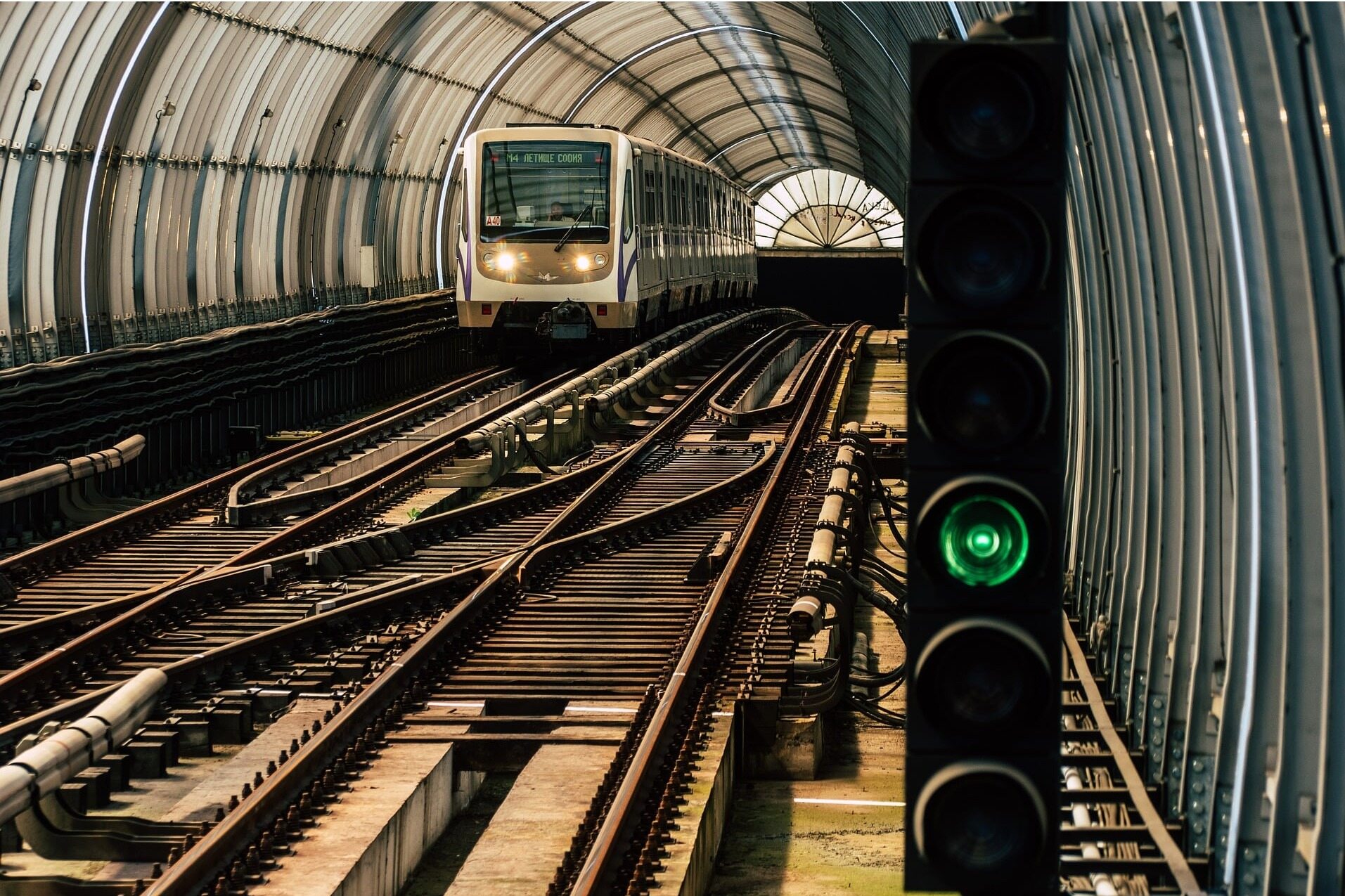
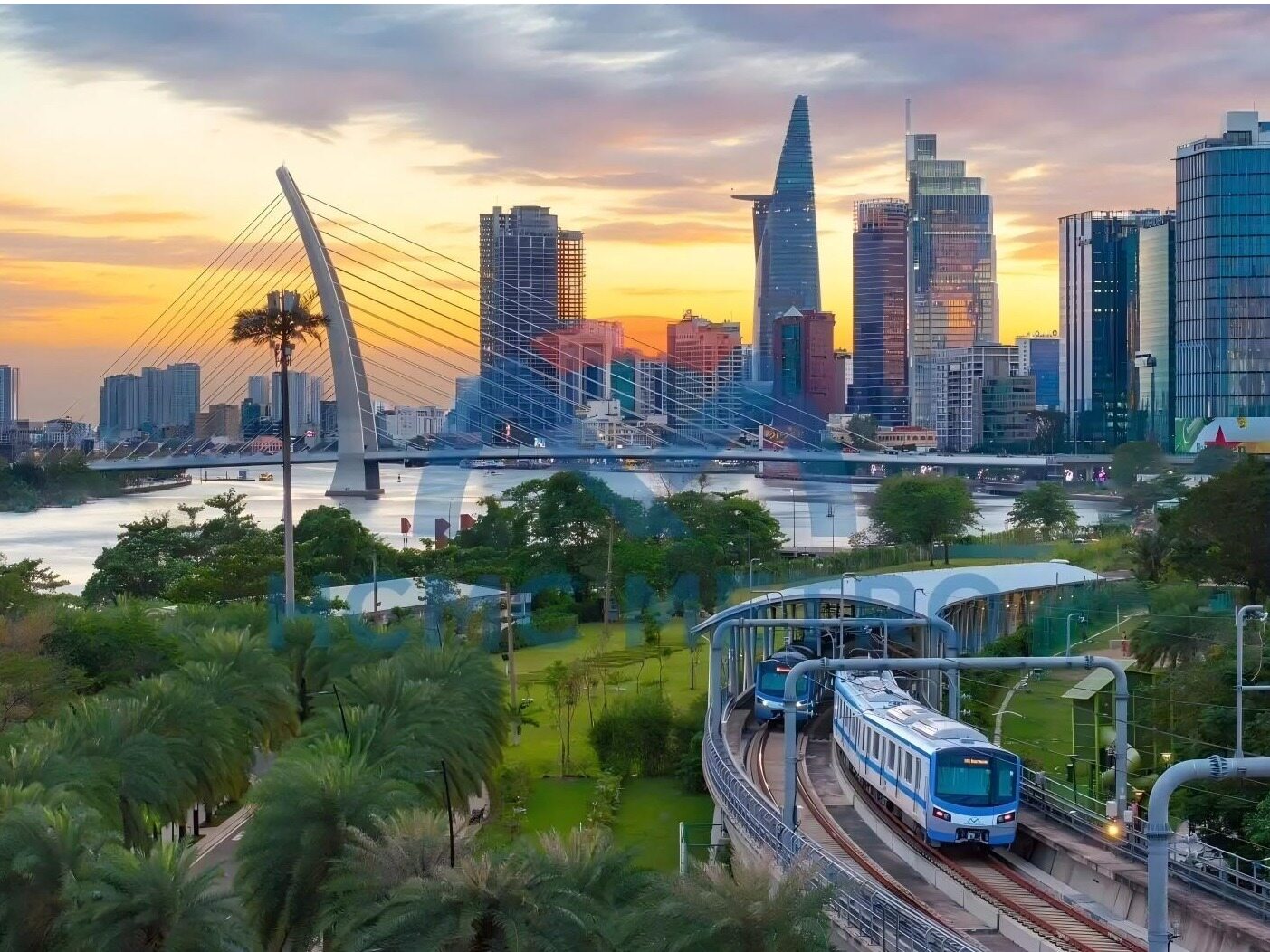
Recently, the city of Dalat in Vietnam has been approved. A private commuter railway with a total length of 103 kilometers, connecting Da Lat with the Hui'an, Tanxi, Chunlai economic zones and Da Lat International Airport, is built solely by Thaco Group of Vietnam, with a total investment of 2659 trillion Vietnamese dong, approximately 10.1 billion US dollars.
Two sections of road, two speeds
The route is divided into two phases. The first phase is 30.2 kilometers, running directly from the center of Dalat to the airport and Hui'an, connecting the city core and aviation gateway. The second phase is 73.6 kilometers long, extending from Hui'an to the Chunlai Economic Zone, and plunging into the most dynamic industrial hinterland in central Vietnam.
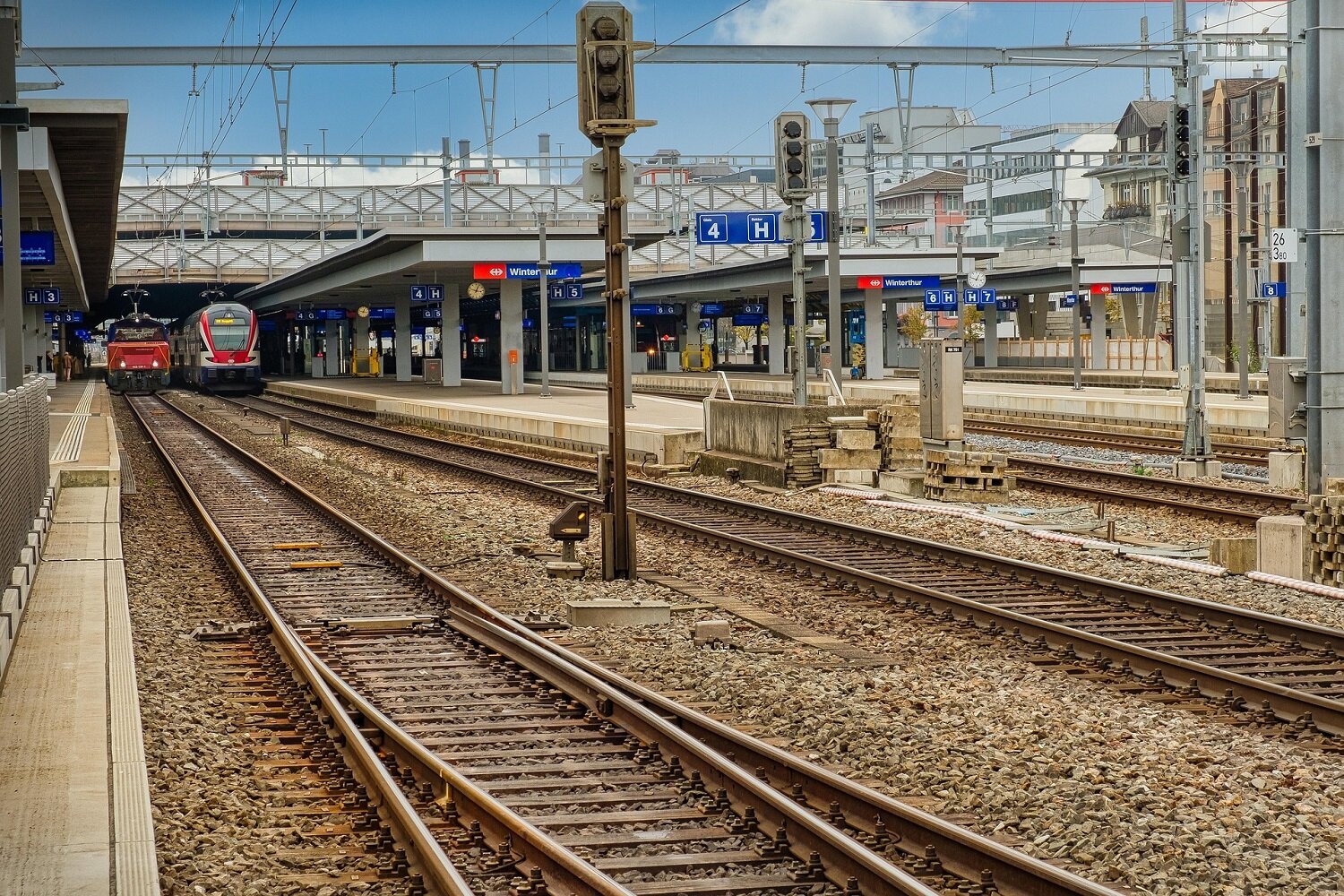
The data is worth reading carefully. Departing from the center of Da Nang, it takes 220 minutes to get to the airport, and only 40 minutes to get to Chunlai - the latter is faster because the Chunlai section is designed with higher speeds and larger station spacing, following a fast commuting logic rather than stopping at stations. This is the first time in the history of Vietnamese railways that the entire line combines the dual functions of airport express and intercity commuting.
Thaco's DaiQuang Minh subsidiary is responsible for the implementation, with construction starting in the first quarter of next year and opening to traffic in 2032. The construction period is seven years, which is not short, but considering the high proportion of bridges and tunnels in the 103 kilometers and the need to cross the central plateau and hilly areas along the way, this pace is reasonable.
Thaco's ambition goes beyond railway tracks
This is not an isolated railway.
Thaco has selected Hyundai Rotem from South Korea as the supplier of vehicles and signal systems. The vehicle model is likely to use commuter EMUs, with a design speed of 120 to 160 kilometers per hour, suitable for operating scenarios with multiple stops and frequent starts and stops. Thaco is the largest private car company in Vietnam, with an annual sales volume of over 100000 vehicles. It also has a presence in agriculture, real estate, and ports, and the infrastructure of the Chunlai Economic Zone is a key link in extending its industrial chain.
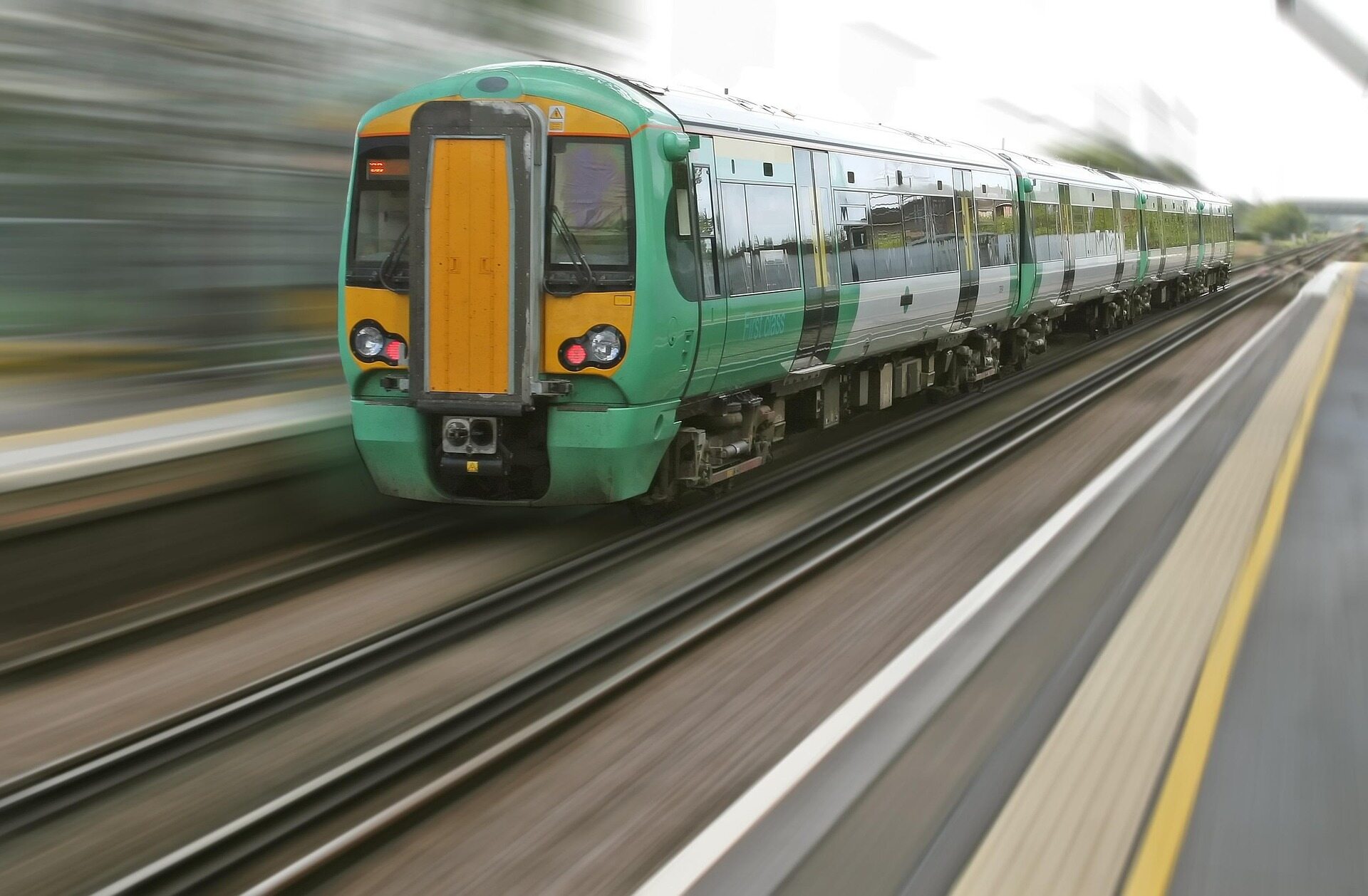
The total length of Vietnam's railways is currently only about 3100 kilometers, mainly consisting of meter gauge single tracks, with speeds generally not exceeding 80 kilometers per hour. The central coastal city clusters - Da Nang, Da Lat, and Hoi An - together account for about 15% of the country's GDP and have a population of over 8 million, but have long lacked efficient rail connections. Once this private railway is established, it will become a benchmark sample for Vietnam's railway industry and may also leverage more social capital to enter the railway sector. Keywords: Southeast Asian news, transportation
10.1 billion US dollars, buying not only 103 kilometers of railway tracks, but also the next decade of the central urban agglomeration in Vietnam.Editor/Cheng Liting
Comment

 Praise
 Collect
 Comment

 Share
Share


Write something~