 Search


- Double track railways and urban rail transit are advancing simultaneously, strengthening connectivity with neighboring countries
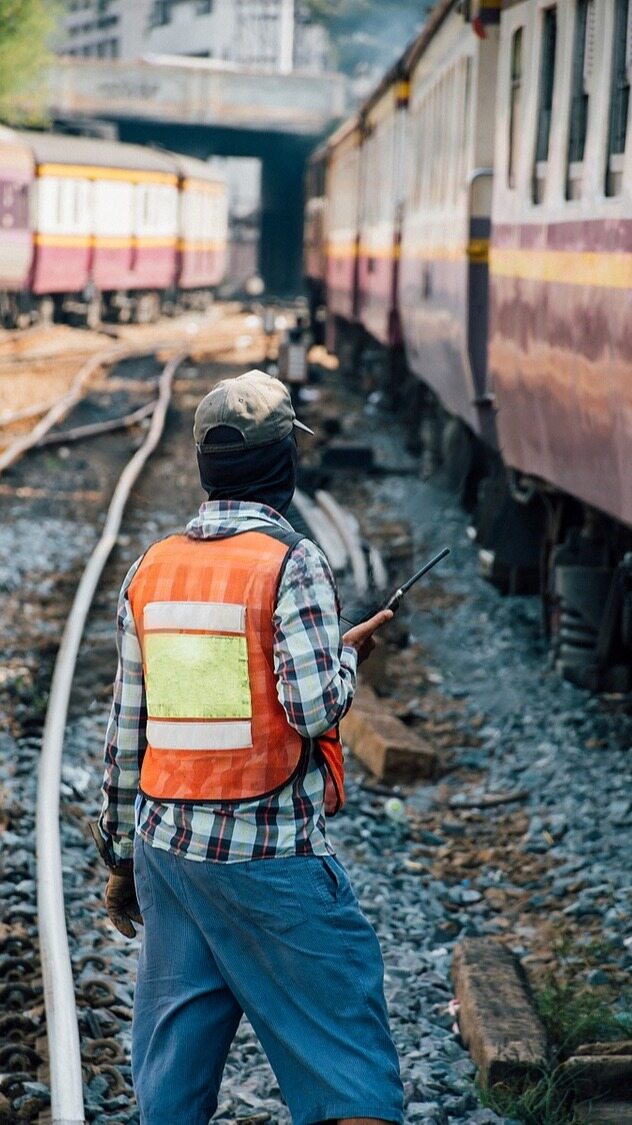
At the exhibition booth of the Asia Pacific Railway Conference in Bangkok, the electronic map behind Thai Transport Minister Pippa lights up a dense optical network. This blueprint not only connects Bangkok's upcoming first high-speed railway, but also affects the land bridge plan between the two seas in southern Thailand. For office worker Song'en, who shuttles through congested traffic in Bangkok all year round, this means that commuting time will be significantly reduced in the future; For logistics merchant Anan, this indicates that there will be an additional land shortcut for the transfer of goods from the Gulf of Thailand to the Andaman Sea. Thai railways are attempting to rewrite the regional logistics map through a comprehensive modernization upgrade.
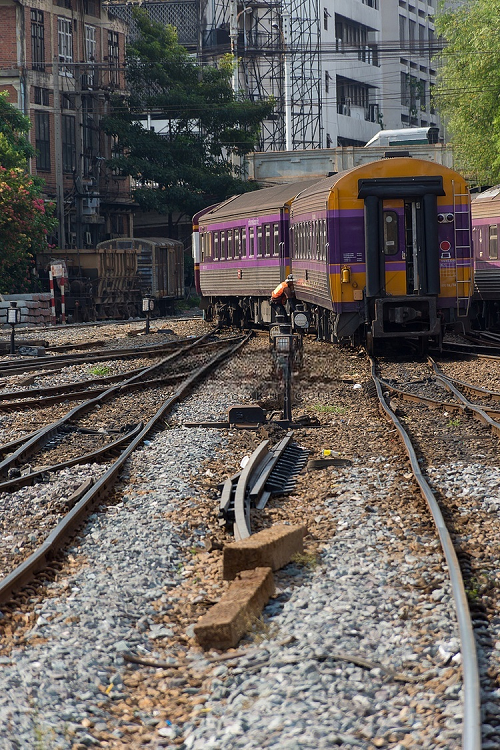
Domestic road network with dual tracks
Thailand is reshaping its domestic transportation infrastructure with high-speed rail and double track railways as dual engines. At present, the first phase of six double track railways has been put into operation, with a total mileage of over 993 kilometers; The second phase of 7 routes is being accelerated, with a total length of 1479 kilometers, which will greatly improve freight efficiency. The most anticipated Bangkok Nakhon Ratchasima high-speed railway is progressing smoothly and is expected to be put into operation in 2028. In the future, it will also extend to Langkawi, becoming a major artery that runs through the northeast. At the same time, the Bangkok metropolitan area is weaving a 554 kilometer rail network, of which over 280 kilometers have been opened to traffic. The construction of new lines such as the Orange Line and the South Purple Line is continuously improving this urban network.
Regional connectivity with both sea and land
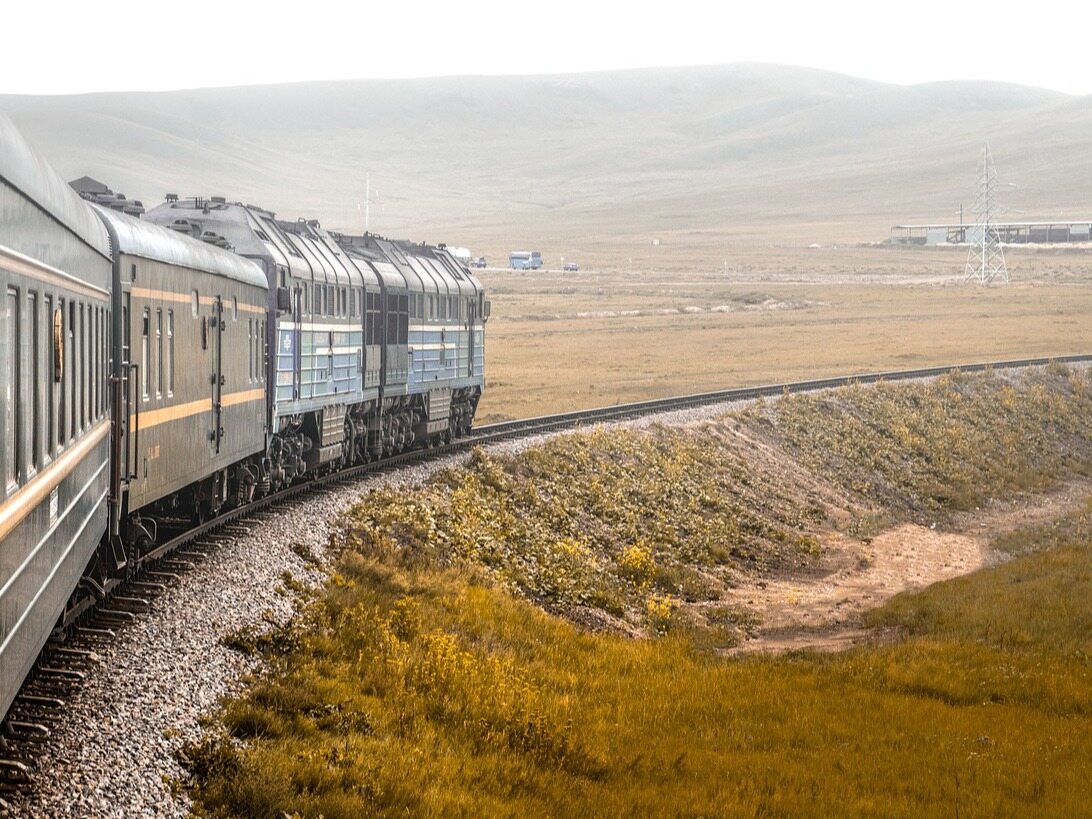
At the border and coast, Thailand's railway ambitions are even more ambitious. The government is restarting the land bridge plan connecting the provinces of Chumphon in the Gulf of Thailand and Andaman Serang. By connecting the two seas through railways and highways, it is expected to reshape the regional shipping pattern. In terms of cross-border cooperation, Thailand actively aligns with its Southbound strategy and strengthens connectivity with Malaysia, Laos, and China through railways. In conjunction with the construction of the Pan Asian Railway network, Thailand is transforming from a geographical crossroads to a logistics hub, promoting rapid movement of people and goods within ASEAN and beyond.
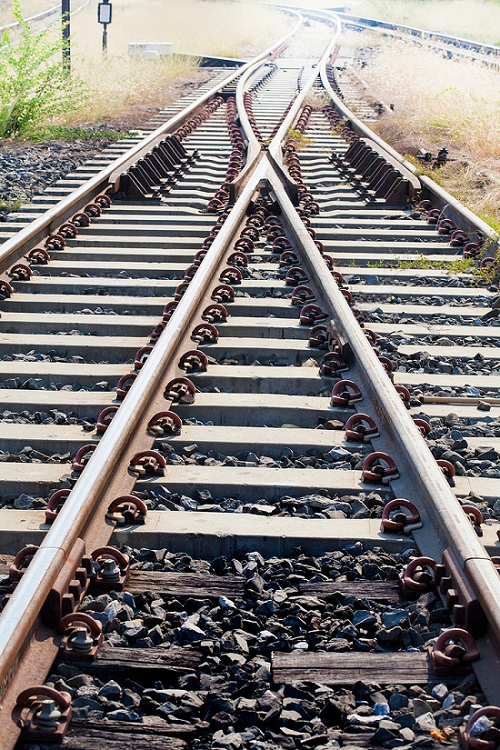
Smart green dual wheel drive
In addition to hardware upgrades, Thai railways place greater emphasis on enhancing their soft power. In Bangkok, the government is promoting the introduction of EMV contactless payment system, which is expected to achieve seamless access to multiple rail transit and public transportation with one card in the future. At the exhibition, models of new energy locomotives and hydrogen energy trains brought by Chinese companies such as CRRC also pointed out the direction of Thailand's railway transformation towards clean energy. By encouraging technological innovation and private sector participation, Thailand aims to build a smarter and greener modern transportation system, making railways truly the core engine driving economic development.Editor/Yang Meiling
Comment


 Praise
 Collect
 Comment

 Share
Share


Write something~