 Search


- This move will accelerate the green and low-carbon transformation of energy
General Secretary Xi Jinping emphasized that energy security and safety are crucial to the national economy and people's livelihood, and cannot be ignored as the 'great national priority'. Currently, China is accelerating the construction of a new energy system, increasing efforts to develop clean energy, improving the level of clean energy utilization, and continuously enhancing energy security resilience, providing strong support for economic and social development.
On the current energy landscape of China, there is a thriving green energy force.
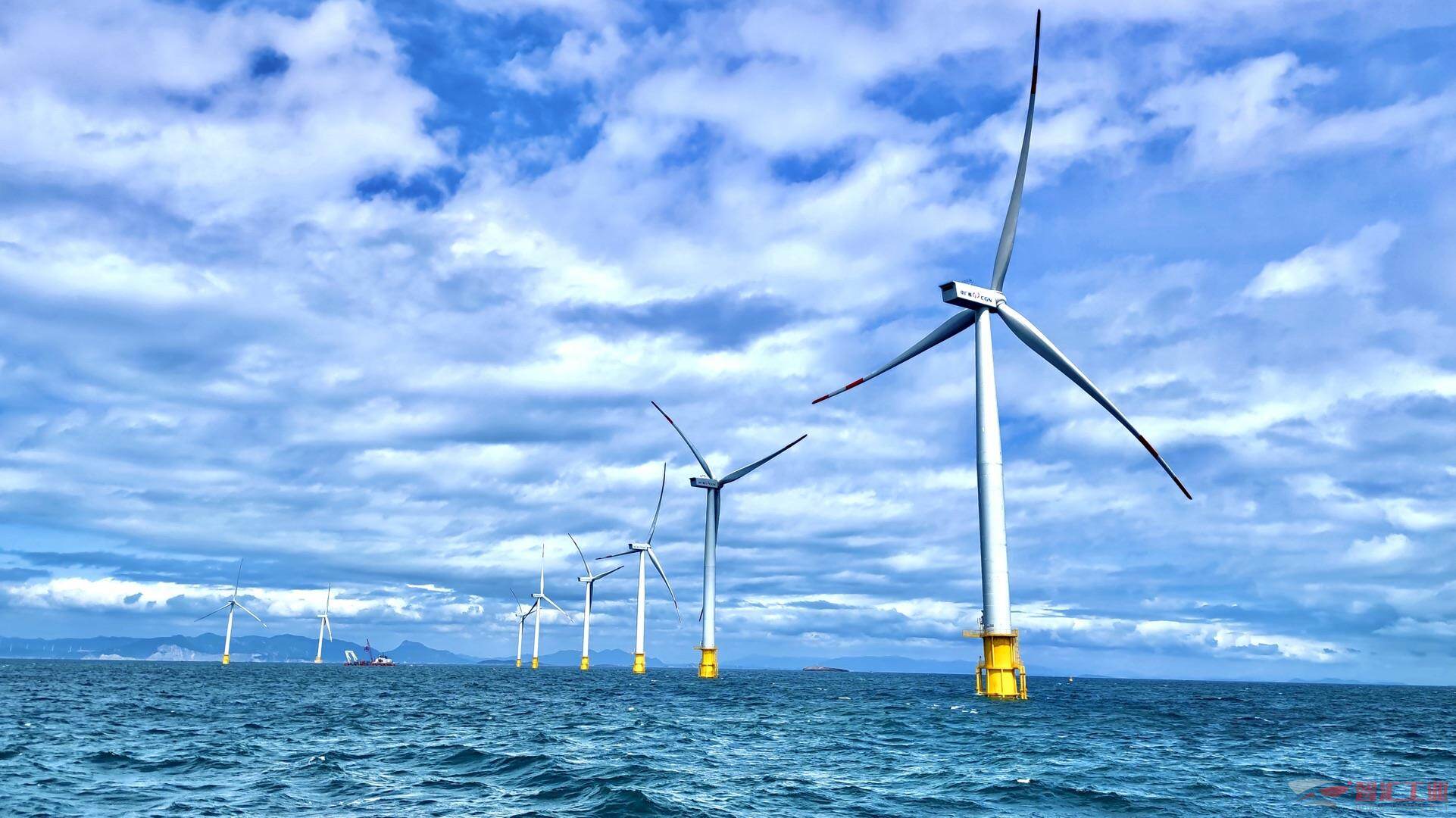
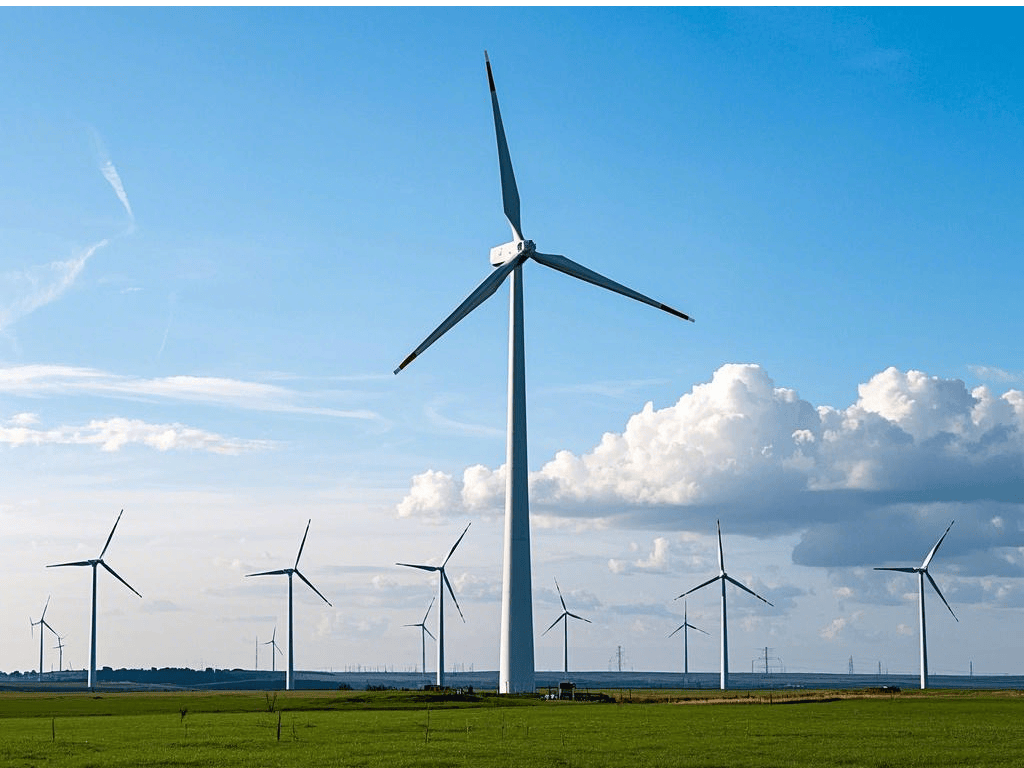
At sea, the 153 meter wind turbine blades rotate once, producing 62 degrees of electricity. In one day, the electricity generated by all the wind turbines in the country is enough for a super city with a population of 20 million residents to use for a month, and can also support the manufacturing of 2.38 million new energy vehicles. Nowadays, for every 10 kWh of electricity generated nationwide, about 4 kWh comes from renewable energy sources.
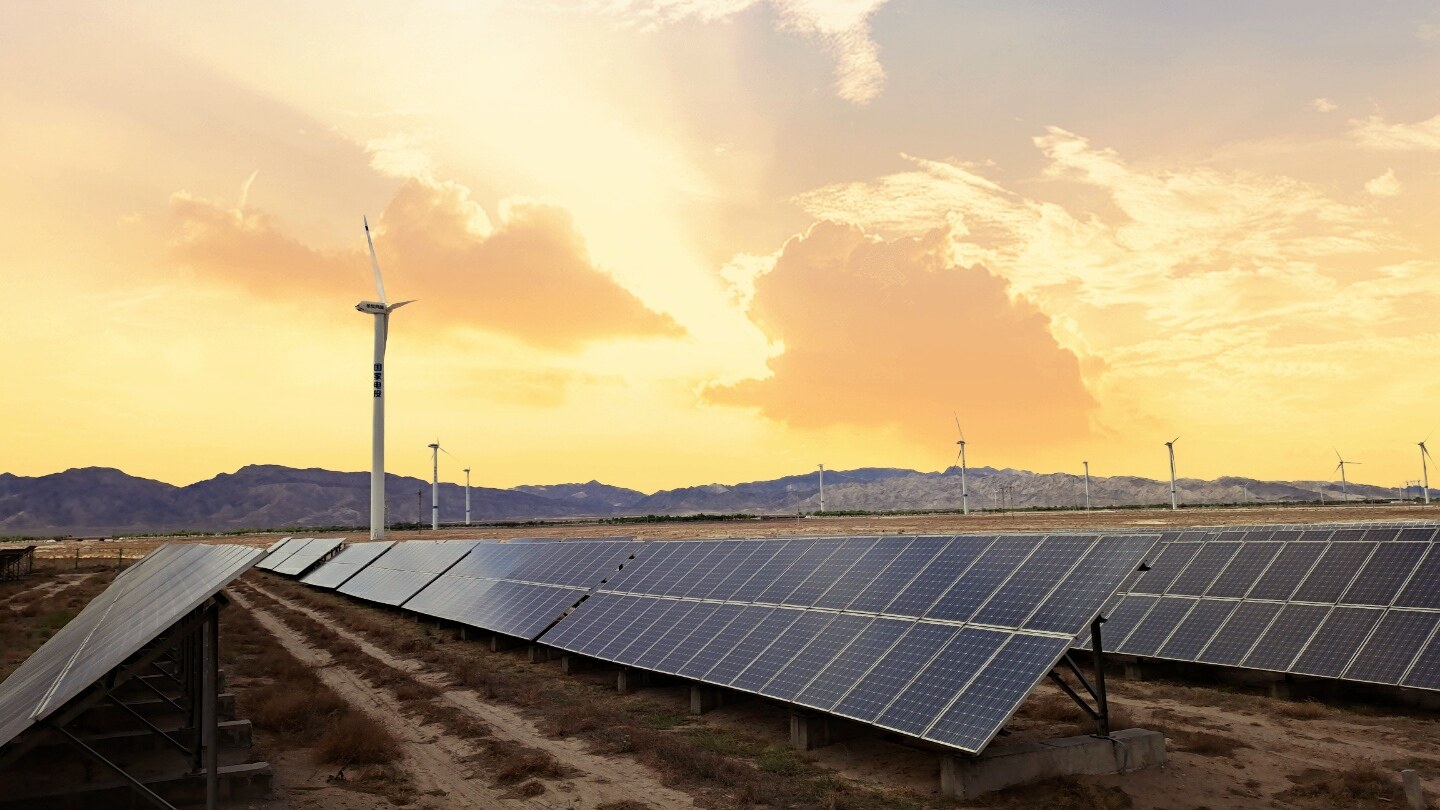
From 2012 to 2021, in less than a decade, China's installed capacity of renewable energy has more than doubled, exceeding 1 billion kilowatts and building the world's largest renewable energy system; By 2023, China's renewable energy installed capacity will account for more than half of the country's total electricity installed capacity for the first time, surpassing thermal power in history. At present, the installed capacity of renewable energy in China has reached nearly 2.4 billion kilowatts, accounting for nearly half of the global installed capacity of renewable energy, which strongly supports the stable maintenance of China's energy self-sufficiency rate at over 80%. Amidst the ongoing escalation of international geopolitical risks and disruptions in global energy supply, China has delivered a resilient green energy answer sheet.
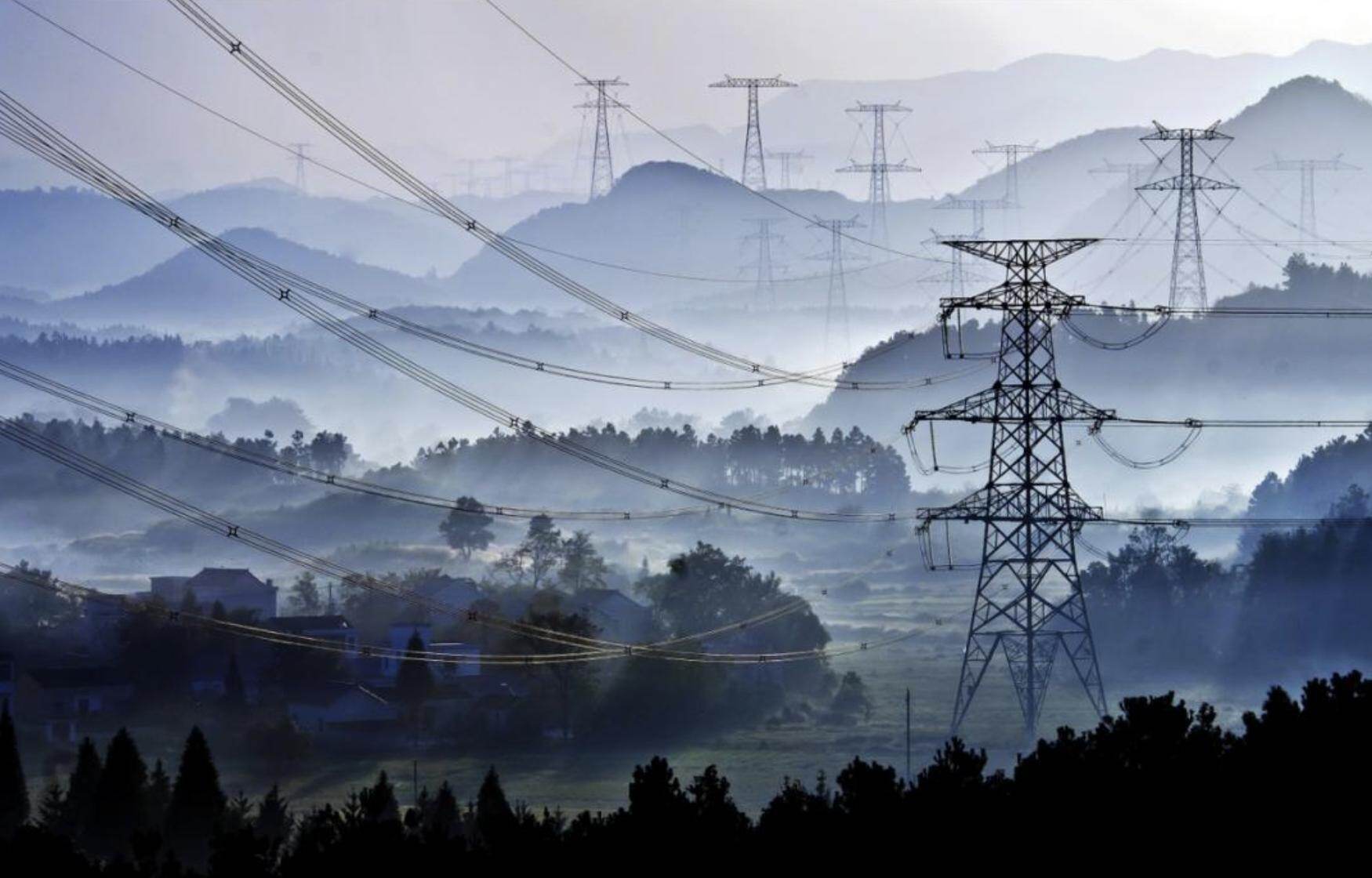
Energy security is crucial to the overall economic and social development. As early as 2014, General Secretary Xi Jinping first proposed a new energy security strategy from the strategic perspective of national development and security, which includes promoting energy consumption revolution, energy supply revolution, energy technology revolution, energy system revolution, and strengthening international cooperation in all aspects. Over the years, General Secretary Xi Jinping has made a series of important statements based on the development and changes of the situation. The connotation and practice of the new energy security strategy have been continuously enriched and developed, leading China's energy development to constantly make new breakthroughs and create new situations. He pointed out that accelerating the construction of a clean, low-carbon, safe and efficient energy system is the main direction of China's energy revolution; We must base ourselves on the national conditions, adhere to the principle of establishing first and then breaking through, accelerate the planning and construction of a new energy system, and ensure energy security. Not long ago, during a visit to Xiong'an New Area in Hebei Province, he pointed out that energy is a strategic issue in development. We took the lead in developing wind power and photovoltaics, and the path we are taking now seems forward-looking. At the same time, coal-fired power is our energy source and should play a supporting role. We must adhere to the path of clean and low-carbon development.
Lv Wenbin, Director of the Energy Research Institute of the National Development and Reform Commission: General Secretary Xi Jinping has creatively proposed a new strategy for energy security, which profoundly answers major theoretical and practical issues in energy development in the new era. It is precisely this strategic vision that is based on the present and focuses on the long term that enables China to calmly respond to external energy shocks, achieve independent and controllable energy supply, stable and orderly, enhanced resilience, and a greener background, demonstrating General Secretary Xi Jinping's scientific, forward-looking, and strategic judgment on energy development.
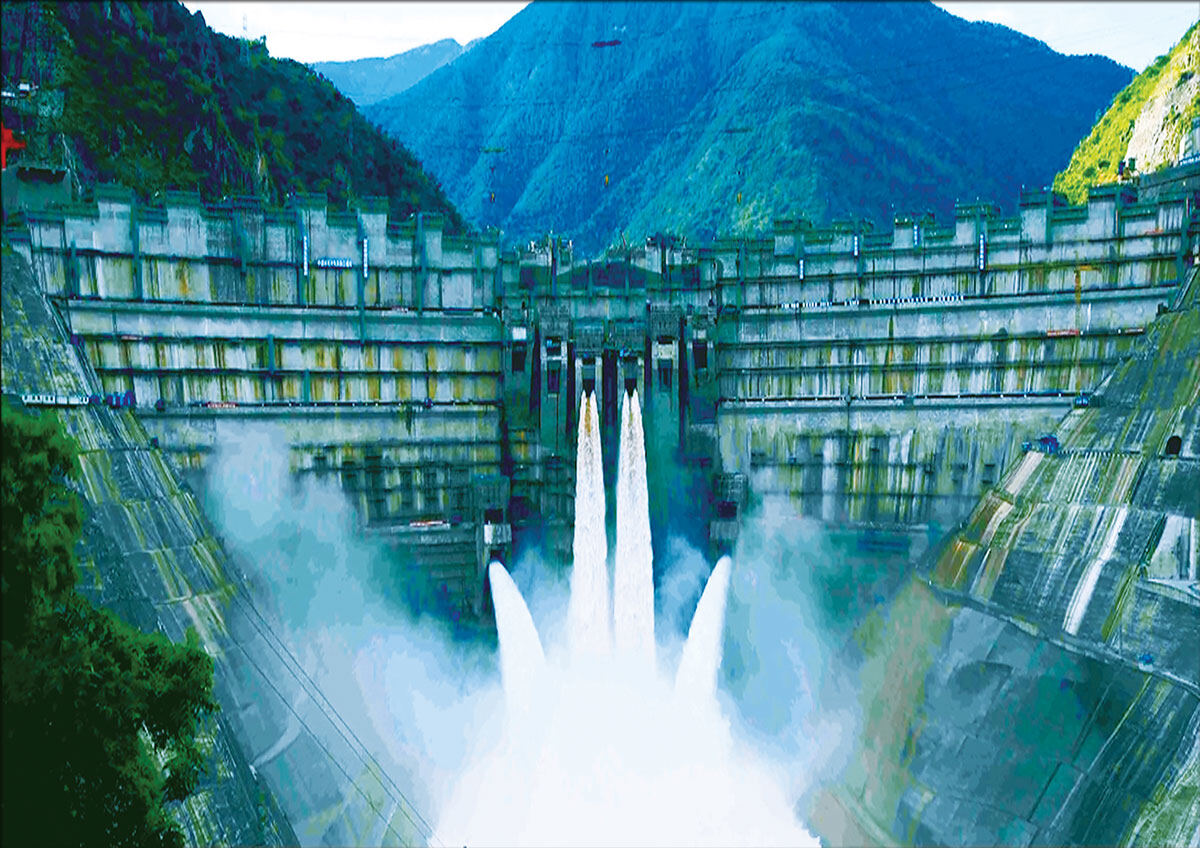
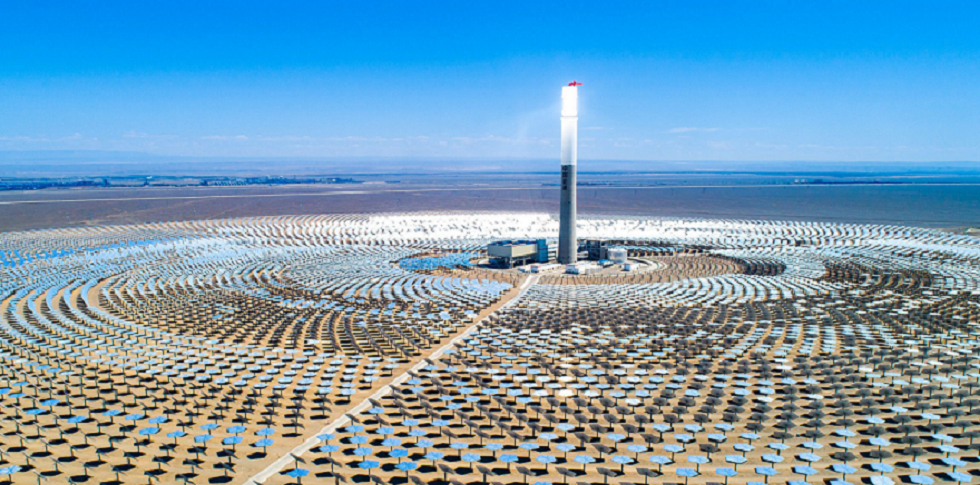
Since the beginning of the year, China has accelerated the construction of clean energy bases. In Naqu, Xizang, a 100 MW solar thermal power station has entered a critical period of construction. 15927 large mirrors have just been installed. After completion, 260 million kilowatt hours of clean power can be generated annually. In 2026, clean energy bases planned for the 15th Five Year Plan, including offshore wind power bases, coastal nuclear power bases, and "Three North" wind and photovoltaic bases, will be established. Climbing towards high altitudes, photovoltaic panels take root in snow covered plateaus over 4000 meters; Breaking through to the deep sea, the windmill has advanced nearly a hundred kilometers into the open sea, and the supply capacity of clean energy continues to improve.
Nowadays, the once desolate deserts, Gobi, and wastelands are transforming into huge green power plants. With the increasing proportion of new energy installations such as wind and solar power, how can we further break through the bottleneck from the power generation end to the power consumption end, and ensure that new energy can be delivered and used well?
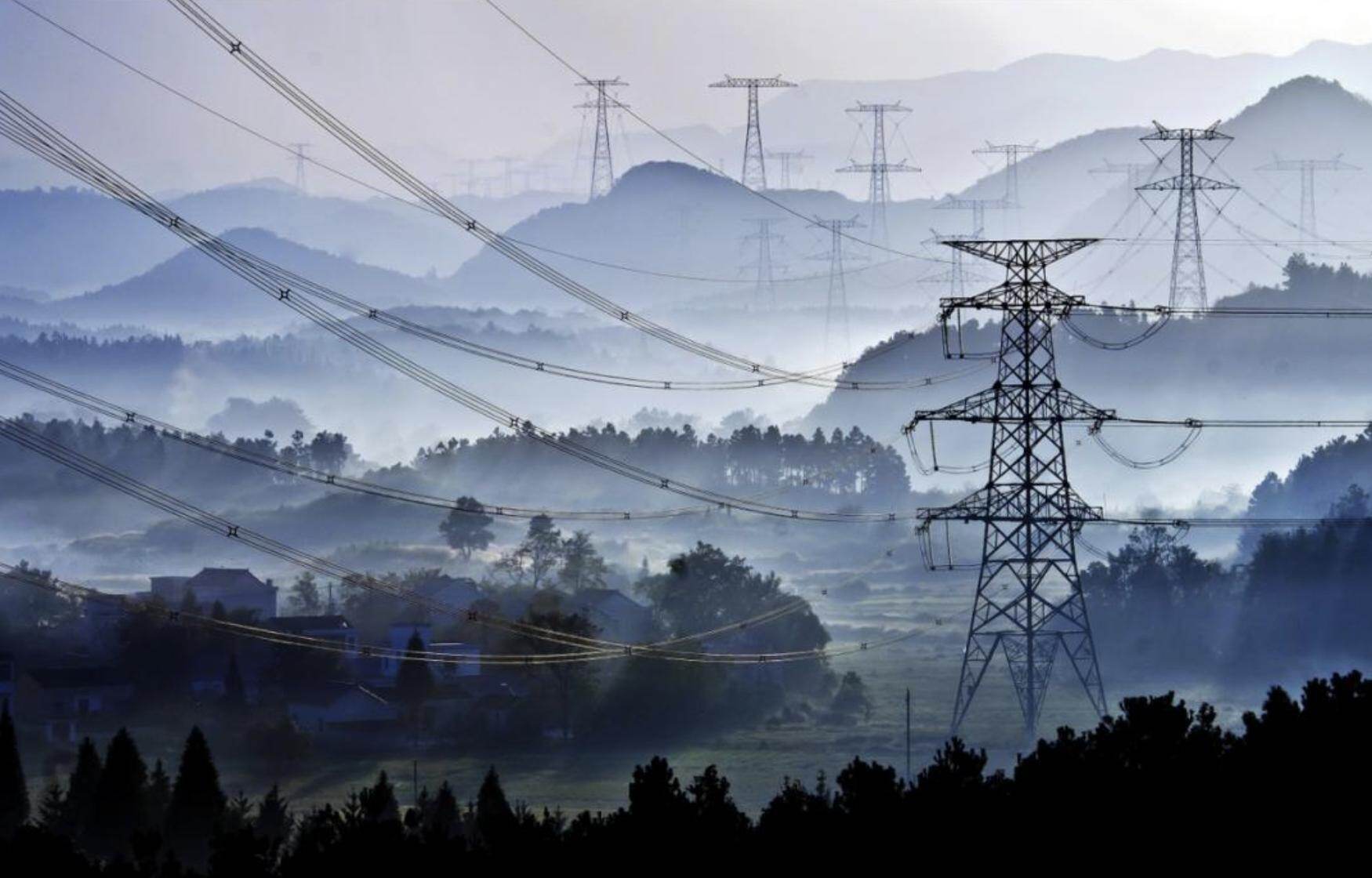
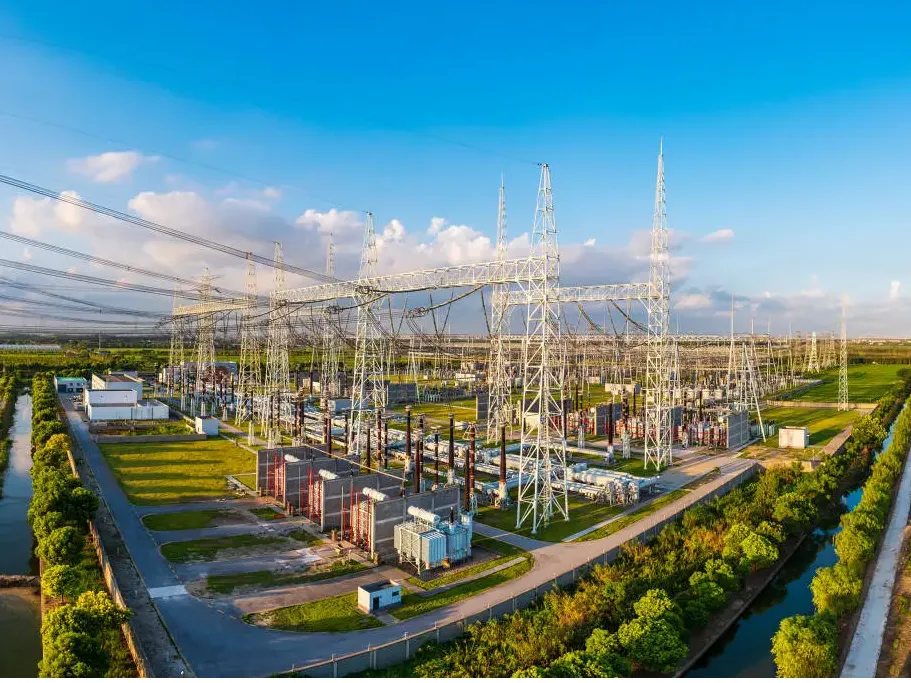
By 2026, the construction of power transmission channels will accelerate comprehensively. At present, the construction of the Tibet Guangdong DC project is accelerating. This world's highest ultra-high voltage project can deliver green electricity from the Qinghai Tibet Plateau to the Guangdong Hong Kong Macao Greater Bay Area, which is over 2600 kilometers away, in just 9 milliseconds. At present, the total length of China's ultra-high voltage lines has exceeded 60000 kilometers, and "power highways" run through mountains and rivers, sending wind power from the Hexi Corridor, solar energy from the the Junggar Basin, and hydropower from the Jinsha River to the central and eastern regions with huge power demand. During the 15th Five Year Plan period, China's power grid investment will increase by about 40% compared to the 14th Five Year Plan, and this super grid will greatly support China's annual electricity demand of over 10 trillion kilowatt hours.
Since 2026, China has accelerated the construction of energy storage projects. At present, the approved and under construction pumped storage capacity in China exceeds 200 million kilowatts, ranking first in the world. The new energy storage technology has achieved a breakthrough from a single point to a multi-point flowering. Various new energy storage technologies such as lithium-ion battery energy storage and compressed air energy storage are at the forefront of the world, playing an important role in promoting the consumption of new energy.
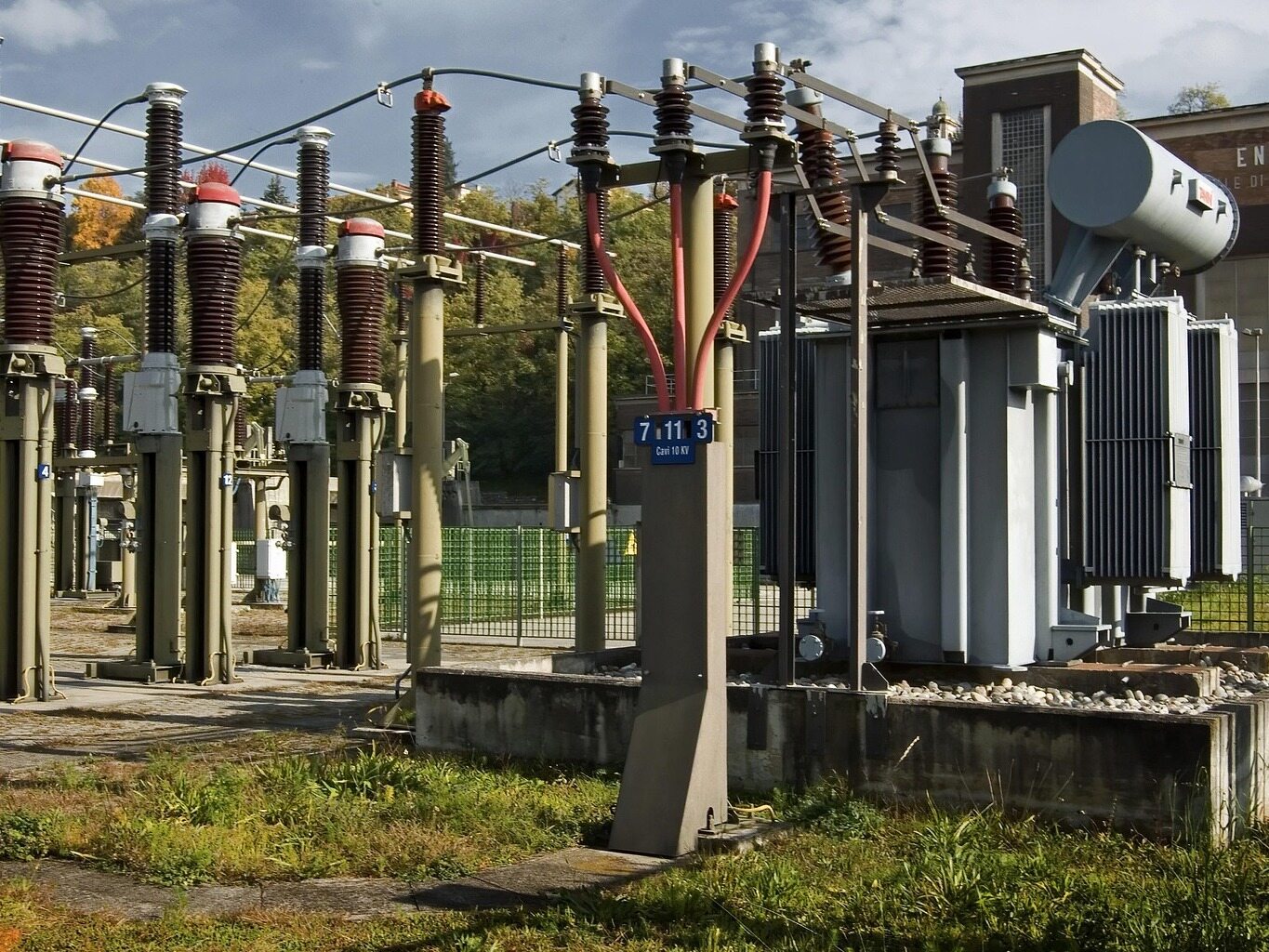
China is also vigorously developing direct green power connections and promoting the efficient utilization of new energy sources such as wind and solar power locally and nearby. Nowadays, 80% of the electricity demand in data centers can be met by direct green power supply.
Li Chuangjun, Director of the New Energy and Renewable Energy Department of the National Energy Administration: During the 15th Five Year Plan period, China will accelerate the construction of a new energy system, promote the expansion and quality improvement of renewable energy, and ensure reliable substitution. We will continue to increase the proportion of renewable energy generation, promote high-quality development of renewable energy, and effectively support energy security supply and green low-carbon transformation. Keywords: Video News Network, New Energy
The outline of the 15th Five Year Plan proposes to strengthen the construction of new energy infrastructure, and by 2035, the scale of non fossil energy supply in China will double from the current level. The continuously enhanced green energy supply capacity will lay a solid energy foundation for Chinese path to modernization. (Source: CCTV Network)Editor/Gao Xue
Comment


 Praise
 Collect
 Comment

 Share
Share


Write something~