 Search


- The new policy will open up multi-user power supply modes and expand the coverage of green power applications
- The domestic green power direct connection mode has been upgraded, solving the prominent problem of new energy consumption
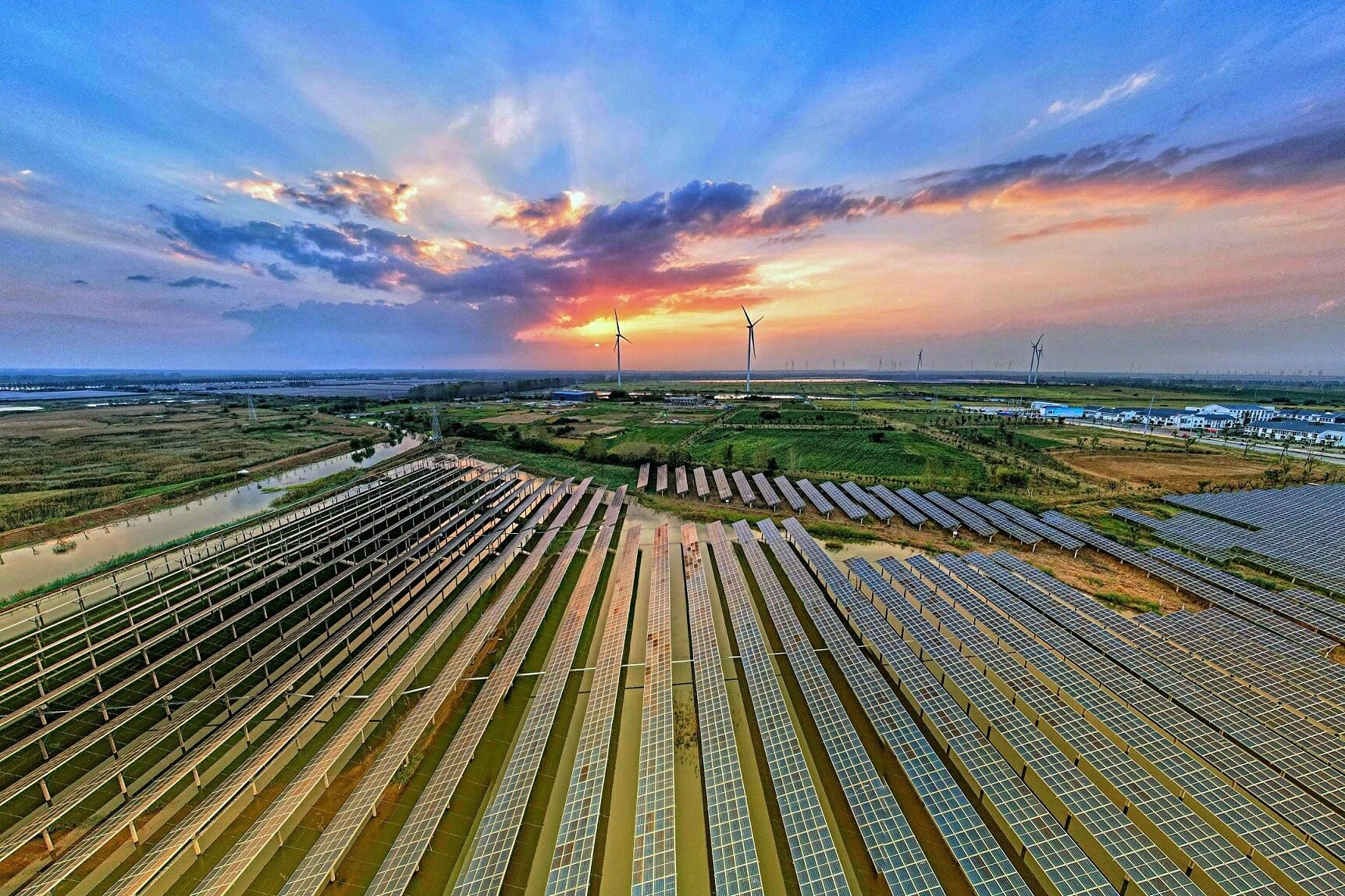
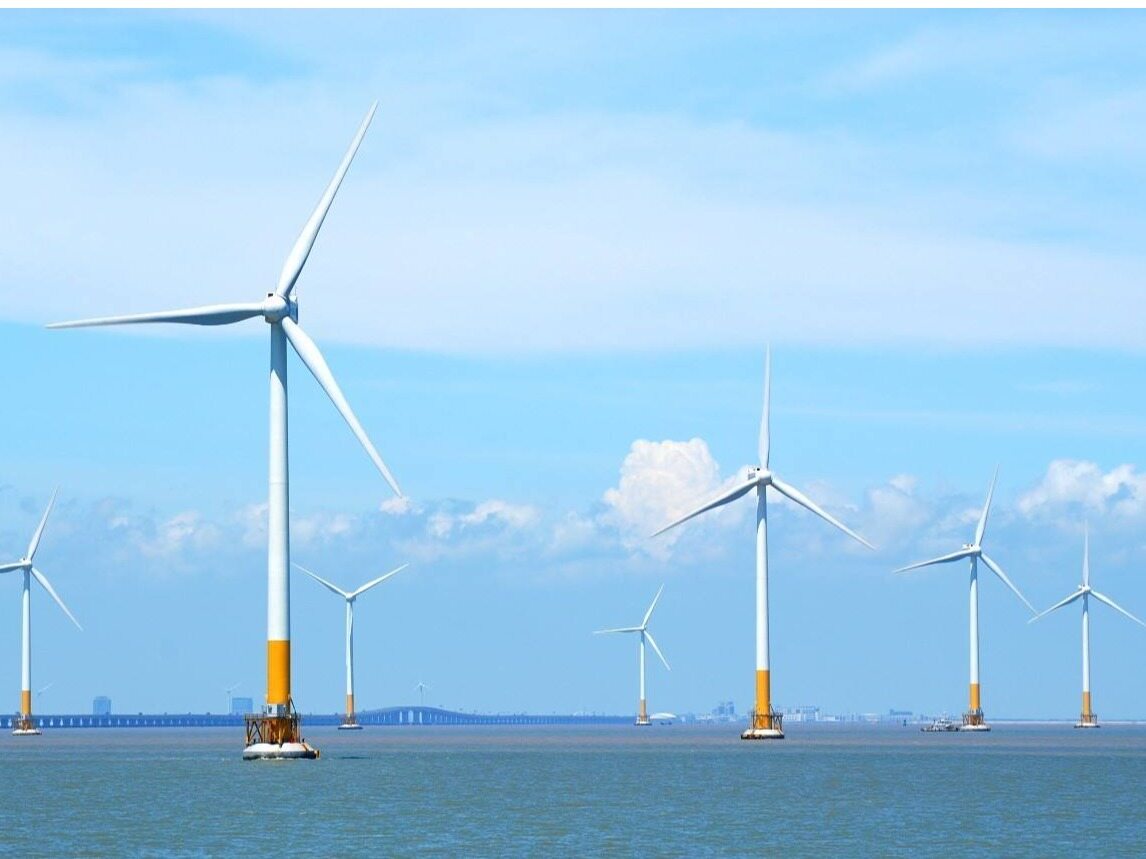
On May 20, 2026, the National Development and Reform Commission and the National Energy Administration jointly issued the heavyweight document "Notice on Relevant Matters Concerning the Orderly Promotion of Multi User Green Power Direct Connection Development". For the wind power industry, the core highlight of this new policy is the official opening up of a new one to many operation model for green power direct connection at the national level.
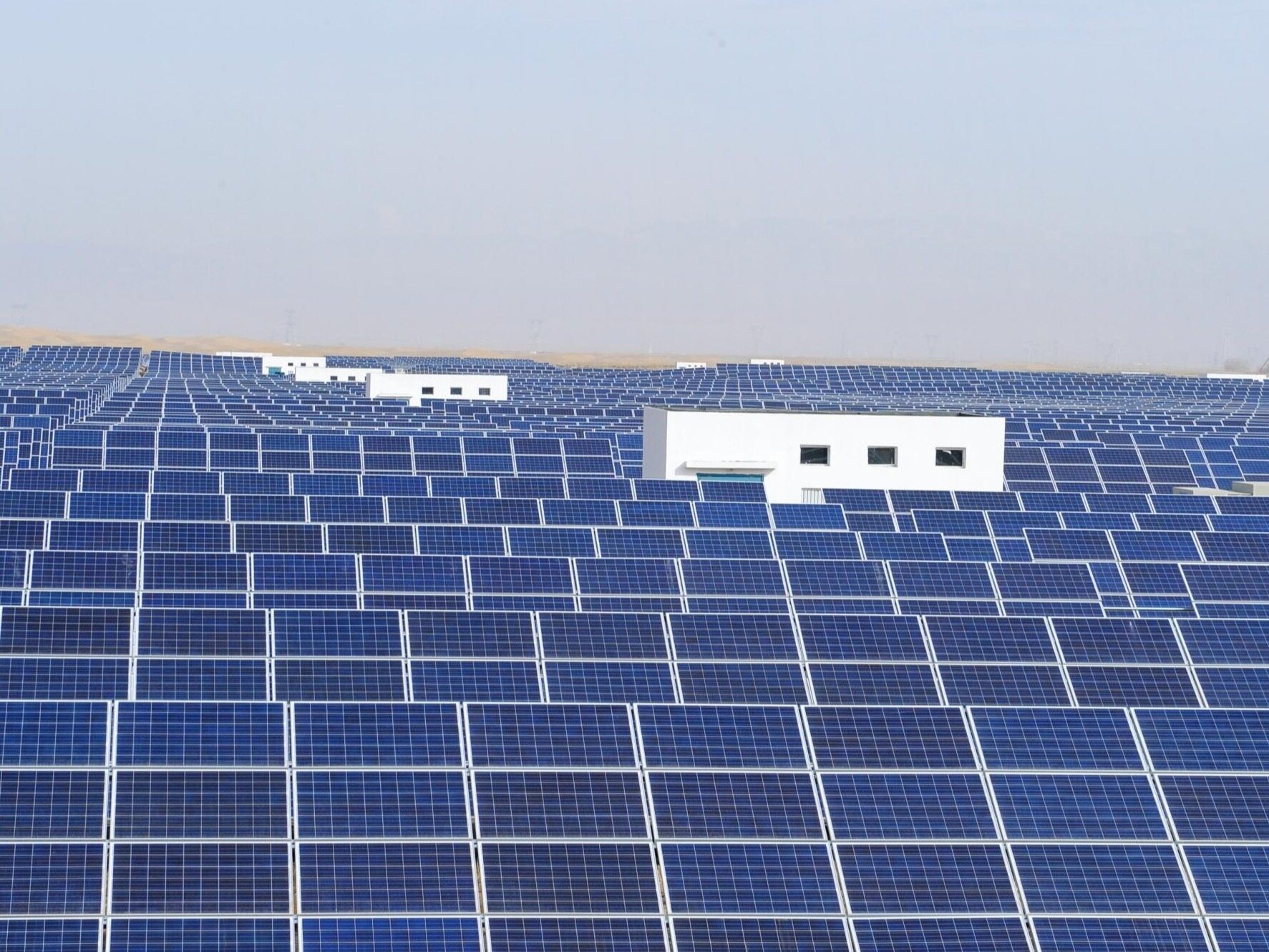
Simply put, green power direct connection refers to the clean electricity generated by wind and solar power, which does not need to be transferred through the public power grid and is directly transmitted to large electricity consuming entities such as factories, industrial parks, and computing centers through dedicated lines. In 2025, the first version of the green power direct connection policy introduced by the two departments will only support one-on-one power supply mode, which means that a single wind or photovoltaic project can only connect to one electricity user. After a year, the green power direct connection policy has completed iterative upgrades, officially moving from one-on-one to one to many.
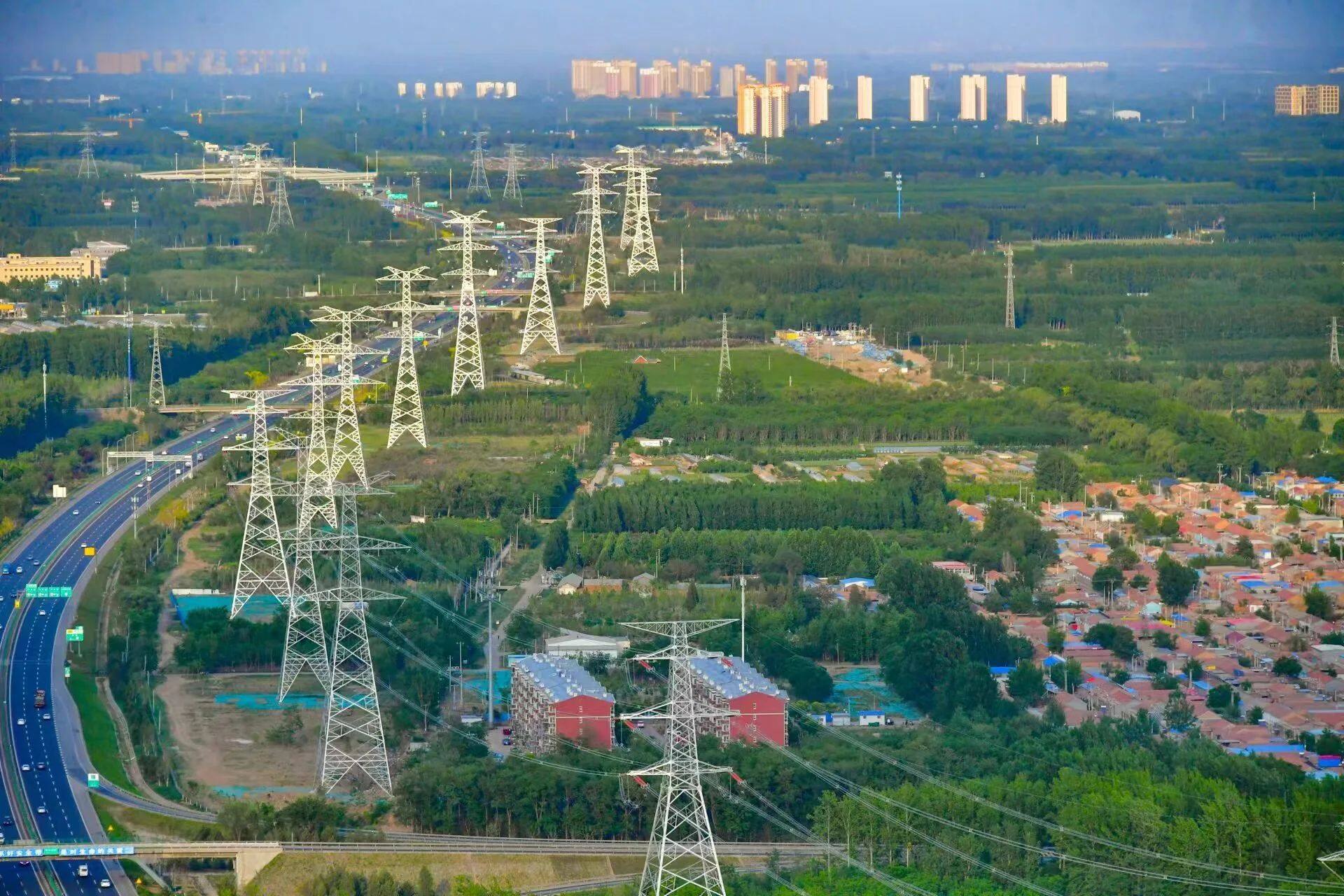
The core reason for the upgrade of the new policy
The core reason for the rapid iteration and upgrading of this policy can be attributed to one word: blockage. The current installed capacity of new energy in China has exceeded 1.9 billion kilowatts and is expected to increase to 3.6 billion kilowatts by 2035. The scale of new energy installed capacity continues to soar, and the problem of electricity consumption has become increasingly prominent. The capacity of public power grids in many places to accept new energy is approaching saturation, and the speed of power grid supporting construction cannot keep up with the pace of new energy installed capacity expansion.
Fan Pengfei, Dean of the Energy Policy and Market Research Institute of the Electric Power Planning and Design Institute, pointed out that industrial parks account for more than 66% of the country's total energy consumption, and promoting industrial users to consume new energy on site is the core key to expanding the development space of new energy.
Since the last round of one-on-one policy implementation one year ago, significant results have been achieved, with a total of 99 green power direct connection projects approved nationwide and a new energy supporting installed capacity of 34.05 million kilowatts. However, there is widespread feedback from various regions that there are obvious shortcomings in the single power supply mode, and multiple enterprises in the industrial park are unable to share green power direct connection resources. The launch of this new policy has precisely solved the industry pain points of traditional single user green power direct connection.
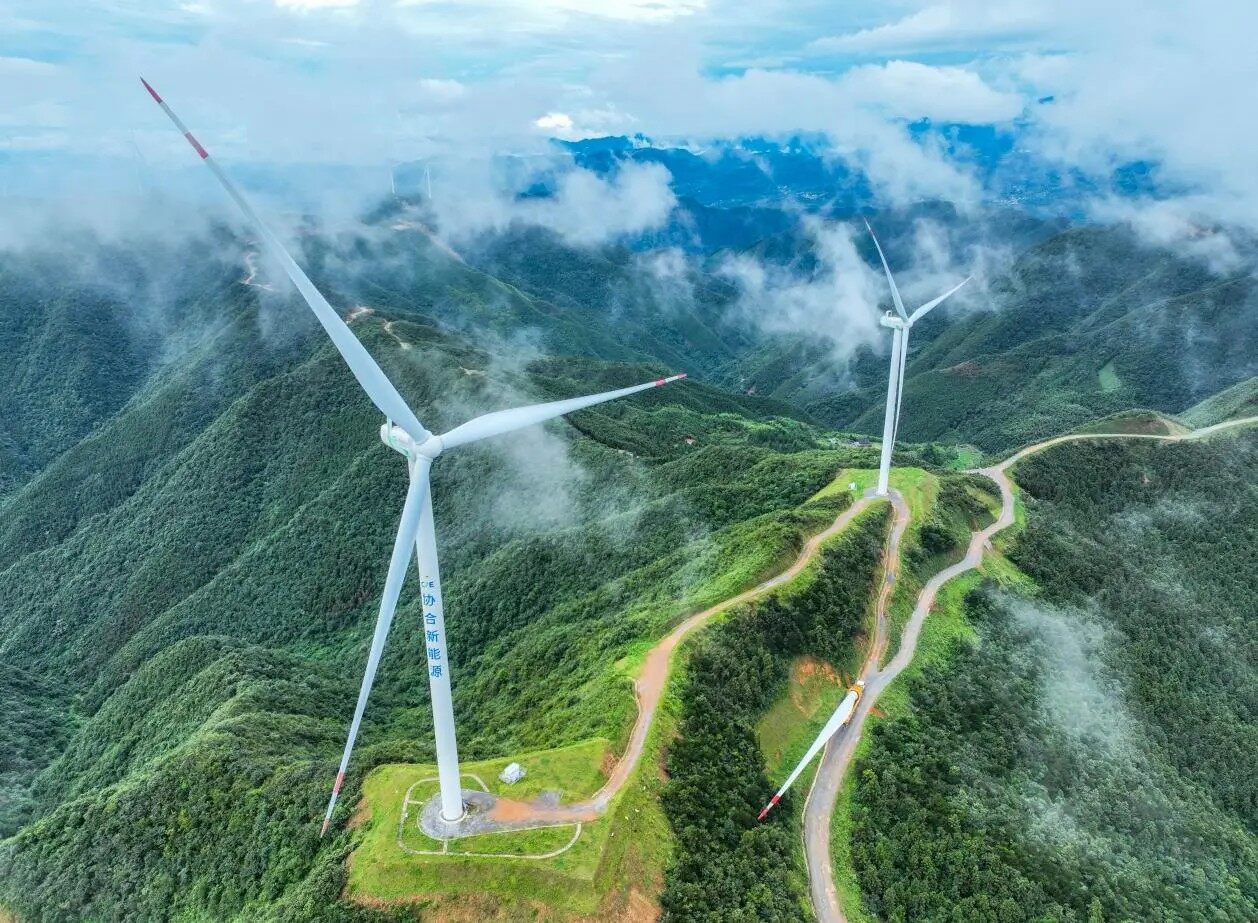
Three core breakthroughs of the new policy
The upgraded multi-user green power direct connection mode has a clear operating logic: new energy power such as wind power, photovoltaic, biomass, etc. can supply power to multiple independent legal entities through dedicated lines and substation equipment, while achieving precise traceability of each kilowatt hour of green power. Residents and agricultural users are not within the scope of power supply.
Compared to the old single user model, the new policy has achieved breakthroughs in three dimensions: firstly, the scope of application has been greatly expanded. Breaking down the single power supply barrier, new energy power can cover the entire industrial park and multiple enterprise clusters. Secondly, the application scenarios are more diverse. Not only can new electricity loads be connected to multi-user direct systems, but also one-to-one projects that have been put into operation can be expanded and upgraded to accommodate new electricity users. Export oriented enterprises, zero carbon industrial parks, and incremental distribution networks are all included in the scope of application, which can perfectly match the electricity traceability requirements of the EU carbon tariff. Thirdly, focus on supporting emerging industries. The policy prioritizes ensuring the green electricity demand of computing power facilities and the green hydrogen ammonia alcohol industry, which belong to high energy consuming future industries, and the country explicitly requires that the green electricity utilization rate of data centers must reach 80%.

The new policy clarifies hard rules
The new policy sets two hard red lines for multi-user green power direct connection, regulating industry development. Article 1: Clarify the standard for self use ratio. The proportion of annual self generated electricity consumption in the project shall not be less than 60%, and the proportion of self generated green electricity consumption in the total electricity consumption of the enterprise shall not be less than 30%. By 2030, it is necessary to further increase it to more than 35%, strictly follow the principle of load based power supply, and eliminate the blind development mode of building power sources first and finding electricity loads later. Article 2: Strictly control the scale of grid connection. Grid connected direct connection projects shall not exceed 20% of the total power generation in terms of annual grid connected electricity. During periods of tight power consumption, reverse power transmission to the public grid is prohibited. The two red lines clearly define the project positioning, and the core purpose of green power direct connection is to consume new energy nearby, rather than relying on the public power grid to sell electricity. Wang Shaomin, a researcher at the Energy Research Institute of Huaneng Group, stated that this rule can effectively prevent projects from using the public power grid as a backup resource and seizing power grid transmission and peak shaving resources.
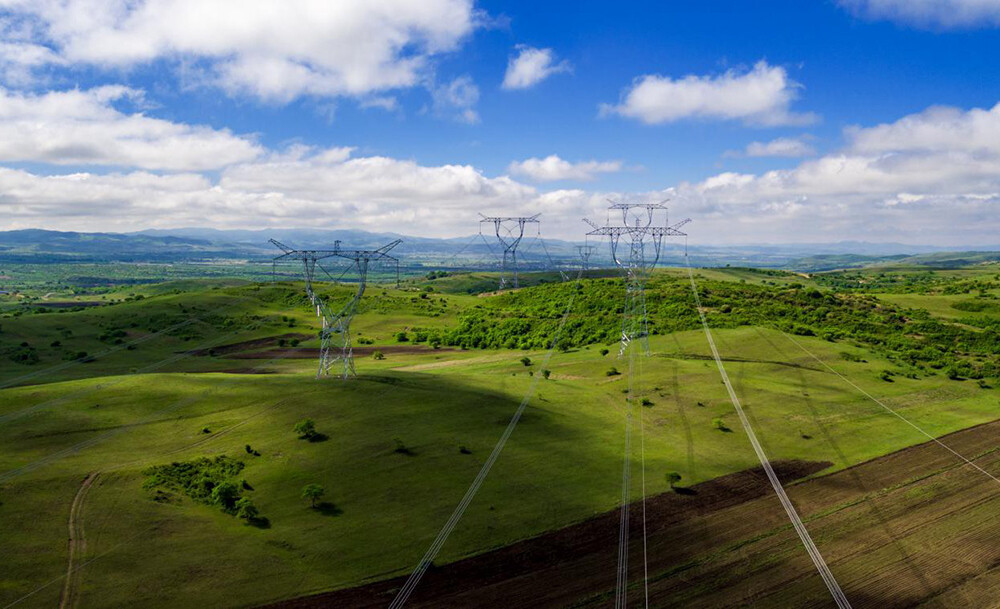
In response to the complex industry challenges of multi-party participation and operation, the new policy innovatively establishes a project lead unit to coordinate and promote project implementation. The formation method of the main responsible unit is flexible, and it can be jointly invested or unilaterally invested by the power supply party and the load party. The park project can be constructed and operated by the management committee or a third-party organization. The main responsible unit is fully responsible for the entire process of project investment and construction, daily operation, power trading, and electricity bill settlement, achieving unified external docking and independent internal balance and coordination of the project. At the same time, the policy clearly exempts relevant power business licenses, significantly reducing the industry's entry threshold.Editor/Gong Ziwei
Comment

 Praise
 Collect
 Comment

 Share
Share


Write something~