 Search


- BASF, Siemens and 40 other German executives focus on green and intelligent manufacturing
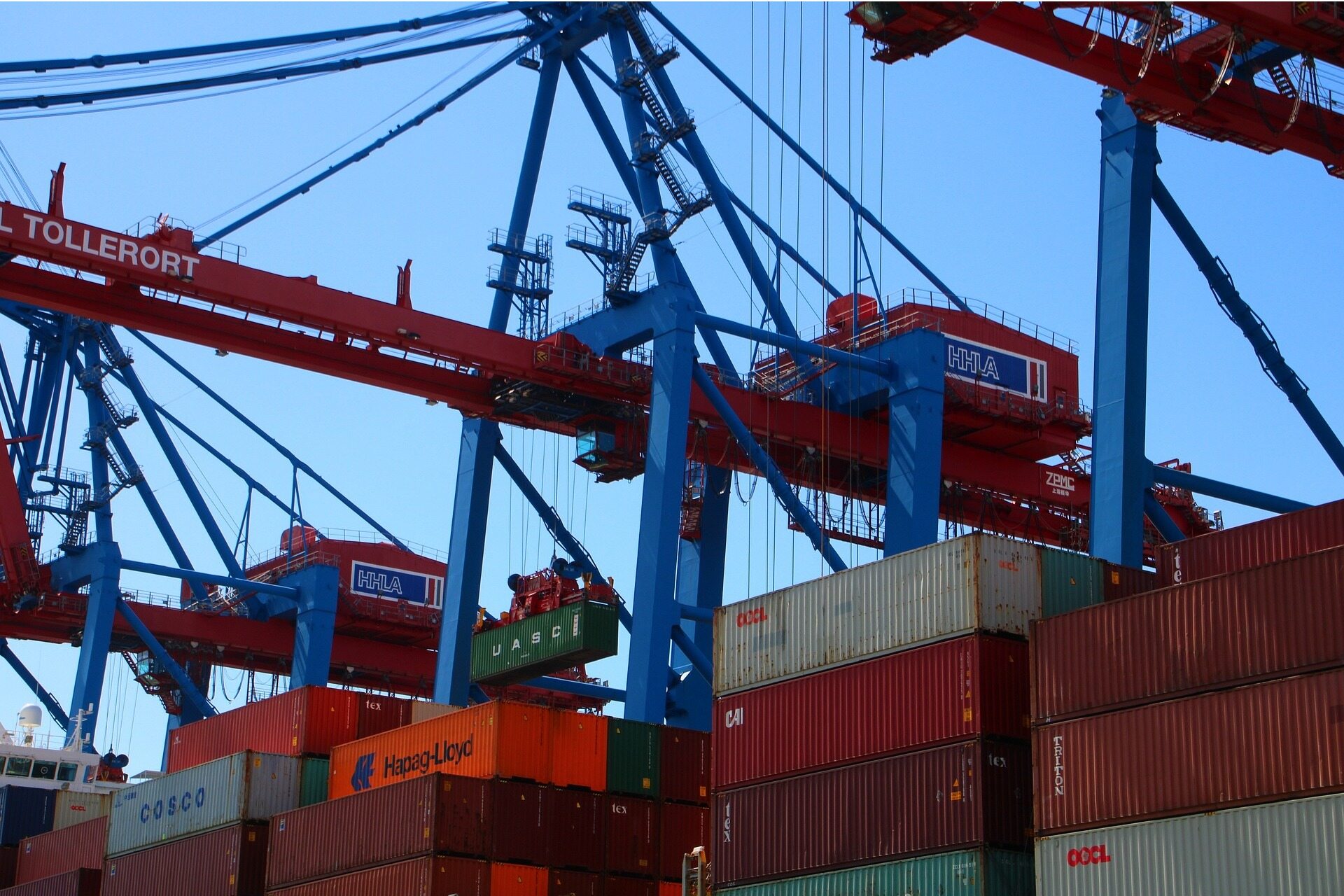
German Economy and Energy Minister Katharina Reicher will visit China for the first time from May 26 to 29, accompanied by executives from 40 German companies including BASF, Siemens Energy, Volkswagen, and BMW. This is a key implementation of the new German government's commitment to deepening cooperation with China, following Chancellor Merkel's visit to China in February. Against the backdrop of weak economic recovery in Germany and rising global trade protectionism, this visit is defined by the German side as a journey of implementation, with the core goal of translating high-level political consensus into concrete results of corporate cooperation.
China becomes a key anchor for stable growth
The German economy is deeply mired in difficulties, and after two consecutive years of contraction, it will only grow by 0.2% in 2025. The conflict between Russia-Ukraine conflict has pushed up energy costs, the United States has imposed additional tariffs and weak external demand, and the export-oriented economy is facing difficulties at home and abroad. The German Economic Expectations Index has fallen to a three-year low, with 90% of industrial enterprises admitting significant negative impacts from geopolitical conflicts.
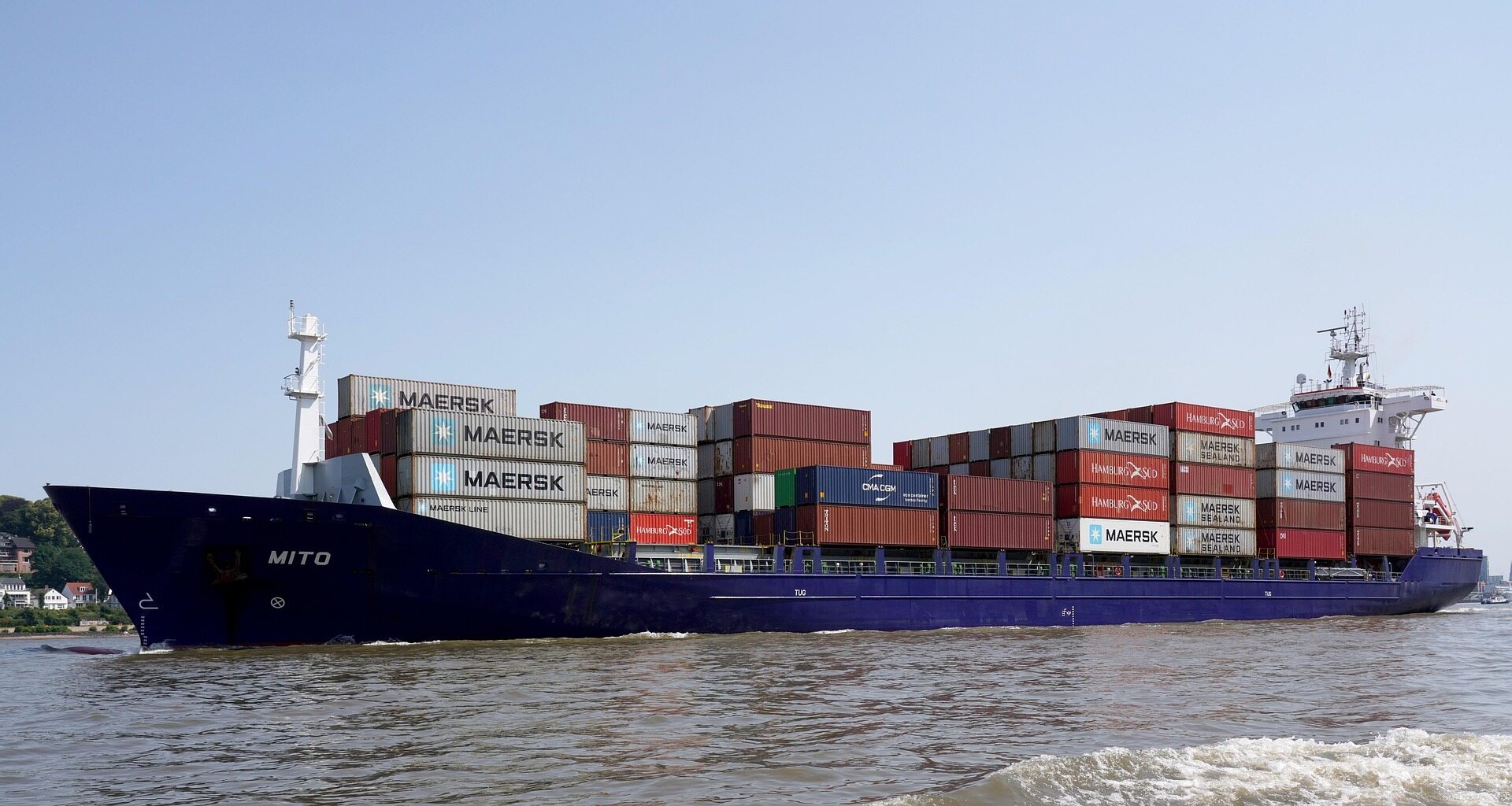
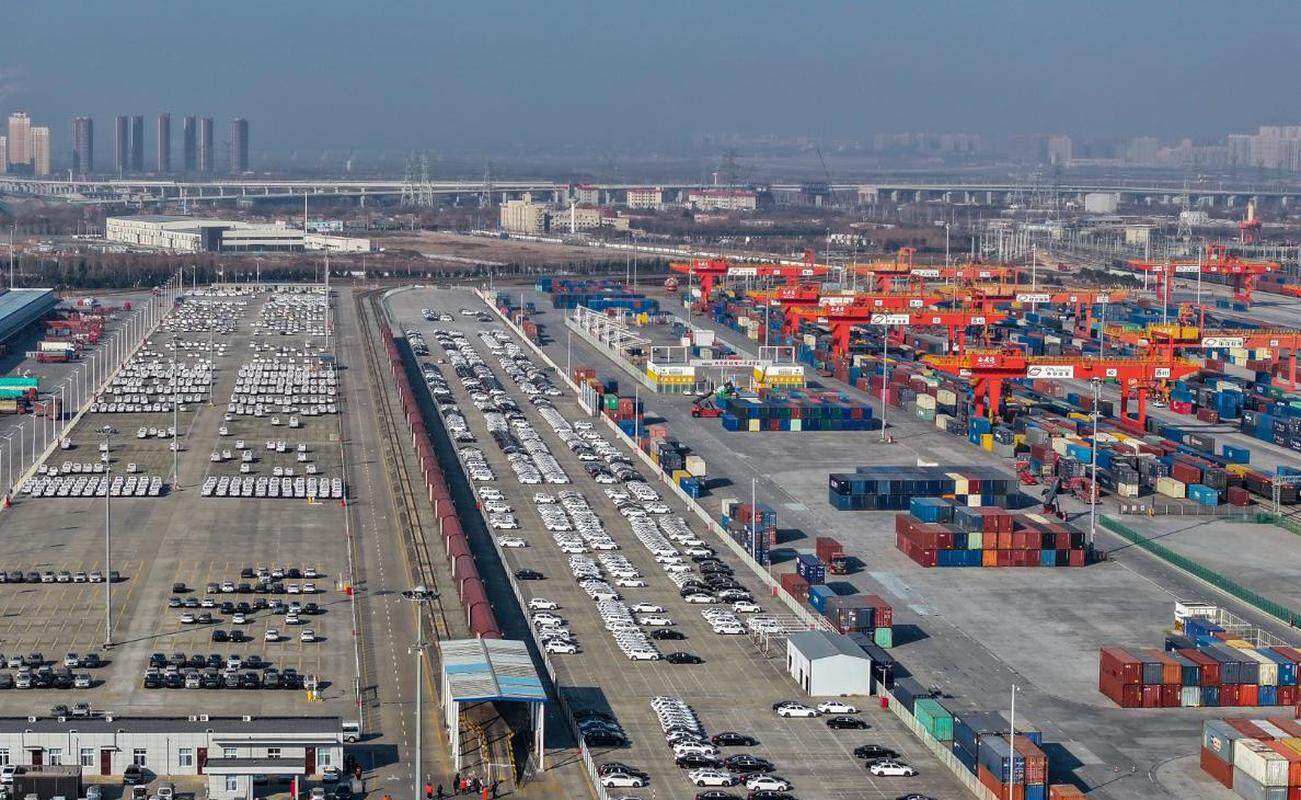
In this context, China's strategic value is becoming increasingly prominent: by 2025, the trade volume between China and Germany will reach 251.8 billion euros, and China will remain Germany's largest trading partner for eight consecutive years; The bilateral trade volume in the first two months of 2026 increased by 19.6% year-on-year, far exceeding Germany's overall foreign trade level. More than 5200 German companies have established their presence in China, with 92% stating that they will continue to deepen their operations and none planning to completely withdraw.
Focus on economic, trade and green cooperation
Lai Xie's trip focuses on three major issues: first, bilateral economic and trade consultations to promote the resolution of trade barriers and optimize the business environment; The second is investment cooperation docking. BASF Zhanjiang 8.7 billion euro integrated base has been fully put into operation in March, and giants such as Siemens Energy and BMW will deepen their layout in China; The third is green and innovation cooperation, and both sides will expand cooperation space in renewable energy, hydrogen energy, intelligent manufacturing and other fields. Keywords: international cooperation, interconnectivity
In just three months, the German Chancellor and Minister of Economy visited China one after another, which is rare during the period of low temperature in China Europe relations. Lai Xie's trip is not only an economic move, but also a strategic choice. Against the backdrop of the dramatic changes in the global landscape, the two major manufacturing powers of China and Germany are responding to decoupling noise with pragmatic cooperation, injecting certainty into the stability of China Europe relations and global economic recovery.Editor/Cheng Liting
Comment

 Praise
 Collect
 Comment

 Share
Share


Write something~