 Search


- Recently, the 2026 the Belt and Road Vocational Education Alliance International Exchange Activity was held in Xi'an

At the starting point of the ancient Silk Road, Xi'an, a cross-border vocational education dialogue is unfolding. Education workers and business representatives from China and several Central Asian countries gathered together, conveying not only cooperation agreements but also skill bonds connecting classrooms and job markets. The changes happening here may affect the fate of a young skilled worker from Kazakhstan thousands of miles away.
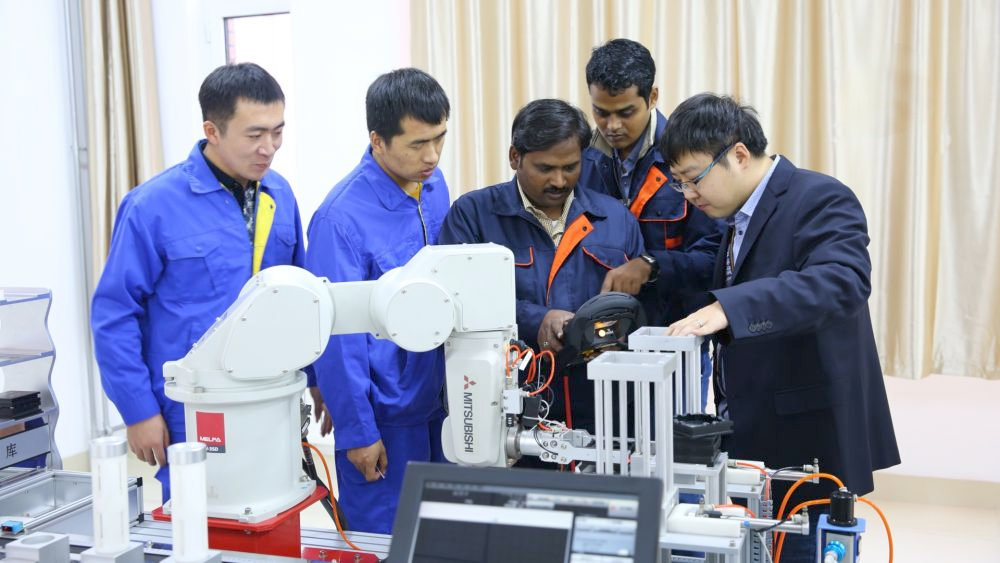
A vocational education network covering Central Asia
Relying on the the Belt and Road Vocational Education Alliance, Shaanxi Province has built China Central Asia Vocational Education Science and Innovation Research Center and Qinling Workshop International Education Platform. As of now, Qinling Workshop has built 20 overseas workshops in Kazakhstan, Kyrgyzstan and other countries, achieving full coverage in five Central Asian countries. This is not only a breakthrough in numbers, but also means that China's international cooperation in vocational education has formed a systematic layout in Central Asia.
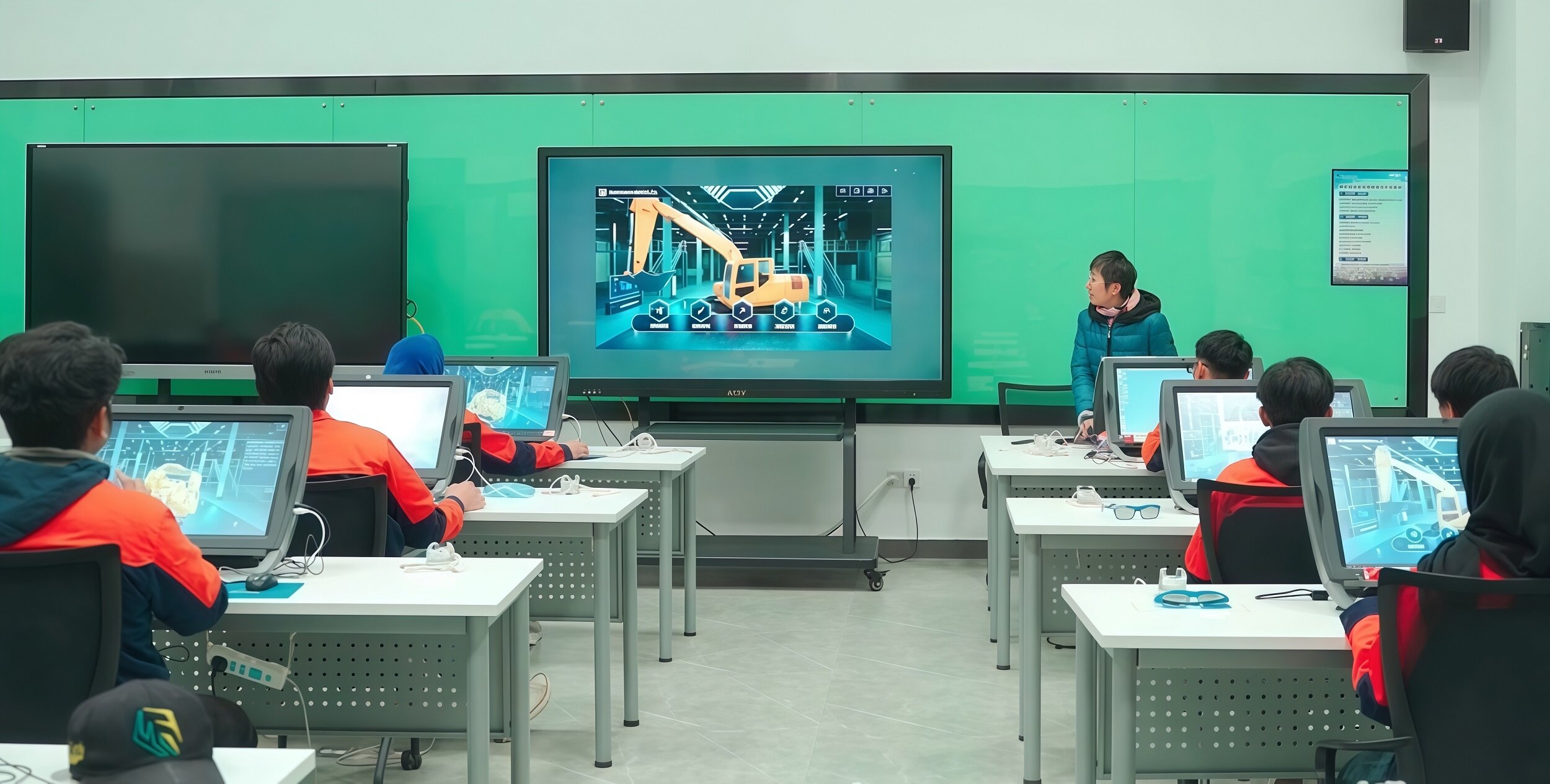
Launch a talent full chain platform
This event officially launched the Qinling Workshop Silk Road Talent Star Chain Platform. The platform is committed to achieving the full chain connection from classroom training to job employment, and aims to accurately deliver localized skilled talents to Chinese enterprises in countries and regions along the the Belt and Road. During the event, a plaque was awarded to the newly established Qinling Workshop in 2026, and five international cooperation agreements were signed, covering practical areas such as the construction of training bases, teacher-student exchanges, and curriculum cooperation and development.
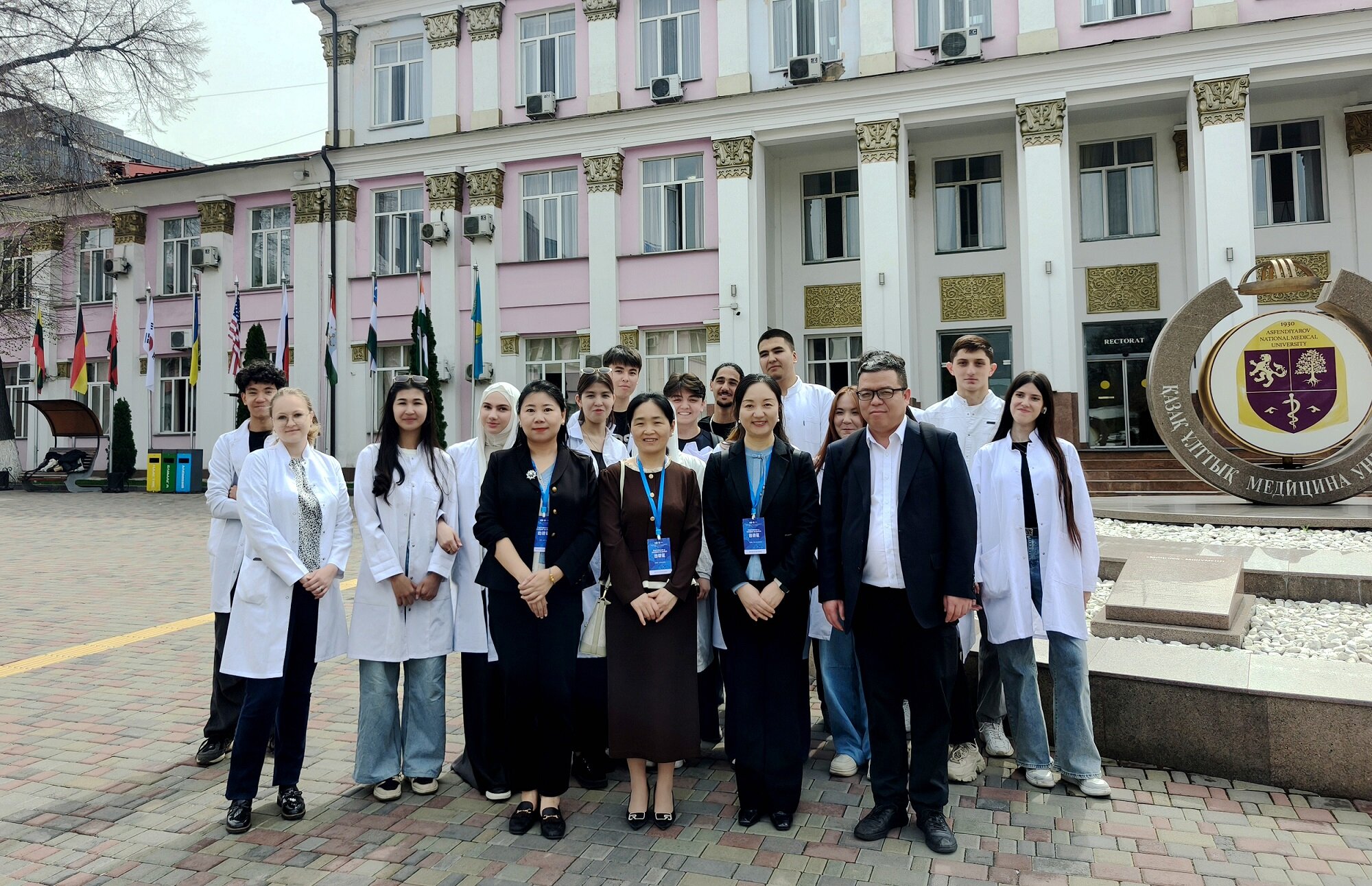
Focusing on cooperation and system building
The event focuses on the theme of Silk Road talent gathering and vocational education connecting Central Asia, with a focus on core issues such as long-term cooperation between China and Central Asian countries in vocational education, skill standard docking, mutual recognition of qualifications, and joint talent training. Ji Yingqiu, Deputy Secretary of the Education Working Committee of the Shaanxi Provincial Party Committee, shared the achievements of vocational education in Shaanxi and proposed three cooperation initiatives: deepening the integration of industry and education, promoting the internationalization of Chinese vocational education standards, and jointly building an international teaching staff team. He emphasized the need to work together with other countries to jointly build a modern vocational education system.
The exchange activity was hosted by the Education Department of Shaanxi Province, and co organized by the the Belt and Road Vocational Education Alliance, Xi'an Talent Group and Shaanxi Vocational and Technical College. Its ultimate goal is to promote the Qinling Workshop to improve quality and efficiency, to implement high-quality workshops, and to contribute to the wisdom and programs of China's vocational education for serving the construction of the the Belt and Road and promoting the economic and social development of Central Asia.
Editor/Yang Meiling
Comment





 Praise
 Collect
 Comment

 Share
Share


Write something~