 Search


- China Malaysia Port Alliance expands in Nanning, signing 5 agreements and launching AI joint innovation plan
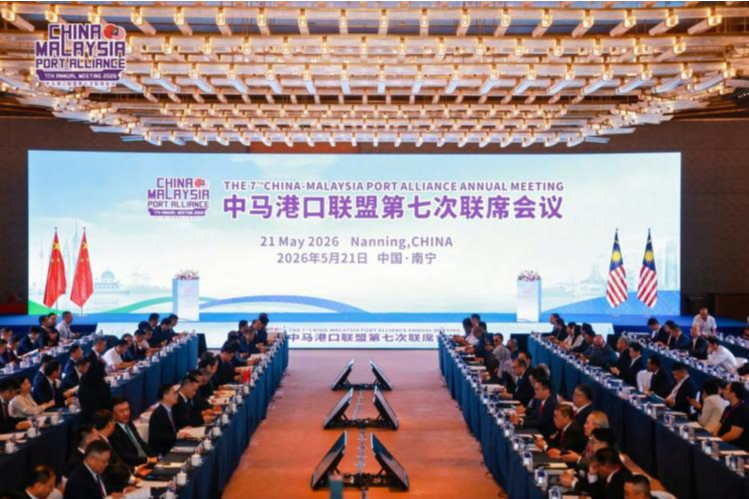
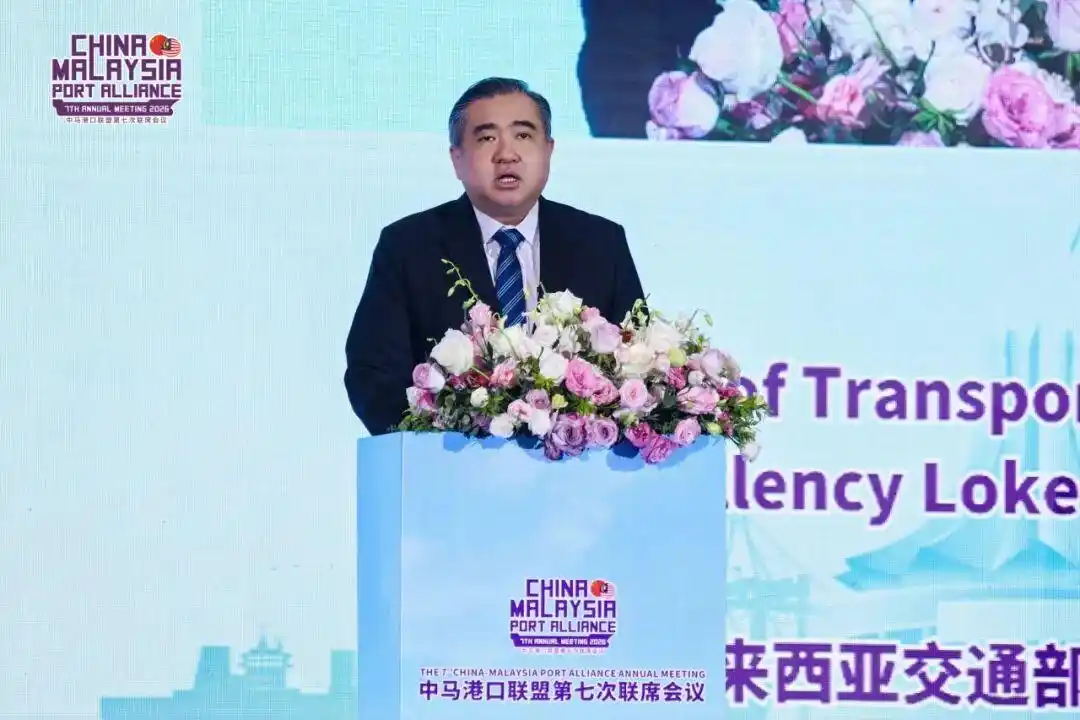
In Nanning in May, the Yongjiang River is surging. For Captain Amo, who travels back and forth between Port Klang and Qinzhou all year round, the changes at the port are visible to the naked eye - gantry cranes are automatically operated under AI scheduling, and the speed of container circulation is becoming faster and faster. On May 21, 2026, the seventh joint meeting of the China Malaysia Ports Alliance was held here. The data presented by Malaysian Minister of Transport, Lu Zhaofu, excited 145 government and business representatives present: by 2025, the bilateral trade volume between China and Malaysia will exceed MYR 541.54 billion, accounting for 17.7% of Malaysia's total foreign trade. Faced with such a huge logistics demand, how to make ports smarter has become a common concern for the port and shipping industries of both countries.
Consolidate the chassis
Lu Zhaofu frankly stated that maritime transportation carries over 90% of Malaysia's foreign trade volume, and the stable operation of hubs such as Port Klang is crucial. Lin Xiaoping, Deputy Director of the Water Transport Bureau of the Ministry of Transport of China, reviewed that as the first bilateral port cooperation mechanism of the Ministry of Transport of China, the alliance has undergone 11 years of development and has become a benchmark for jointly building the 21st Century Maritime Silk Road. In the face of geopolitical and supply chain fluctuations, both sides will strengthen information sharing and air route linkage, and build a safe and efficient logistics channel.
Digital Intelligence Empowerment
The most significant transformation of this conference is the shift from "hard connectivity" to "soft connectivity". The conference officially launched the joint innovation plan for AI application and digital transformation in China Malaysia ports, focusing on intelligent operations and fine control. Among the five agreements signed on site, the cooperation between Beigang Big Data and Globalcomm, as well as the smart logistics phase II project between Klang Port Free Trade Zone and "Where to Go", all focus on data exchange and process reengineering, aiming to improve port throughput efficiency through algorithm optimization.
Expand and improve quality
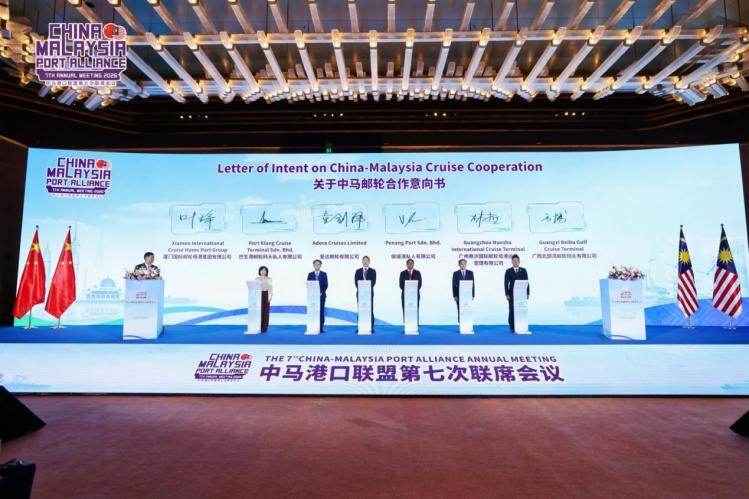
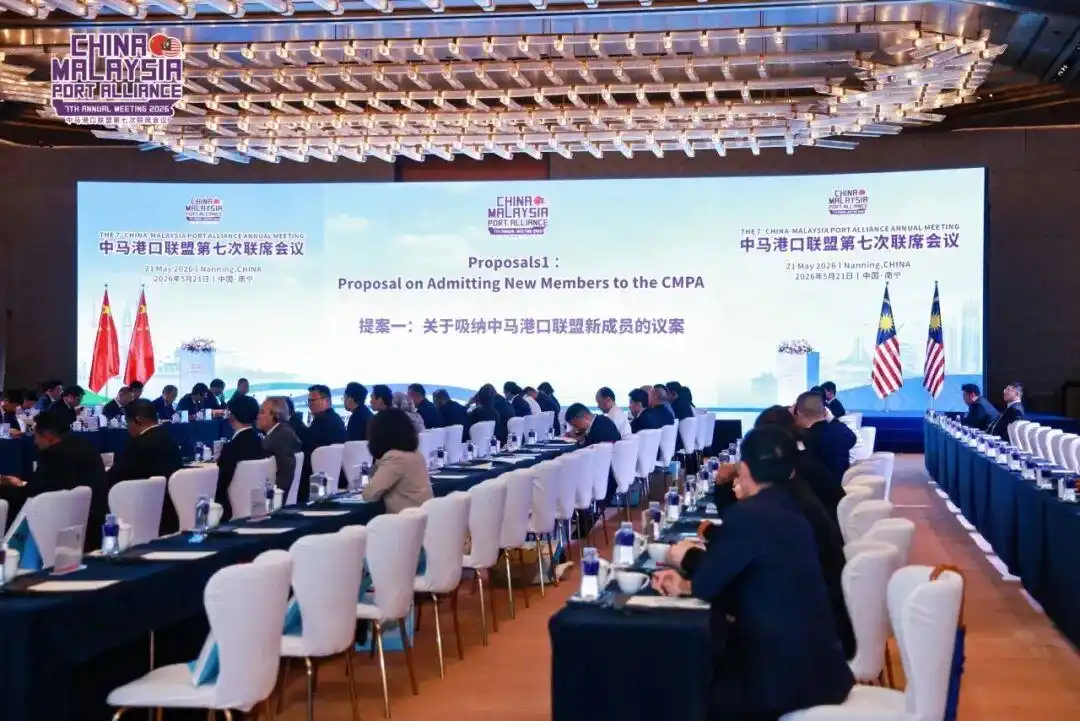
The alliance's circle of friends has further expanded, and three heavyweight enterprises, Anhui Port and Shipping Group, Liaoning Port Group, and Guangzhou Port Group, have officially joined, enriching the cooperation partners. At the same time, the six major port and shipping entities signed a memorandum of understanding on boutique routes, while cruise companies joined forces to explore cultural and tourism routes. This means that future cooperation between China and Malaysia will not only involve the exchange of goods, but also the deep integration of industries, technologies, and talents, injecting new momentum into the world-class port cluster in Southeast Asia.keywords:Infrastructure News
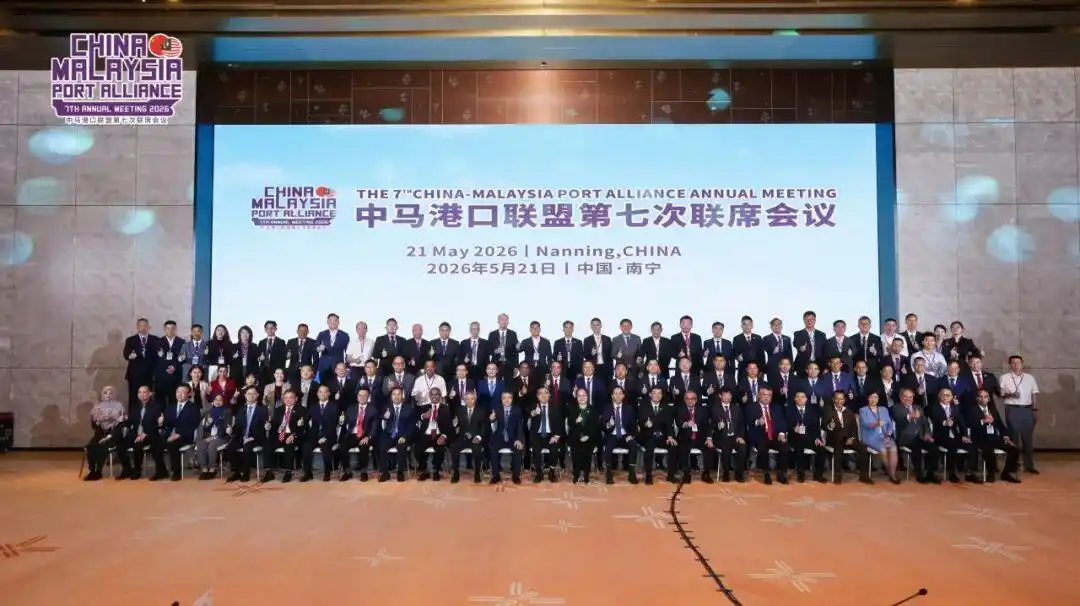
From traditional dock loading and unloading to AI driven intelligent scheduling, China Malaysia port cooperation is undergoing a profound digital transformation. With the addition of new members and the implementation of joint innovation programs, this maritime Silk Road connecting the two countries is becoming more intelligent and resilient.Editor/Yang Meiling
Comment







 Praise
 Collect
 Comment

 Share
Share


Write something~