 Search


- The total transmission capacity is 2000 megawatts, with an investment of hundreds of millions of dollars
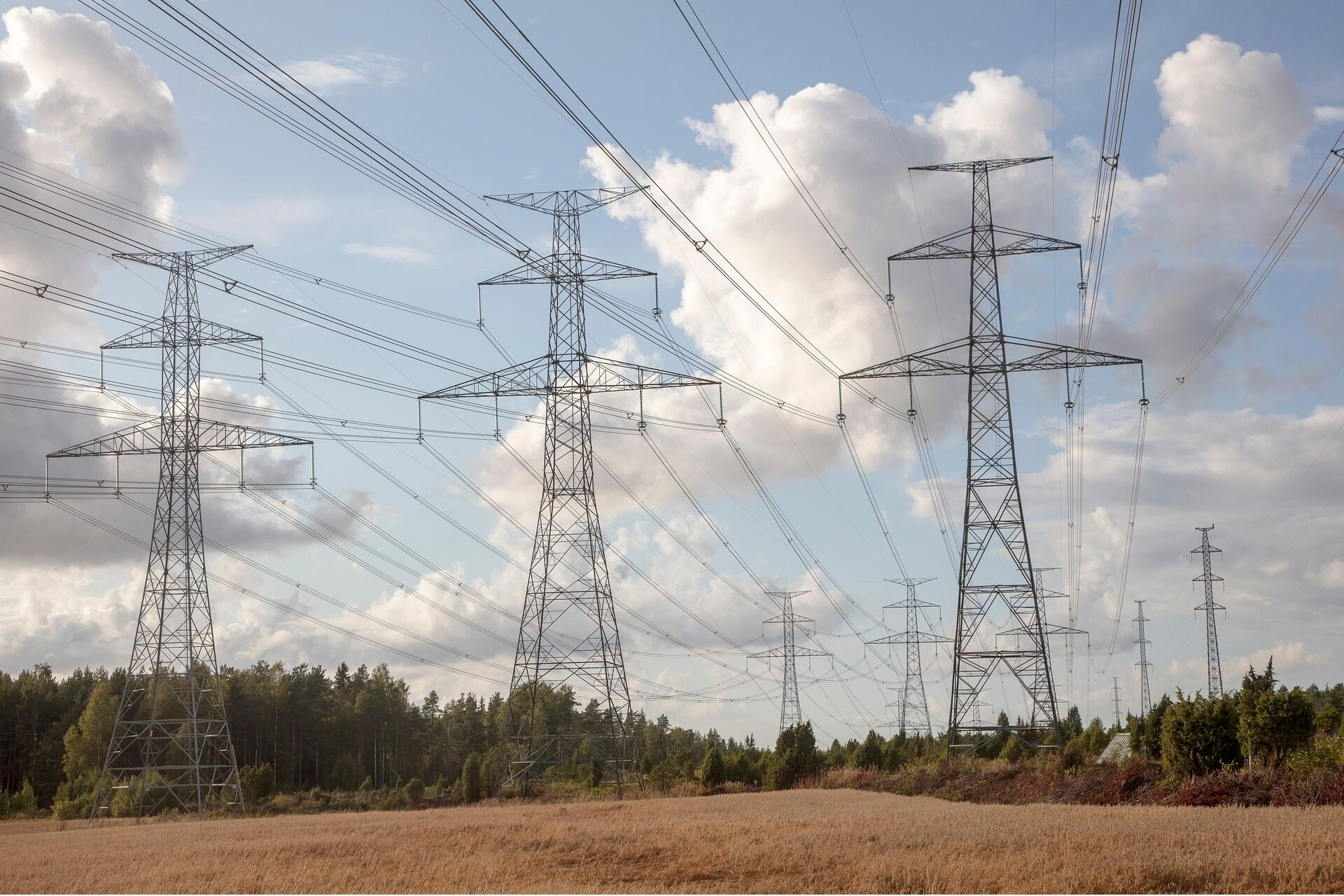
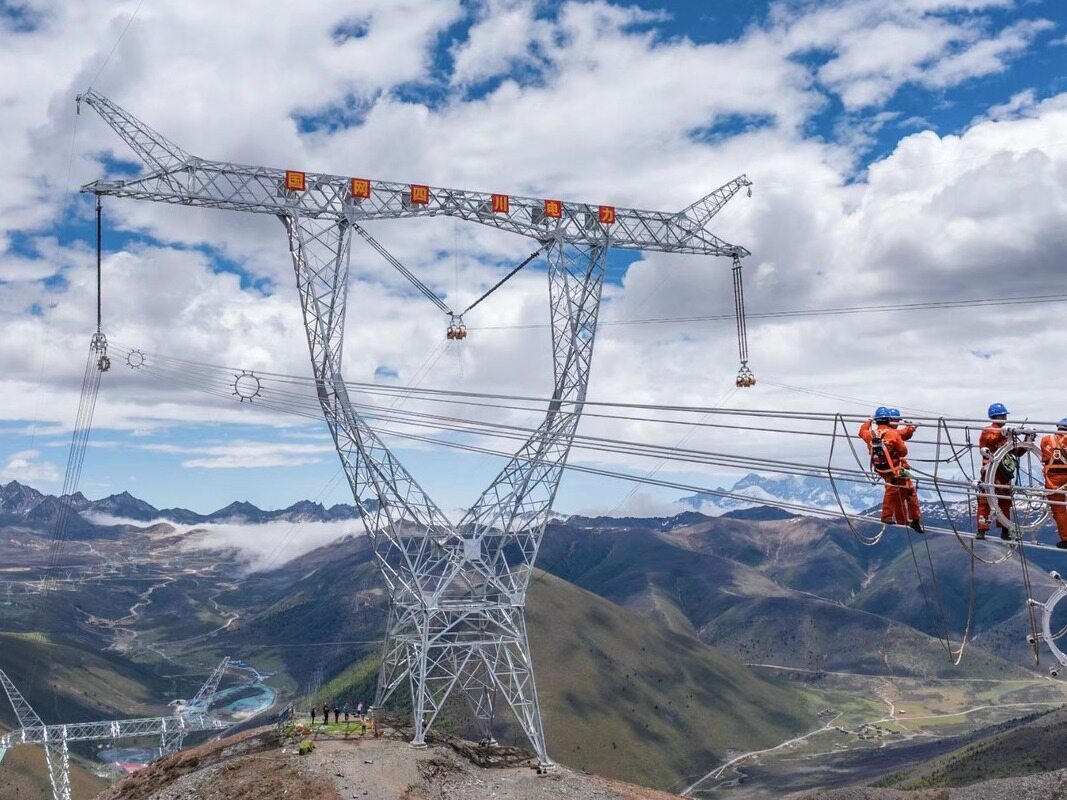
Angola and the Democratic Republic of Congo recently announced a cross-border power interconnection project, planning to build two high-voltage transmission lines with a total length of over 1450 kilometers, with a total transmission capacity of 2000 megawatts and an investment of hundreds of millions of dollars. The Democratic Republic of Congo has a population of about 100 million, but the country's installed power capacity is only about 5800 megawatts, which is less than half of the actual available capacity. The power gap has long constrained industrial development. Angola has a hydroelectric installed capacity of over 5200 megawatts, with abundant production capacity, and the two countries have obvious complementary advantages. This project is promoted by high-level meetings between the two countries and is an important practice of regional energy integration in Africa.
Accurately aligning with industry demands
The main line starts from Malange Province in Angola, passes through the province of Lunda Sul and the border town of Dilolo, and arrives at Fengurume in Lualaba Province, Democratic Republic of Congo - the core area of the country's copper and cobalt mines. The second route connects Zaire Province in Angola with the Inga region in the Democratic Republic of Congo. The total capacity of the two lines is 2000 megawatts, which can cover the electricity demand of about 100 million people. Minister of Water Resources and Electricity of the Democratic Republic of Congo, Sakombi, emphasized that the project must complete a comprehensive technical demonstration to ensure long-term stable operation.
From complementary electricity to energy security
Although Congo (Kinshasa) has planned the Inga hydroelectric power station with an installed capacity of 11000 megawatts, it is difficult to put it into operation in the short term. Currently, it still heavily relies on diesel power generation, which is costly and heavily polluting. Introducing electricity from Angola can directly reduce the electricity costs in mining areas, promote deep mineral processing, and reduce carbon emissions.
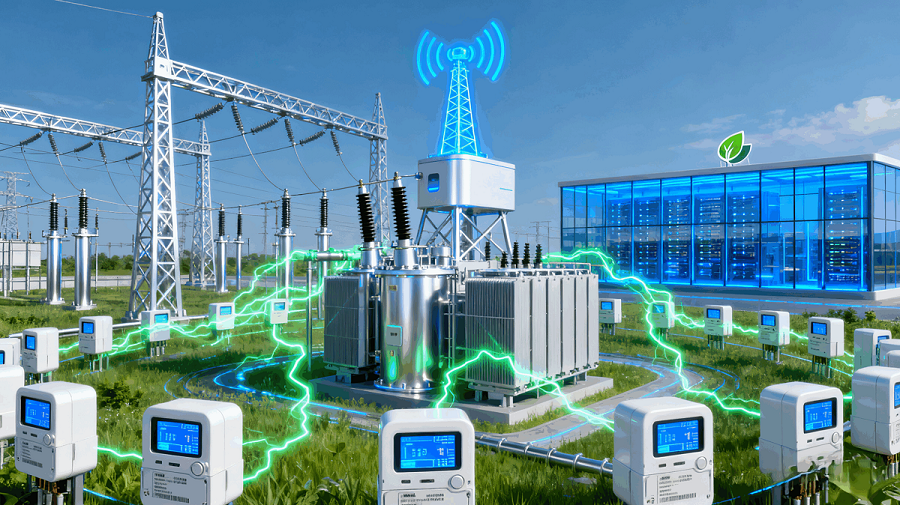
For Angola, this project helps it become a regional electricity exporting country and broaden its energy revenue channels. According to the International Energy Agency, there are still about 600 million people in sub Saharan Africa without access to electricity, and cross-border transmission cooperation has become the core path to solving the energy crisis. Keywords: electricity energy, cross-border electricity
This project echoes the West African Power Pool and the Southern African Power Pool, focusing on the present and the long term, and reserves interfaces for regional linkage after the completion of the Anglo Canadian hydropower station. It is expected to drive more countries to participate in cross-border energy cooperation and accelerate the industrialization and sustainable development process in Africa.Editor/Cheng Liting
Comment



 Praise
 Collect
 Comment

 Share
Share


Write something~