 Search


- Promote the Shangdadai project in Cambodia, with an estimated increase of 100GWh in regional energy storage capacity
- China Southern Power Grid Company Limited has completed the delivery of the top-level design for energy storage at the national level in Indonesia
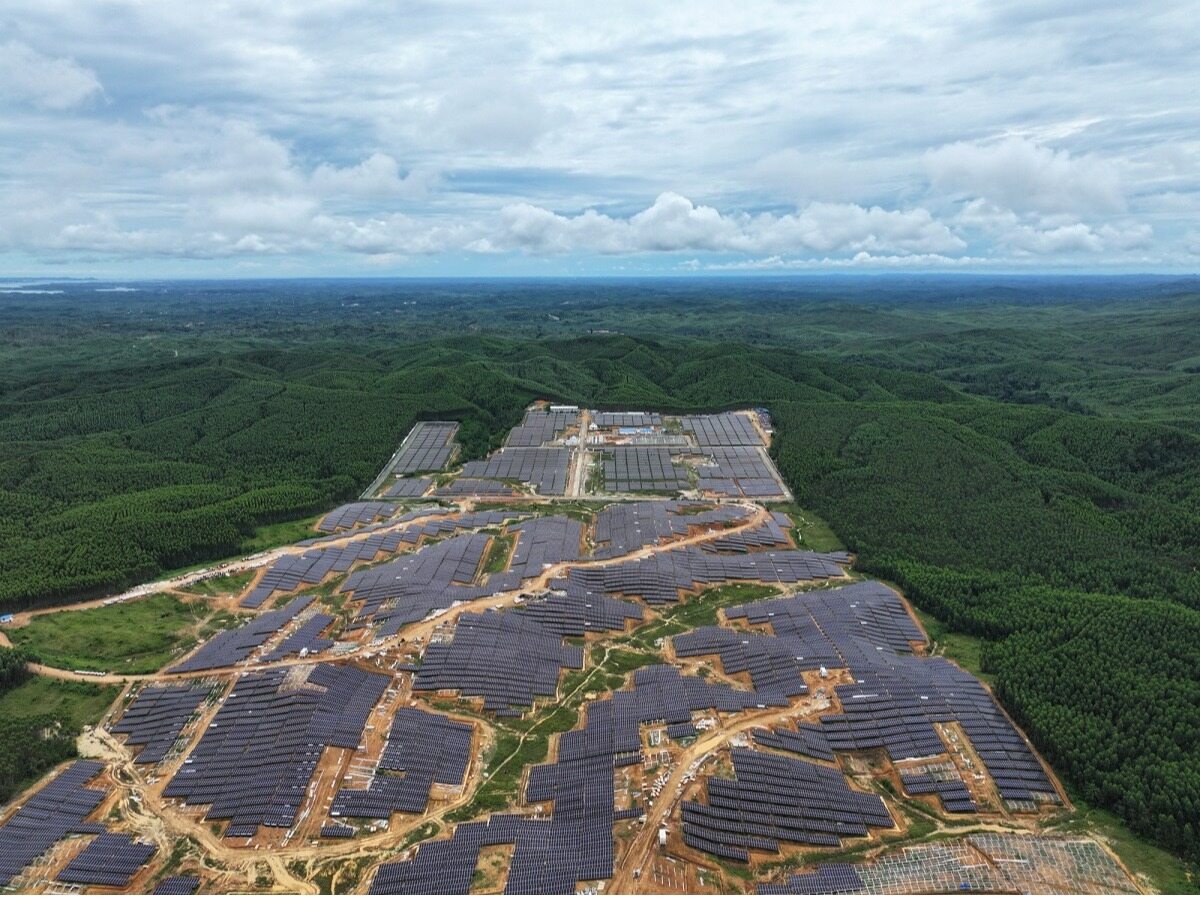
By 2025, the installed capacity of energy storage in the Asia Pacific region is expected to increase by over 40% year-on-year, and the market size is expected to exceed 200 billion US dollars by 2030. China Southern Power Grid Company Limited is accelerating its layout in Southeast Asia. By January 2026, it has completed the top-level design and delivery of Indonesia's national level electrochemical energy storage, and is simultaneously promoting the Shangdadai project in Cambodia. The regional energy storage increment is expected to reach 100 GWh, accounting for an important share of the newly added market in the Asia Pacific region.
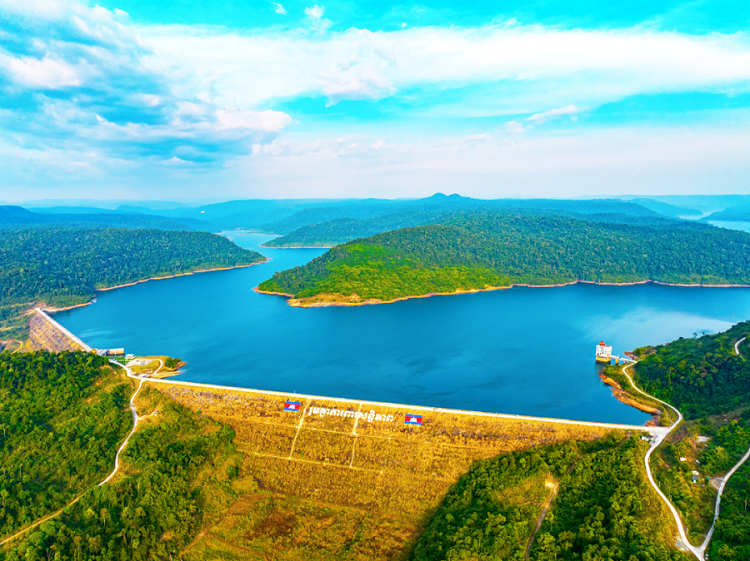
Top level design in Indonesia
The top-level design of energy storage in Indonesia covers multi-level grid dispatching, renewable energy access, and frequency regulation services, emphasizing the close integration of energy storage systems with grid dispatching centers. EMS needs to intelligently dispatch photovoltaic, wind power, and loads to ensure grid stability and peak valley balance. According to IRENA data, the installed capacity of renewable energy in Indonesia has exceeded 13GW, and there is a huge gap in energy storage facilities. This project lays the foundation for standardized delivery and technology output of Chinese enterprises in the Indonesian market.
EPC+operation and maintenance mode opens up the Cambodian market
The Shangda Dai energy storage project in Cambodia adopts a large-scale combination of lithium-ion batteries, with a capacity planning of over tens of megawatt hours, to serve local power grid peak shaving and renewable energy grid connection. The project adopts an integrated model of "EPC+operation and maintenance", with Chinese enterprises responsible for system integration, EMS strategy optimization, and long-term operation and maintenance, achieving closed-loop management from equipment supply to intelligent operation and maintenance, effectively improving investment return and reducing overseas operational risks. According to the plan of the Cambodian Ministry of Energy, the proportion of clean energy needs to reach 30% by 2030, and the demand for energy storage supporting facilities will continue to be released.
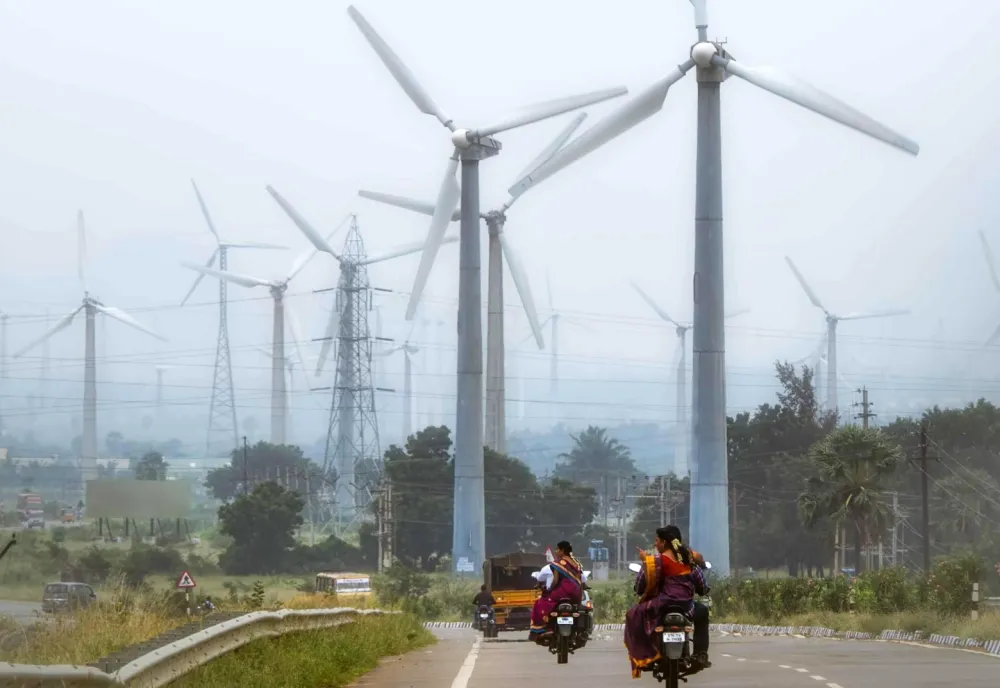
Indonesia and Cambodia have both introduced energy storage support policies, combined with market-oriented frequency regulation and peak valley arbitrage profits, forming a policy and economic synergy effect. According to BNEF's forecast, the cumulative installed capacity of energy storage in the Asia Pacific region will exceed 900GWh by 2030, with a compound annual growth rate of over 30%. Keywords: Southeast Asia, hydropower stations, energy storage
Chinese enterprises quickly seize the first mover position with their supply chain and technological advantages, and overseas projects help accumulate cross-border operation and maintenance experience, verifying the adaptability of EMS and BMS in multi grid environments. The layout of China Southern Power Grid Company Limited marks the acceleration of China's energy storage enterprises from domestic to overseas. The 100GWh increment not only releases huge market space, but also provides a practical model for establishing long-term regional competitive advantages.Editor/Cheng Liting
Comment



 Praise
 Collect
 Comment

 Share
Share


Write something~