 Search


- Chile's largest seaport is about to undergo its largest ever renovation
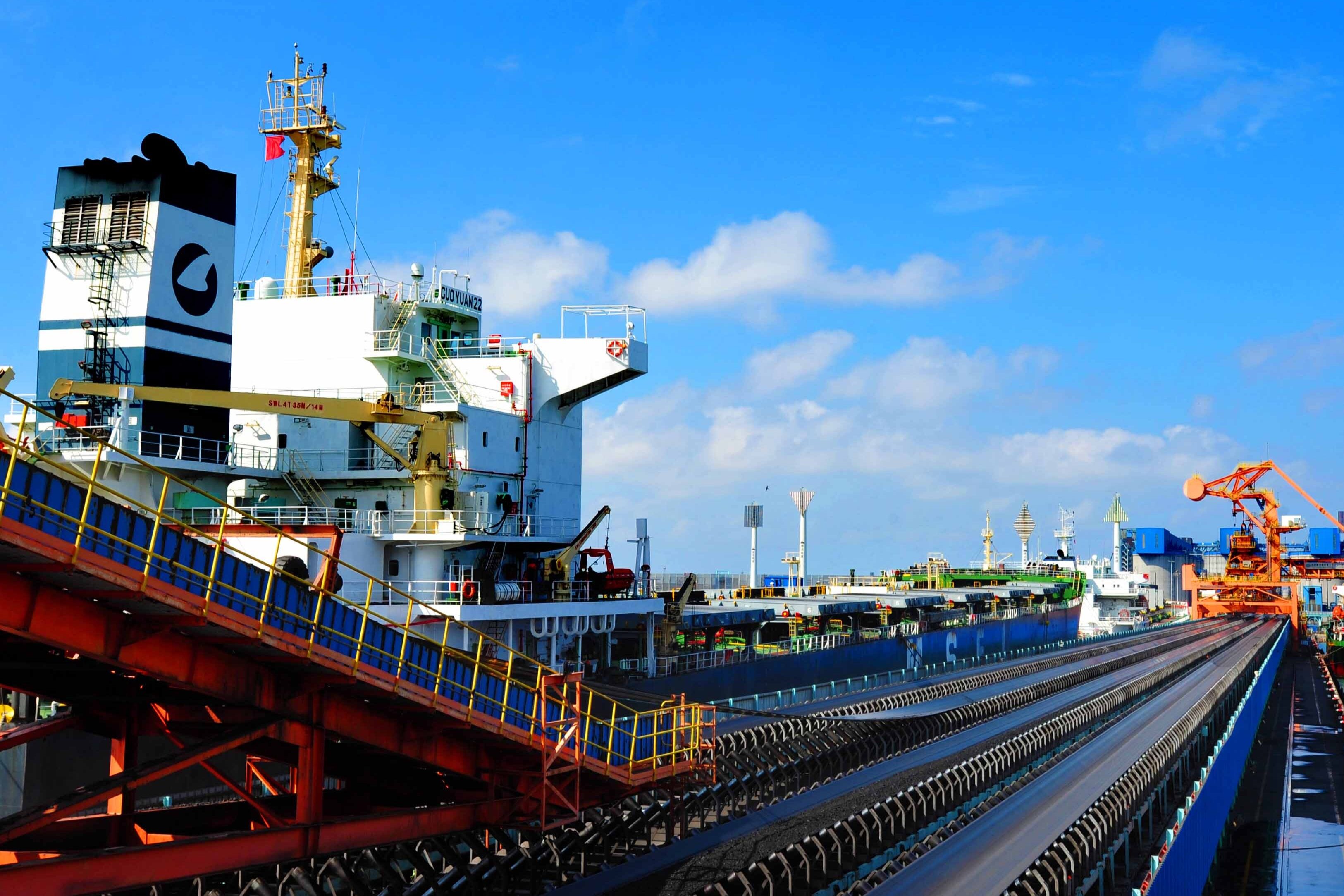
San Antonio on the east coast of the Pacific Ocean is about 108 kilometers away from the Chilean capital Santiago. The old port area here is busy all year round, with crane landing gear and over 50% of the country's containers entering and leaving from here. In the just passed year of 2025, San Antonio Port became the first port in Chile's history to exceed an annual throughput of 2 million TEUs - but the existing berths and waterways are approaching their limits, and even the largest ships can only wait in the open sea, causing logistics costs to quietly rise. After six years of technical verification and three public hearings, the local authorities have finally fully approved the largest expansion plan for the outer port in the history of the port this week. The construction contract is expected to be issued later this year, and construction can officially begin as early as 2027.
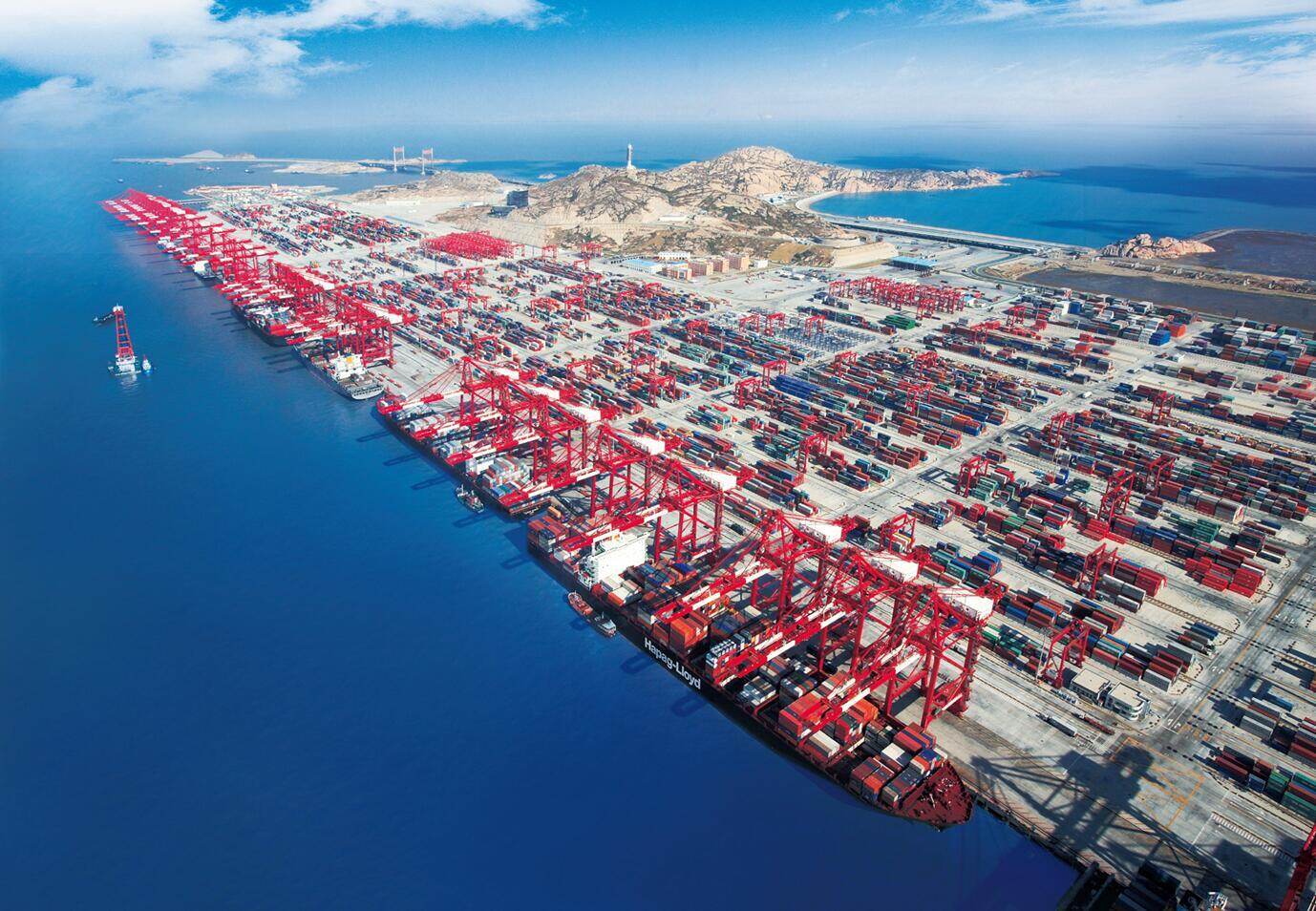
What is the scale of the new outer port to be built
The core of the Outer Harbor Expansion Project is to upgrade San Antonio Port into a new generation super port capable of accommodating the world's largest container ships. The project includes the construction of a breakwater approximately 4000 meters long, large-scale channel dredging and land reclamation, and the construction of two semi automated container terminals on the new land area, each with a coastline of 1730 meters. After full construction, the annual throughput can reach up to 6 million TEUs, and it can simultaneously dock 8 ultra large container ships up to 400 meters in length.
Where does the money come from and when will it be built
The total investment of the project is 4.45 billion US dollars, and it will be promoted through a large-scale government enterprise cooperation model. The Chinese port authorities have invested about 1.95 billion US dollars to be responsible for maritime infrastructure such as breakwaters, while the remaining 2.5 billion US dollars will be invested by the winning private terminal operator through franchising. The project will be implemented in four stages, with the first phase including a berth with a shoreline length of 865 meters and an annual designed throughput capacity of approximately 1.5 million TEUs. It is planned to be put into operation around 2036, and after completion, it will gradually advance to subsequent stages depending on market demand.
Why bet on a major expansion at this time
In recent years, container ships have been getting bigger and bigger, and new regional hubs such as the Port of Chancay in Peru have also emerged. If Chile does not upgrade its facilities, it may face increased port congestion, rising logistics costs, and the risk of marginalization in the supply chain along the Pacific coast of South America. The San Antonio Outer Harbor project is seen as a national strategy for Chile to maintain its competitiveness in foreign trade. After completion, it can consolidate its position as the primary gateway for Asia to enter South America through the Panama Canal. The construction period is expected to create over 2000 jobs, and the operation period will add more than 2700 direct jobs.
The Chilean Ministry of Transport and Public Works has listed the modernization of the ports of San Antonio and Valparaiso as a national priority. With the removal of the biggest regulatory obstacle of environmental impact assessment, the five international consortia that have passed the preliminary review - including Chinese, European, Korean, and Latin American companies - will enter the final bidding stage, taking a crucial step towards Chile's new gateway for foreign trade and maritime transportation in the 21st century.Editor/Yang Meiling
Comment





 Praise
 Collect
 Comment

 Share
Share


Write something~