 Search


- The second phase of the China Pakistan Economic Corridor welcomes a benchmark project: the design of Pakistan's first coal
- Pakistan's urea production capacity has long relied on natural gas, resulting in a fragile supply-demand balance
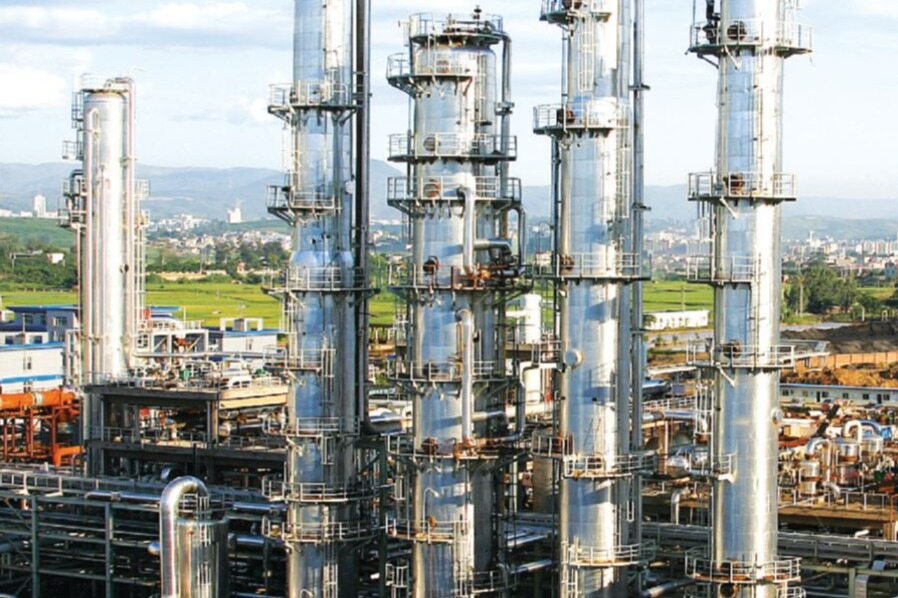
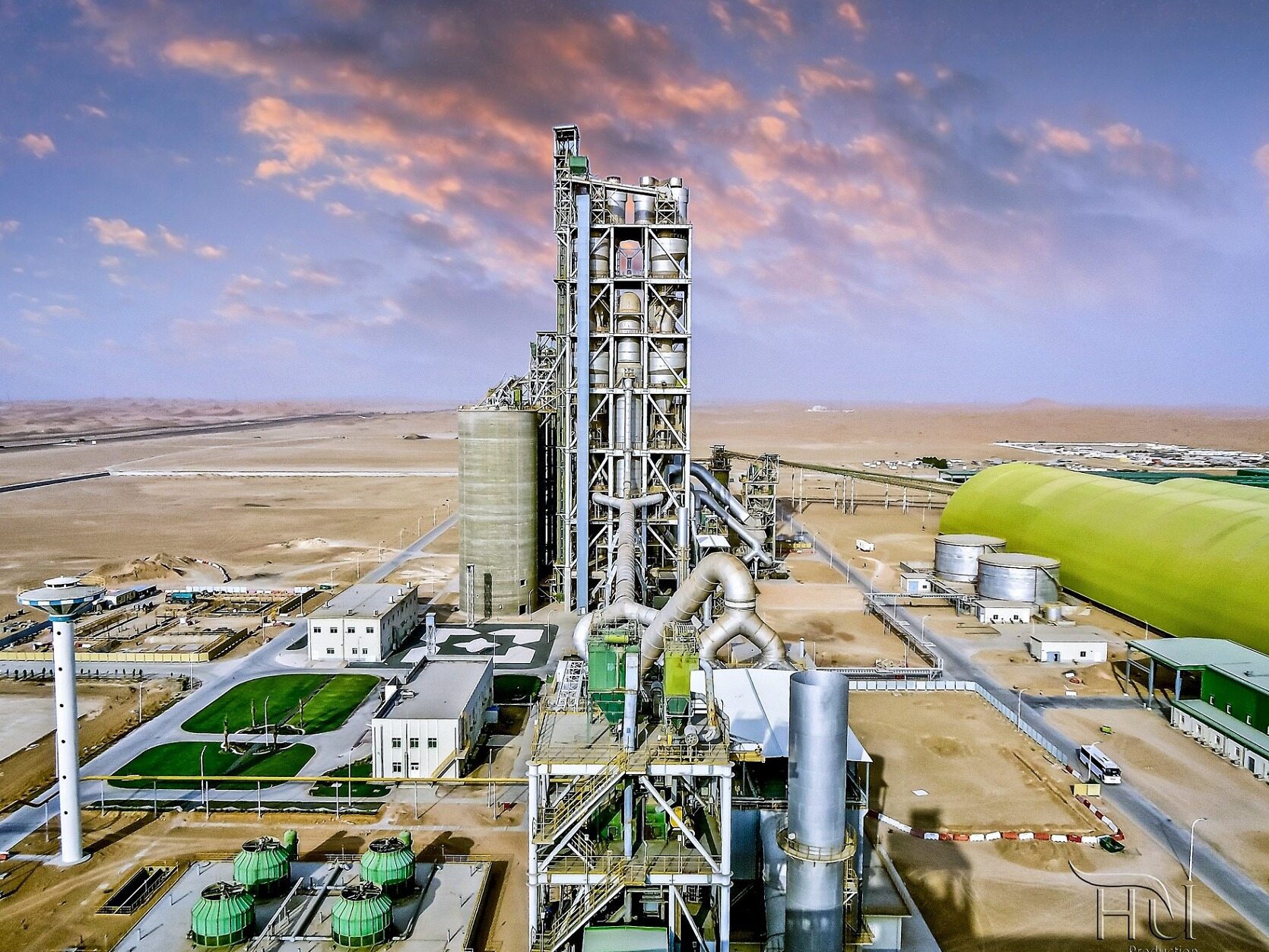
In 2026, a coal to fertilizer project with a total investment of 1.12 billion US dollars is entering the front-end engineering design stage on a vacant land around the Thar Coalfield in Pakistan. This will be Pakistan's first coal-fired fertilizer plant and a key landing project for the second phase of industrial cooperation in the China Pakistan Economic Corridor.
The project is led by Pakistan's leading fertilizer company, Fuji Fertilizer (FFC), and has signed a front-end engineering design (FEED) agreement with China Hualu Engineering Technology Co., Ltd. The project is planned to be officially put into operation in 2031, with a designed annual output of 717000 tons of urea and the ability to consume 2.1 million tons of coal from the local Ta'er coalfield annually. Industry analysis suggests that the project is likely to be located around the Thar Coalfield in Sindh Province, in order to align with the economic principles of raw material transportation and rely on local coal resources to achieve localization of fertilizer production, filling the gap in the country's coal gasification fertilizer industry.
The raw material structure is single, and there is a significant gap in capacity upgrading
Agriculture, as the backbone of Pakistan's economy, contributes 23% of the country's GDP. The annual production of urea in China is about 6.5 million tons, and the market demand has remained stable in the range of 6.2 million to 6.5 million tons for a long time. The overall self-sufficiency is basically achieved, and there is only a temporary supply gap.
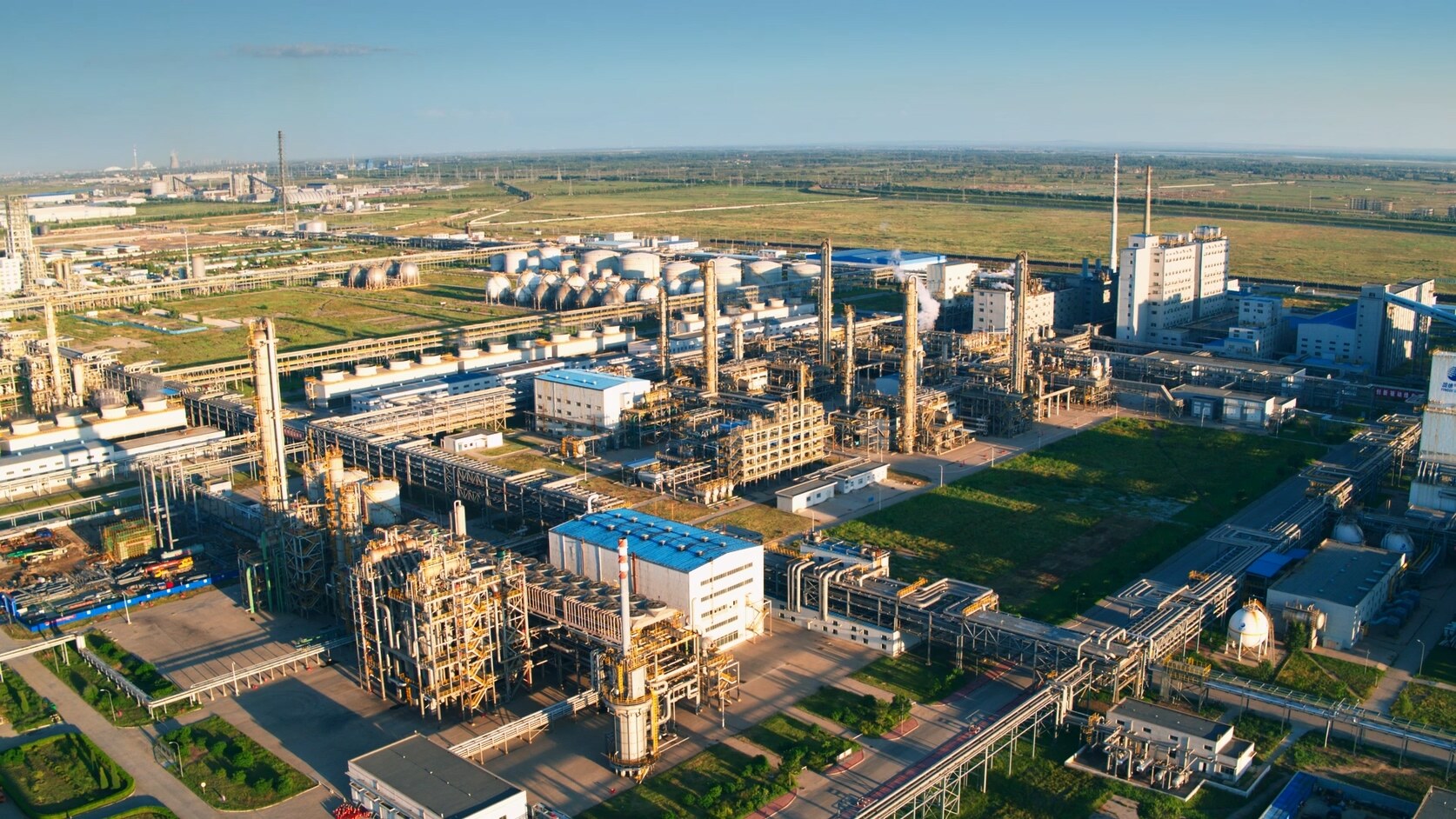
Currently, all fertilizer production capacity in Pakistan relies on natural gas raw materials, which have a single raw material structure and are highly susceptible to fluctuations in energy supply, thereby restricting the stability of production capacity. In the long run, a single raw material system is difficult to match the demand for stable agricultural production and diversified industries. The industrial utilization of local coal resources has become a key path to solving industry pain points and ensuring food and fertilizer safety.
The first coalification project has been implemented, and the production capacity has been put into operation with a clear rhythm
Recently, FFC signed a front-end engineering design agreement with China Hualu Engineering Technology Co., Ltd. to finalize Pakistan's first coal gasification fertilizer project. The total investment of the project is 1.12 billion US dollars, and the source of funds is not yet clear.
The launch of this project marks a substantial step forward for Pakistan's fertilizer industry from a single natural gas raw material system to the utilization of coal resources. As the largest coal reserve area in Pakistan, the Thar Coalfield has not been fully industrialized for a long time. The implementation of this coal to fertilizer project will activate this idle resource, improve the coal to chemical industry chain, and consolidate food security and industrial autonomy.
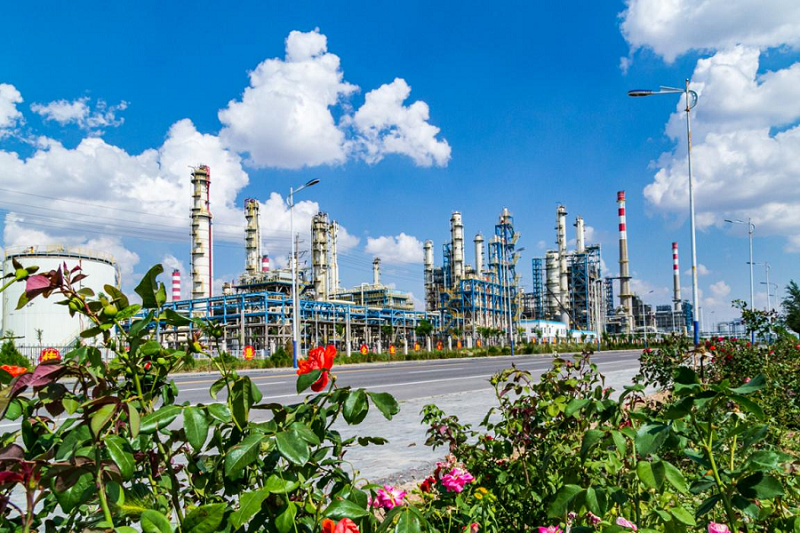
Refactoring the supply-demand pattern and deepening industrial capacity cooperation between China and Pakistan
This project is an important benchmark for the implementation of the second phase of the China Pakistan Economic Corridor, marking the extension of cooperation from traditional energy infrastructure to agricultural supporting deep processing. The newly added 717000 tons of urea production capacity will fully cover the domestic fluctuation gap, form a stable production surplus, help Pakistan transform into a net exporter of urea, and open up a new track for agricultural foreign trade.
For the Pakistani side, the project aims to revitalize idle resources in the Ta'er coalfield, improve the coal chemical industry chain, and strengthen food security and industrial autonomy. For China, relying on its engineering and technical advantages, it will deeply participate in the upgrading of Pakistan's characteristic industries, continue to deepen the integration of agriculture and energy in South Asia, and enrich the the Belt and Road practical production capacity cooperation system.
As the project enters the front-end engineering design phase, the collaborative boundaries between China and Pakistan in the fields of agriculture and energy are further expanded. This coal to fertilizer plant with a total investment of over 1.1 billion US dollars is expected to completely change Pakistan's passive dependence on natural gas imports for urea after it is put into operation in 2031, becoming an important variable in the fertilizer supply and demand pattern in South Asia. Editor/Yang Beihua
Comment


 Praise
 Collect
 Comment

 Share
Share


Write something~