 Search


- The garbage power plant with a total investment of over 130 billion tenge has officially laid the foundation. This project
- From traditional landfill to clean power generation, Kazakhstan's ecological infrastructure has taken a crucial step forward
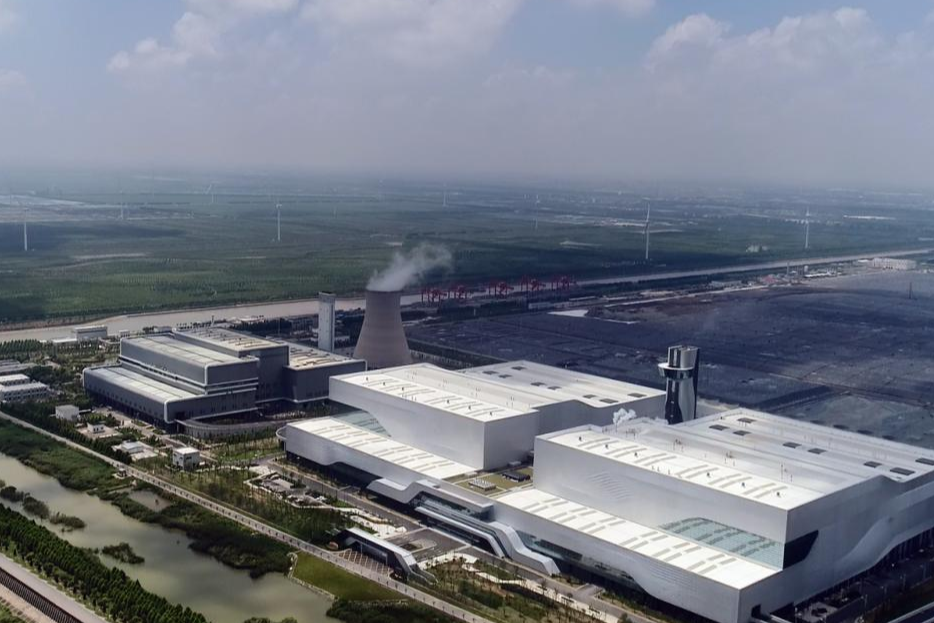
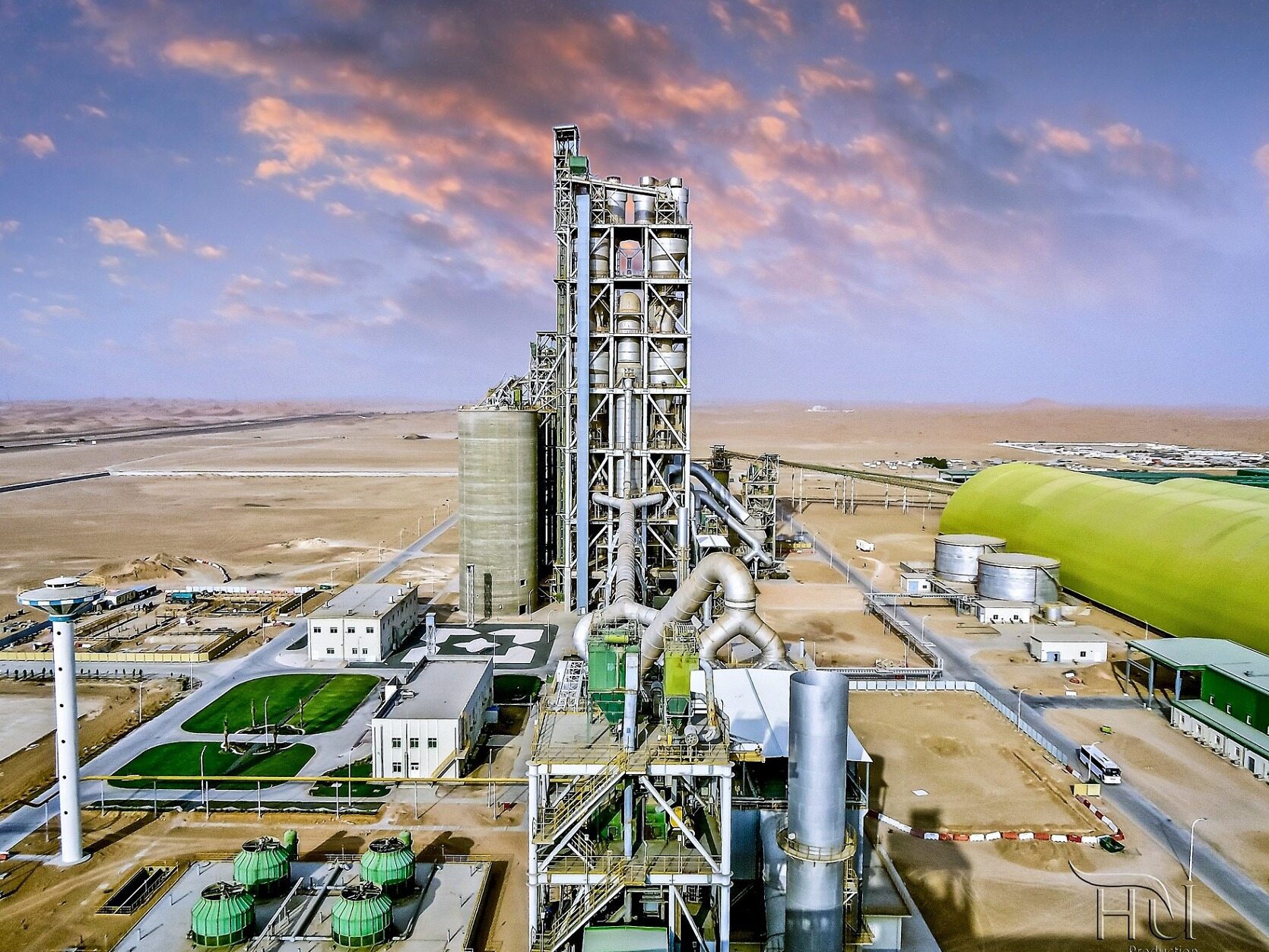
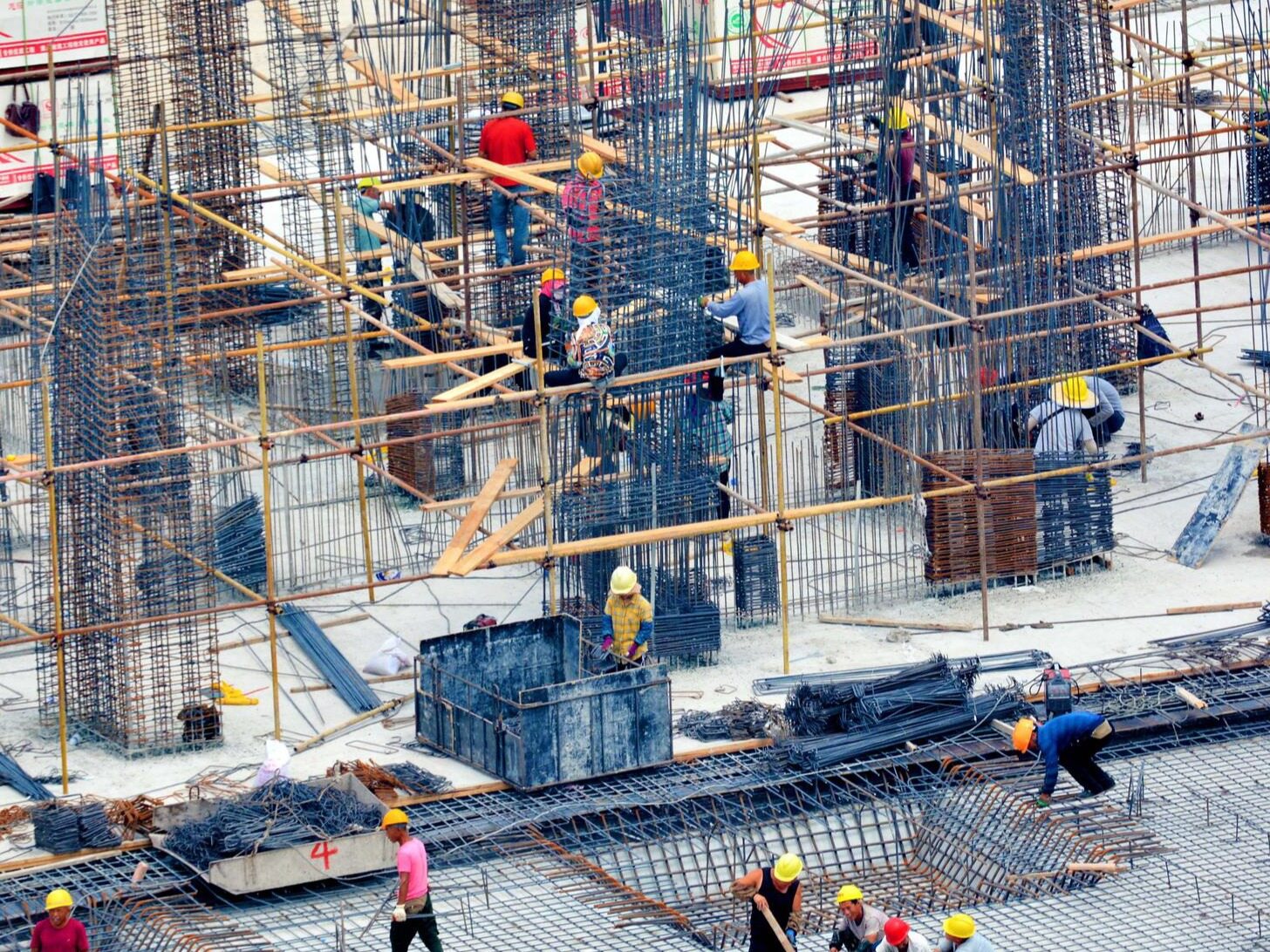
The construction of a large-scale garbage to energy plant in Almaty, Kazakhstan has officially begun, led by Hunan Junxin Environmental Protection Co., Ltd. of China.
The green energy project with a total investment of over 130 billion tenge, relying on the China Kazakhstan green economy strategic cooperation, will achieve dual empowerment of harmless treatment of solid waste and green power generation, and help Kazakhstan promote the upgrading of ecological infrastructure.
This article is the 326th article in the "Kazakhstan Business Economy" series of Central Asian industry research on the "Resource Engineering Information Ranking List". In depth introduction of industrial policies, laws and regulations, industry trends, market demand, competitive landscape, and potential trading opportunities in the investment, trade, and engineering construction fields of five Central Asian countries (Uzbekistan, Kazakhstan, Kyrgyzstan, Turkmenistan, Tajikistan) and neighboring countries (Afghanistan, Azerbaijan, Georgia, Armenia, Mongolia, Pakistan). Provide information on resources, engineering, and trade in the Middle East, Africa, and Eastern Europe.
The project has officially laid the foundation, and the core production capacity parameters have been implemented
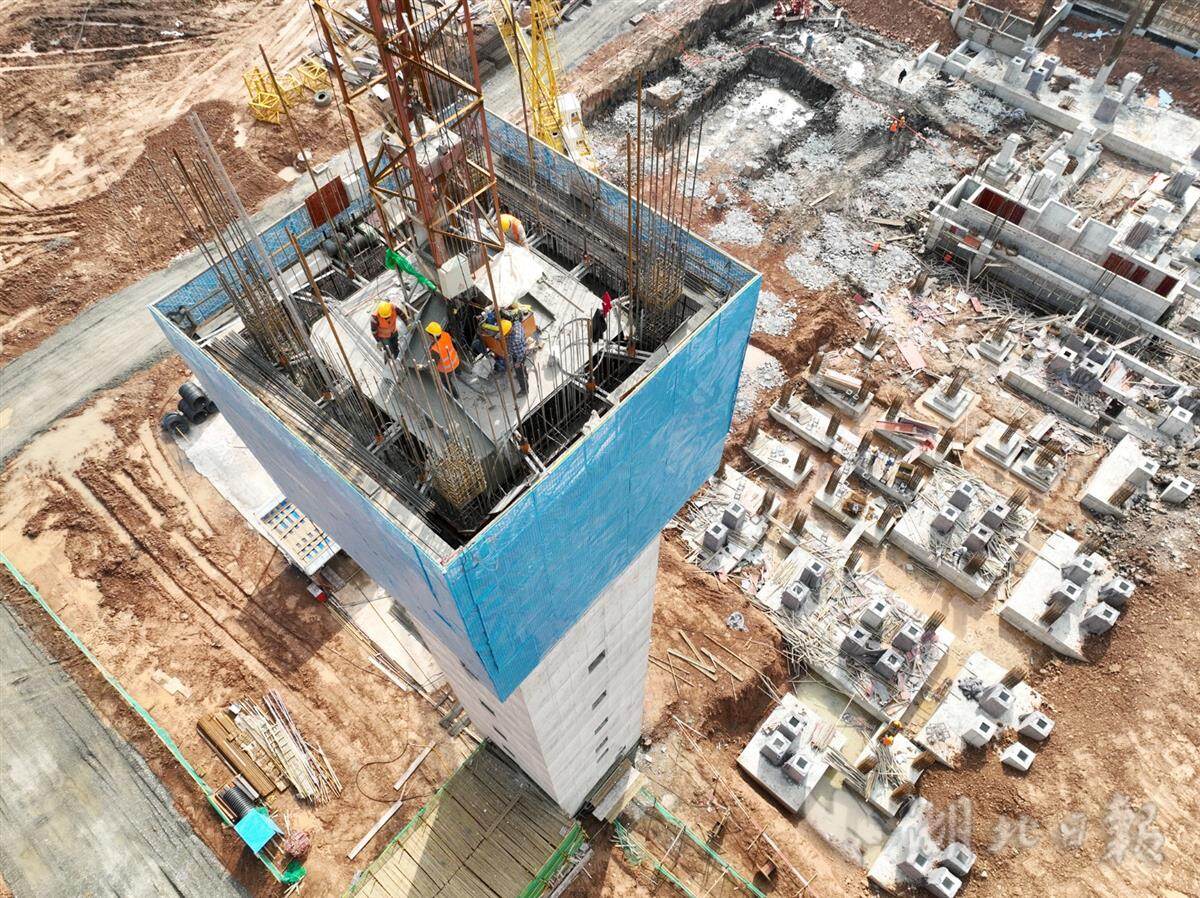
The groundbreaking ceremony was of high standard, attended by Almaty Mayor Darhan Satibadi, Chairman of Junxin Environmental Protection Dai Daoguo, as well as representatives from government, enterprises, and the public. Time capsules were placed on site simultaneously, marking the official launch of the project.
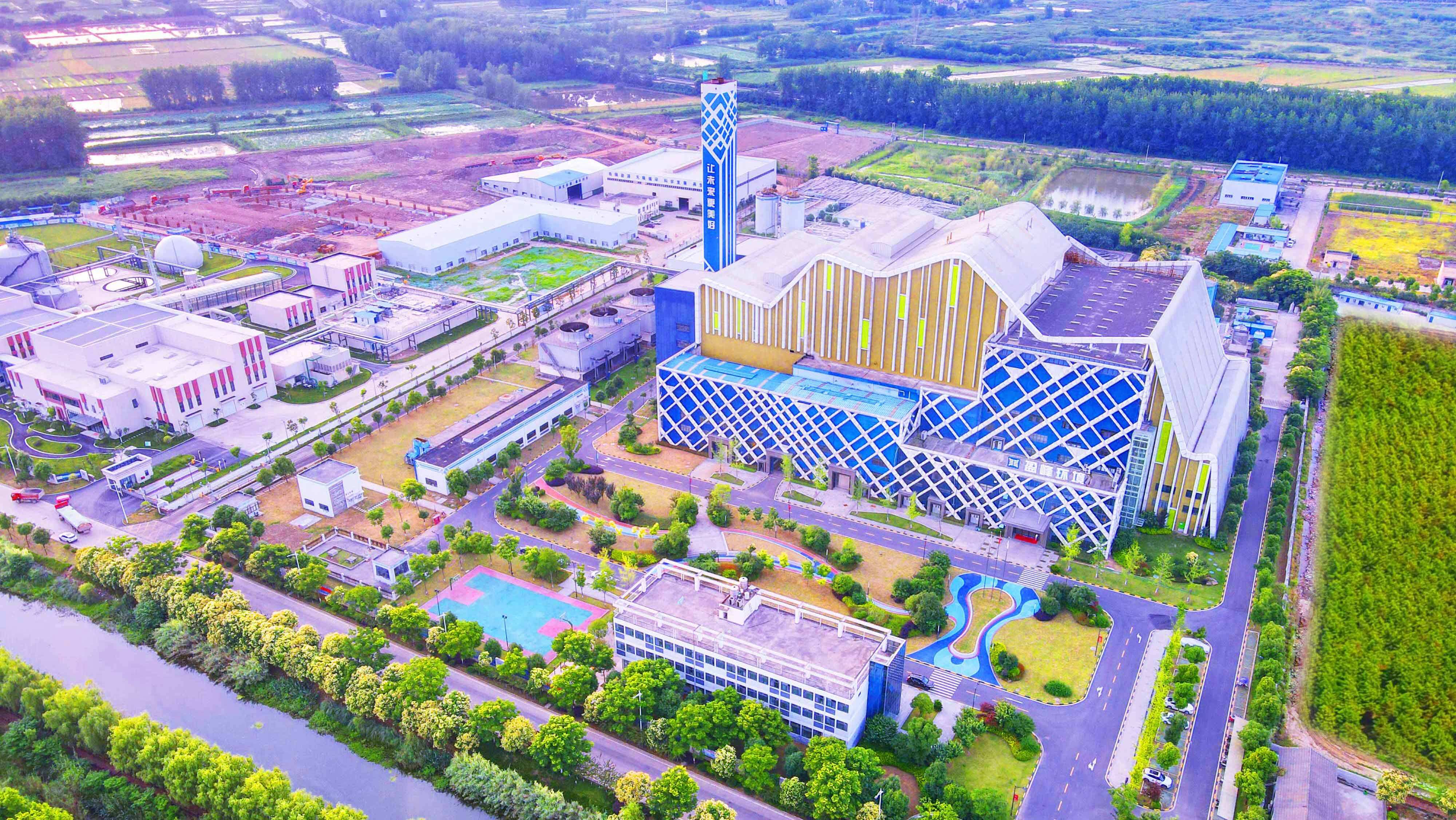
The project is in line with Kazakhstan's "Tazakazkestan" ecological initiative and national environmental governance deployment, with a planned daily processing capacity of 2000 tons of solid waste and a maximum power generation capacity of 60 megawatts, which can simultaneously solve the problems of urban household waste disposal and power supply.
The project will benchmark the environmental standards of international cities such as Singapore, Copenhagen, and Tokyo, and operate using low impact modern clean technologies.
The urgent need for ecological governance is on the rise, and the green transformation is accelerating
With the advancement of urbanization, the pressure on solid waste disposal in Almaty city continues to increase. The traditional landfill mode has environmental hazards and waste of land resources, and there is an urgent need for modern harmless and resourceful treatment solutions.
Currently, Kazakhstan is fully committed to promoting green economy and sustainable development, intensifying the construction of environmental infrastructure, and advancing the utilization of waste resources.
In this context, integrated waste to energy projects can balance ecological governance and green energy supply, in line with the development trend of national dual carbon and urban fine governance, and highlight market demand.
Technology going global and deeply cultivating Central Asia, practicing the concept of the Green Silk Road
Junxin Environmental Protection has mature experience in solid waste treatment and garbage to energy international project operation. The landing of the Almaty project is a key layout in the sub green infrastructure track.
The enterprise exports advanced waste treatment and clean power generation complete sets of technologies, practices the concept of "waste turning into resources", and is in line with the development core of the Green Silk Road.
The implementation of the project not only improves the ecological infrastructure system in Almaty and optimizes the urban energy structure, but also deepens the strategic cooperation between China and Kazakhstan in green economy, setting a benchmark case for Chinese enterprises to participate in ecological governance and new energy infrastructure in Central Asia. Editor/Yang Beihua
Comment


 Praise
 Collect
 Comment

 Share
Share


Write something~