 Search


- ASEAN's textile and chemical industry support is weak, and differentiated import demand is clear
- The highly complementary industrial chains between China and foreign countries can quickly fill the gap in high-end chemical industry in ASEAN
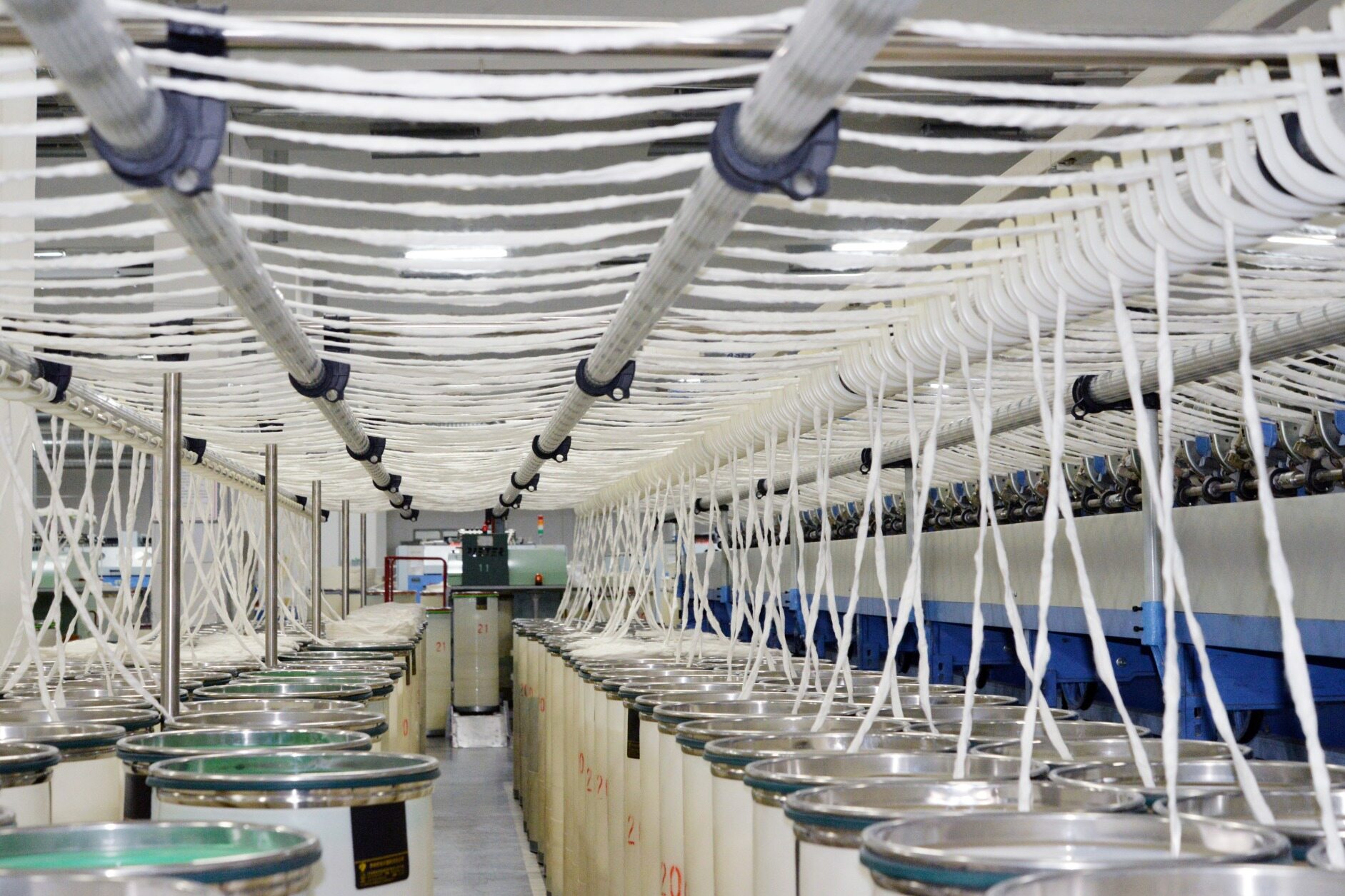
The development level of the textile industry in ASEAN countries varies, and there are significant differences in the demand for textile chemical products such as printing and dyeing auxiliaries, dyes, and bio based chemicals. There is huge room for cooperation in implementation.
Significant market stratification in ASEAN
Vietnam is a core textile manufacturing country in ASEAN, with a mature garment export industry. However, the local textile and chemical industry is weak, and various textile chemicals are highly dependent on imports. The demand for environmental protection and functional additives continues to rise. Indonesia is a major consumer of textile chemicals in the region, with strong demand for printing, dyeing, and leather chemicals. There is a large gap in local high-end fine chemical production capacity, and there is great potential for import substitution.
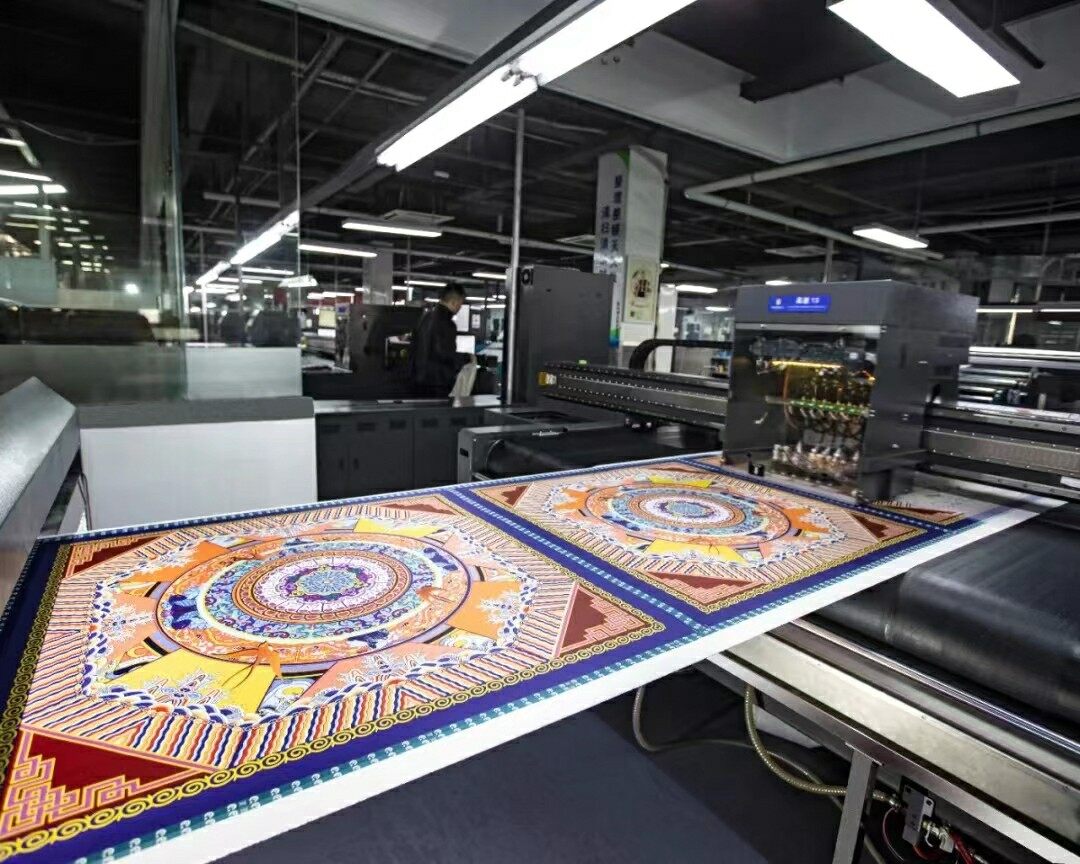
Thailand is deeply cultivating the high-end fabric and digital printing industry, and the demand for high-quality dyes, high-end printing auxiliaries, and functional chemicals is steadily increasing. The green textile industry in Malaysia is developing rapidly, with the growth rate of functional textile chemicals such as bio based, antibacterial, and flame retardant leading the region. The scale of mid-range textile manufacturing in the Philippines is considerable, and the market for compliant and environmentally friendly textile additives continues to steadily expand. Myanmar's core industry is garment manufacturing, with stable and sufficient demand for cost-effective and universal basic textile chemicals.
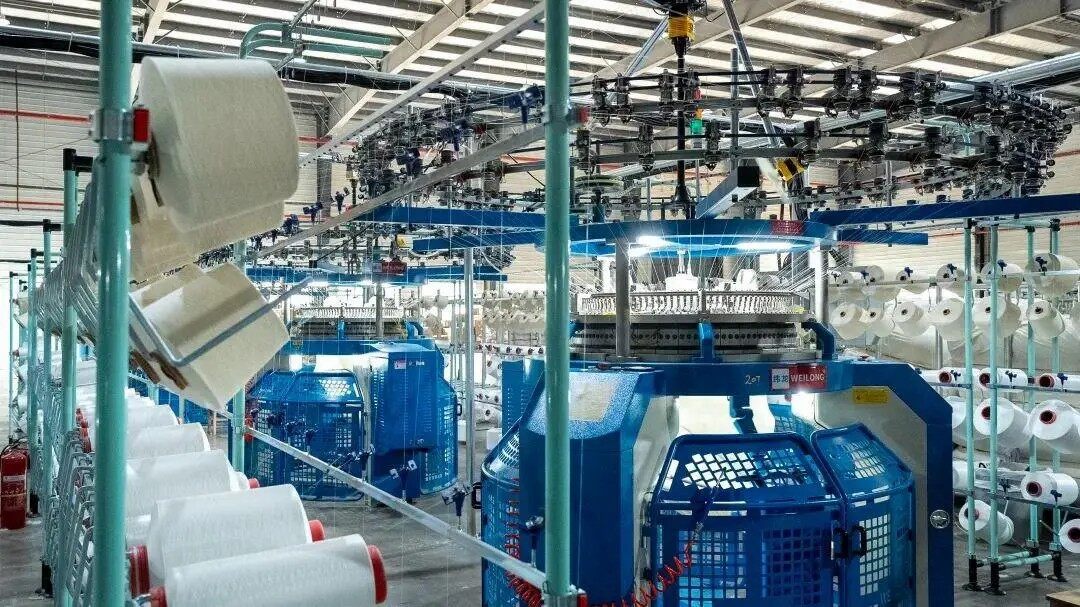
Overall, most ASEAN countries have incomplete upstream chemical supporting facilities for textiles, a shortage of high-end green products, and difficulty in adapting to global green trade rules and industrial upgrading needs, creating high-quality opportunities for Chinese textile chemical enterprises to go global.
Bilateral industries highly complementary
Industry experts say that the cooperation between China and ASEAN in textile chemicals is not simply about commodity exports, but a win-win cooperation model that precisely matches the industrial chain. China has a complete textile chemical industry chain, covering the entire chain of research and development, production, testing, and technical services. The product categories are complete, the quality is stable, and the cost-effectiveness is outstanding, which can accurately adapt to the differentiated and multi-level market demands of ASEAN countries.
ASEAN has a huge textile terminal production capacity and mature global export channels, but there are obvious shortcomings in upstream chemical supporting facilities, and industrial upgrading urgently needs external high-quality products and technological support. In recent years, the export activity and market penetration of domestic textile chemicals to ASEAN have continued to increase, occupying an important position in the regional import market.
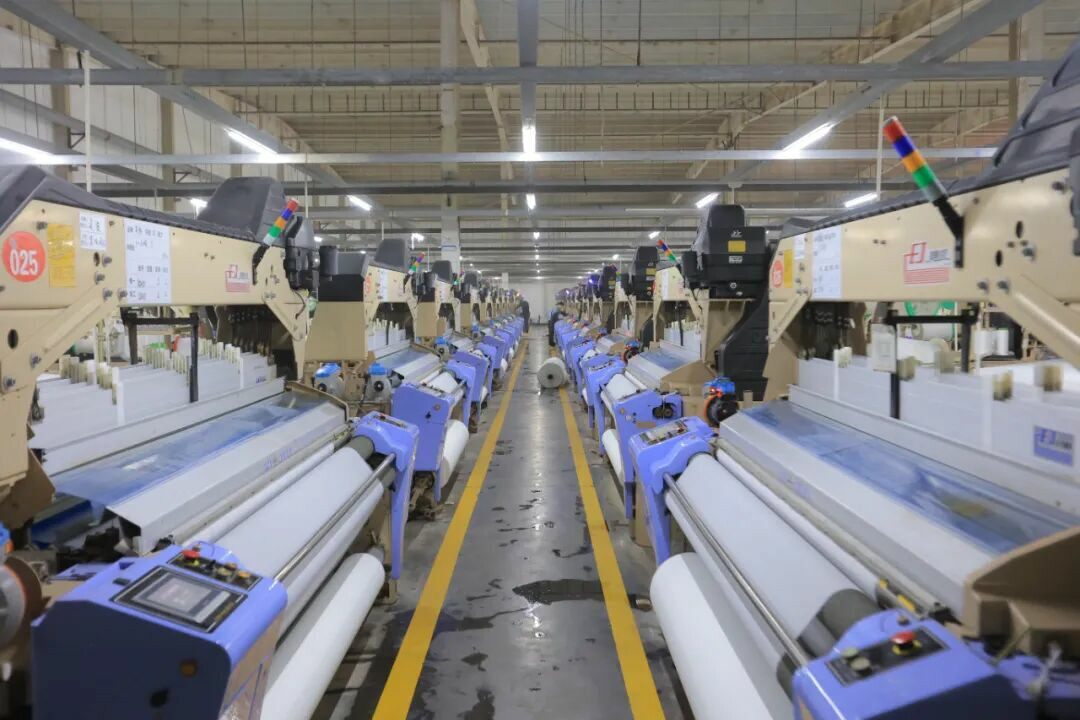
At the same time, Chinese domestic enterprises are gradually shifting from exporting single products to deeply cultivating the ASEAN local market, and approaching terminal needs through models such as on-site production, packaging, and technical services. Relying on the policy dividends of RCEP zero tariffs and accumulation of origin, the convenience of bilateral intermediate goods trade has been greatly improved, effectively avoiding trade barriers, and forming a stable industrial division of labor pattern of China supplying raw materials and additives and ASEAN causing clothing exports.
Implement five practical measures
Industry experts have proposed that deepening cooperation in the textile and chemical industry between China and ASEAN requires the use of business associations as the core link, opening up channels for government enterprise docking, supply and demand cooperation, and market development, relying on normalized mechanisms to promote enterprise group development, and focusing on implementing five practical cooperation measures.
One is to accurately connect with national markets. Based on research conducted by business associations, we aim to understand the industrial policies, environmental protection, and access standards of ASEAN countries, and tailor our products to local conditions, accurately match market demand, and avoid blind investment and inefficient cooperation.
The second is to provide guidance on regulatory risks in a normalized manner. Continuously update the ASEAN chemical import and environmental control rules, regularly conduct enterprise training, establish risk warning mechanisms, assist enterprises in compliant operations, and reduce cross-border cooperation risks.
The third is to build an exhibition docking platform. Relying on professional exhibitions at home and abroad, we will establish a dedicated docking section, organize enterprises to participate in exhibitions and expand customers in ASEAN, connect cross-border supply and demand channels, and consolidate the foundation of long-term business cooperation.
The fourth is to promote the local landing of industries. The business association will connect with ASEAN industrial park resources, guide enterprises to layout localized production, packaging, and warehousing support, shorten supply cycles, optimize services, and synchronously output mature technologies and industry standards.
The fifth is to unite and explore the global market. Integrate upstream and downstream industry resources, guide enterprises to collaborate and develop together, unify overseas orders and markets, rely on ASEAN export advantages, expand global market share, and enhance regional industrial competitiveness. Keywords: China, ASEAN, Textile
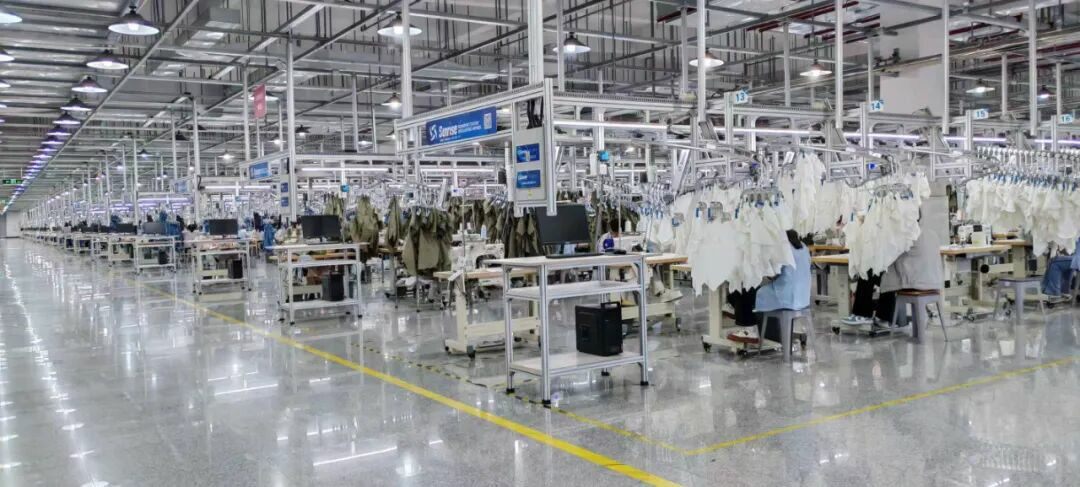
Overall, the cooperation in the textile and chemical industry between China and ASEAN has a solid foundation, clear market demands, and broad development prospects. In the future, both sides need to rely on complementary advantages in industries, with enterprise project cooperation as the core, business association linkage as the support, and green innovation as the direction, to fill the gaps in the upstream textile industry of ASEAN, promote the deep landing of China's high-quality production capacity, technology, and services in ASEAN, jointly build a coordinated and stable regional textile and chemical industry chain, and work together to expand the global market.Editor/Gong Ziwei
Comment




 Praise
 Collect
 Comment

 Share
Share


Write something~