 Search


- Industrial upgrading cultivates new driving forces and solidifies the foundation of the manufacturing industry
- Accelerating the transformation of traditional industries and relying on scientific and technological innovation to achieve diversified development
The 100 meter wind power giant stands tall in the blue sea, and the ultra strong carbon fiber core material originates from inland petrochemical bases, which is a vivid epitome of the iteration and rebirth of China's traditional industries. Seemingly high-precision new energy equipment, nearly 90% of its components are produced by traditional manufacturing enterprises such as steel and machinery. Traditional industries are relying on technological innovation to become a solid foundation for cultivating new quality productivity.
Anchor the direction of transformation
General Secretary Xi Jinping emphasized that traditional manufacturing is an important support for the real economy, and it should meet market demand, strengthen technological innovation, and activate new driving forces for the development of traditional industries. Since 2026, various regions have focused on the main line of technological innovation, actively explored new paths for the transformation of traditional industries, promoted industrial iteration and upgrading, and consolidated the foundation of building a strong manufacturing country.
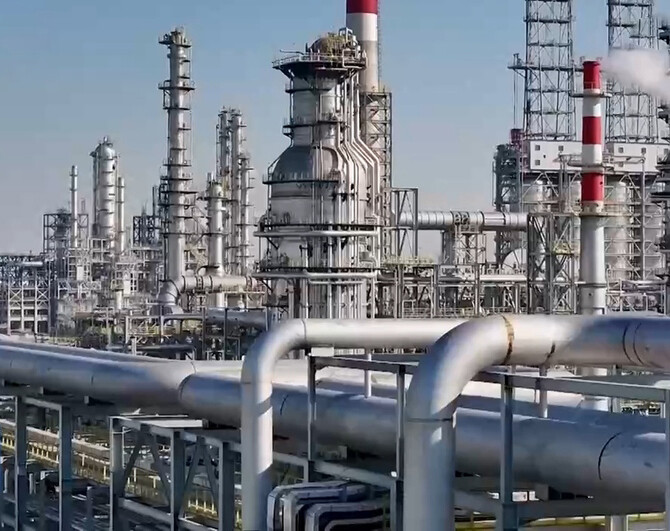
The breakthrough in the transformation of the new energy sector is not an isolated case. The core foundation of the current hot new three industries also comes from the iterative upgrading of traditional industries. Looking at the overall situation of China's manufacturing industry, traditional industries bear over 80% of the industrial foundation support and are the cornerstone of the development of the manufacturing industry.
Since the 18th National Congress of the Communist Party of China, the General Secretary has always attached great importance to the improvement and development of traditional industries, and has conducted multiple in-depth investigations and guidance on old industrial bases, clearly requiring them to rely on the market, reform, and innovation to achieve transformation and upgrading. After the concept of new quality productivity was proposed, General Secretary Xi Jinping further clarified that cultivating new quality productivity does not mean abandoning traditional industries. It is necessary to eliminate the problems of following the trend and solidifying models, and adhere to promoting industrial upgrading according to local conditions. At the same time, it is explicitly stated to empower traditional industries with new technologies, promote the industry towards high-end, intelligent, and green development, and promote the deep integration of advanced manufacturing and modern service industries.
The Outline of the 15th Five Year Plan has made precise arrangements for the transformation of traditional industries, clarifying the optimization of industrial structure in heavy industries such as steel and petrochemicals, tackling the shortage of high-end products in the electronic information and mechanical equipment industries, and comprehensively promoting the development of intelligent, green, and service-oriented manufacturing in various industries.
Accelerate the revitalization of industries
In 2026, based on their own industrial endowments, various regions will orderly promote the digital and green transformation of traditional industries. On April 30, 2026, the list of the second batch of 91.5 billion yuan two new equipment update projects and supporting funds for 2026 were officially issued, and various regions simultaneously introduced update support policies that are suitable for local industries.
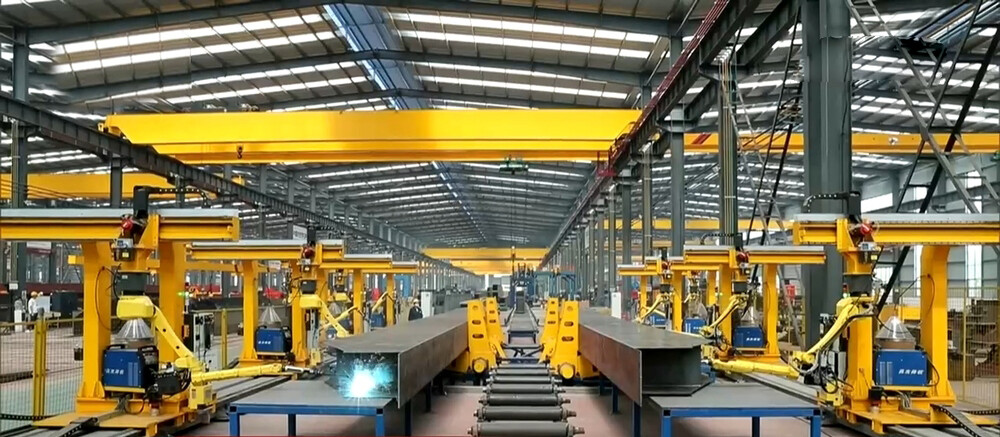
Inner Mongolia has fully included intelligent mining equipment in its support scope to assist in the intelligent transformation and upgrading of coal mines. Henan has launched a special subsidy policy for the renovation and upgrading of old machine tools, automated loading and unloading equipment, industrial robot welding equipment, and other equipment. From January to April 2026, domestic investment in equipment and tools procurement increased by 11.5% year-on-year, accounting for 18.2% of total investment, and the momentum of industrial transformation and upgrading continued to be released.
Currently, the level of intelligent manufacturing and green manufacturing in Chinese industrial enterprises is steadily improving, and the penetration rate of digital R&D design tools in industrial enterprises is stable at around 85%. A large number of industry benchmark factories have emerged in the home appliance and food industries, and a number of green and low-carbon factory areas have been created in the heavy industry sector. Green mountains and clear waters are integrated with traditional industries, and the industrial ecology is continuously optimized.
Innovative integration
Technological innovation continues to empower traditional industries, leading to the emergence of new formats and development highlights. As a highly concentrated area of the global textile industry, Shengze Town in Jiangsu Province has achieved industrial breakthroughs through technological innovation. New textile materials can withstand mechanical cutting impacts and have strength far exceeding that of steel. They have been successfully applied to more than ten emerging industries such as humanoid robots, achieving cross-border empowerment of the traditional textile industry.
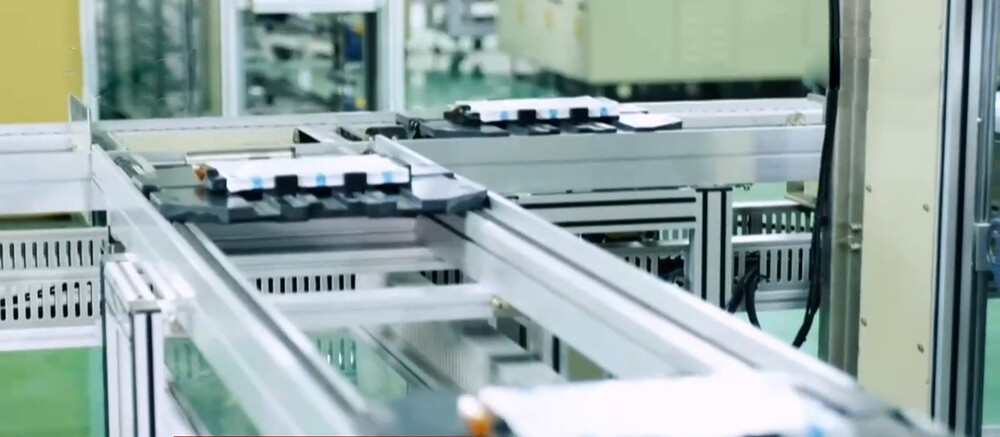
Not only the textile industry, but also the traditional coal industry has achieved a leap in value. Coal can be processed into negative electrode materials for power batteries and core raw materials for large aircraft tires, with product added value increasing nearly 40 times compared to before. Technological innovation is accelerating the birth of new quality productivity in traditional industries.
The integration of industrial formats continues to deepen, and the linkage between traditional manufacturing and modern service industries is accelerating. Domestic shoe-making enterprises have broken the single product sales model, expanded personalized customization and body monitoring supporting services, with an annual sales volume of 350 million pairs. Cross border integration effectively expands market space and drives employment and income growth. In 2026, Changsha, Foshan and other places will successively offer special public welfare training courses on smart home, covering new professions such as smart operation and maintenance, green recycling, etc. The training enthusiasm will remain high, and graduates can directly meet the job requirements of enterprises. Data shows that among the 372 service-oriented manufacturing demonstration enterprises in China, the contribution rate of service business to the growth of enterprise revenue reaches 60%, continuously injecting new vitality into the growth of traditional industries. Keywords: technological innovation, intelligent manufacturing
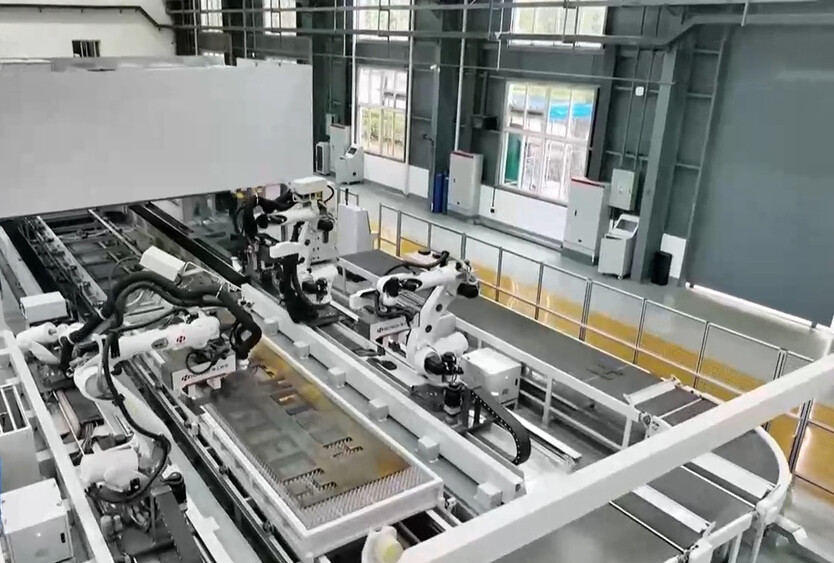
Improving quality and efficiency, and iterating and upgrading have become the main themes of traditional industry development. In 2026, China will promote the construction of world-class advanced manufacturing clusters in the mining and shipbuilding industries, and continue to tackle core technologies in areas such as basic materials and industrial mother machines. The all-round transformation of traditional industries is laying a solid foundation for the construction of a modern industrial system.Editor/Gong Ziwei
Comment


 Praise
 Collect
 Comment

 Share
Share


Write something~