 Search


- Dual empowerment of tower computing power, gradually bridging the global digital divide
- China's digital infrastructure goes global, achieving intelligent upgrade of overseas iron towers
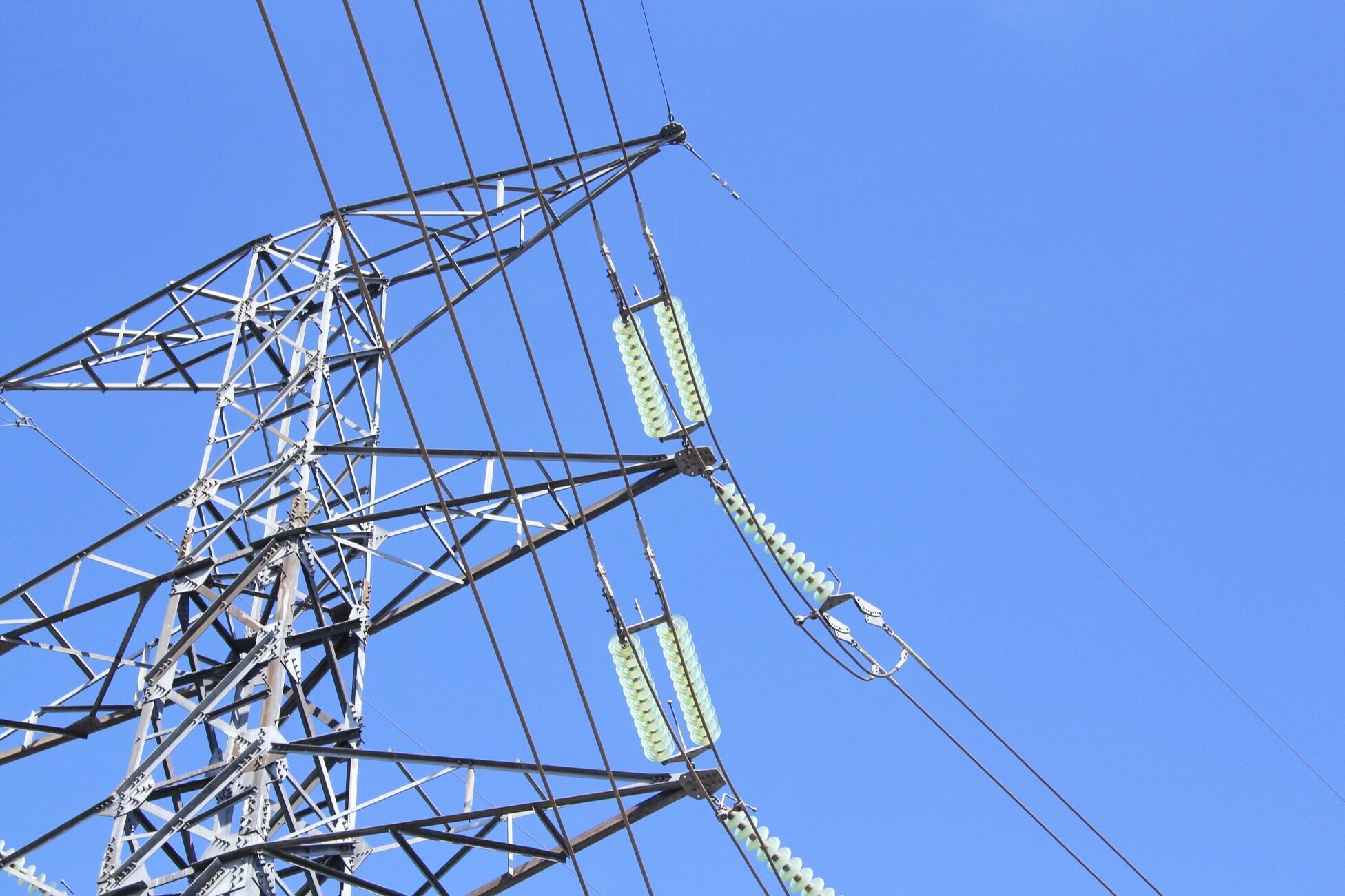
On the streets of Wanxiang, a tower that originally only carried signals quietly changed its appearance. It overlooks the flow of shuttling motorcycles, senses the air humidity in real time, and also gives an early warning before the coming of rainstorm. This is not only a microcosm of Laos' daily life, but also a vivid footnote of China Tower's multi-purpose Chinese plan to penetrate digital roots into Southeast Asia along the the Belt and Road.
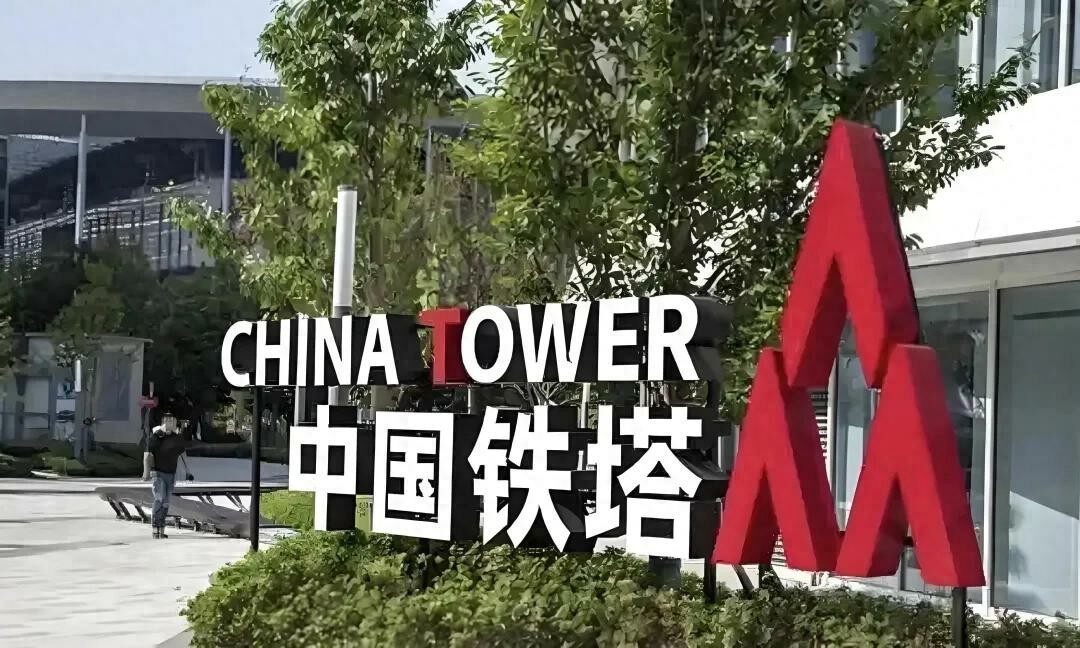
The tower landed on the the Belt and Road
On July 19, 2026, the third day of the 2026 World Artificial Intelligence Conference, the globalization layout of the CHINA TOWER exhibition area attracted many visitors to stop and take a look. The traditional communication tower in Laos has completed the intelligent upgrade and transformed into a digital tower with emergency management and environmental monitoring functions, which is a vivid epitome of China's communication and computing services enabling the digital construction of the the Belt and Road. The development of artificial intelligence cannot be separated from the support of digital infrastructure. At present, CHINA TOWER has built over 6.2 million base stations, including over 3.28 million 5G base stations, covering nearly 50000 kilometers of rail transit lines, as well as key scenes such as massive transportation hubs and large venues, laying a solid digital foundation.
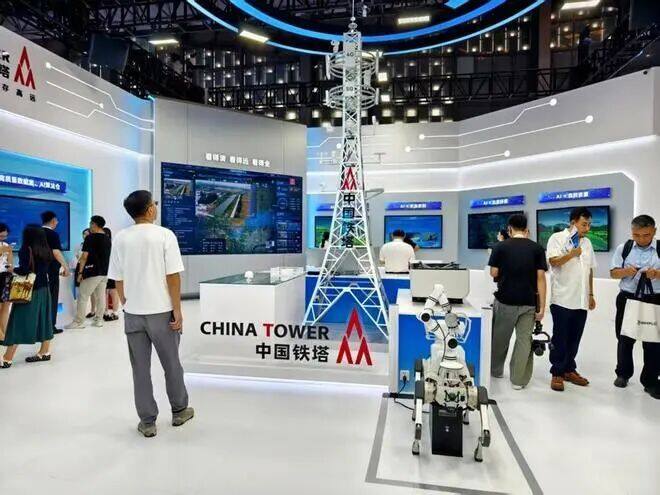
Mode replication Laos tower upgrade
The transformation of Laos Tower began in 2018, when China Tower's first overseas operation platform, Southeast Asia Tower Company, was established in Vientiane, bringing China's mature model of shared towers, multi-purpose towers, and intensive operation and maintenance to Laos. After years of deep cultivation, its site resources cover 18 provinces and cities throughout Laos. The basic communication coverage is Tower Going Global 1.0, while the multifunctional intelligent digital tower has been upgraded to version 2.0. The communication tower of Wanxiang Saise Tower Development Zone has completed intelligent transformation, integrating monitoring, environmental monitoring, security, unmanned aerial vehicle takeoff and landing equipment, and can meet the diverse needs of communication sharing, park security, disaster monitoring, crowd control, facility inspection and other scenarios.
Empowering computing power to bridge the digital divide
The upgrade of communication towers is a microcosm of developing countries filling their digital gaps. Industry experts say that global AI investment is mostly concentrated in developed regions, and promoting AI dividends to benefit the world is an important international issue at present. On July 16, 2026, the World Artificial Intelligence Cooperation Organization agreement was signed in Shanghai. The organization promoted by China will focus on international cooperation in AI, assist developing countries in enhancing their digital technology capabilities, and share development opportunities in the era of intelligence. Keywords: the Belt and Road news, tower sailing, digital infrastructure
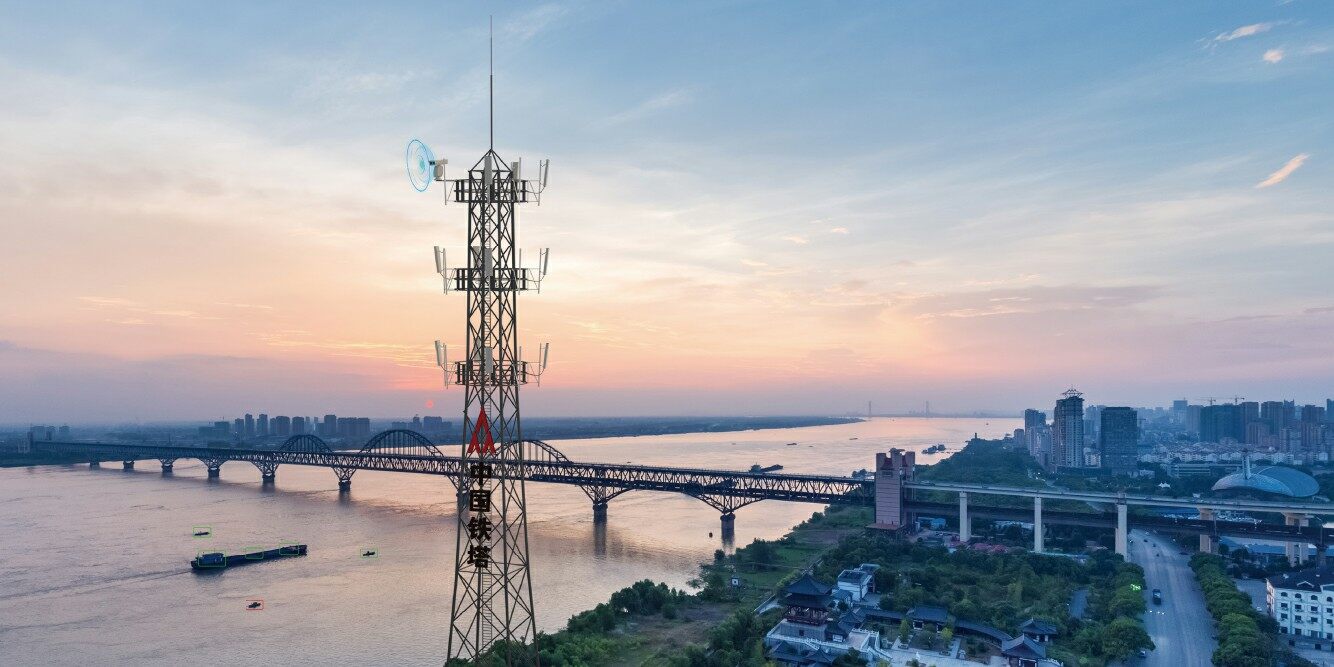
The iron tower builds a solid physical foundation, and computing power gives momentum to digital development. Early operators mainly focused on hardware deployment when going global, but now they have entered a new stage of computing power going global. The three major domestic telecom operators in China are accelerating their global expansion, with overseas networks, data centers, IoT, and keyword services covering multiple countries, providing reliable intelligent computing channels for enterprises to go global. With iron towers as the foundation and computing power as the wings, Chinese operators are moving from hardware landing to intelligent output when going global, continuously narrowing the global digital divide.Editor/Gong Ziwei
Comment



 Praise
 Collect
 Comment

 Share
Share


Write something~