 Search


- Venezuela's daily oil exports in May reached a seven-year high of 1.25 million barrels, with a year-on-year surge of 61%
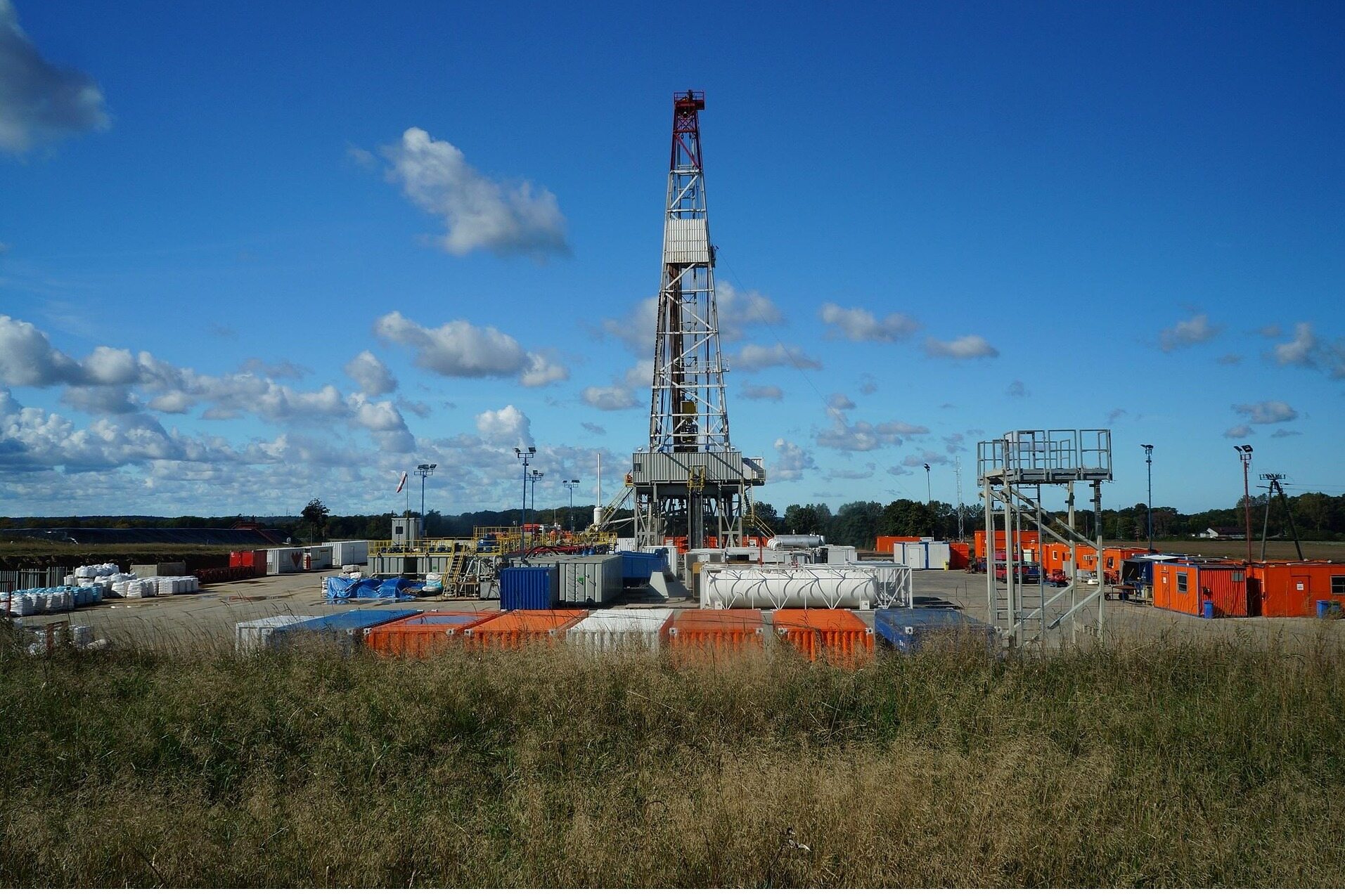
While the global oil market is still digesting the impact of the Middle East supply crisis, Venezuela has quietly delivered a remarkable report - its daily oil exports reached 1.25 million barrels in May, breaking a seven-year high, a slight increase of 0.7% from April, and a surge of 61% compared to May 2025. This is not an accidental rebound, but a sustained growth driven by a policy shift.
Buyer map reshaping
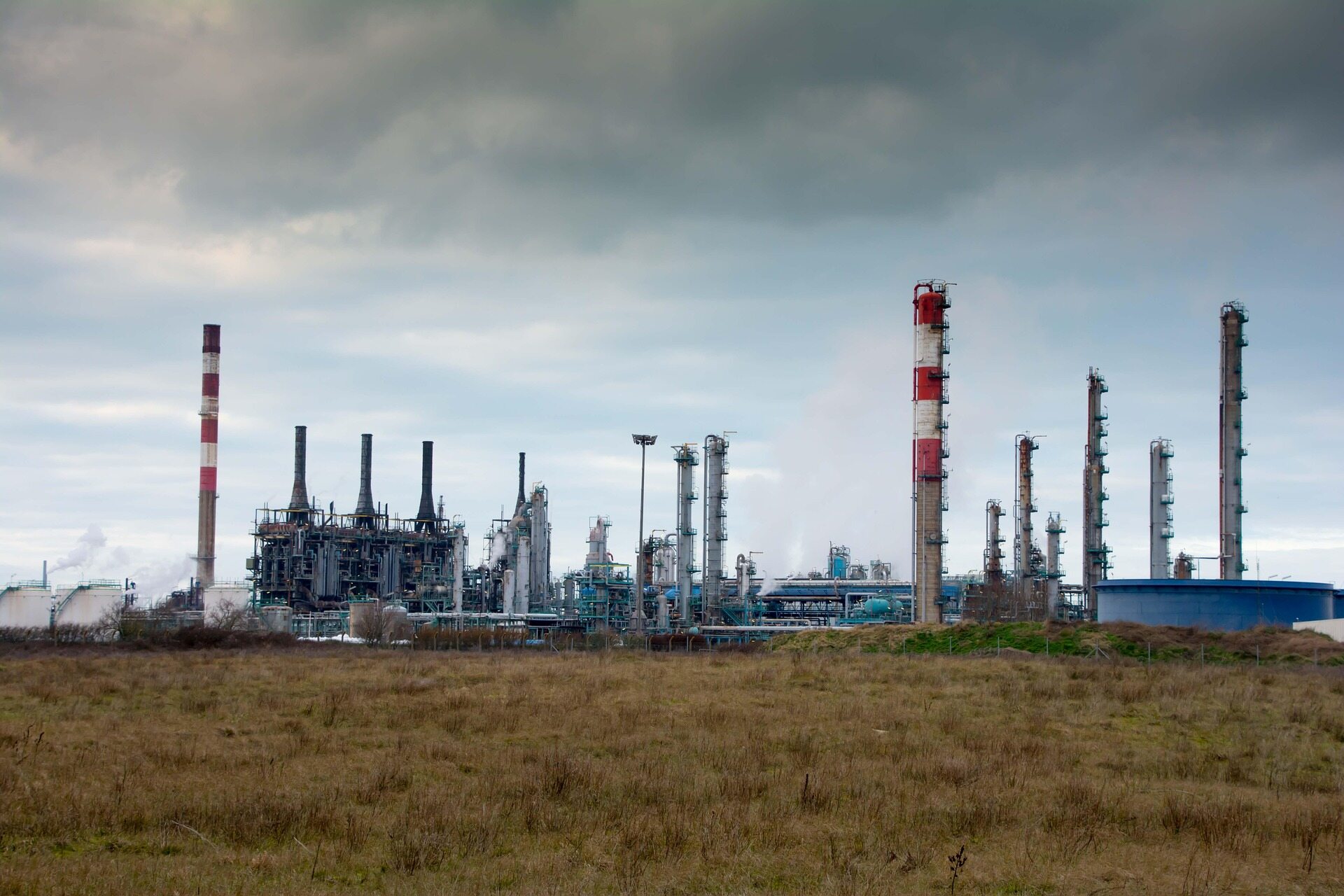
The core driving force behind this round of export recovery comes from the significant adjustment of the US oil policy towards Venezuela. Since the beginning of the year, the US has relaxed its sanctions on PDVSA, allowing Western companies to return to the Venezuelan market and encouraging American companies to sign production and export agreements. The loosening of policies has had an immediate effect: the export volume in April surged by 14% compared to March, with 66 ships of goods departing from Venezuelan ports, reaching the highest level since 2019; In May, it further increased to 67 ships, marking the third consecutive month on month growth.
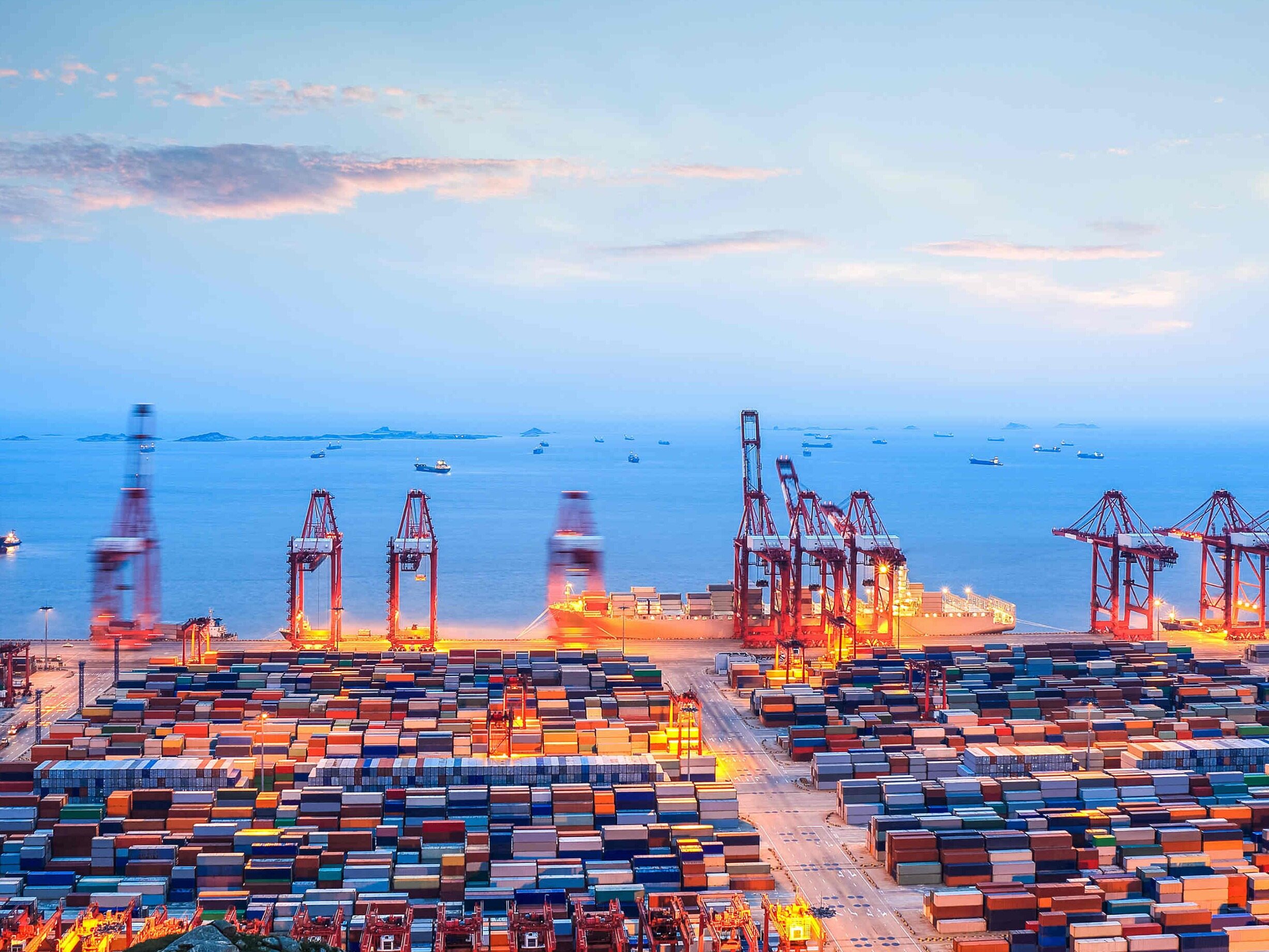
From the perspective of buyer structure, the United States remains the largest customer, with an average daily import of 558000 barrels in May; India ranks second with 427000 barrels per day, while Europe imports 169000 barrels per day. The three major markets all showed growth compared to April. It is worth noting that India's Reliance Industries has become one of the top three buyers of Venezuelan crude oil, purchasing a large amount of goods from traders such as Chevron, Vitol, and Tok. Against the backdrop of tight supply in the Middle East, India is importing Venezuelan crude oil at its highest level in six years.
Giants divide dividends
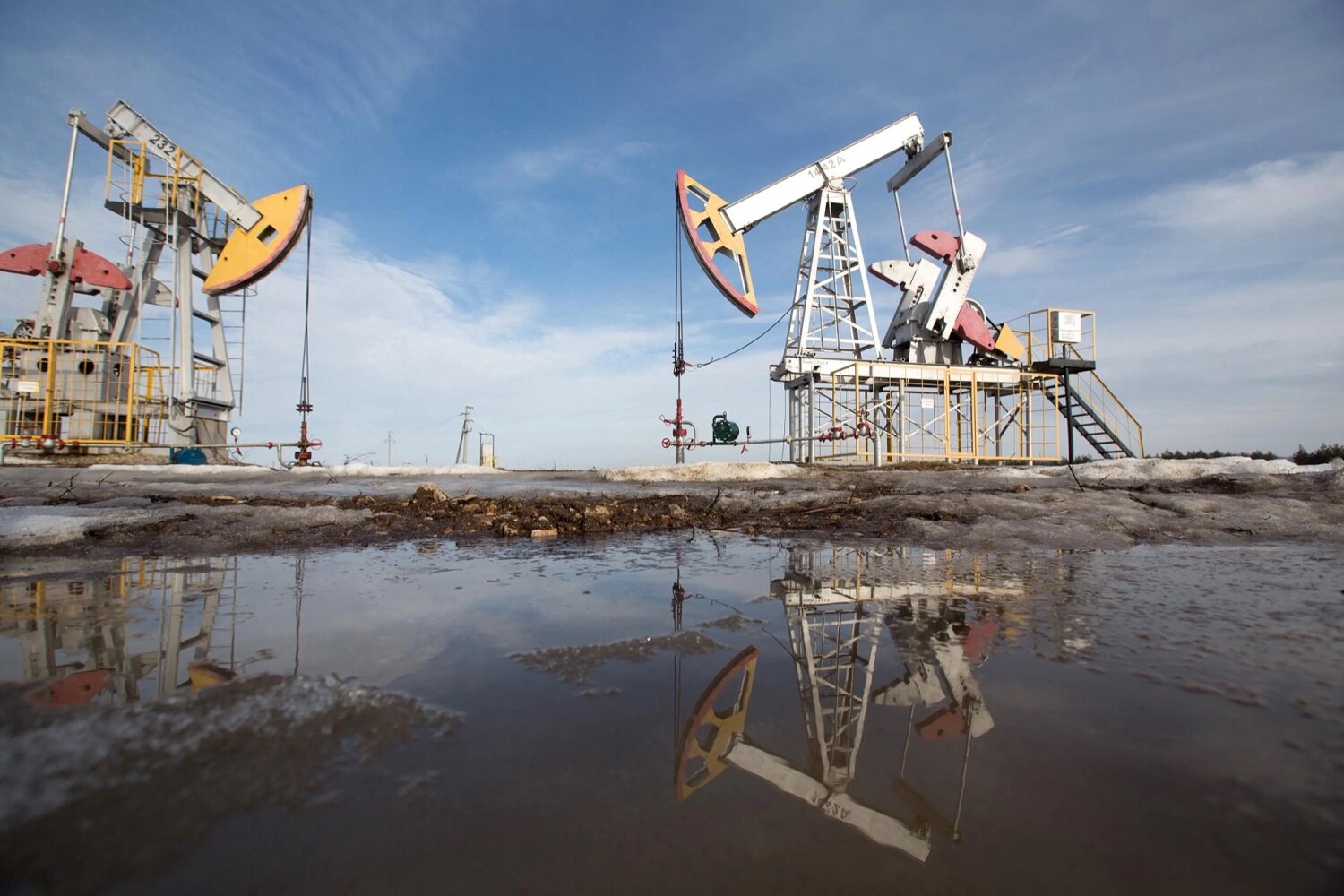
After the lifting of sanctions, international oil trading giants quickly returned to their positions. Vitol Group and Tok Group take on the main distribution roles, delivering the majority of Venezuelan crude oil to global buyers. This triangular structure of oil producing countries, traders, and end buyers is becoming the standard path for Venezuelan oil to return to the international market.
For India, Venezuelan crude oil has been upgraded from an alternative plan to a strategic supplement; For the United States, easing sanctions brings dual benefits of diversified supply sources and geopolitical influence. The wave of exports from Venezuela is essentially a rapid rebalancing of the global energy landscape driven by crisis - and the Maduro government is taking advantage of this momentum to get back on the table.Editor/Cheng Liting
Comment





 Praise
 Collect
 Comment

 Share
Share


Write something~