 Search


- Hedging the risks of maritime transportation channels and building a secure foundation for China's foreign trade supply chain
- After 15 years of deep cultivation, the China Europe freight train has forged a strategic cross-border land transportation channel
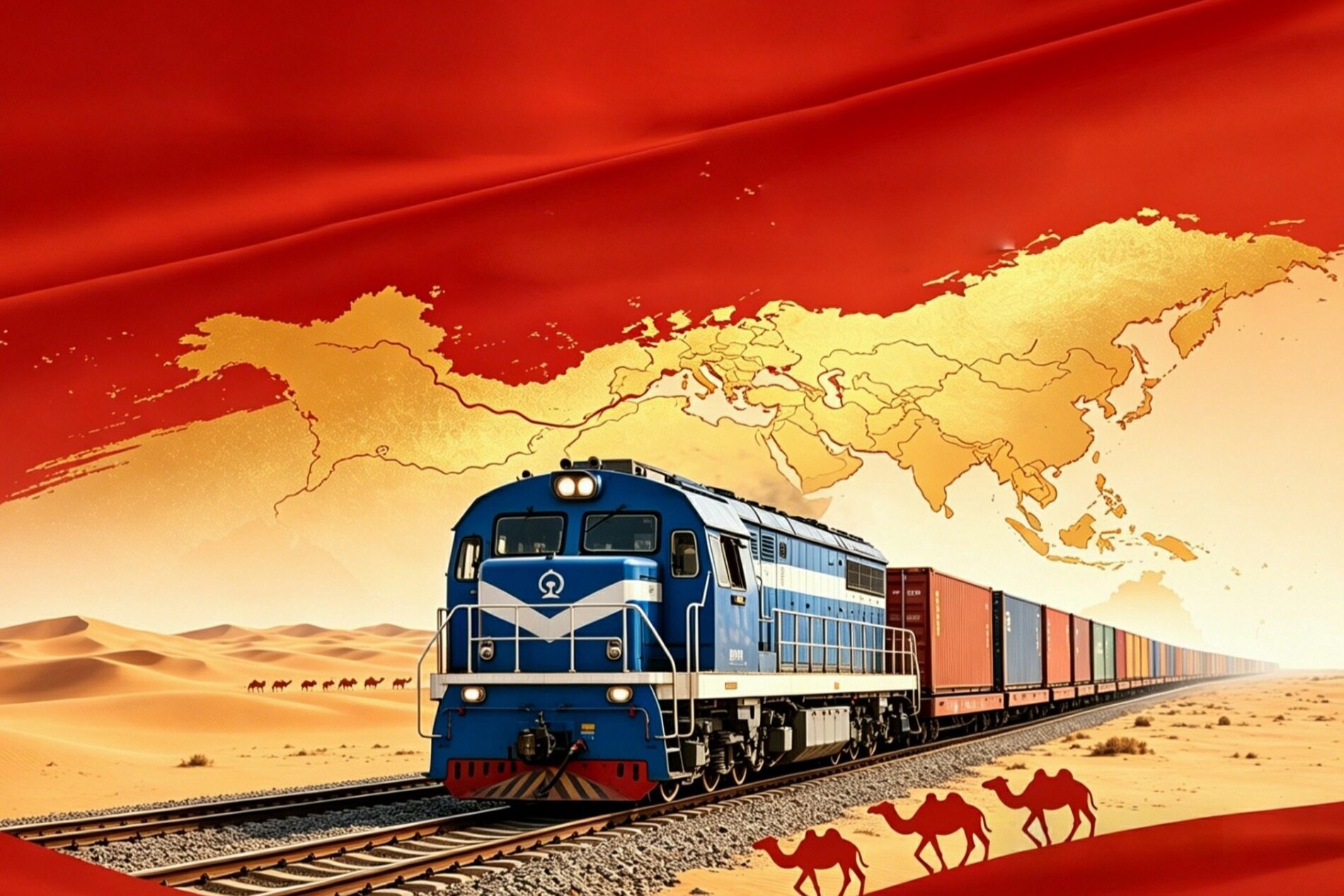
Fifteen years of wind and rain, fifteen years of breakthrough growth. After years of tempering, the China Europe freight train has transformed from a controversial experimental route to a stable and valuable international trade land artery, breaking the single maritime pattern with its hardcore strength and building a secure and resilient barrier for China's foreign trade.
Striking with determination, forging a monument of the times
On the morning of May 9, 2026, at Putian Station in Zhengzhou, a China Europe train with the number X8037 slowly departed and headed towards Hamburg, Germany. This ordinary train marks an extraordinary milestone - it is the 130000th train since the launch of the China Europe freight train. After 15 years of hard work, the cumulative cargo value of China Europe freight trains has exceeded 520 billion US dollars, with a volume more than twice that of China's annual automobile exports. Behind the impressive data is the transformation and rebirth of a cross-border land route, and it is also a vivid reflection of China's opening-up to the outside world. If we only regard this breakthrough as ordinary railway operation news, it is difficult to understand the hidden strategic significance and time commitment behind it.
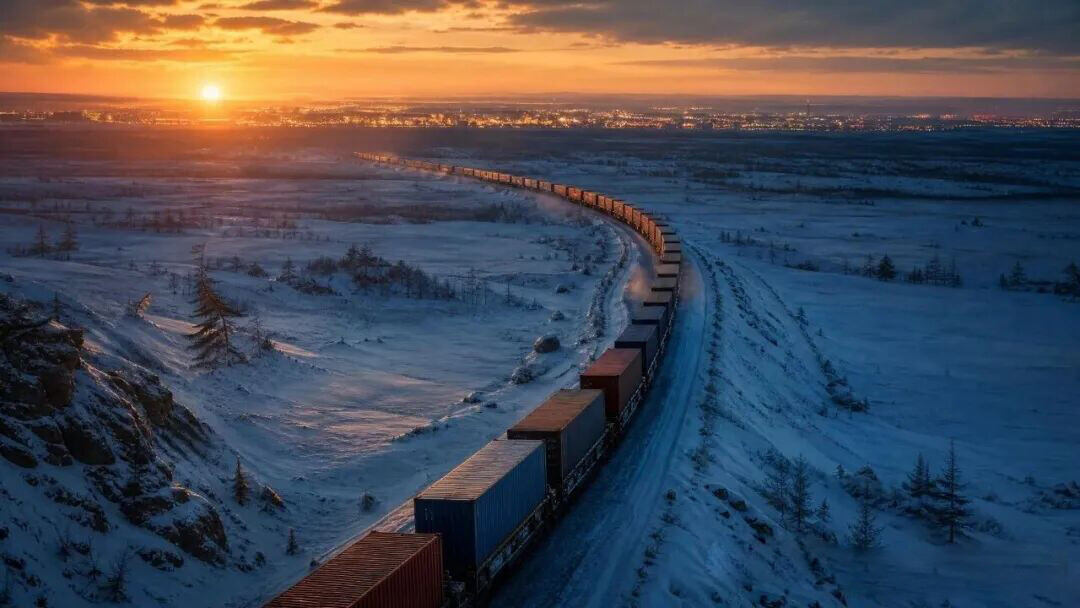
The initial journey of breaking the cocoon is full of hardships
Looking back twelve years ago, the beginning of the China Europe freight train was full of thorns. In 2014, the annual operation volume of China Europe freight trains was only 308, which accounted for a negligible proportion of China Europe trade volume and was once questioned. At that time, the operation of the line was deeply mired in difficulties, with problems such as high subsidies, ultra-high return empty load rates, blind competition in operating scale among various regions, and temporary scheduling to gather transportation capacity. From a market-oriented perspective, this route has no advantage at all: the sea freight cost is only $600 per ton, while the railway freight cost is as high as $9000. The huge price difference makes railway freight seem uncompetitive and a loss making project that is generally not favored by the industry.
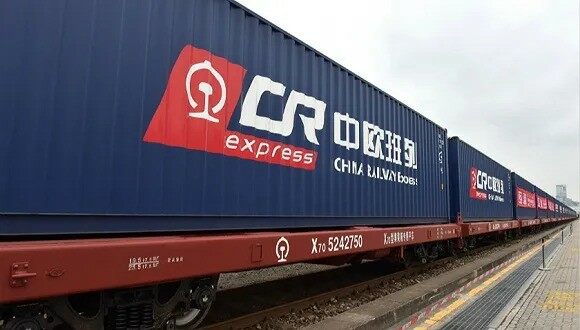
From the shallow logic of commercial ledgers, external doubts are understandable. The contrast between high prices and low speeds made it difficult for this channel to achieve commercial self consistency at that time. The seemingly unprofitable multiple-choice question of ten times higher freight rates and four times faster delivery times was unanswered in the market environment of 2014.
The China Europe freight train in its early stages has always been mired in the dilemma of imbalanced supply. On March 19, 2011, Chongqing launched its first direct China Europe freight train to Duisburg, Germany. The 16 day cross-border journey opened up the land route, but it was unable to solve the problem of empty containers on the return journey. The one-way output operation mode makes it difficult for the line to achieve a virtuous cycle in the long run, and the book data continues to be under pressure. To solve the source of goods dilemma, Chongqing has set up a special team stationed in Dusseldorf, Germany, to deeply cultivate overseas markets in the most simple way, visiting European manufacturing enterprises one by one, and striving for return freight orders. After 18 months of perseverance and hard work, we finally secured the return order for 41 containers of automotive parts from Changan Ford, opening up a breakthrough for the large-scale return cargo supply of China Europe freight trains and filling the gap in return freight.
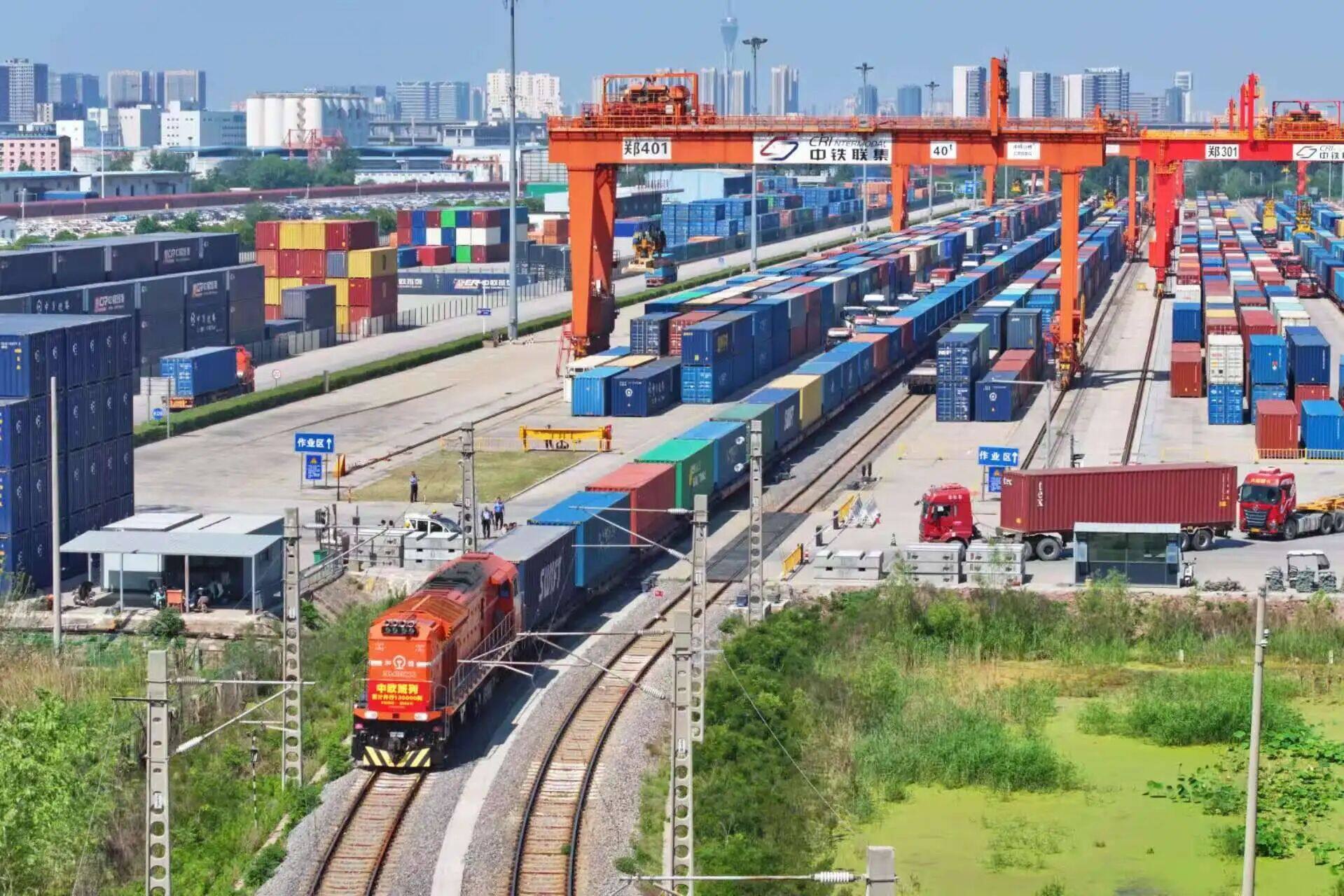
The exploration of single point breakthroughs is difficult to quickly replicate and promote. From 2013 to 2016, most of the China Europe freight trains operated in mid air year-round, crossing the Alashankou Mountains and heading towards the Eurasian continent, with each trip accompanied by high losses. Industry doubts have been raised one after another, and relevant departments have discussed multiple times whether to halt this high investment, low return layout.
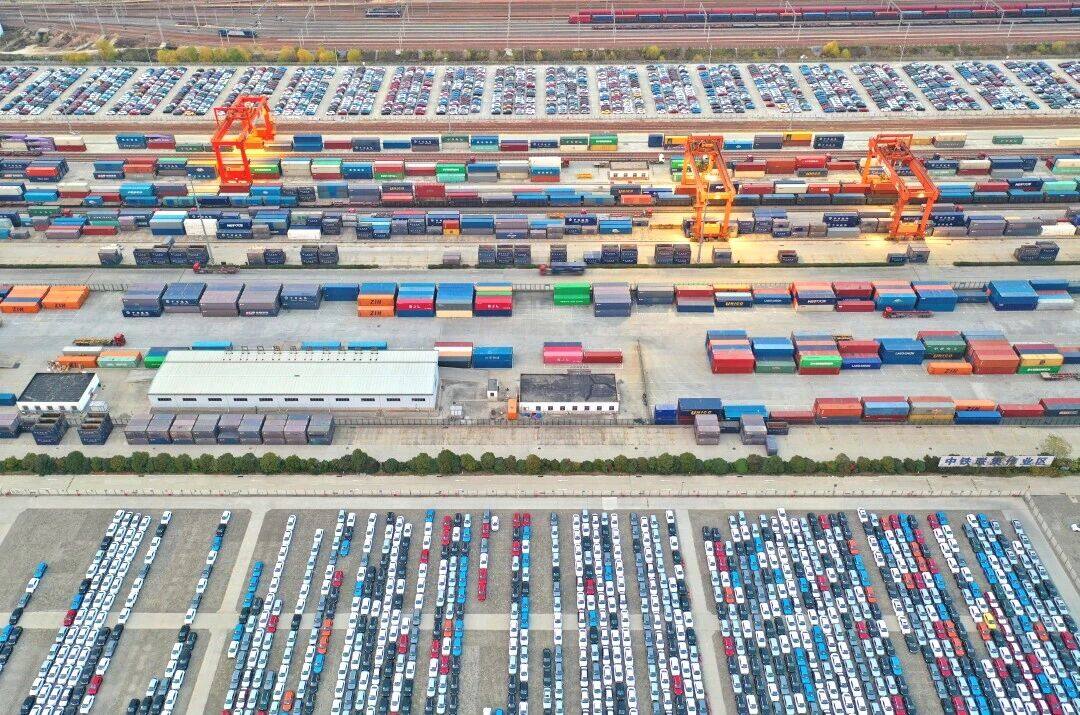
Faced with numerous controversies, the five core cities in China have always adhered to their original intention of layout. Chongqing, Chengdu, Zhengzhou, Wuhan, and Xi'an have included the China Europe freight train in their regional opening-up core strategy, and are regularly competing for the quality and scale of their operations, with no one lightly withdrawing. Local authorities continue to empower and support, while the national level coordinates the allocation of transportation capacity. Even in the face of financial losses, they persist in guarding this immature open land route. Short term financial statements never measure the long-term value of this layout.
Refining the current situation highlights strategic value
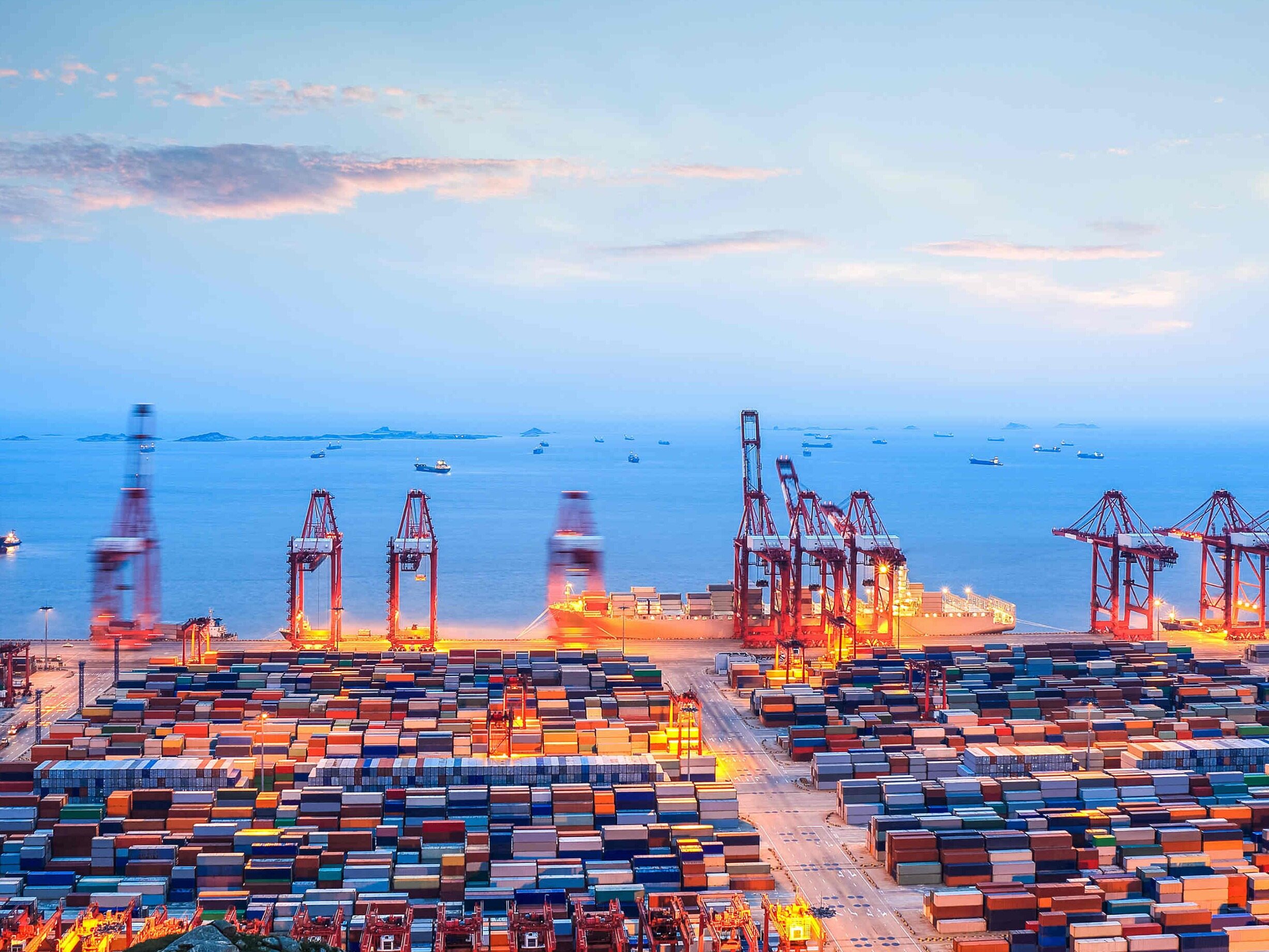
In 2020, a sudden global maritime change brought value to the dormant perseverance of the China Europe freight train. Under the impact of the epidemic, global port congestion has paralyzed, shipping rates have skyrocketed, transportation cycles have significantly lengthened, and supply chain stability has sharply declined. In this context, the China Europe freight train has experienced explosive growth in marketization with its efficient and stable advantages, completely breaking away from the development model of policy transfusion and becoming a cross-border logistics channel actively chosen by foreign trade enterprises and recognized by overseas markets. In 2024, the Red Sea shipping crisis continues to escalate, with a sharp decline in shipping efficiency and skyrocketing costs. This further highlights the unique value of China Europe freight trains in avoiding geopolitical risks and stabilizing supply chains, promoting the upgrading of train transportation to high-value and high-precision categories, and achieving a thorough transformation from scale growth to quality improvement. Keywords: China Europe freight trains, market transformation, opening up to the outside world
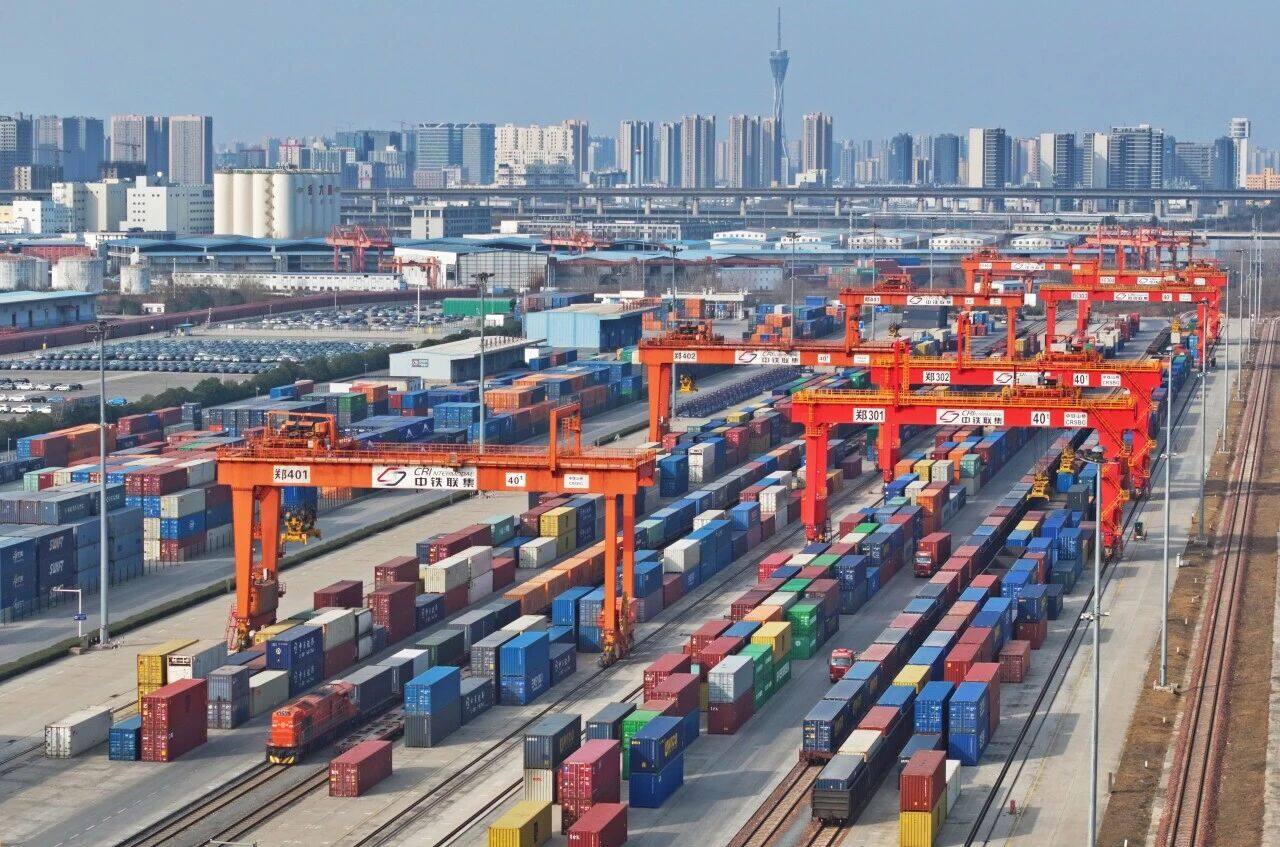
The fifteen year growth of the China Europe freight train has confirmed the profound logic of the strategic layout of major powers, resonating with important national instruments such as Beidou Navigation, Ultra High Voltage, and C919 on the same frequency. These are core projects that are difficult to achieve short-term profits but have long-term implications for national operations. The pre arranged land routes have broken the deep dependence of China's foreign trade on a single maritime transportation system. After more than ten years of deep cultivation, a customs clearance system and operational capabilities covering hundreds of cities and linking multiple countries have been built, and an irreplaceable core strength of cross-border cooperation has been accumulated. From exploring alone in various regions to working together in multiple cities, from controversial loss making pilot projects to calm and steady strategic routes, the changing times have ultimately verified the value of this perseverance. This ten thousand mile land artery will continue to safeguard China's opening-up and global supply chain security and stability.Editor/Gong Ziwei
Comment

 Praise
 Collect
 Comment

 Share
Share


Write something~