 Search


- Domestic robotic arms are transitioning from cheap goods to hard currency that global factories are eagerly seeking
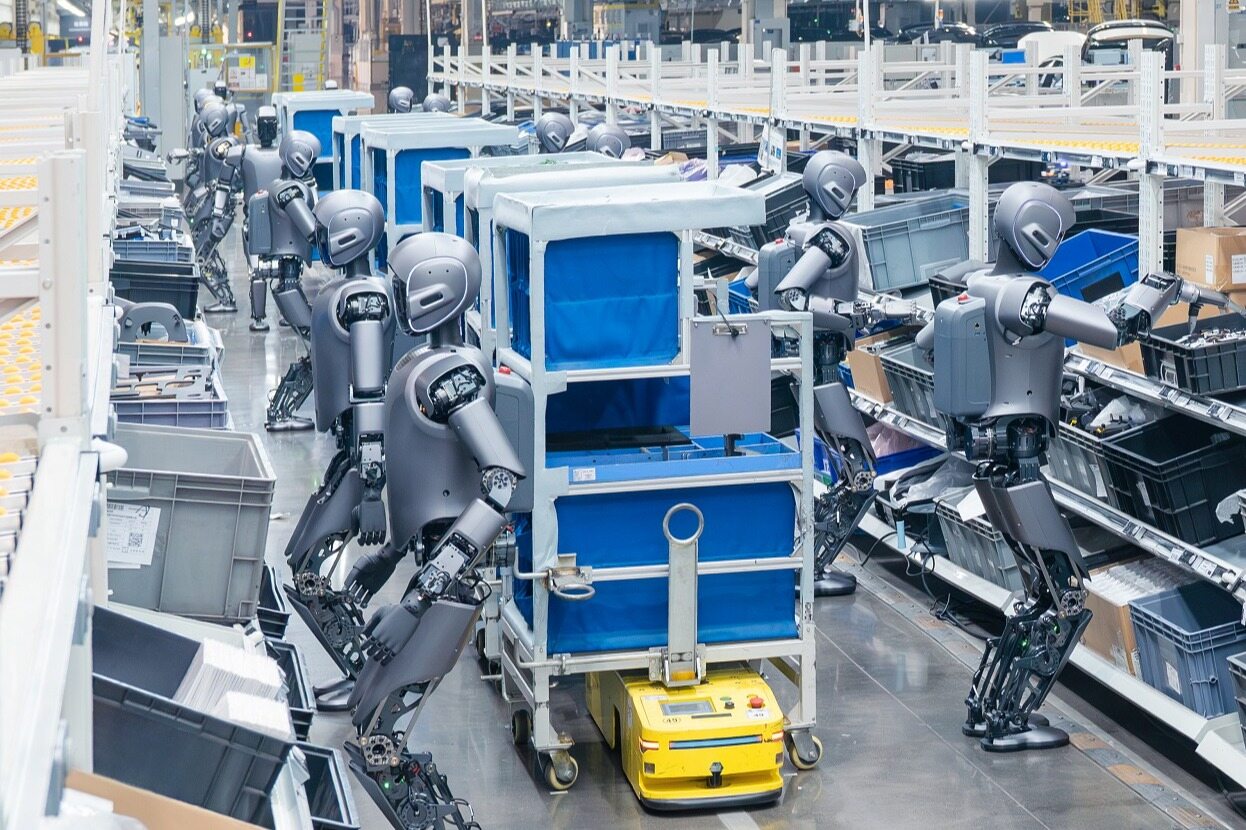
When German car factories start purchasing Chinese robotic arms and Vietnamese textile workshops are filled with domestically produced AGVs, a signal is already very clear: Chinese industrial robots are no longer a low-priced substitute, but a hard currency in the global automation market. In April 2026, the monthly export exceeded 25000 units, a year-on-year increase of nearly 90%, setting a new historical high.
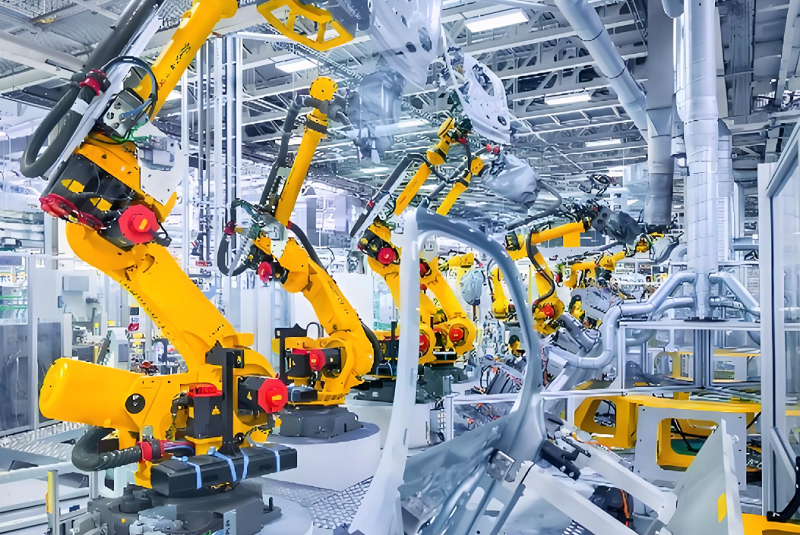
Triple advantages rewrite the global robot landscape
The surge in global automation demand is the first driving force. The return of manufacturing industries from Europe and America, the transfer of industries from Southeast Asia, and the upgrading of infrastructure in the Middle East, coupled with difficulties in recruiting and high labor costs, have led to a rigid cycle of factory automation transformation. Mobile robots are in high demand in the field of warehousing and logistics, accounting for over 40% of exports.
The second advantage is technological breakthroughs. The localization rate of core components exceeds 80%, and the performance of controllers, servo systems, and reducers is comparable to that of Japan and Germany, but the price is 30% to 50% lower. The third level is the industrial chain cluster - one-stop support for the Yangtze River Delta and Pearl River Delta, with a delivery cycle half that of international brands, and fast response capability has become a killer.
The entire industry chain is enjoying dividends
The orders from complete machine manufacturers have been scheduled for the second half of the year, with AGV/AMR showing the fastest growth rate. The domestic replacement of upstream reducers, servo motors, and controllers has been completed, and the production will be synchronized with the whole machine's export. Each robot is equipped with 20 to 30 chips, leading to a surge in demand for AI chips, power semiconductors, and 3D vision sensors. Downstream system integration is shifting from selling equipment to selling solutions, with higher gross profit margins and strong overseas demand.
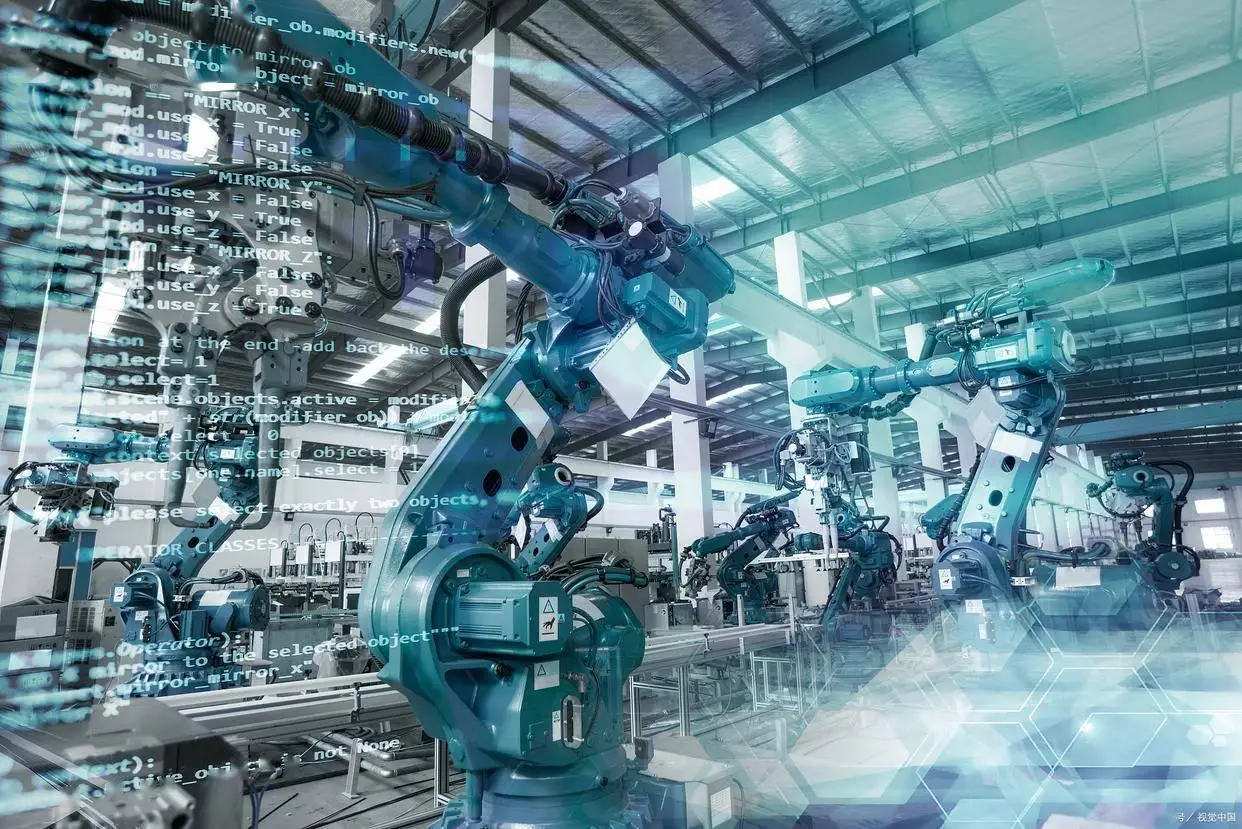
The high growth of China's robot exports has just begun. In the next 3 to 5 years, the global automation wave will not stop, and the complete industrial chain from chips to complete machines is one of the most certain tracks for China's high-tech industries to go global.Editor/Cheng Liting
Comment






 Praise
 Collect
 Comment

 Share
Share


Write something~