 Search


- China's electrolytic cell manufacturing leads the world, and the hydrogen energy boom has arrived
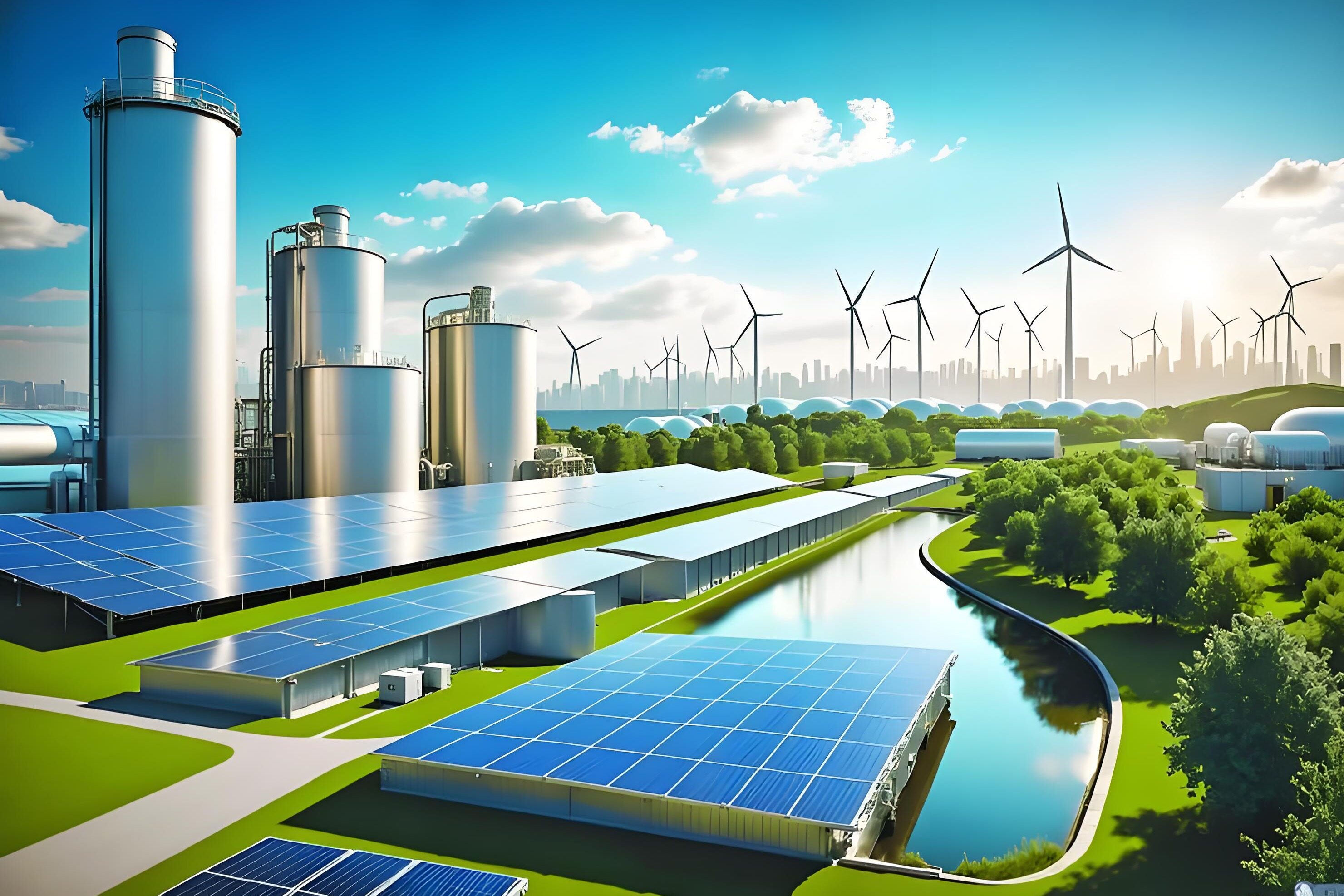
In a conference room of the International Energy Agency, the latest issue of "Global Hydrogen Review 2025" was placed on the table. This hundreds of pages long report does not repeat the age-old conclusion that hydrogen energy is the future energy source, but instead provides a more pragmatic judgment: the global hydrogen energy industry is bidding farewell to wild growth and entering a new cycle of improving quality and efficiency, reducing costs, and implementing scenarios. There are hidden dividends in the challenges, and a global hydrogen wealth boom has already begun.
Low carbon hydrogen energy will face explosive growth
By 2024, the global demand for hydrogen energy is approaching 100 million tons, and the overall industry is maintaining a steady growth trend. However, hydrogen consumption is still dominated by traditional fields such as refining and chemical engineering, with emerging application tracks accounting for less than 1%, and there is enormous potential for exploring new scenarios.
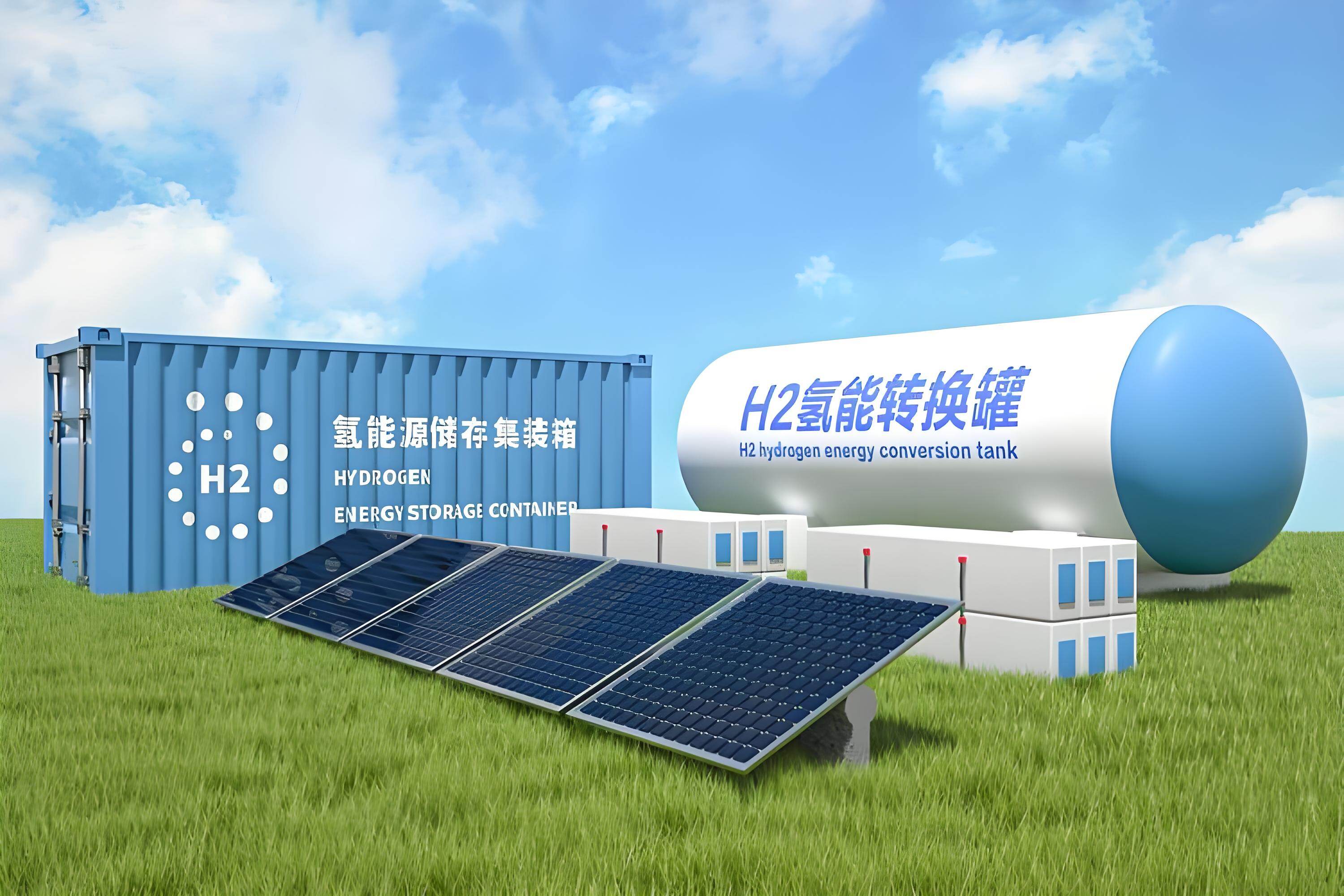
On the supply side, the production of low emission hydrogen energy will increase by 10% year-on-year in 2024, and the production capacity is expected to exceed 1 million tons by 2025. Although the world has lowered its expected low emission hydrogen energy production capacity by 2030, the growth background remains unchanged. As of now, over 200 low emission hydrogen production projects worldwide have finalized their investment decisions. Relying solely on existing operational and decided projects, the annual production of low emission hydrogen energy will reach 4.2 million tons by 2030, a fivefold increase from 2024. The trend of large-scale development of low-carbon hydrogen energy is irreversible, and the upstream hydrogen production track is the first to usher in opportunities for increased production.
Chinese electrolytic cells lead the world
In the field of hydrogen energy core equipment, China has firmly occupied a leading position in the world. By 2024, the total installed capacity of electrolytic cells worldwide will reach 2 gigawatts, with China accounting for as much as 65%.
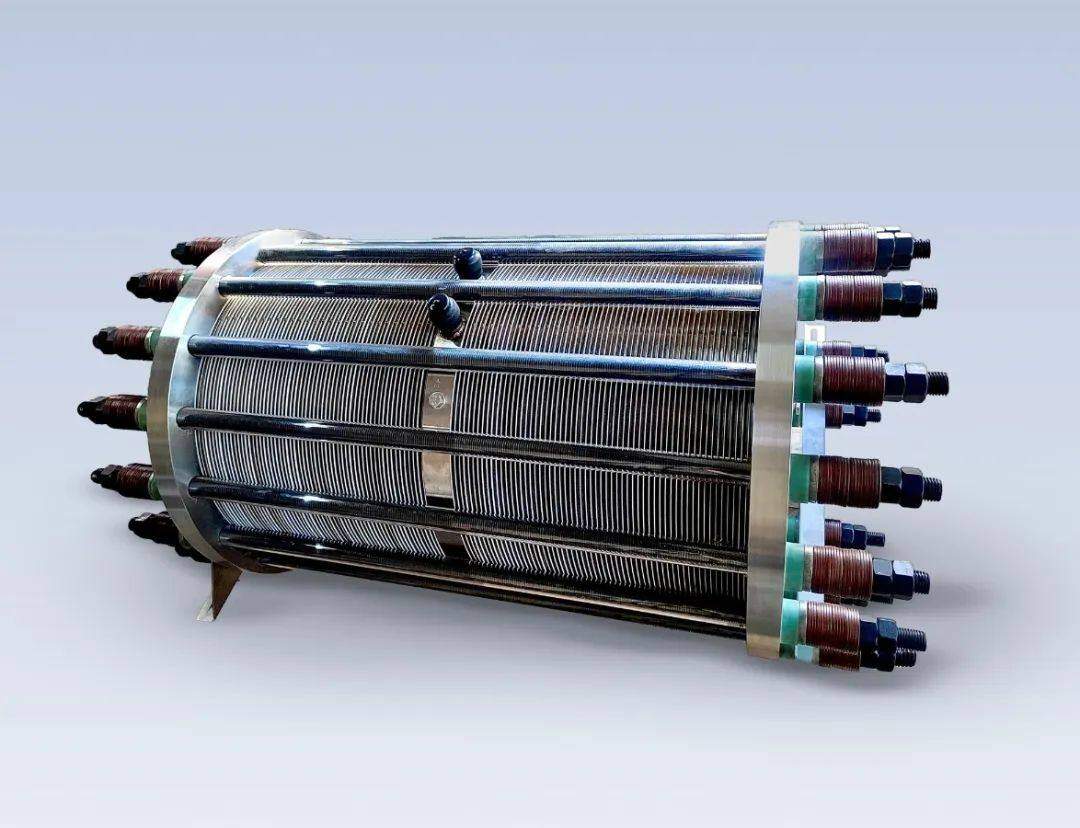
On the manufacturing side, Chinese companies hold nearly 60% of the global electrolytic cell manufacturing capacity, leading the global market in terms of production capacity, shipment volume, and technological iteration. At present, although overseas markets have requirements for efficiency and standard adaptation of Chinese electrolytic cells, domestic manufacturers have taken the initiative to break through the situation: on the one hand, they continue to increase technological innovation and optimize product performance to adapt to overseas standards; On the other hand, many have gone abroad to build factories and are closely aligned with the market layout. For upstream and downstream enterprises and supporting component manufacturers of electrolytic cells, the dual opportunities of upgrading the local market stock and expanding the overseas market increment overlap, and the industry has ample growth space.
Port shipping becomes a pioneer in landing
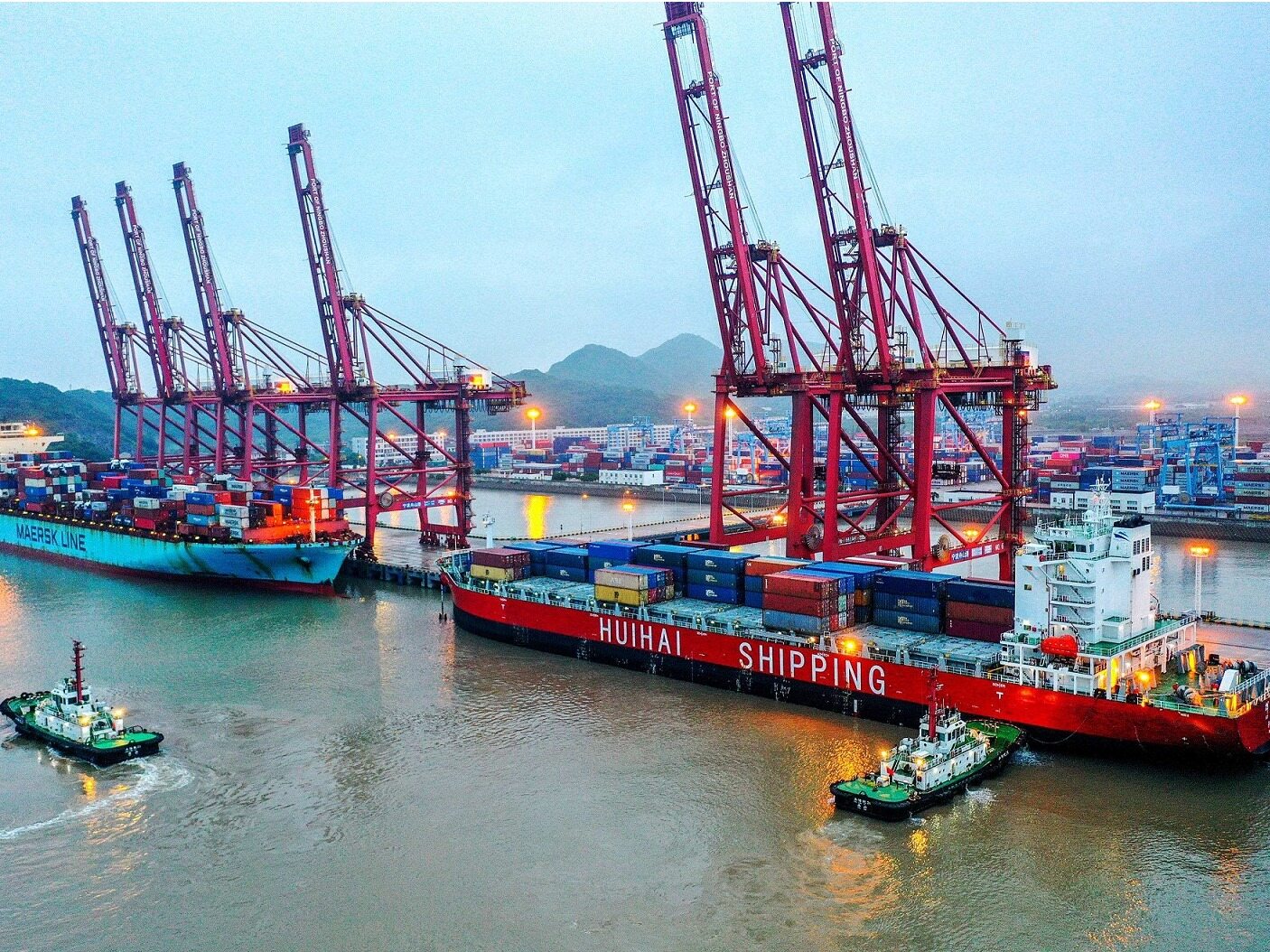
Shipping is a key area for global decarbonization, and hydrogen based low-carbon fuels are seen as the key to achieving the International Maritime Organization's net zero goal. Ports are the core hub for the landing of hydrogen powered shipping. Keywords: Strategic News Network, Low Carbon Hydrogen Energy
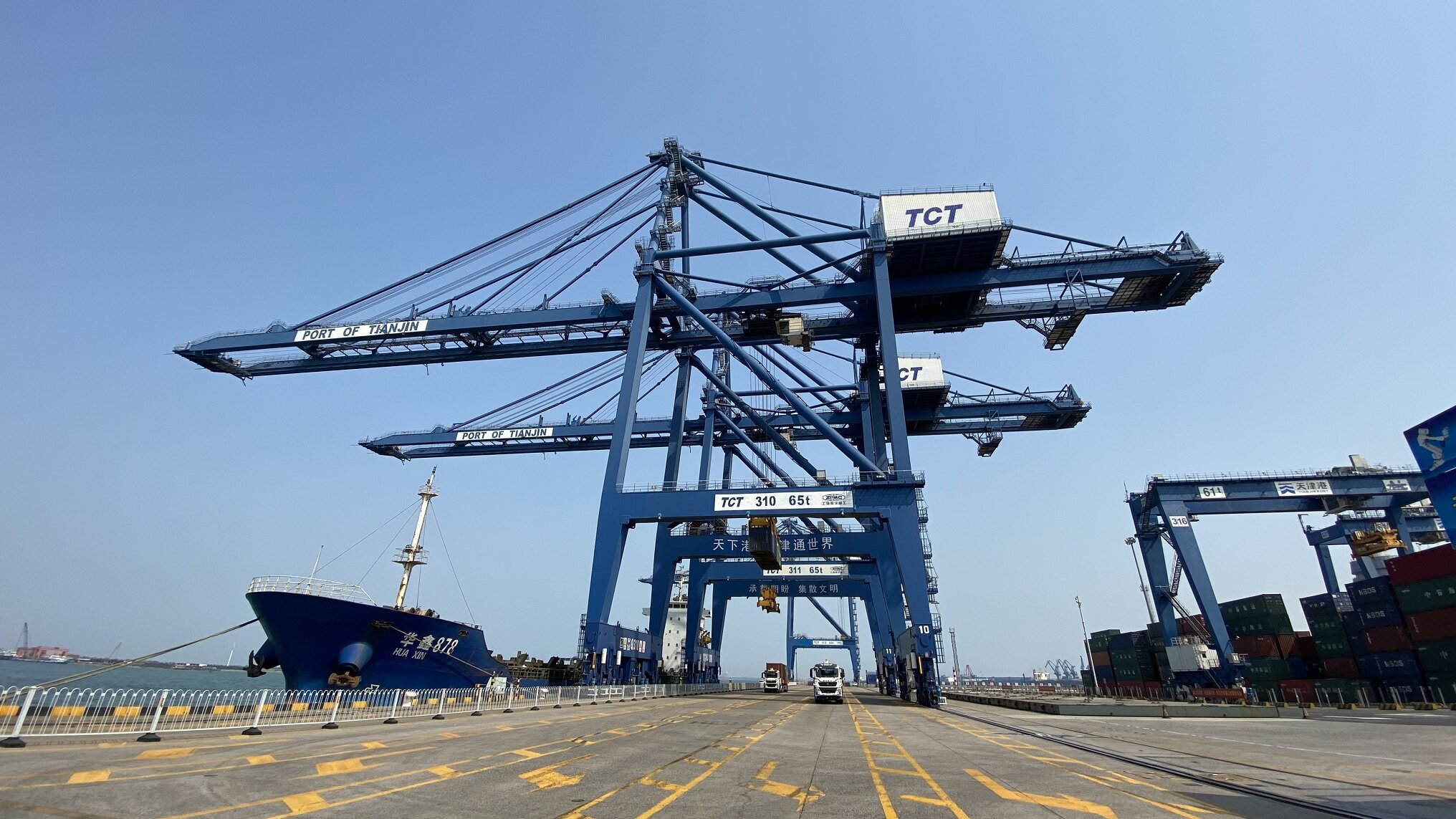
Global ship refueling is highly concentrated, with 17 ports meeting over 60% of the industry's refueling needs. Meanwhile, a large number of traditional fossil hydrogen production facilities are located adjacent to ports and can be transformed into low-carbon hydrogen supply stations with slight modifications. At present, there are over 30 ports that can rely on landing projects to achieve an annual supply of over 100000 tons of low-carbon hydrogen within a range of 400 kilometers. At present, methanol powered ships have been put into large-scale operation, with over 60 put into use and nearly 300 in the construction stage. The accompanying demand for hydrogen refueling facilities, storage and transportation equipment, ship renovation, port operation and maintenance, and other full chain requirements have made port hydrogen energy infrastructure the fastest and most profitable high-quality track to land in the short term.Editor/Gao Xue
Comment

 Praise
 Collect
 Comment

 Share
Share


Write something~