 Search


- Adapting to local conditions to accelerate the scaling up of green hydrogen, reducing costs and increasing efficiency

The hydrogen energy industry in China is experiencing the pain of transitioning from wild growth to intensive cultivation. With high international carbon tariff barriers, a competition on how to transform green electricity into real gold and silver is quietly unfolding in Shandong, Sichuan, and Gansu provinces.
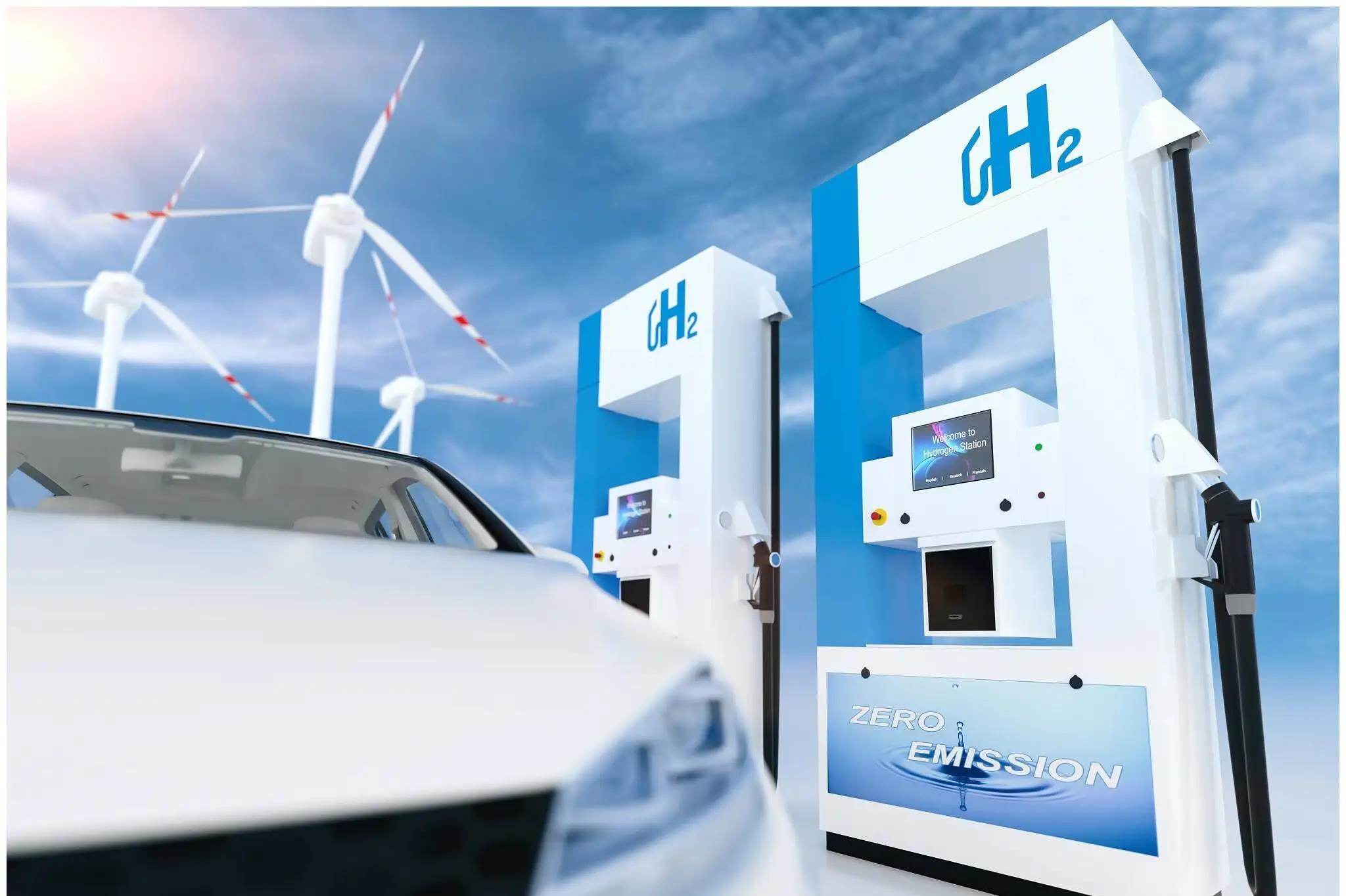
Green Hydrogen now has an ID card
The National Energy Administration has released a new carbon footprint assessment system, which for the first time classifies hydrogen as low-carbon, clean, and renewable. This is not only to regulate the market, but also to cope with the increasingly stringent hourly carbon emission inspections in Europe and America, allowing Chinese made green hydrogen to have a say in international trade and no longer be rejected due to differences in standards.
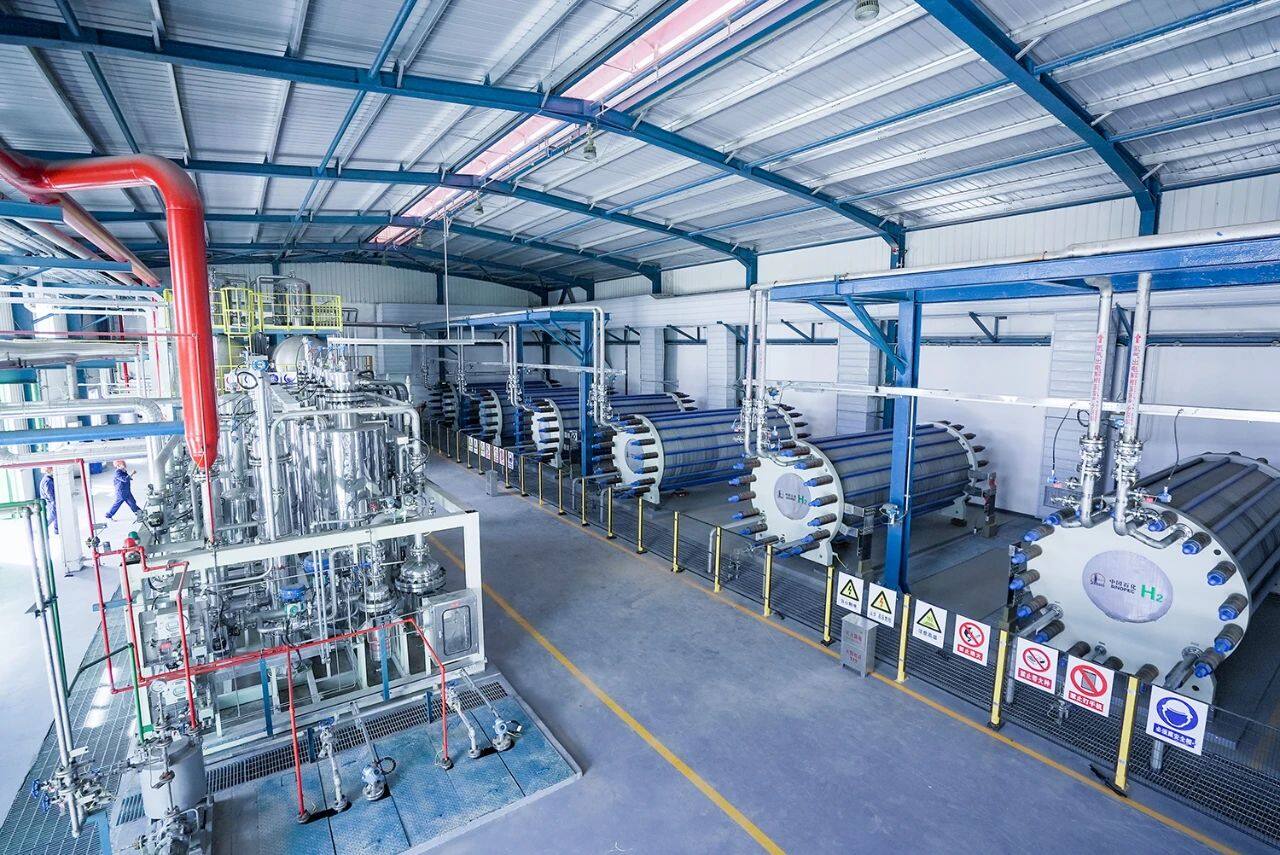
Reject the one size fits all model
The latest research shows that there is no universal formula for the development of green hydrogen. Shandong is suitable for relying on large-scale electricity to purchase hydrogen, Sichuan should take advantage of its hydropower advantages to convert on site, while Gansu needs to be wary of blindly producing hydrogen and increasing the burden on the power grid. China is drawing a differentiated industrial roadmap based on local resource endowments, striving to find the best balance between emission reduction effectiveness and economic benefits. Keywords: strategic news and information, green hydrogen development

Constructing the West East Hydrogen Transmission Channel
To solve the spatial mismatch between resources and demand, China is accelerating the layout of storage and transportation networks for hydrogen based derivatives such as ammonia and alcohols. At the policy level, there is also a shift from simple financial subsidies to market-based mechanisms relying on carbon markets and green certificate trading. This marks the gradual weaning of the green hydrogen industry, which must survive independently in fierce market competition through technological innovation and cost control.Editor/Gao Xue
Comment





 Praise
 Collect
 Comment

 Share
Share


Write something~